George Washington and the Jesuits

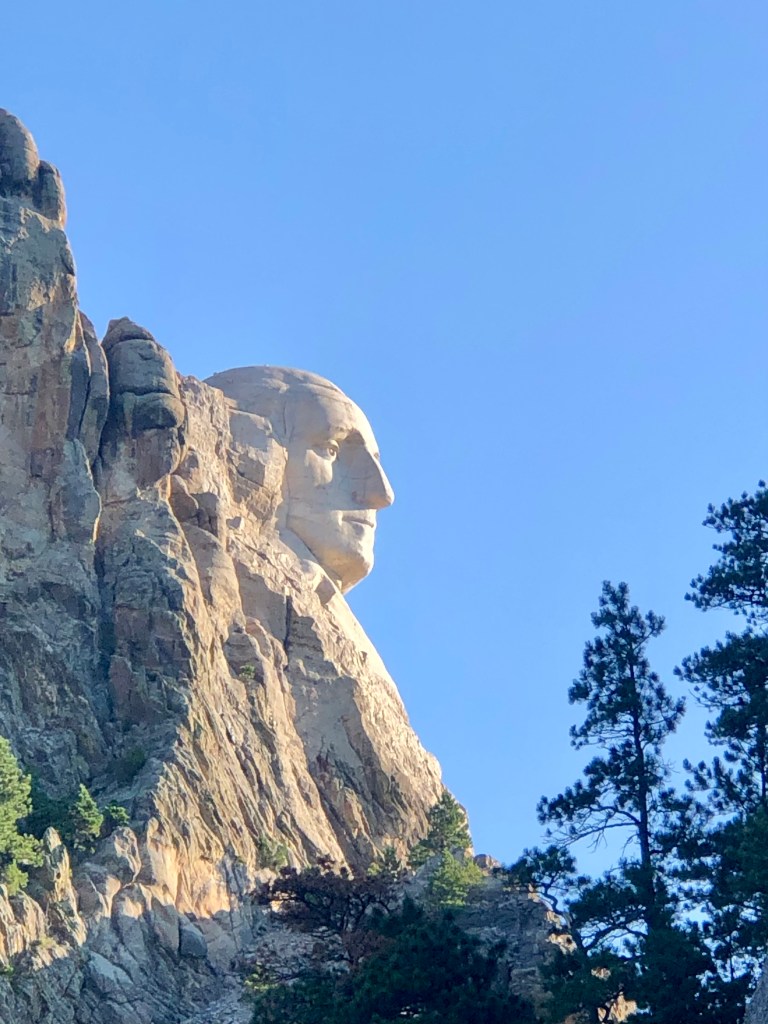
George Washington, Mount Rushmore

On Saturday, the United States of America will celebrate 250 years of independence. In a slightly ironic twist, I will be attending an ordination that weekend in… Great Britain. (Scotland, to be precise.) Don’t worry: I’m not going Loyalist, and, if anyone asks, my opposition to taxation without representation remains undimmed. It is, nonetheless, an occasion worth celebrating.

Declaring independence was a bold gamble for the colonists, with no guarantee of success; winning that independence was a work of tenacity and perseverance. Founding institutions that would produce two and a half centuries of stable and broadly just governance in the uncertain years that that followed independence is perhaps an even more remarkable achievement.

We Americans are fortunate to have a Constitution designed to keep the ship of state afloat even when unwholesome individuals wield the levers of power, but that first generation of Americans didn’t have that luxury. In those first years of American independence, without the stability of established republican precedents or even a firm national identity, things could easily have gone wrong. The murderous course of the French Revolution a few years later is a reminder of how badly can one can go even when shouting “Liberty!”

As I’ve argued before, Americans owe a lot to George Washington, who provided leadership that was remarkable, above all, for its integrity. Washington was no military genius but where he stood above the other figures of his age–what made him the greatest man of his century–was his character. As a general, he stayed steady even in defeat. His leadership was marked by patience, courage, and steady resolve. He learned how to hold his emotions–his temper was volcanic–in check. He put his country before personal ambitions, not just in word, but in deed as well. He showed a scrupulous respect for the rule of law; as commander-in-chief of the Continental Army, he always deferred to the Continental Congress, even when tactically inconvenient. And, of course, he relinquished power, resigning his command at the end of the War of Independence and retiring to Mount Vernon after two presidential terms.

Continue reading “George Washington and the Jesuits”
Ash Wednesday homily

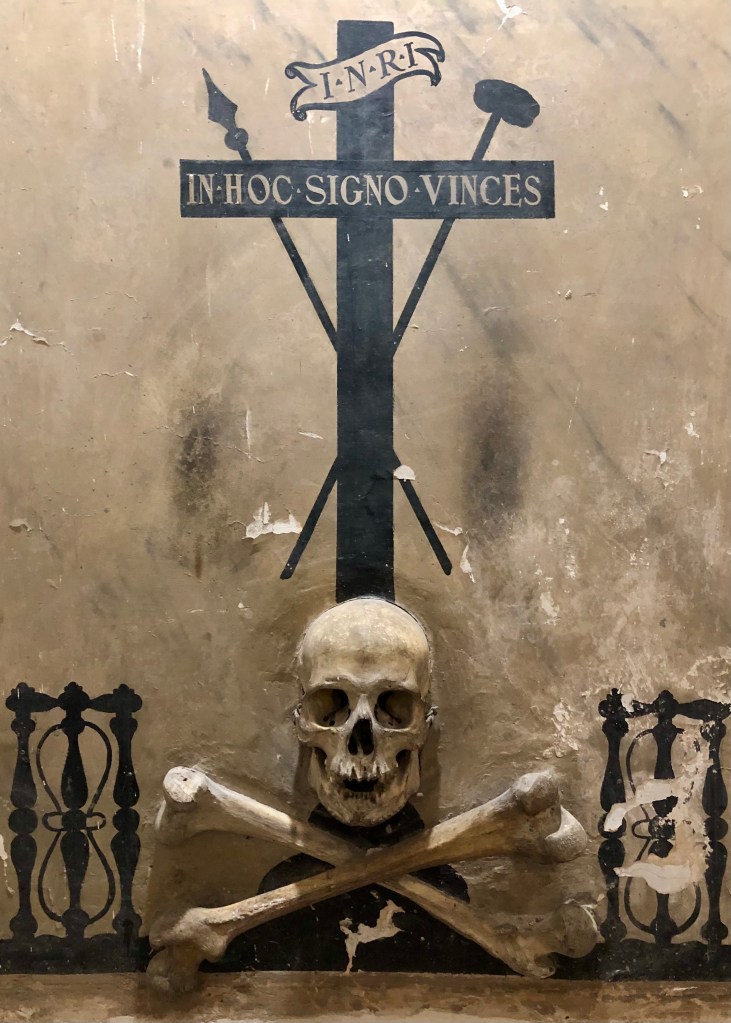
Chiesa di S. Maria dell’Orazione e Morte, Rome

Last year’s (brief) homily for Ash Wednesday. Original Italian.

In the readings with which we begin Lent today, we see two sides to this season of conversion. There is a public side. In the first reading, Joel calls the people to gather together, to declare a public fast, and to renew their worship. In the second reading, too, we are called to public witness: we are “ambassadors” of Christ, says St. Paul.

It might seem that there is a certain tension between these readings and the Gospel, which exhorts us to perform pious practices in private. However, there is no contradiction, because both of these aspects are part of the mission of a Christian in this world. The Gospel is a warning against hypocrisy, against the temptation to try to gain something—even if only the esteem of others—through our religious observances. All our practices—almsgiving, fasting, prayer—must be directed to the glory of God and not to our own glory.

During this season of Lent, let us seek above all purity of heart, integrity of public conduct, and an interior life consistent with the great call to follow the Lord Jesus as his disciples.

Readings: Joel 2:12-18; 2 Cor 5:20-6:2; Matt 6:1-6, 16-18

(Original: Italian)

Gregorian University Chapel

2025

Staying salty in an indifferent sea: Homily for the 5th Sunday of Ordinary Time

Homily for the Fifth Sunday in Ordinary Time (Year A).

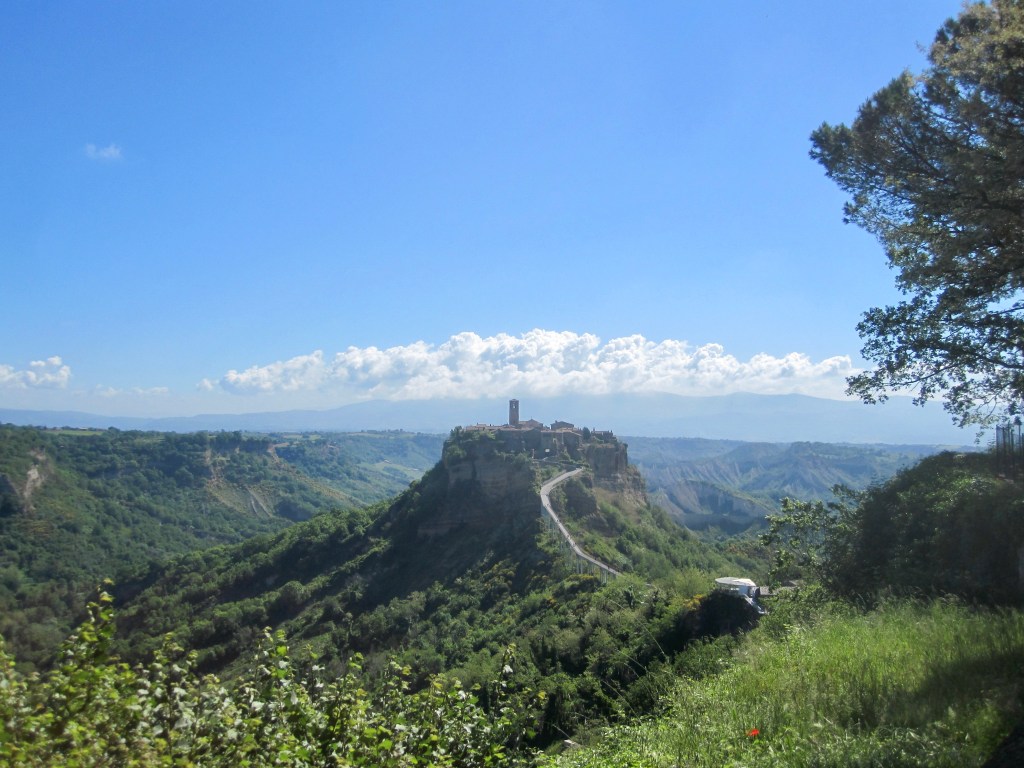
Bagnoregio, Italy

After the Christmas break another Jesuit in our community returned to Rome after having had corrective eye surgery.  The surgery went so well that for a week after he returned, he wore sunglasses at all times of day, even indoors; of course, we gave him a hard time about imagining that he had become a movie star.  What happened was that, with his vision corrected, at first his pupils were letting in too much light—so much light that he couldn’t see.  For our eyes to work, we need light, but we also need contrasts.  Some parts of our field of vision must be lighter or darker than others, otherwise we’ll end up falling down the stairs and running into walls.

If there is no light, of course, we cannot see.  But too much light can blind us too.  In the Biblical world, before electric lighting, the risk of darkness was almost always greater than having too much light.  In the Bible the metaphor of light is usually good, though occasionally the light of God is overwhelming—think of Jesus appearing to St. Paul on the road to Damascus.  Paul is knocked over and blinded by the vision.  If we were to be hit right now with heaven’s light in all its purity, we would probably be paralyzed too.  In order to experience that light, we need to grow, to be re-formed—the same way my confrere’s eyes had to convert after surgery and our own eyes have to adjust when we step outside at midday.  We might, in fact, say that God’s light shines even on those in hell, and that their darkness is the result of eyes grown used to the shadows, forever unwilling to adjust to the daylight.  However, this world in which we live right now contains both light and darkness.  In order to navigate in this world, we need to be able to recognize the contrasts.

Continue reading “Staying salty in an indifferent sea: Homily for the 5th Sunday of Ordinary Time”