Looking back on 9/11

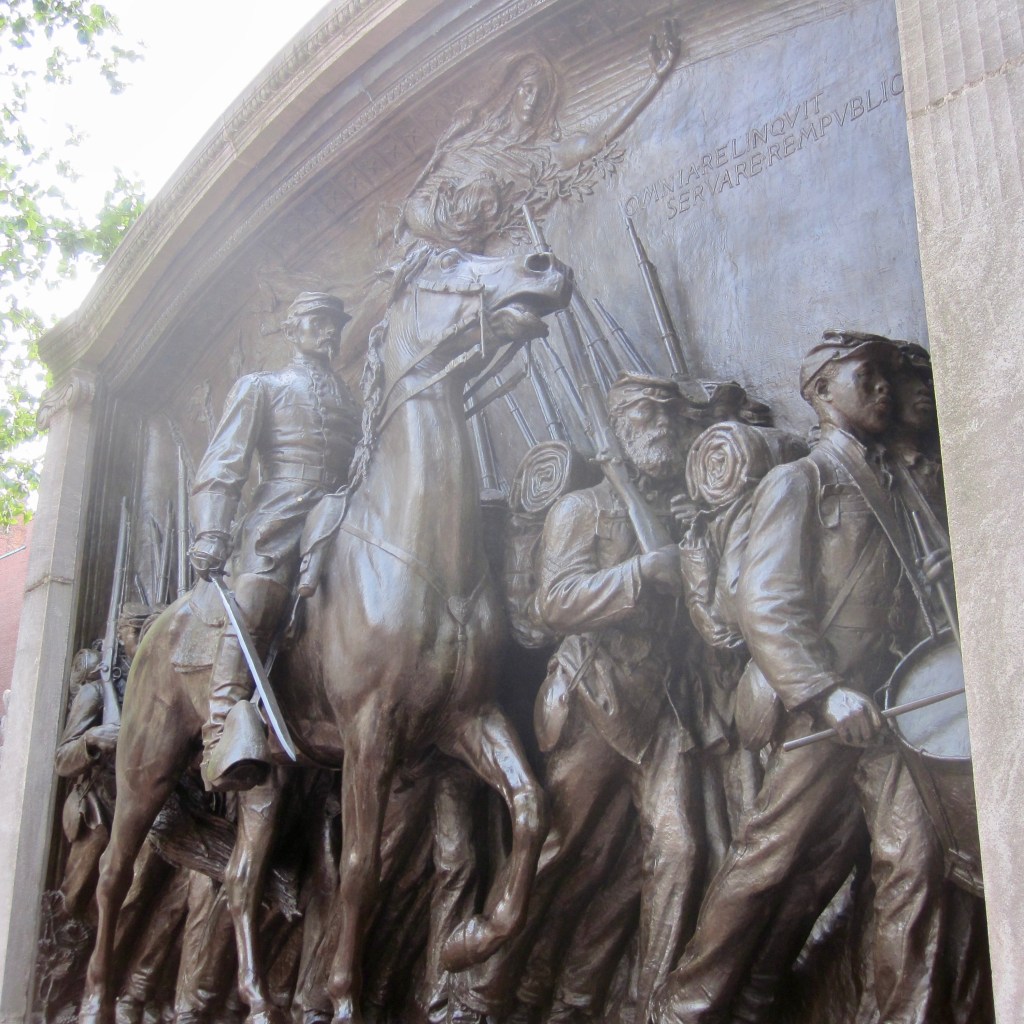
Robert Gould Shaw and Massachusetts 54th Regiment Memorial, Boston

A few weeks ago I recommended checking out the new Substack of my friend Rachel Lu. Yesterday, Rachel posted a piece looking back on 9/11 in Law & Liberty which I highly recommend as well. It’s a piece I find especially resonant because Rachel writes about joining the Peace Corps in the wake of the attacks, and I did exactly the same thing.

In fact, we were classmates at Notre Dame at the time, and both happened to end up as Peace Corps volunteers in different former Soviet Republics in Central Asia — Rachel in Uzbekistan and I in Kazakhstan. Uzbekistan was certainly the more Islamic of the two, Kazakhstan more cosmopolitan and secular. More than the biographical similarities, however, I found myself resonating with the sentiments Rachel expresses — from a slightly naive but still fundamentally good youthful idealism to a deeper concern over the self-destructive tendencies American culture has shown in the quarter century since 9/11. I even learned a new word — oikophobia — which seems apt.

Here’s Rachel’s blurb about the essay in Substack:

I never risked life or limb like [those who signed up for military service], and signed on only for a form of service you’re allowed to quit at any time (though I didn’t, at least not until my term of service was up). Still, my little contribution meant something, at least to me, and I go on to reflect on how Americans’ understanding of themselves has changed over time. So much, in fact, that one sometimes wonders: Did Osama bin Laden finally win the war of hearts and minds?

Check out the whole essay “Mirrors of 9/11” here.
George Washington and the Jesuits

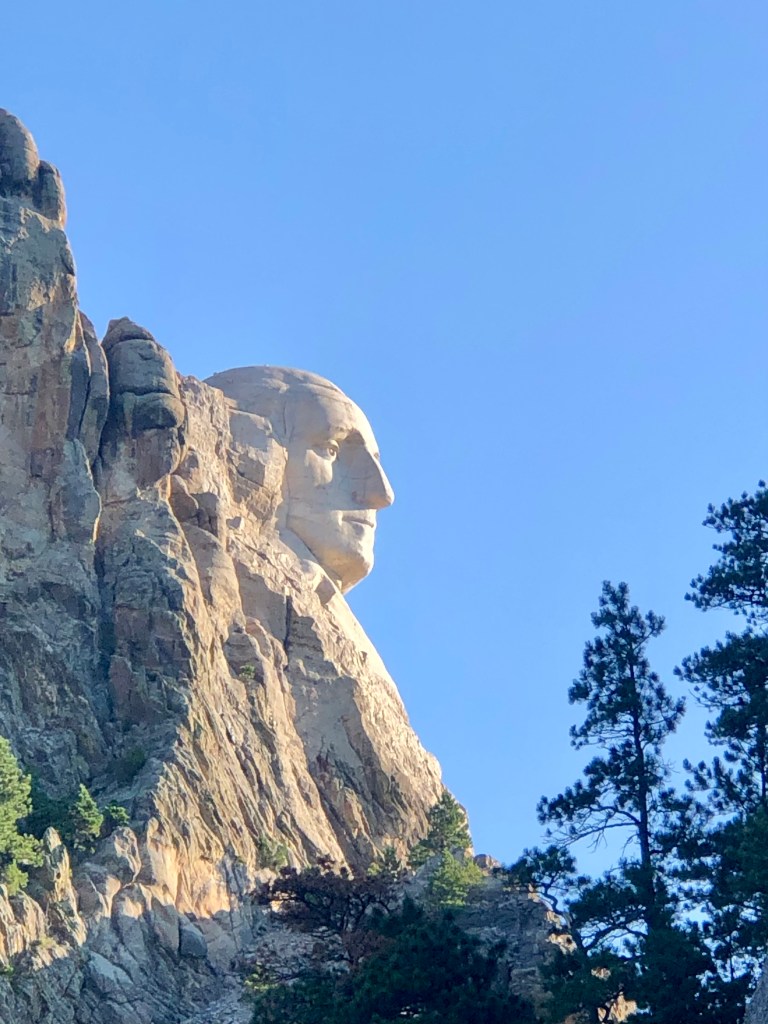
George Washington, Mount Rushmore

On Saturday, the United States of America will celebrate 250 years of independence. In a slightly ironic twist, I will be attending an ordination that weekend in… Great Britain. (Scotland, to be precise.) Don’t worry: I’m not going Loyalist, and, if anyone asks, my opposition to taxation without representation remains undimmed. It is, nonetheless, an occasion worth celebrating.

Declaring independence was a bold gamble for the colonists, with no guarantee of success; winning that independence was a work of tenacity and perseverance. Founding institutions that would produce two and a half centuries of stable and broadly just governance in the uncertain years that that followed independence is perhaps an even more remarkable achievement.

We Americans are fortunate to have a Constitution designed to keep the ship of state afloat even when unwholesome individuals wield the levers of power, but that first generation of Americans didn’t have that luxury. In those first years of American independence, without the stability of established republican precedents or even a firm national identity, things could easily have gone wrong. The murderous course of the French Revolution a few years later is a reminder of how badly can one can go even when shouting “Liberty!”

As I’ve argued before, Americans owe a lot to George Washington, who provided leadership that was remarkable, above all, for its integrity. Washington was no military genius but where he stood above the other figures of his age–what made him the greatest man of his century–was his character. As a general, he stayed steady even in defeat. His leadership was marked by patience, courage, and steady resolve. He learned how to hold his emotions–his temper was volcanic–in check. He put his country before personal ambitions, not just in word, but in deed as well. He showed a scrupulous respect for the rule of law; as commander-in-chief of the Continental Army, he always deferred to the Continental Congress, even when tactically inconvenient. And, of course, he relinquished power, resigning his command at the end of the War of Independence and retiring to Mount Vernon after two presidential terms.

Continue reading “George Washington and the Jesuits”