At the beginning of the summer, I posted about three short trips I took in Europe during the first half of the year that left me encouraged about ways in which the Church here is experiencing renewal. I spent a summer in the USA filled with pastoral activity and reconnecting with friends, so I thought it only fair to point out the many encouraging moments I had in the States as well. With quite a bit of international experience, I have to say that it is striking how much the American Church has going for it — energy and pastoral creativity, lots of committed and generous lay people, big families, sincere seminarians, and a sense of discipleship adapted to the religious pluralism of post-modernity.
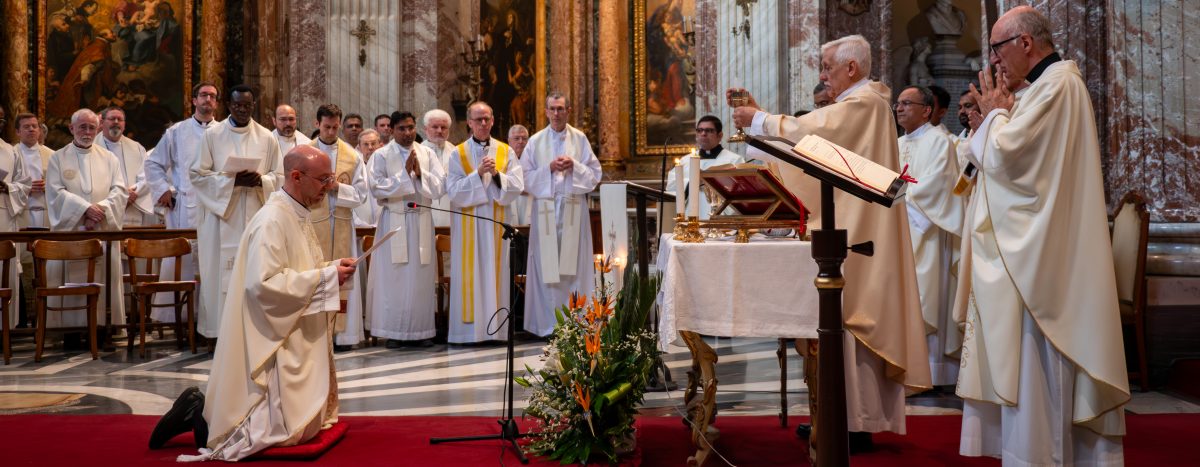
I spent a good part of the summer giving retreats, first an 8-day retreat for Jesuits centered on the liturgy. It’s particularly humbling to lead a retreat for my Jesuit brothers, and I’m grateful to all the guys who were on it. Reviews were good, and I’ve already had sign-ups for next year’s retreat (June 30-July 8).
I also preached back-to-back weekend retreat at Cloisters on the Platte outside of Omaha; the days in between gave me time to enjoy the beautiful retreat center grounds in a way I never had time to before. Plus, I got to catch up with friends and an aunt and uncle in Omaha. The conversations one has on those retreats are always moving and inspiring. It’s wonderful to see people putting away their devices for a few days and turning the time over to God…
I made it back to South Dakota, where I was delighted to see that the trees I’ve planted at St. Isaac Jogues parish over the past couple of years are all alive and flourishing — the apple trees already had apples and the oaks had acorns. More digging and planting are planned for next year.
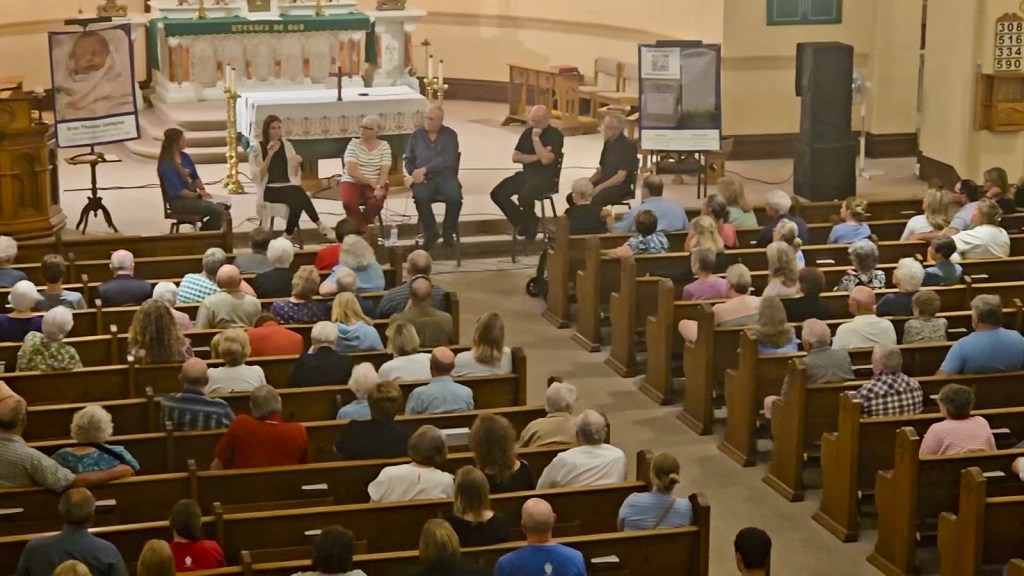
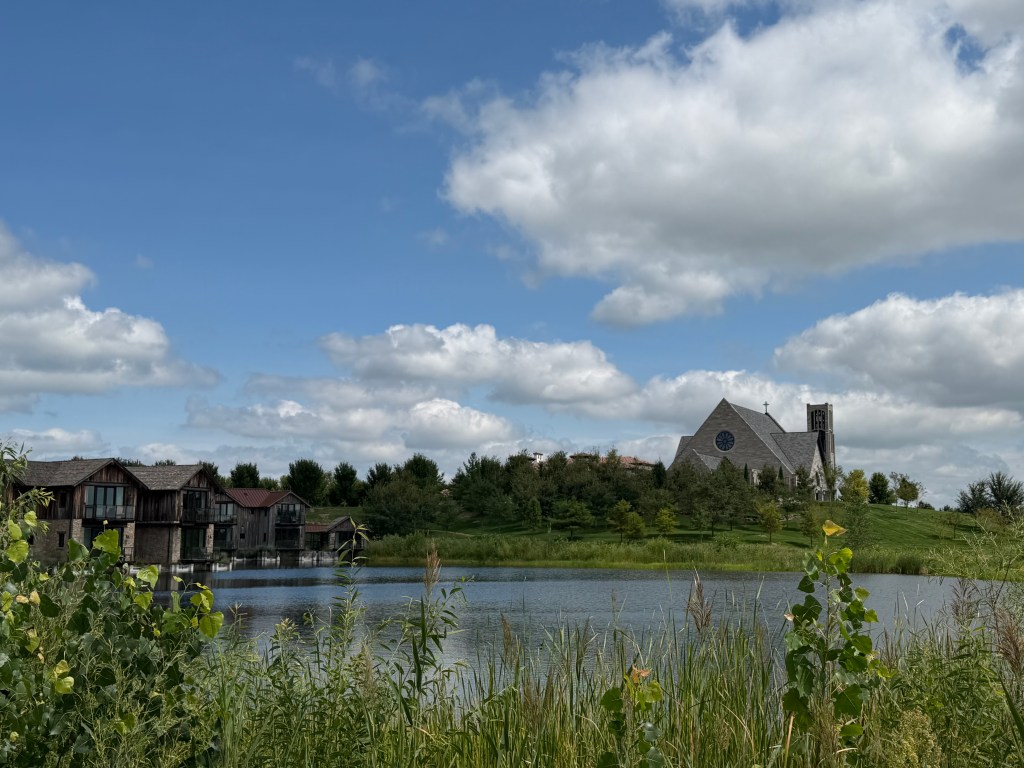
One of the summer’s most exciting events for me turned out to be a panel discussion sponsored by the tremendous Theology on Tap team at St. Wilfrid’s Church in Woonsocket, South Dakota. Woonsocket is, let’s just say, a long drive from wherever you are, so I was expecting a handful of people. Instead, 200 turned out. Woonsocket is a lovely small town, and St. Wilfrid’s overlooks an idyllic little lake. The town is said to produce the best melon in the country — and it didn’t disappoint. The panel’s theme centered on the story of Baby Brian, baptism of desire, and infant loss. Serious stuff, and I was really impressed to see so many people turn out, stick around to chat afterwards, and show such a strong desire to dive deeper into their faith on complicted issues.