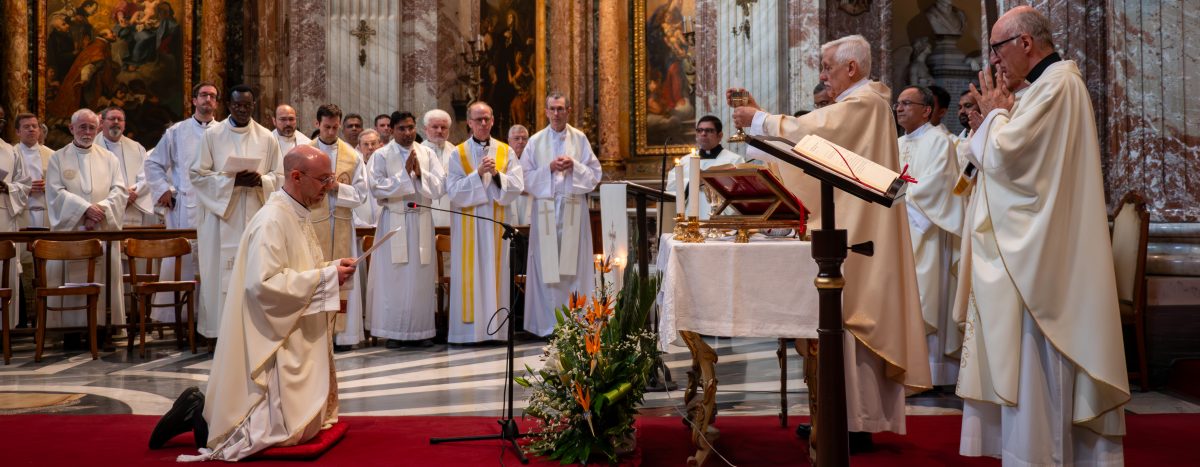
Of all the corporal works of mercy, the one which is perhaps easiest to forget is the last, burying the dead. Yet, both Christians and Jews have counted giving the dead a decent burial among the most laudable of charitable acts. The plot of the Book of Tobit–one of the Old Testament’s forgotten gems–revolves around the protagonist’s stubborn determination to see that his exiled countrymen receive a proper burial. Joseph of Arimathea is named in all four Gospels for the decency he showed the Lord’s body even after it seemed that all was lost. In the rabbinic tradition, burying the dead is considered especially praiseworthy because the dead have no ability to repay the favor.
Burying the dead shows a concern with human dignity–in contrast to a merely utilitarian concern with maximizing pleasure and avoiding pain–and I think that sense of dignity spills over into how we think about the living. We are both body and soul and to treat the body as something insignificant is to fail to appreciate the precious gift of being human. For Christians, showing the body reverence reflects the belief that our bodies become consecrated objects in baptism and confirmation and, as St. Paul says (1 Cor 6:19), temples of the Holy Spirit.
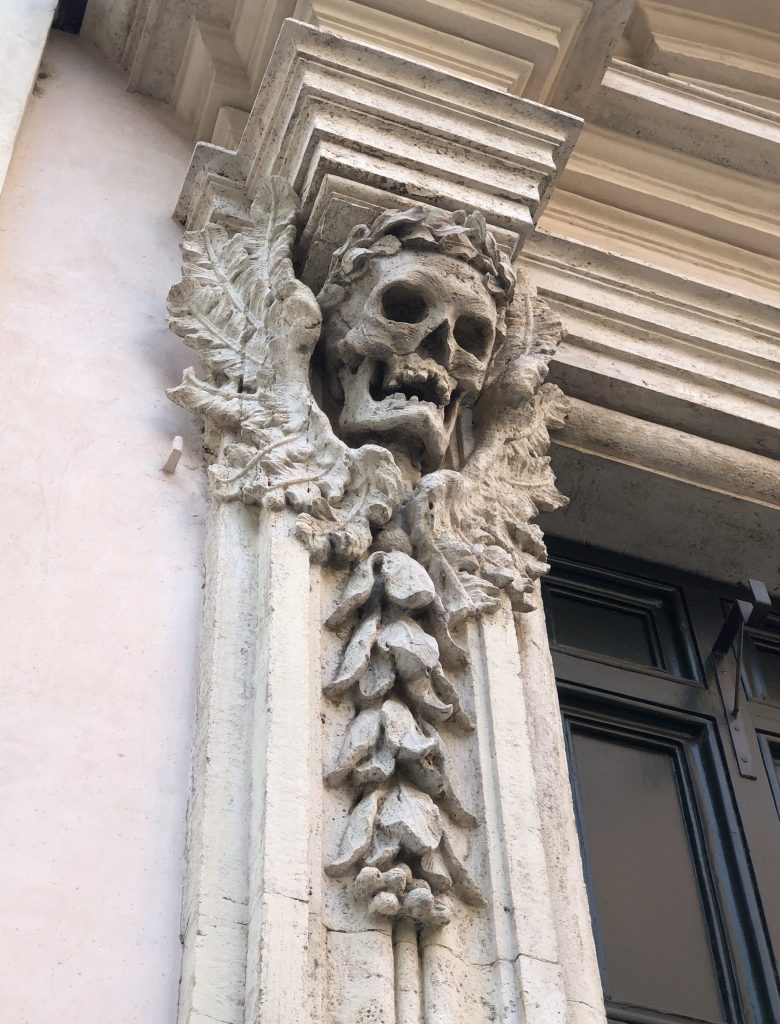
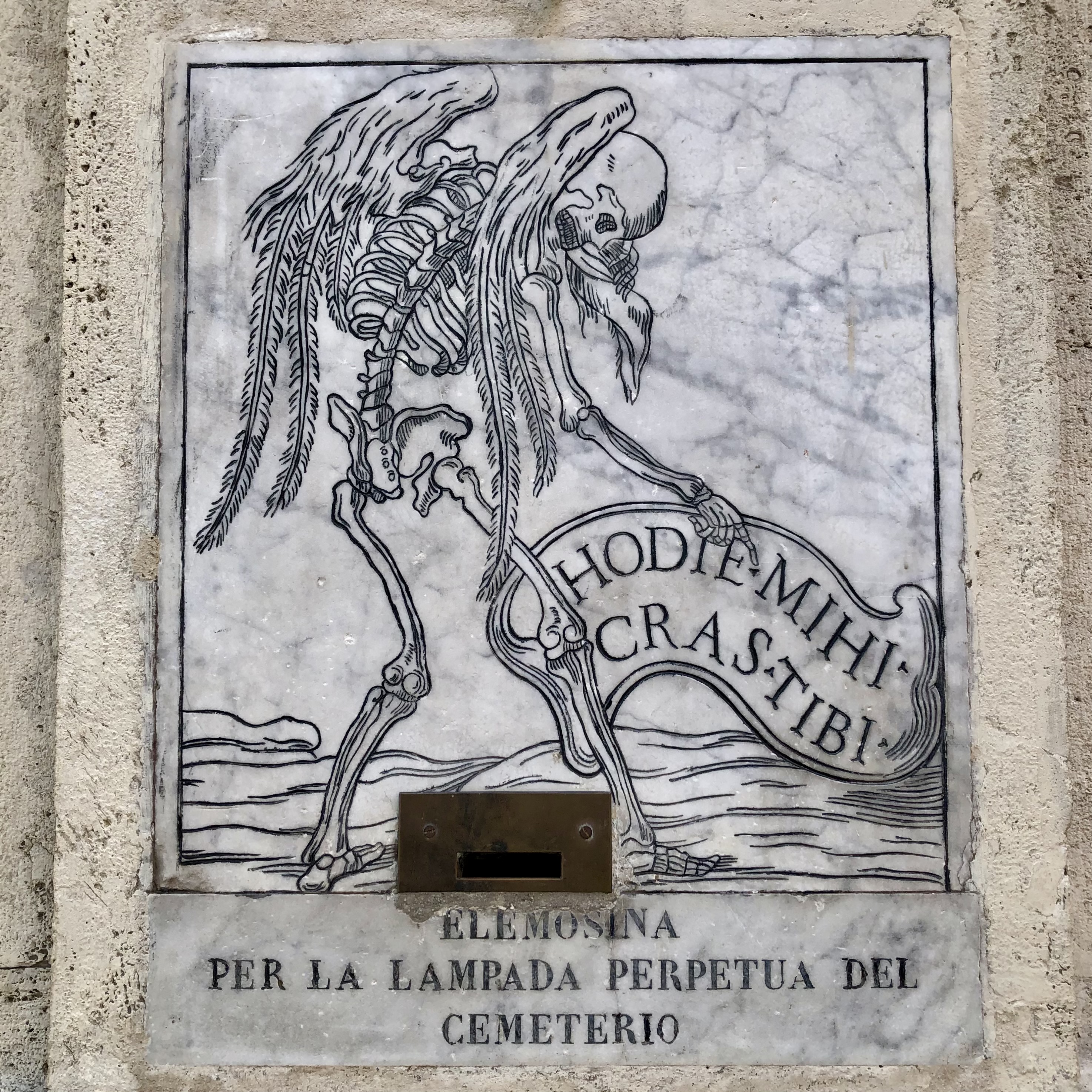
All of these reflections–on All Souls Day–are to introduce what might otherwise seem one of Rome’s strangest churches, the Church of Santa Maria dell’Orazione e Morte (St. Mary of Prayer and Death) located on the Via Giulia. It’s not one of the city’s better known churches and for many years was closed for restoration, but the skulls on its facade make it hard to forget.
Those skulls aren’t meant to creep you out; they are indications of the church’s purpose. (Sometimes when I point them out to visitors, I admit, I might be trying to creep them out just a little.) The church, begun in 1575, was an initiative of the Confraternity of St. Mary of Prayer and Death, a lay organization founded fifteen years before with the mission of giving a decent burial to the indigent and those who died anonymously. In those days, as today, Rome was a city full of pilgrims and travelers, but travel was a much more arduous enterprise than it is today. Not a few pilgrims arrived in Rome sick from the journey and died far from everyone they knew. The confraternity, and others like it dedicated to the protection and care of pilgrims, aimed to give such unfortunates the dignity of a Christian burial and to pray for those who had no one else to pray for them. The victims of violent crime also often had no one to mourn them after their passing.
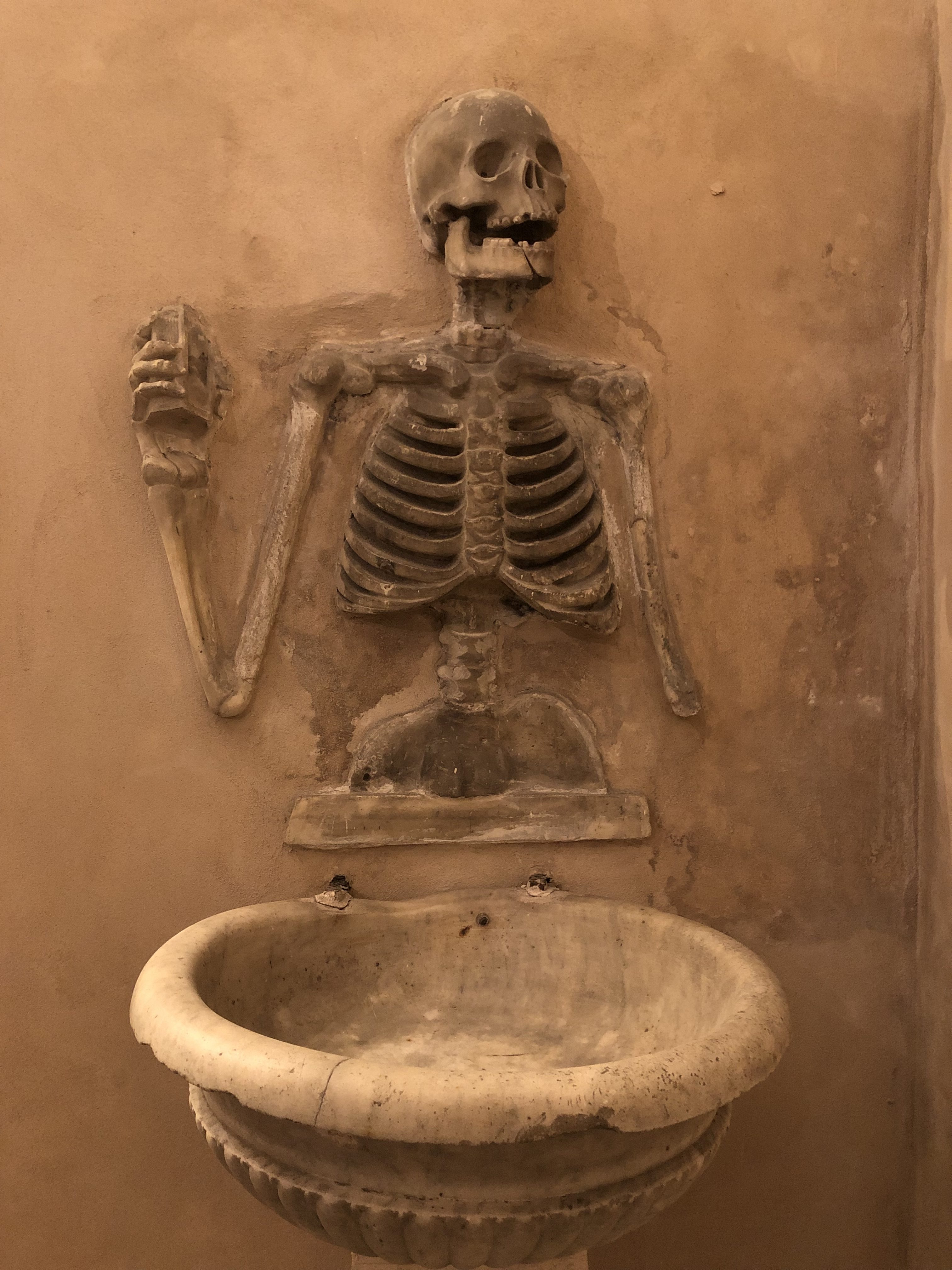
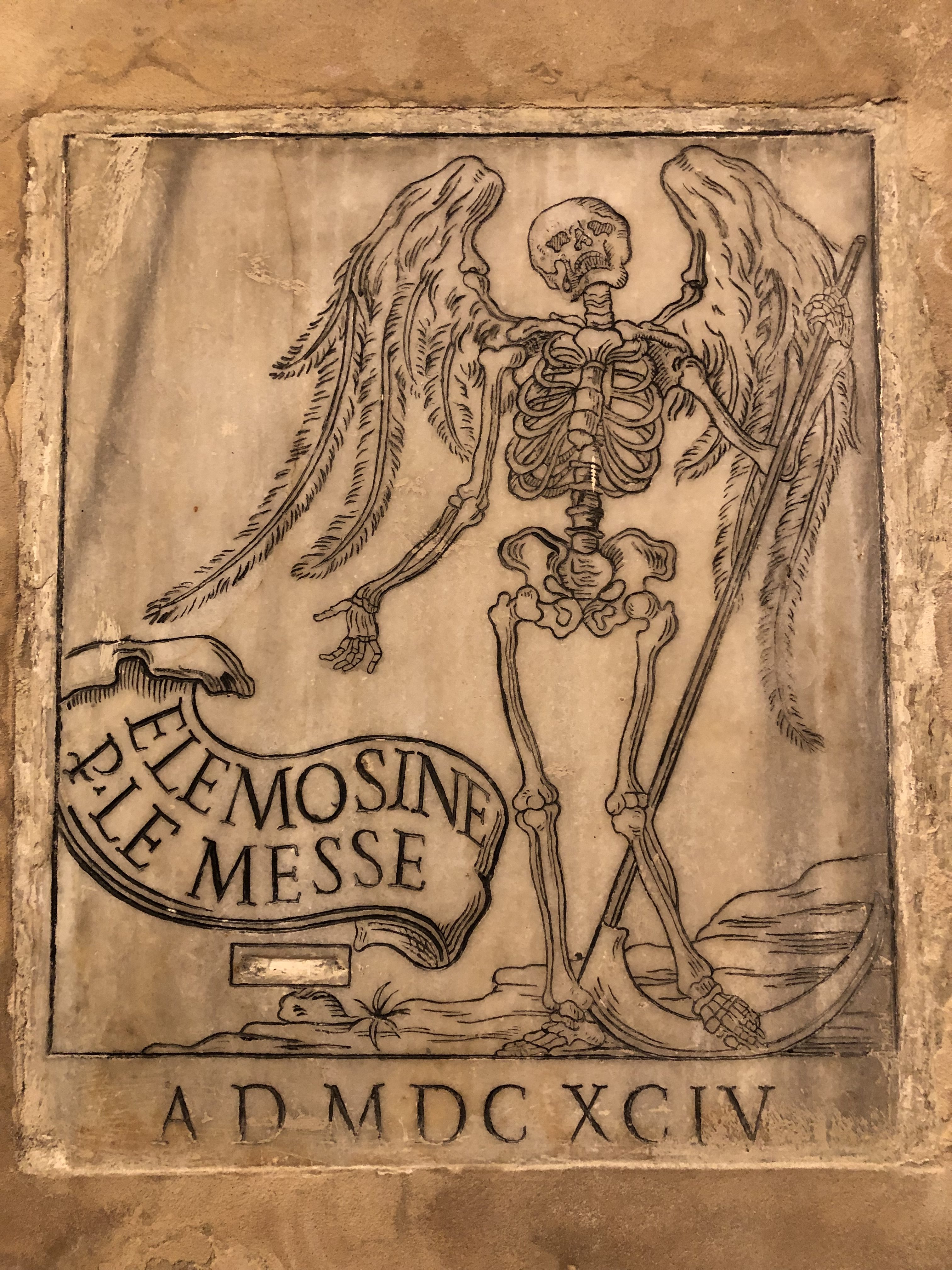
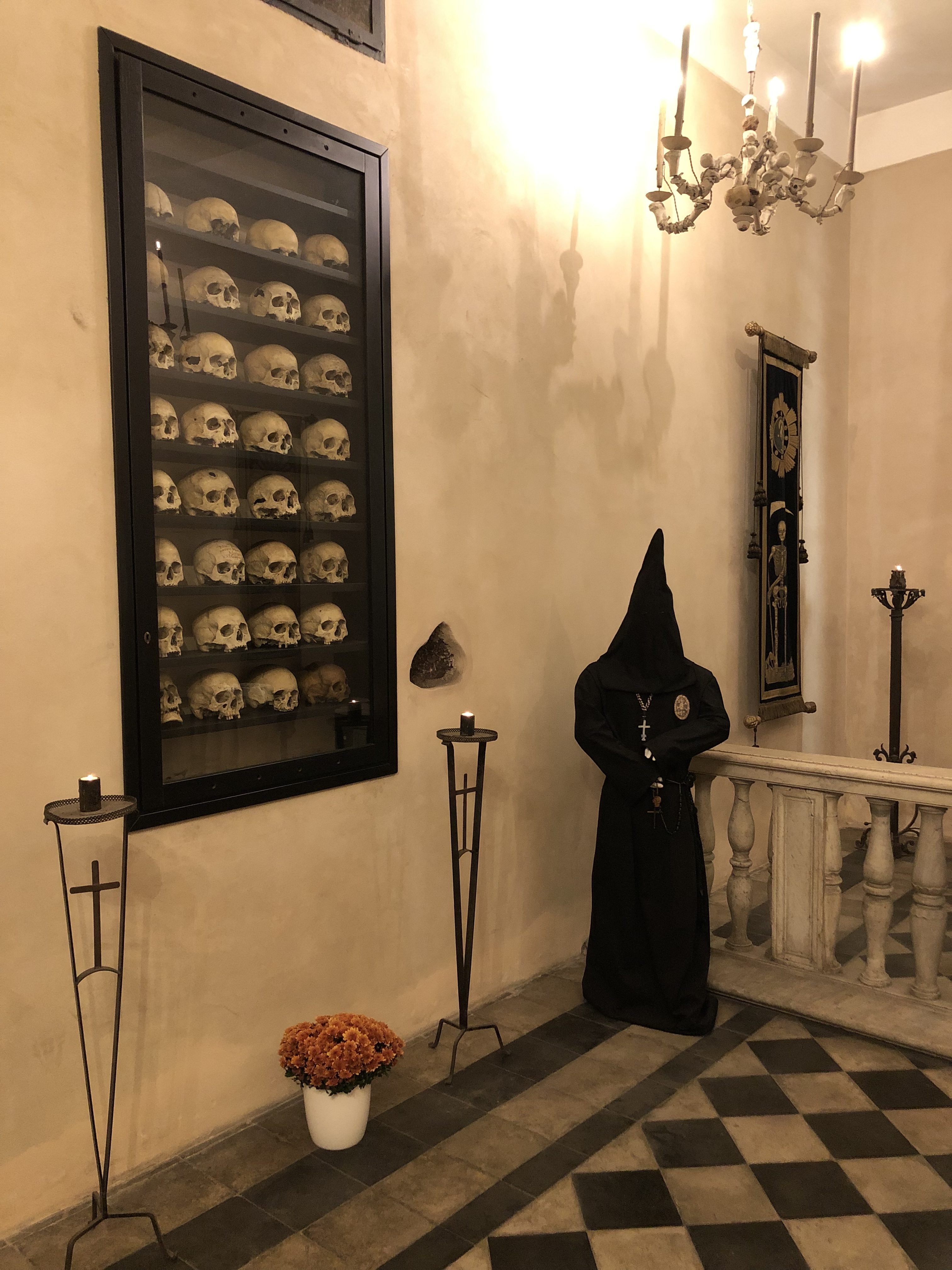
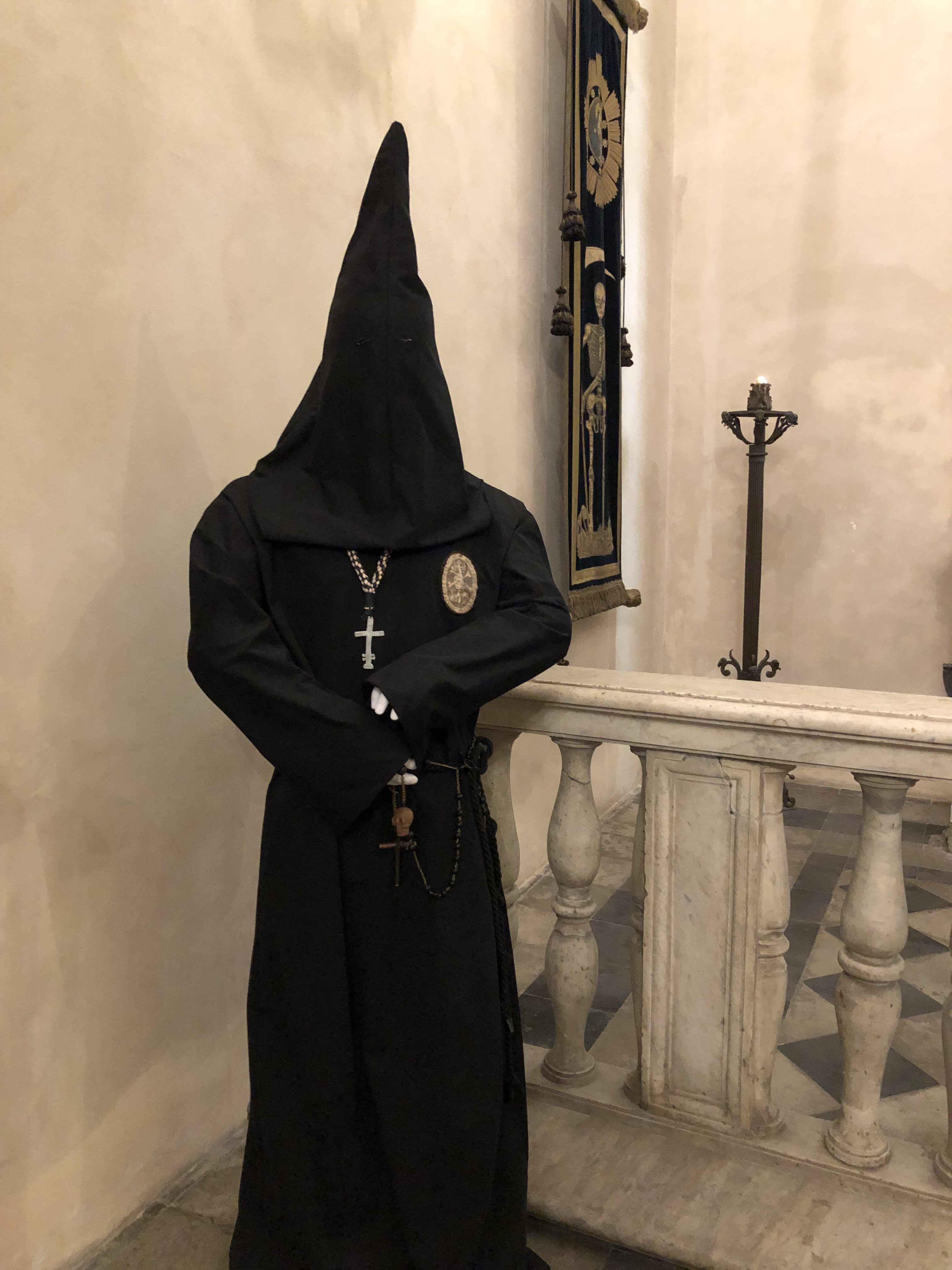
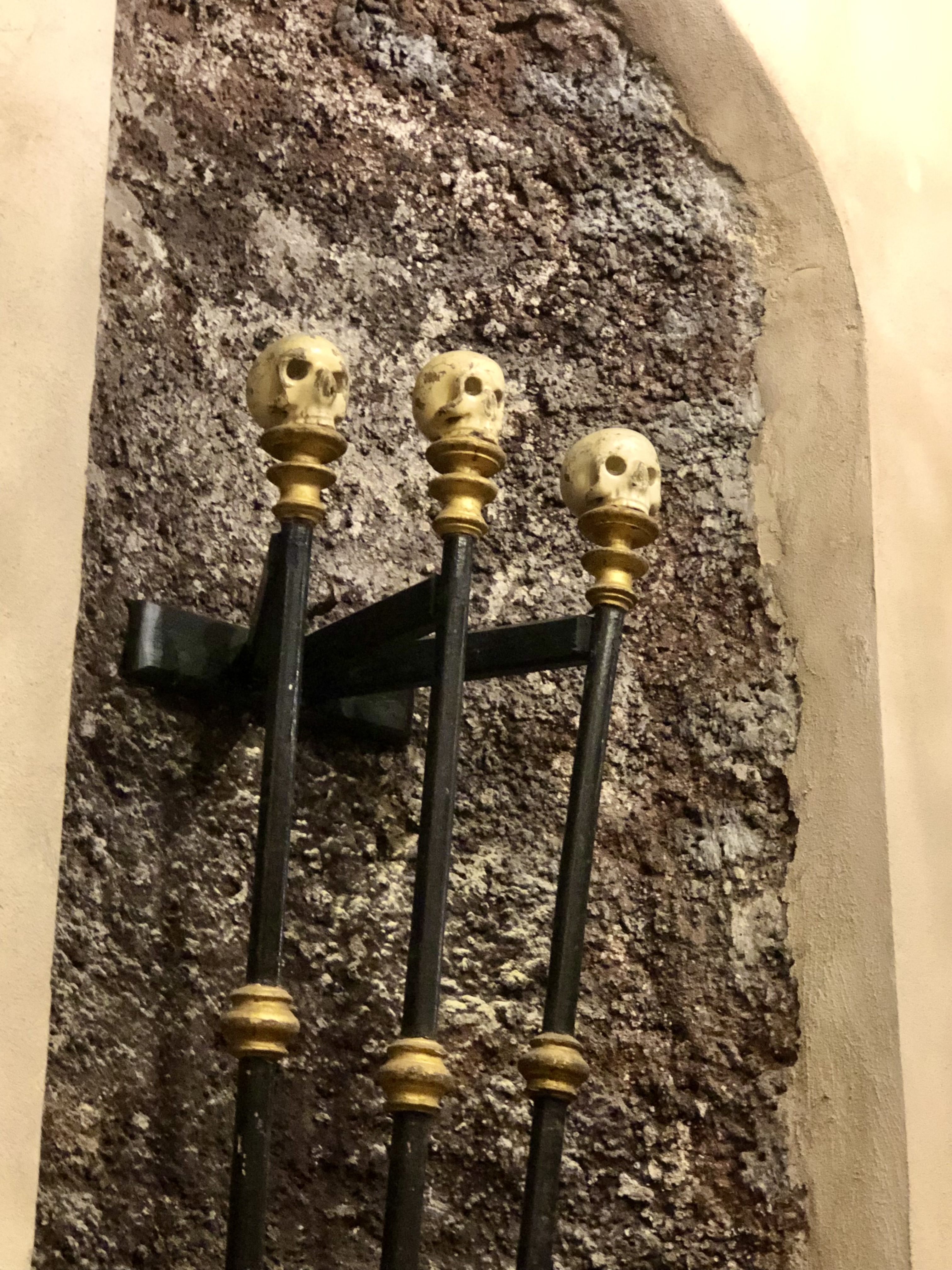
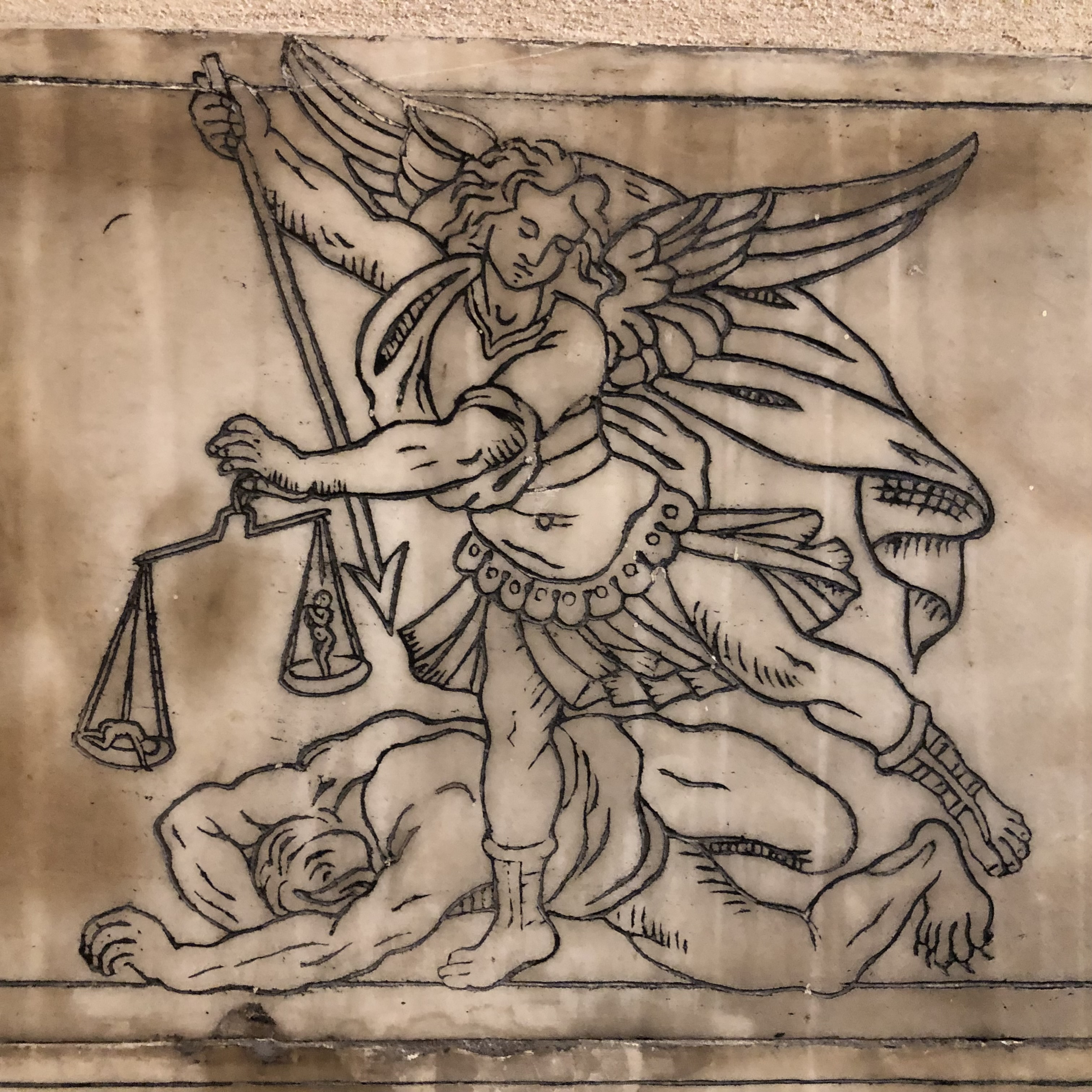
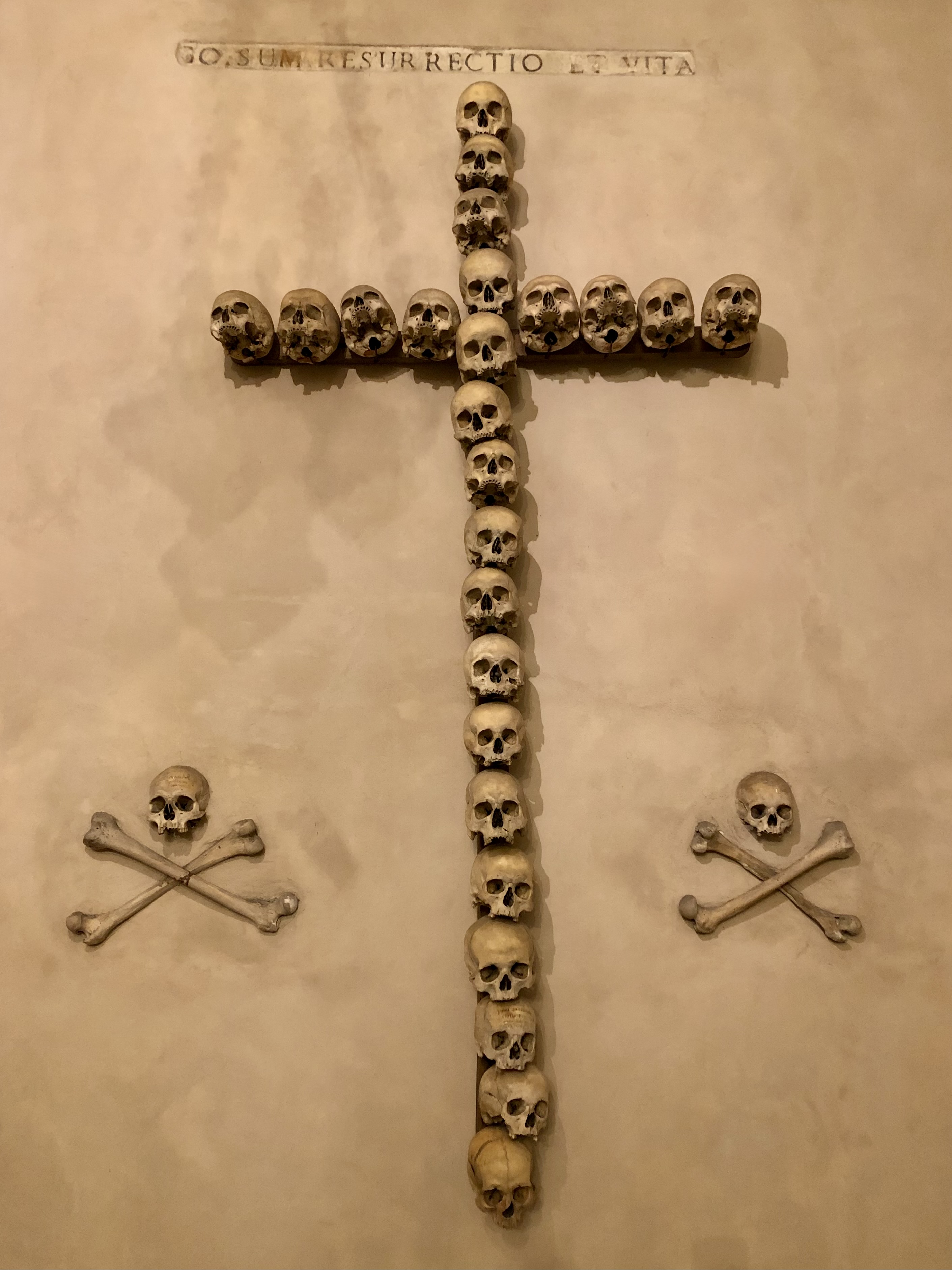
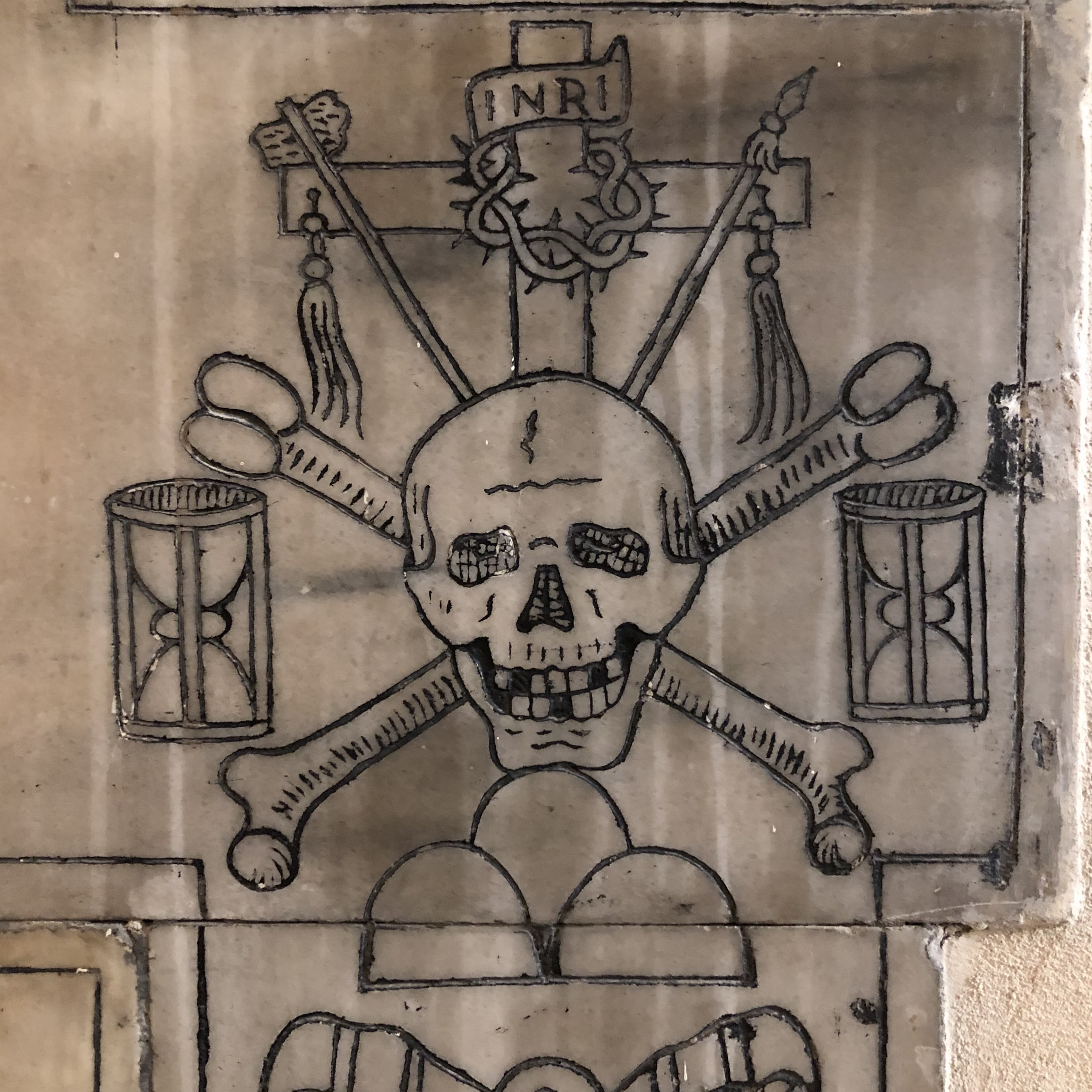
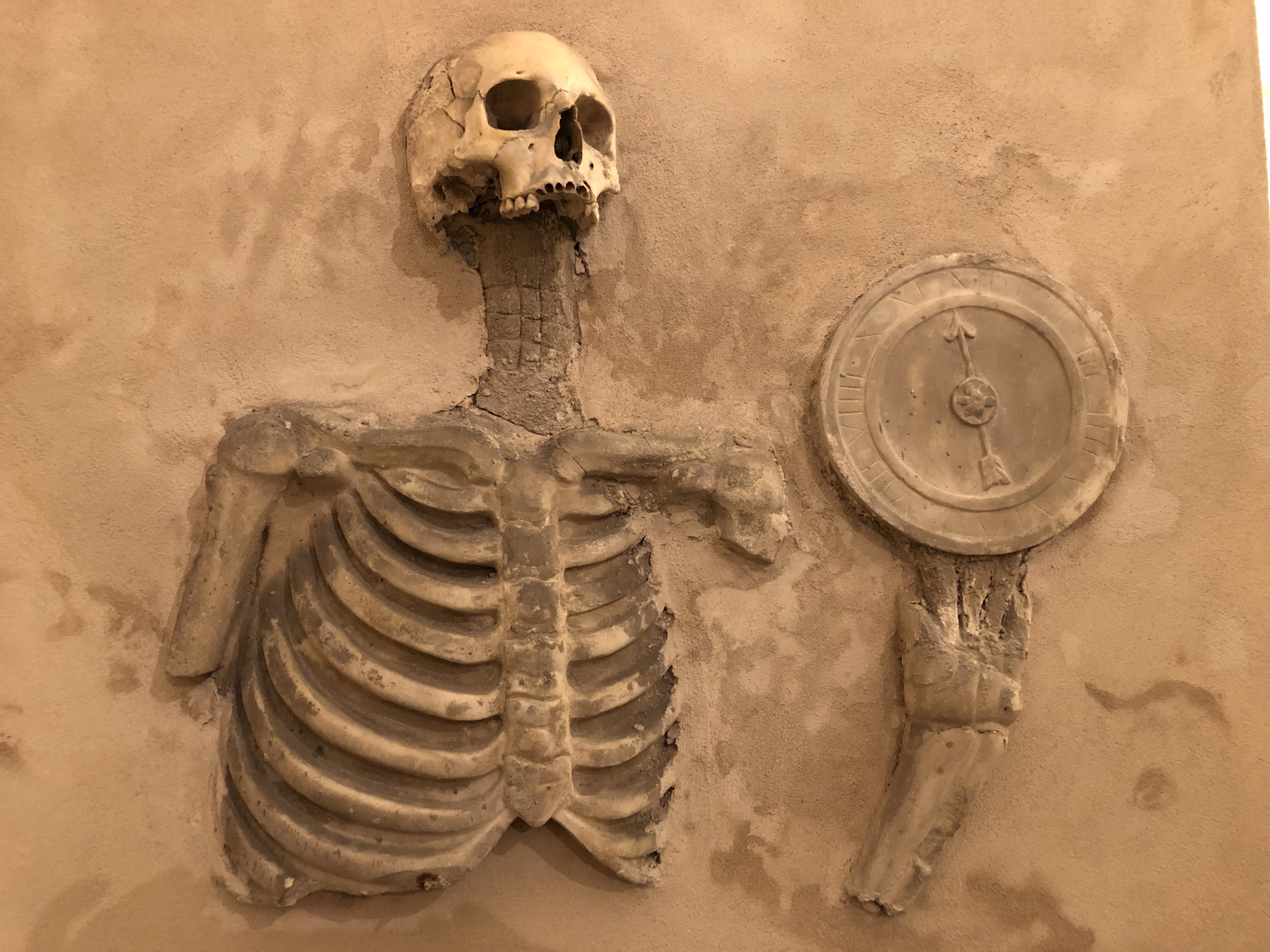
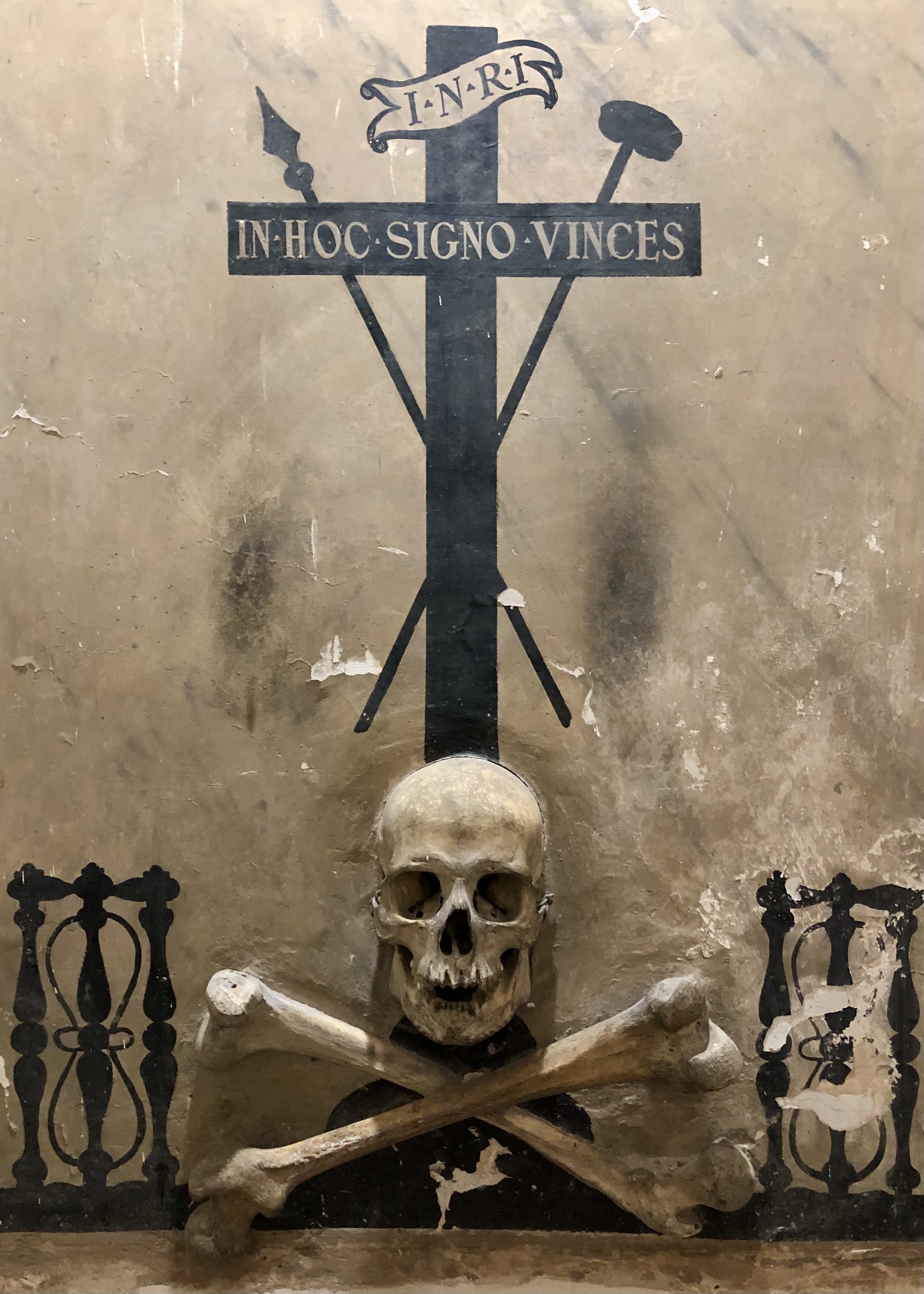
Today the most noteworthy part of the church is the crypt, with numerous motifs reminding one of death, judgment, and the victory over death won by the cross of Christ. Its decorative style is, shall we say, perhaps not what you’d want in your living room. Many of the bones which were buried there in previous centuries were transferred to Rome’s largest cemetery, Campo Verano, in the 19th century, but it remains a somber and prayerful place which still recalls its original purpose: as a place of burial for the unknown dead.
While some might find such a place macabre, I think it rather noble. We can ignore death and try to keep it out of public view, but that doesn’t make it any less real or inevitable. And a place like Santa Maria dell’Orazione e Morte is a reminder that Christ’s work of mercy extends even to those the world has forgotten.
Support this blog by subscribing:


