Reflections on Antoni Gaudí and the meaning of the Sagrada Familia

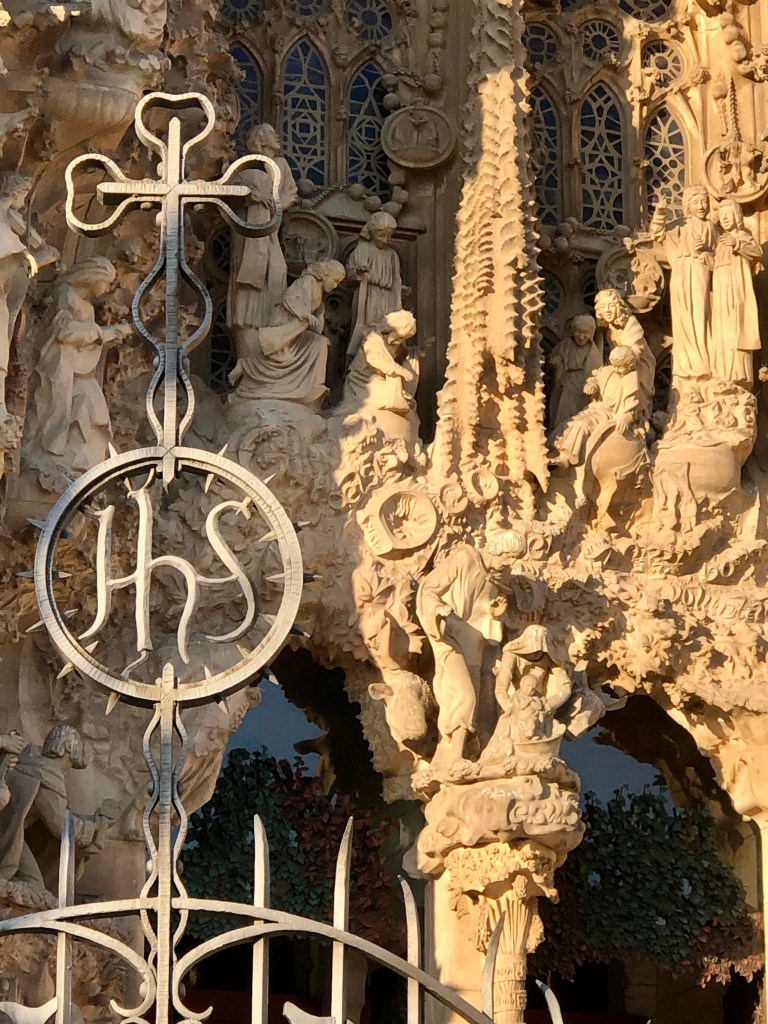
A few weeks ago I alluded to a somewhat unexpected trip I made to Barcelona before Easter and put up a few pictures of the Sagrada Familia (here and here) and Casa Batlló, two of the most iconic works of the architect Antoni Gaudí. This year happens to be the 100th anniversary of Gaudí’s death, which will coincide with the visit of Pope Leo XIV to Spain. The aim of the trip was to write a reflection on the meaning of Gaudí’s great work for America magazine. The article is now out here, and I have to say it is one of my favorite pieces — no doubt because the subject is so beautiful and fascinating.

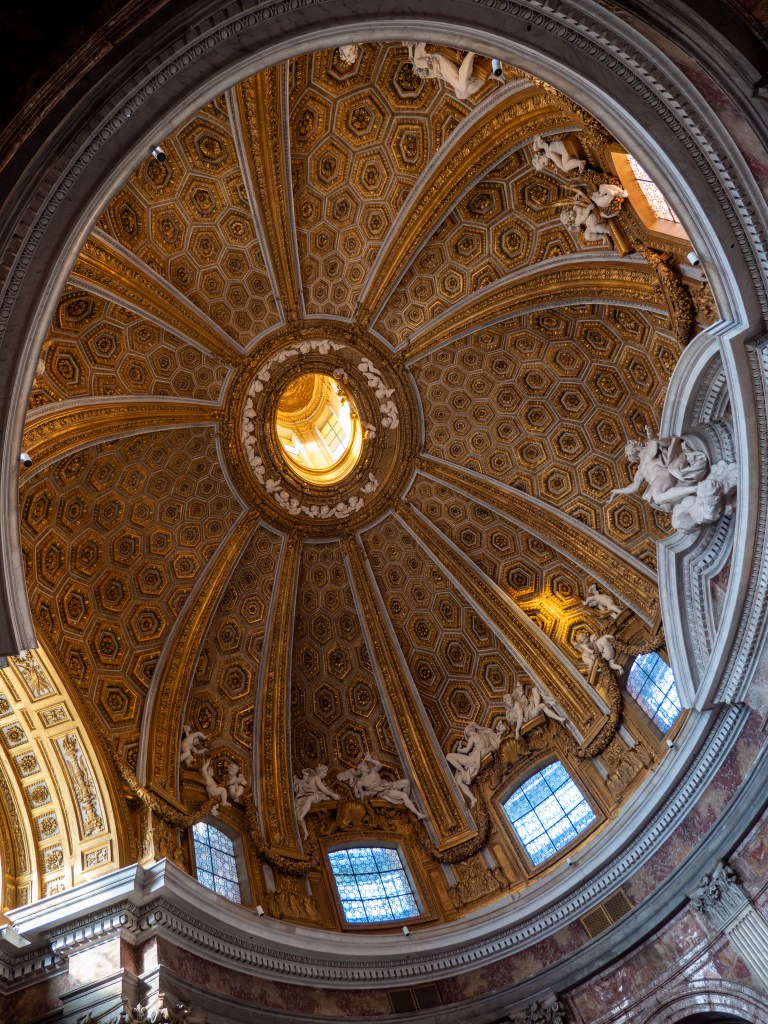
For good measure, I thought I’d share a few more photos for your reflection and enjoyment:

Continue reading “Reflections on Antoni Gaudí and the meaning of the Sagrada Familia”

Final Jesuit Vows

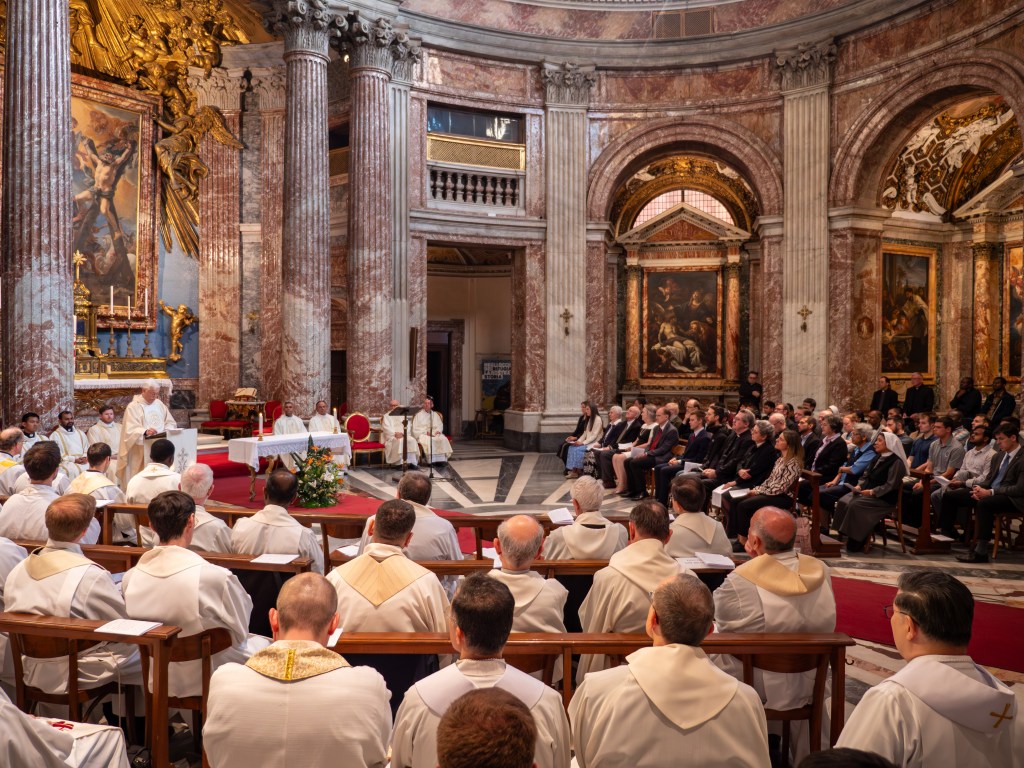
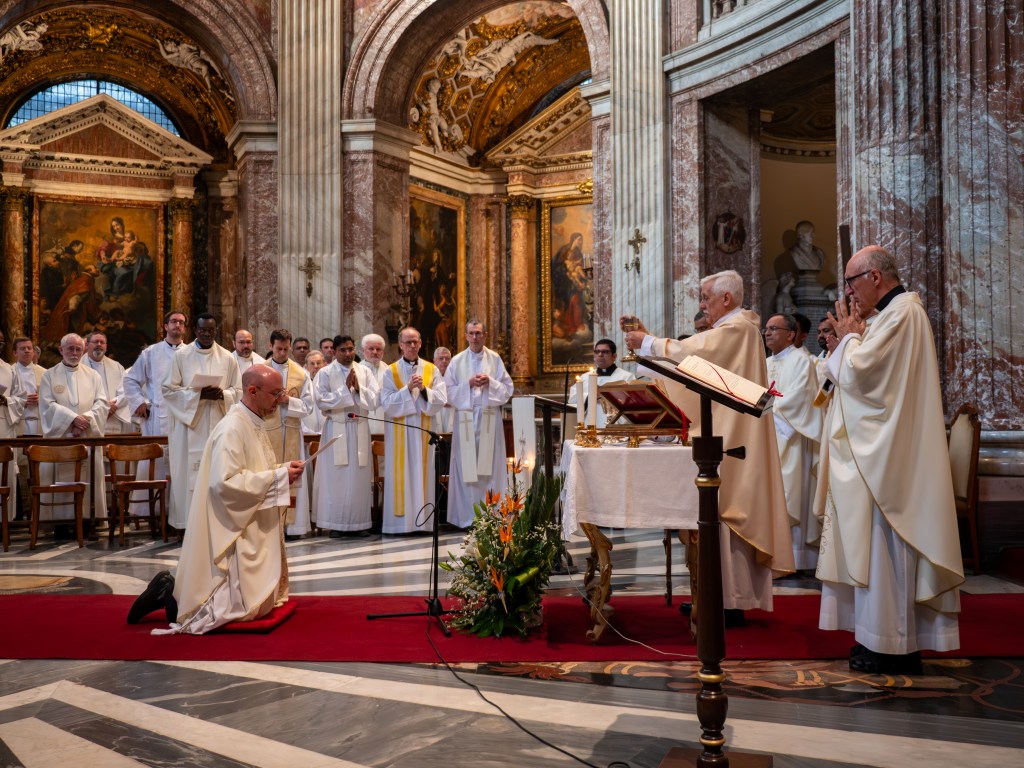
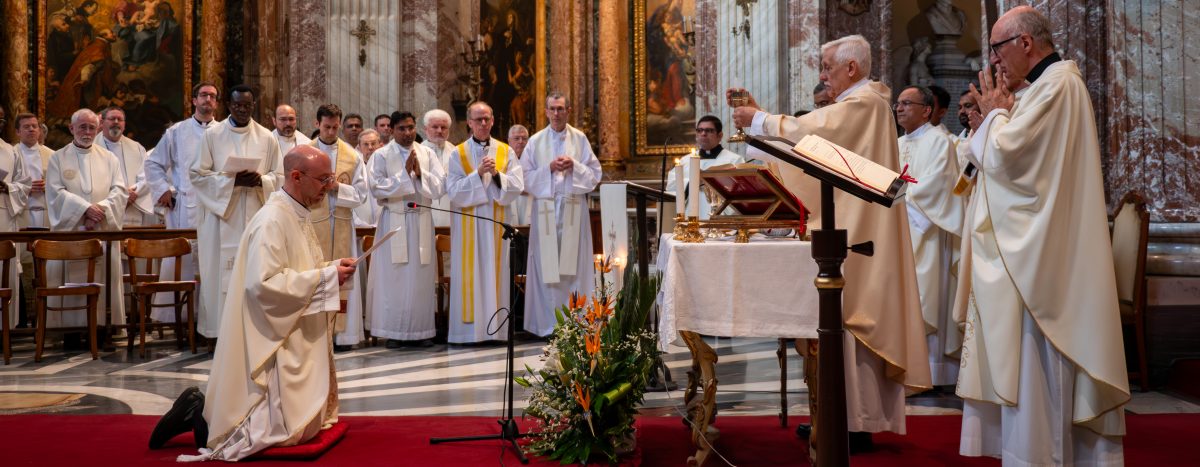
On April 27, the feast of St. Peter Canisius on the Jesuit liturgical calendar, I professed my final vows as a Jesuit. I had taken my first vows 18 years before at the end of my novitiate in St. Paul, Minnesota.

Jesuit vows are unique in several ways.

For Jesuit priests, final vows come after ordination and after we have had an opportunity to do “tertianship,” which is a bit like an abbreviated second novitiate. We take a period of time away to review the fundamentals of what it means to be a Jesuit and to do the 30-day Spiritual Exercises a second time. (I did mine in 2023 in Australia.)

The first Jesuit vows that we take at the end of novitiate are simple but perpetual. In fact, they are really a promise to enter fully into the Society of Jesus (to take final vows) when the Society decides it is ready. Some have described the process as you vowing to enter the Society at first vows, and the Society accepting your offer at final vows. In addition to the vows of poverty, chastity, and obedience, the Jesuit vow formula contains a promise to show “special care for the instruction of children.” (If my students are reading, that’s you!) For many Jesuits, a vow of “special obedience to the sovereign pontiff in regard to the missions” is added. This implies an availability to carry out any mission that might be needed for the good of the Church. Pope Leo could order me to cheer for the White Sox if he wanted.

Continue reading “Final Jesuit Vows”

Jesus, Christians, and the law of Moses

Homily for Wednesday of the Fifth Week of Easter.

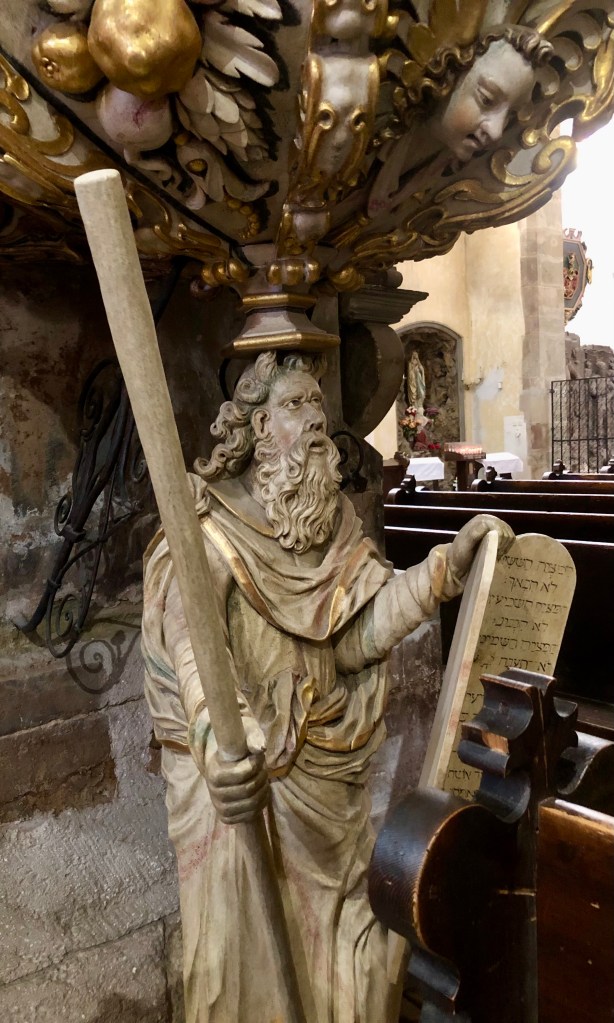
Moses, Basilica of St. James, Levoča, Slovakia

Today, in the Acts of the Apostles, we read about one of the first developments in the most significant controversy in the life of the early Church: the question of whether Christians of non-Jewish origin should be required to observe the Mosaic Law, particularly circumcision.

We know that, in the end, the Church recognized that all Christians are bound to observe the moral law, but not the ritual precepts that were intended to preserve the distinct identity of the Jewish people. Through his perfect and definitive sacrifice on Calvary, Jesus inaugurated a new worship, in which we participate today, and to which all peoples are called to join.

This controversy, resolved centuries ago, might seem of little relevance to us today, but it is not. It is important to remember this historical event because it teaches us at least two fundamental things. First of all, the Christian mission is universal, directed toward every human being. As St. Peter says after Pentecost: “There is no salvation in anyone else; for there is no other name under heaven given to men by which we are to be saved.”

Continue reading “Jesus, Christians, and the law of Moses”