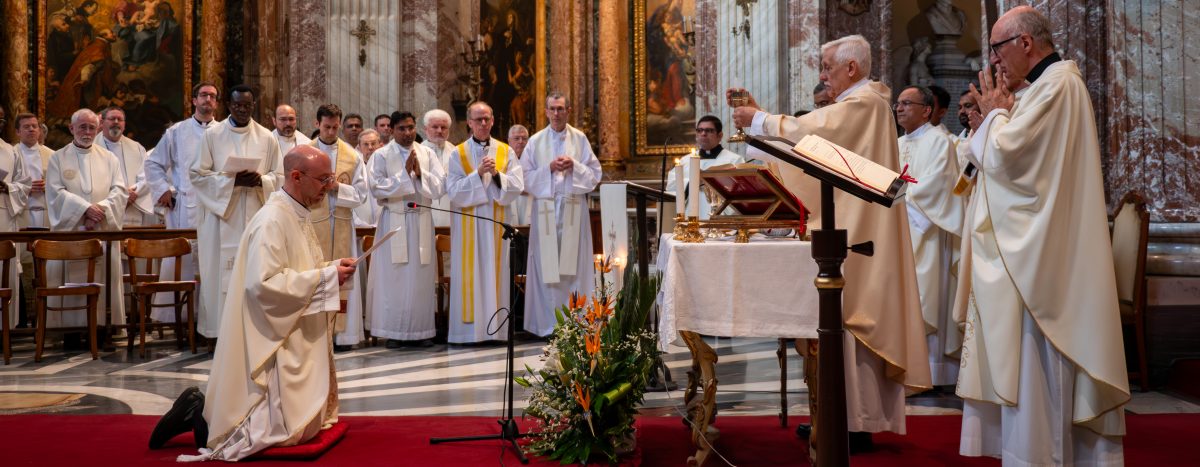
Homily for Wednesday of the Fifth Week of Easter.
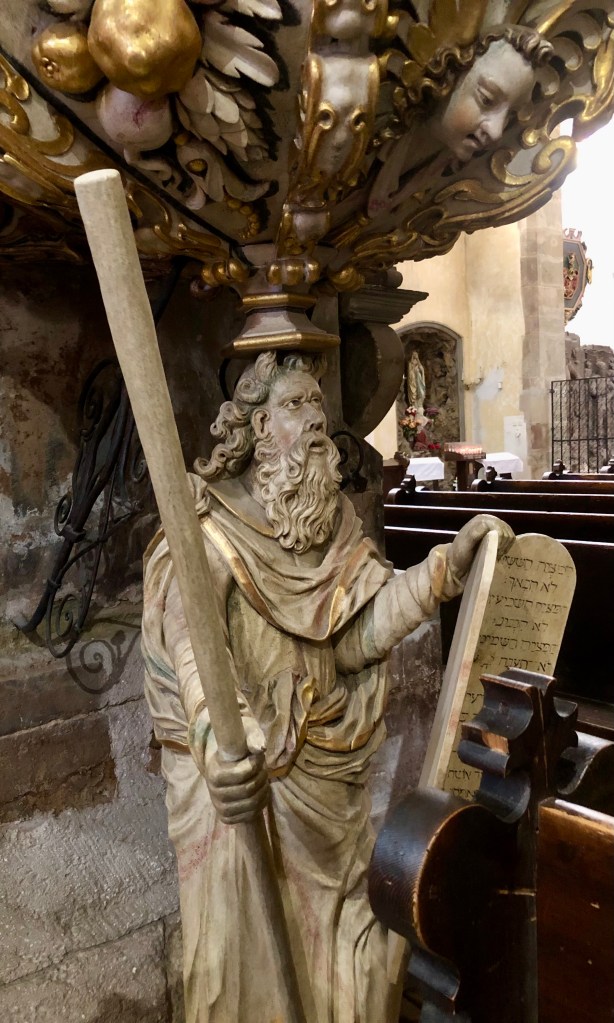
Today, in the Acts of the Apostles, we read about one of the first developments in the most significant controversy in the life of the early Church: the question of whether Christians of non-Jewish origin should be required to observe the Mosaic Law, particularly circumcision.
We know that, in the end, the Church recognized that all Christians are bound to observe the moral law, but not the ritual precepts that were intended to preserve the distinct identity of the Jewish people. Through his perfect and definitive sacrifice on Calvary, Jesus inaugurated a new worship, in which we participate today, and to which all peoples are called to join.
This controversy, resolved centuries ago, might seem of little relevance to us today, but it is not. It is important to remember this historical event because it teaches us at least two fundamental things. First of all, the Christian mission is universal, directed toward every human being. As St. Peter says after Pentecost: “There is no salvation in anyone else; for there is no other name under heaven given to men by which we are to be saved.”
And it is precisely the centrality of Christ that is the second truth we must draw from this story. As the Gospel affirms, Jesus is the true vine.
Christianity is not a sect of Judaism, a branch of the religion of Moses. On the contrary, the law of Moses was merely a preparation for the full divine revelation in Jesus Christ. Jesus does not offer a variation of a more fundamental religion: Jesus is the source, the origin of all truth. All other beliefs, practices, and images found in the religious history of mankind have value only to the extent that they lead us to Christ.
Jesus is the vine, and the Father of all is glorified by the fruit borne by those who remain in Him.
Readings: Acts 15:1-6, John 15:1-8
(Original: Italian)
Gregorian University Chapel, Rome
2025


