April 23 is the feast day of St. George, a saint whose popularity — as well as just about everything we know about him — is legendary. The saint hailed from the Christian east — possibly from Cappadocia in present-day Turkey — but seems to have been martyred in the late third century in what is today Israel. George was a soldier who converted to Christianity. He was put to death after refusing to sacrifice to Rome’s pagan gods and undergoing excruciating tortures.
This defiant courage when standing up to a more powerful foe is perhaps what has made the figure of St. George resonate with so many throughout history. Perhaps it also contributed to the legendary stories of St. George slaying a dragon who was oppressing a Christian population. The saint is particularly popular among Arab Christians, who have long lived under the yoke of Muslim rule, and across the eastern Mediterranean — in Greece and Malta, for example, communities menaced for centuries by invasion from various Islamic empires pushing westward.
St. George, in fact, has found popularity wherever an underdog has felt the need for a champion. He is the patron, along with St. Sebastian, of one of Rome’s station churches. This year when I traveled to Barcelona (which I mentioned here and here), I learned that George is the patron of that city as well. The legend of St. George fits, in an unexpected way, into one of the city’s best known architectural monuments, Antoni Gaudí’s Casa Batlló.
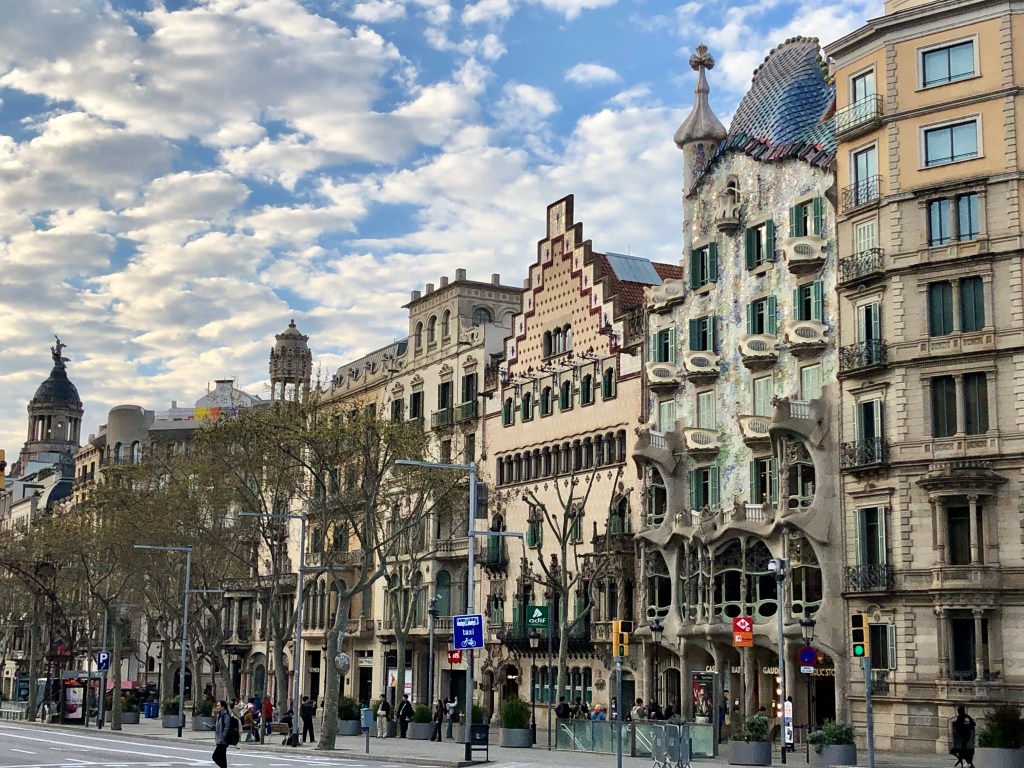
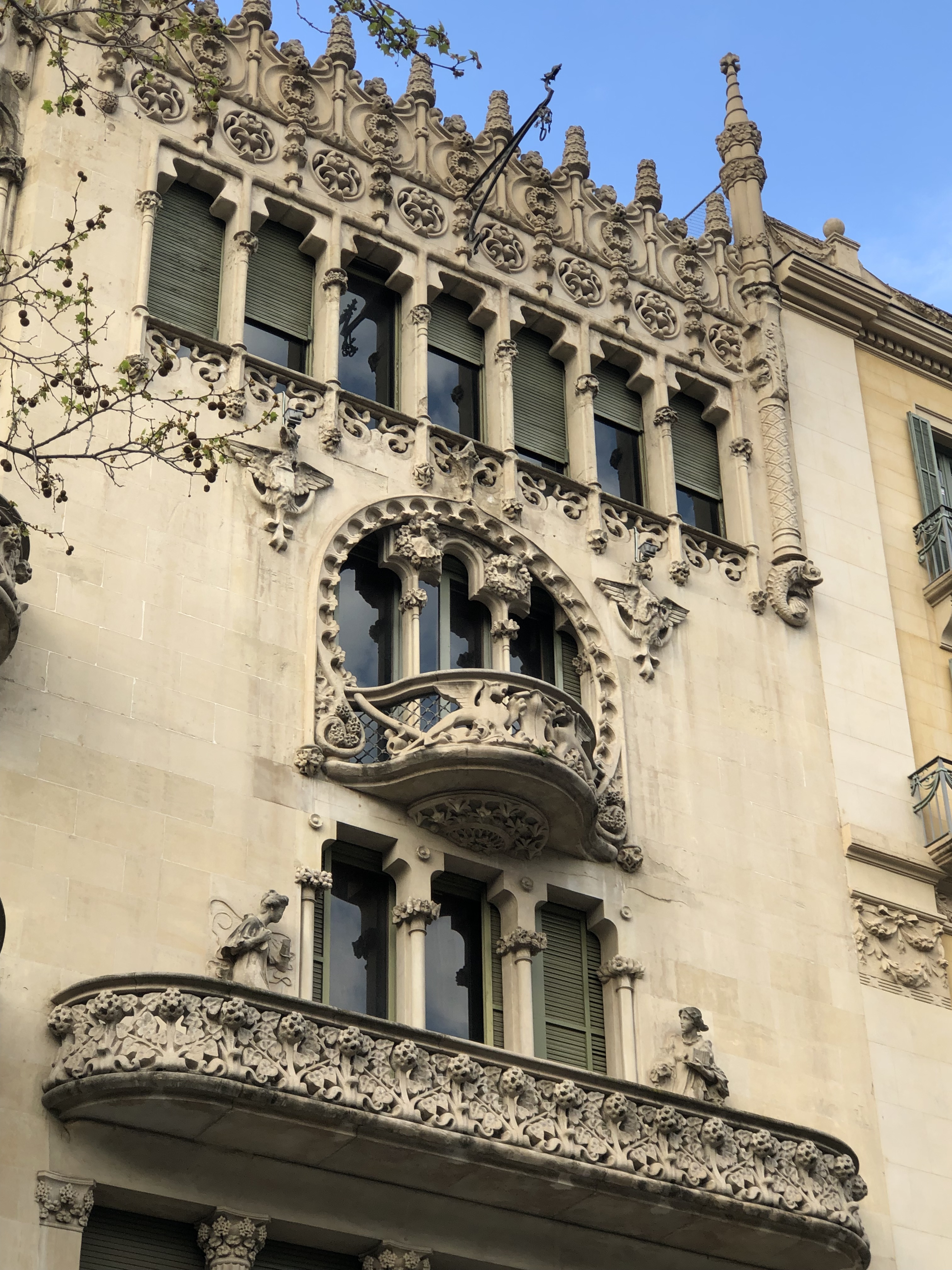
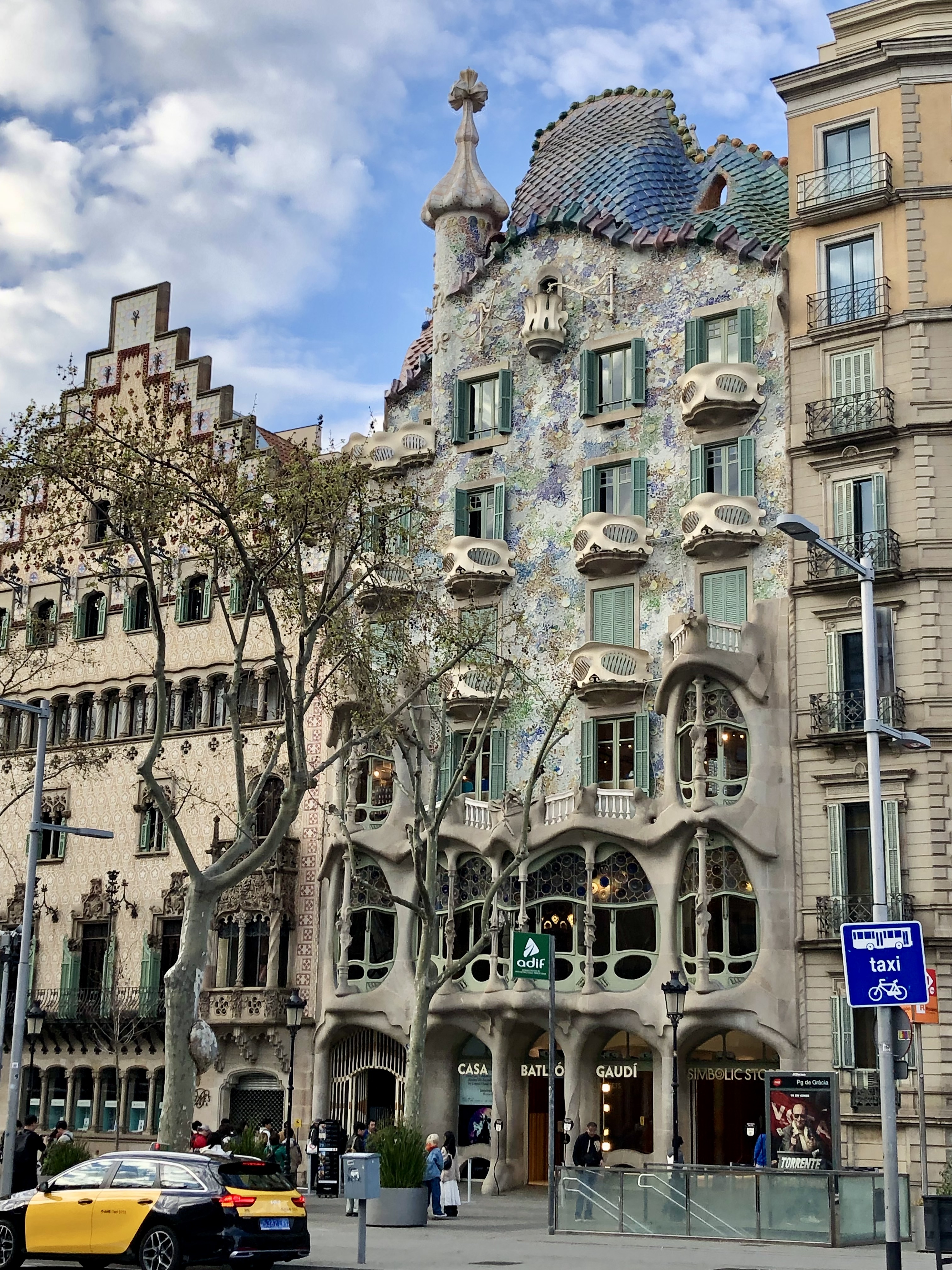
Casa Batlló is located on a remarkable block known as the Illa de la Discòrdia — the Apple of Discord. The block earned the name because of the conflicting architectural styles represented there. In fact, three of the late nineteenth century’s most famous Catalan architects put up buildings on it, each trying to outdo his predecessor. On the corner is Domènech i Montaner’s elaborately decorated Casa Lleó Morera; down the street is Puig i Cadafalch’s Casa Amatller; and right next door to that is Casa Batlló. St. George features in the decoration of Casa Amatller, which is covered with delightful gargoyle-like figures.
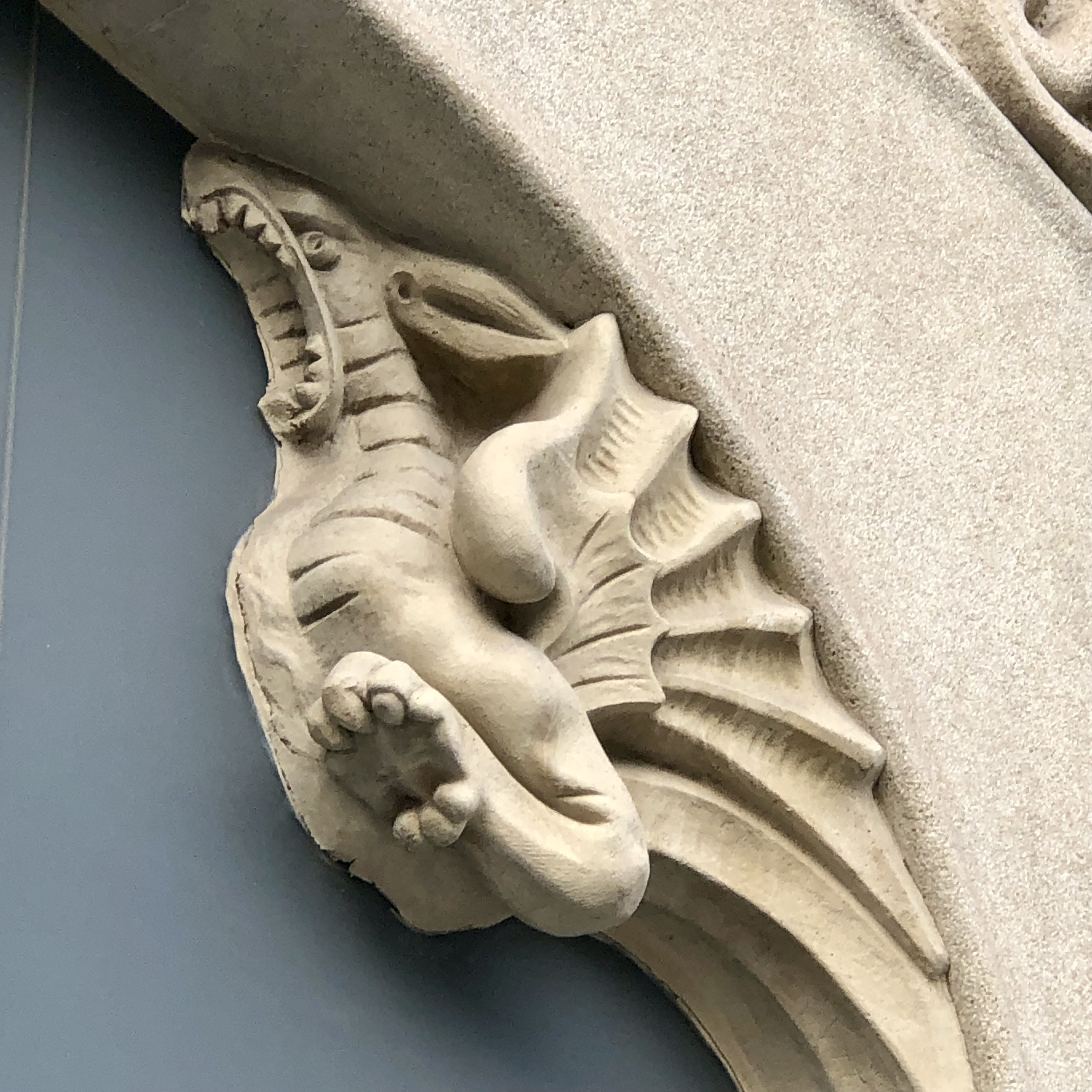
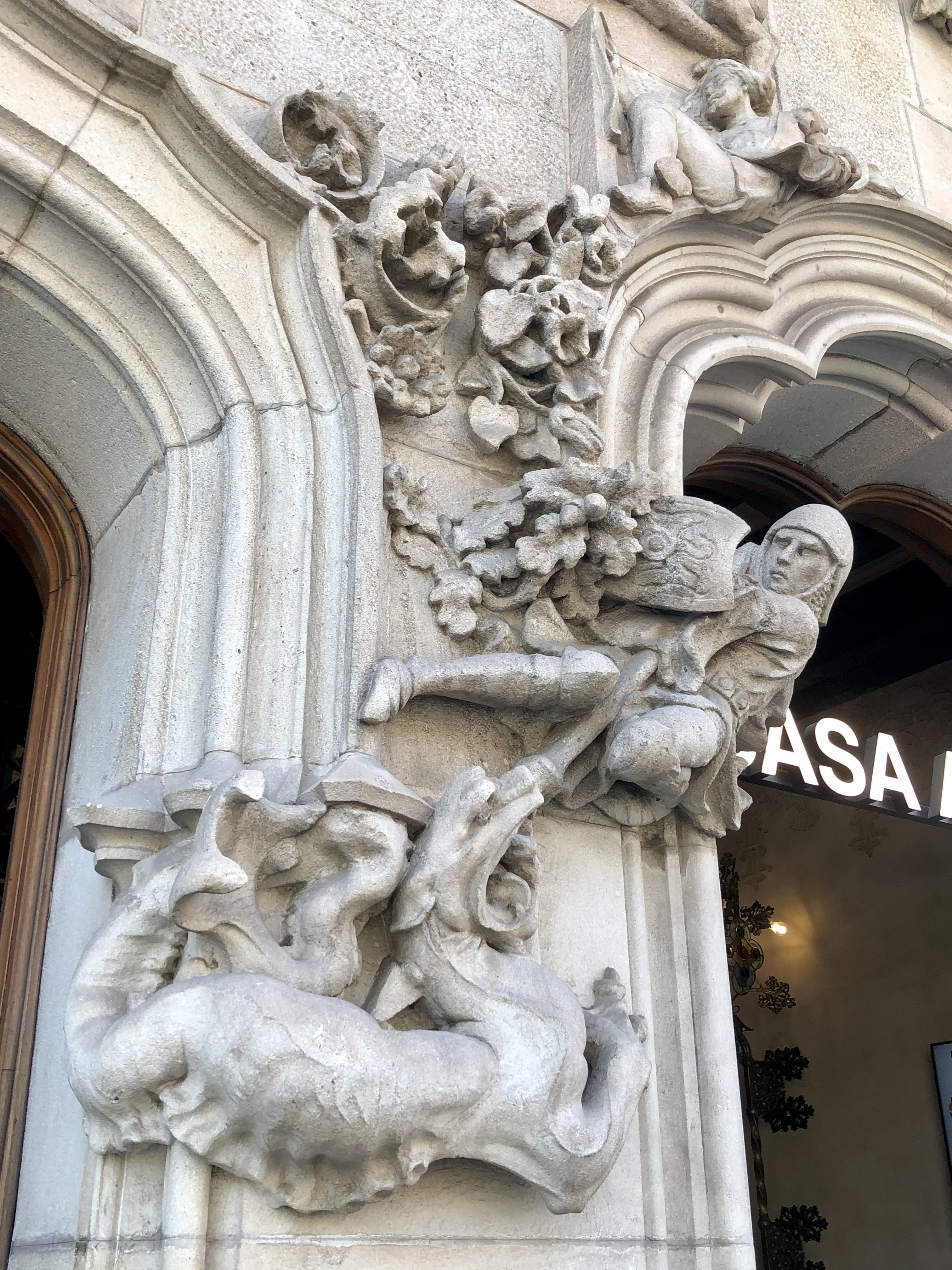
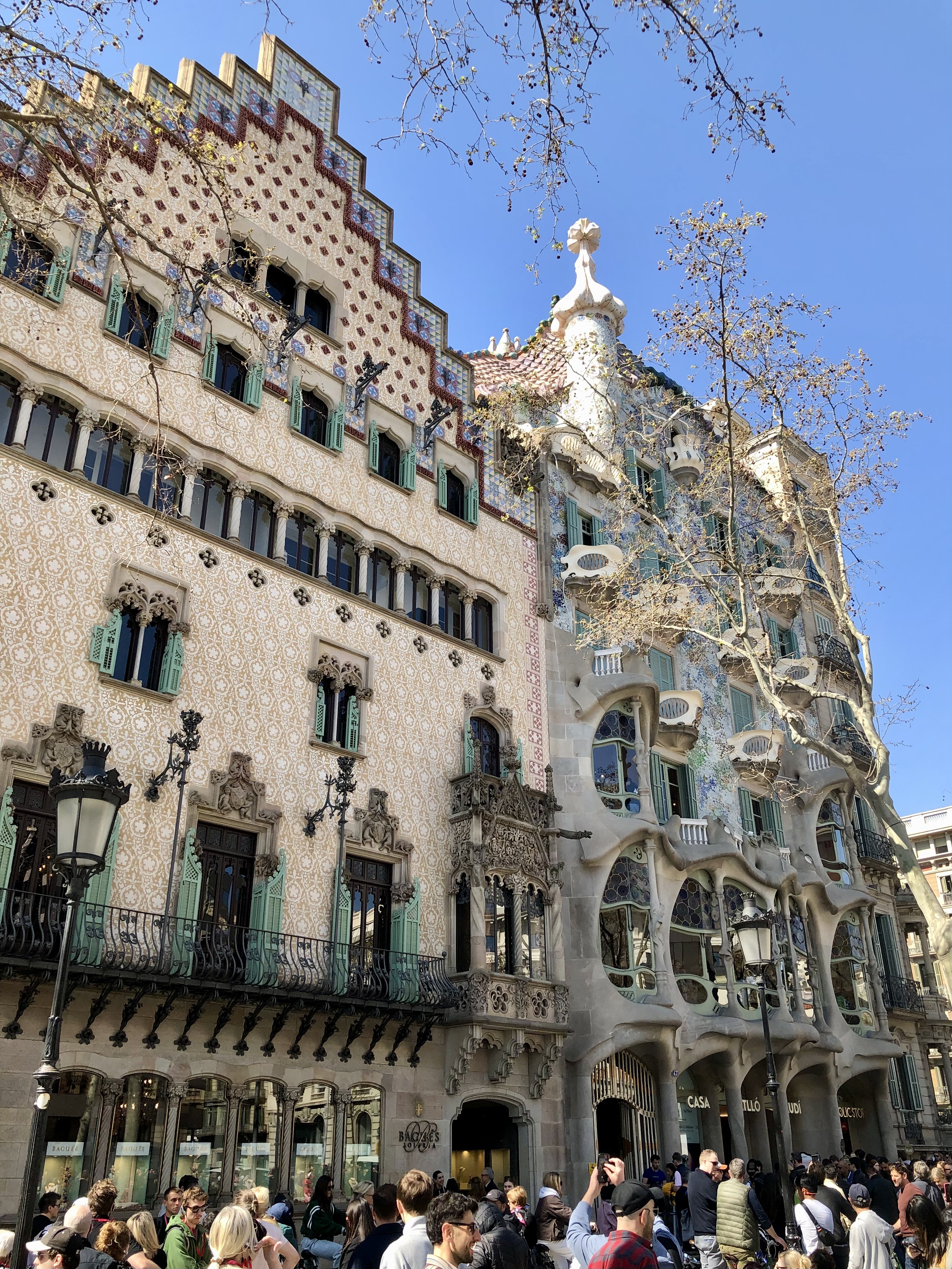
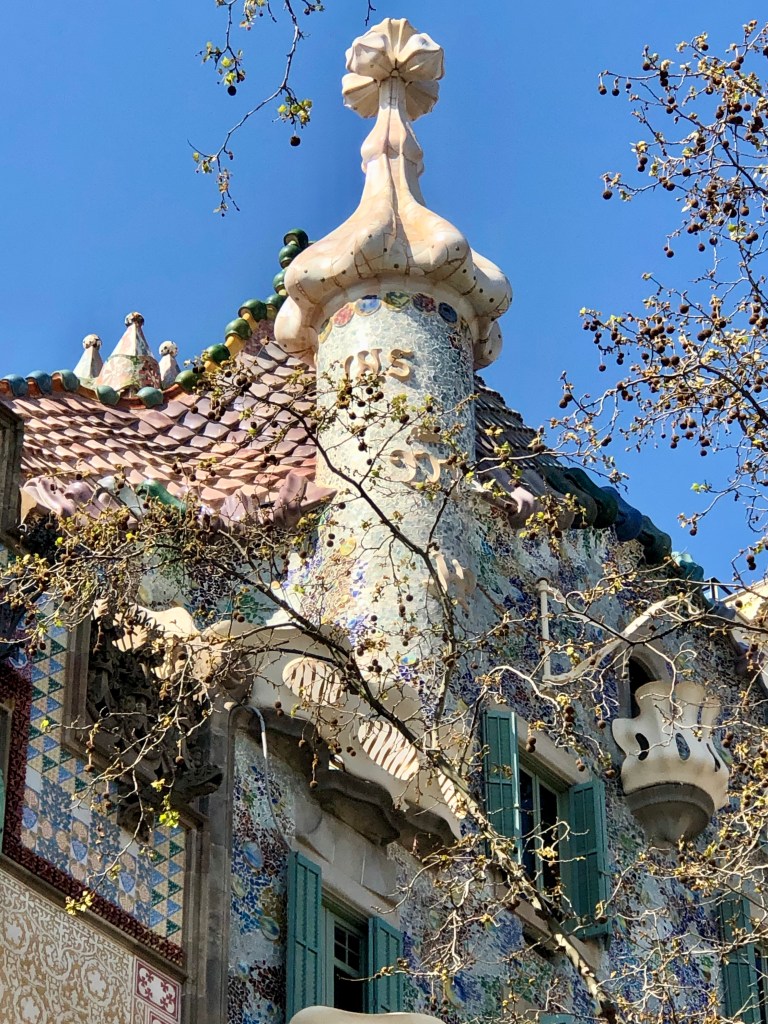
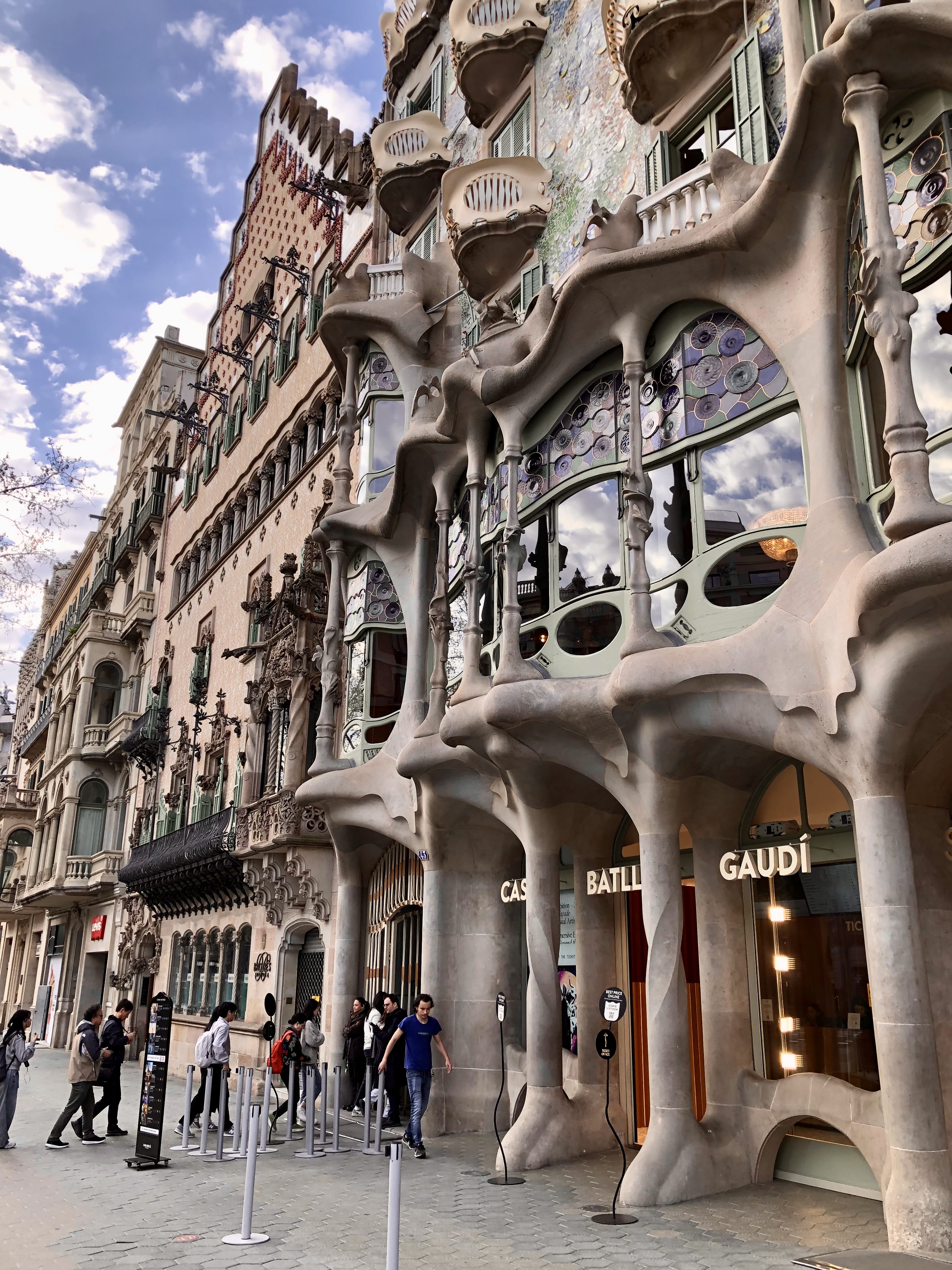
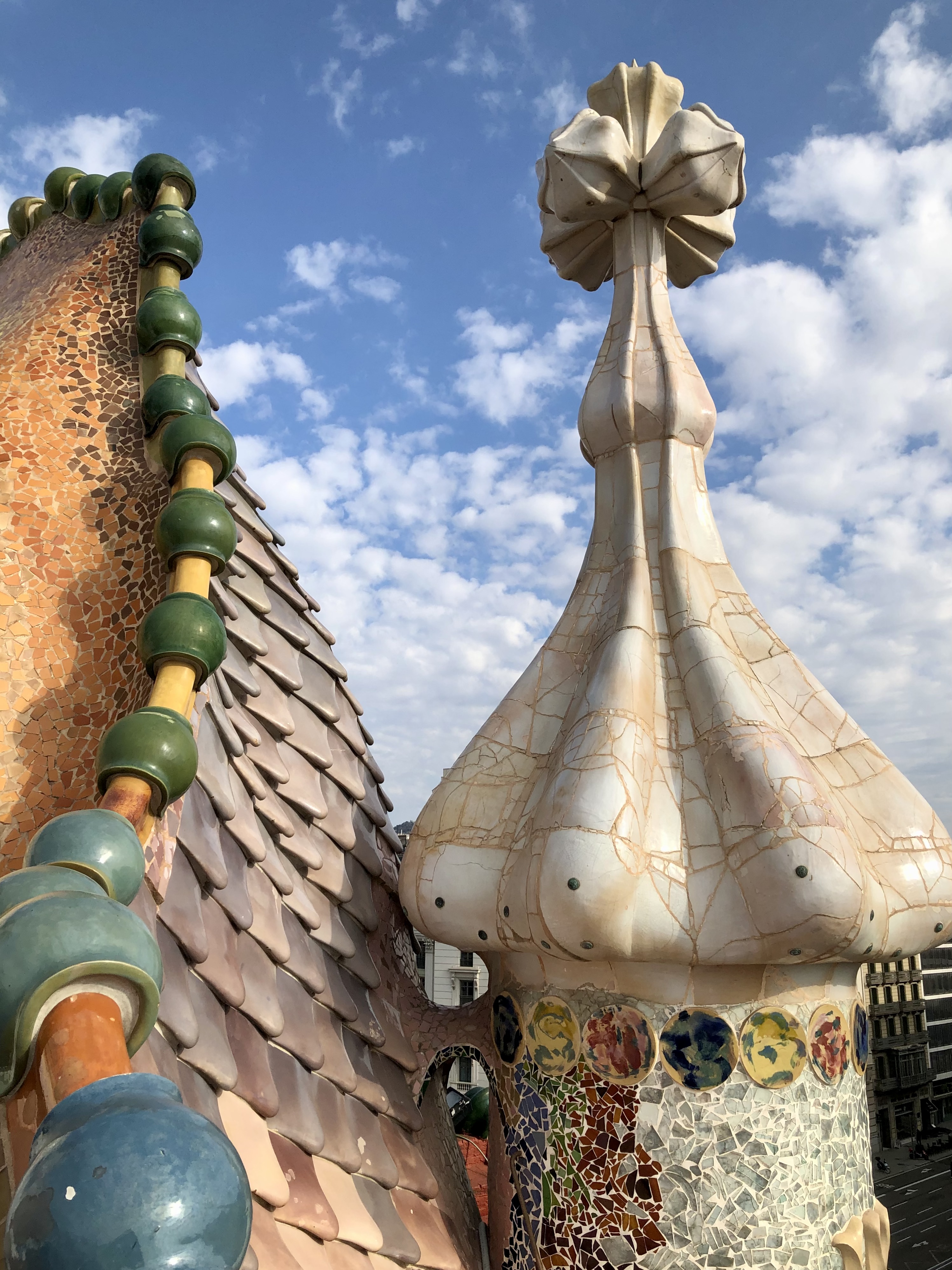
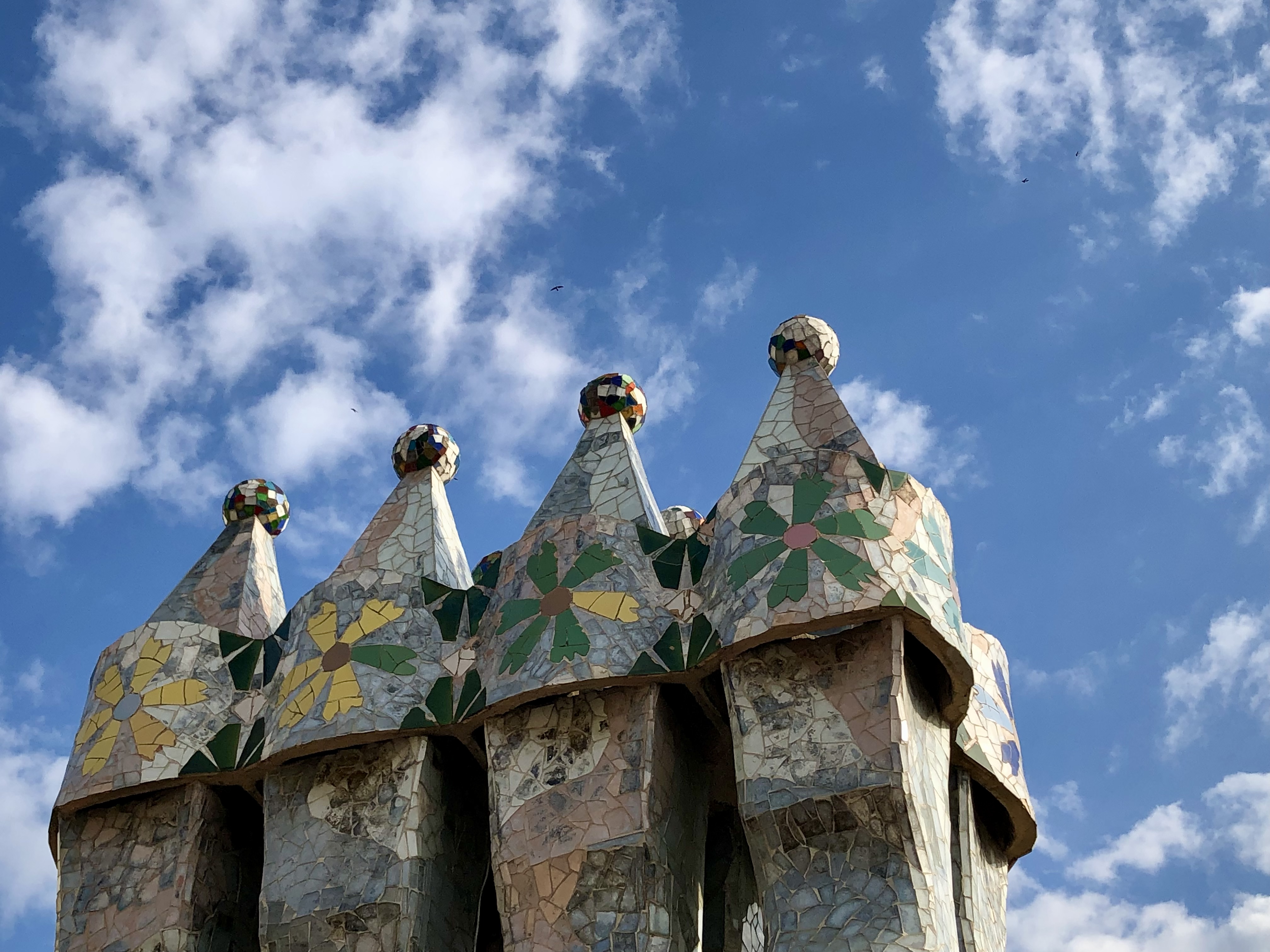
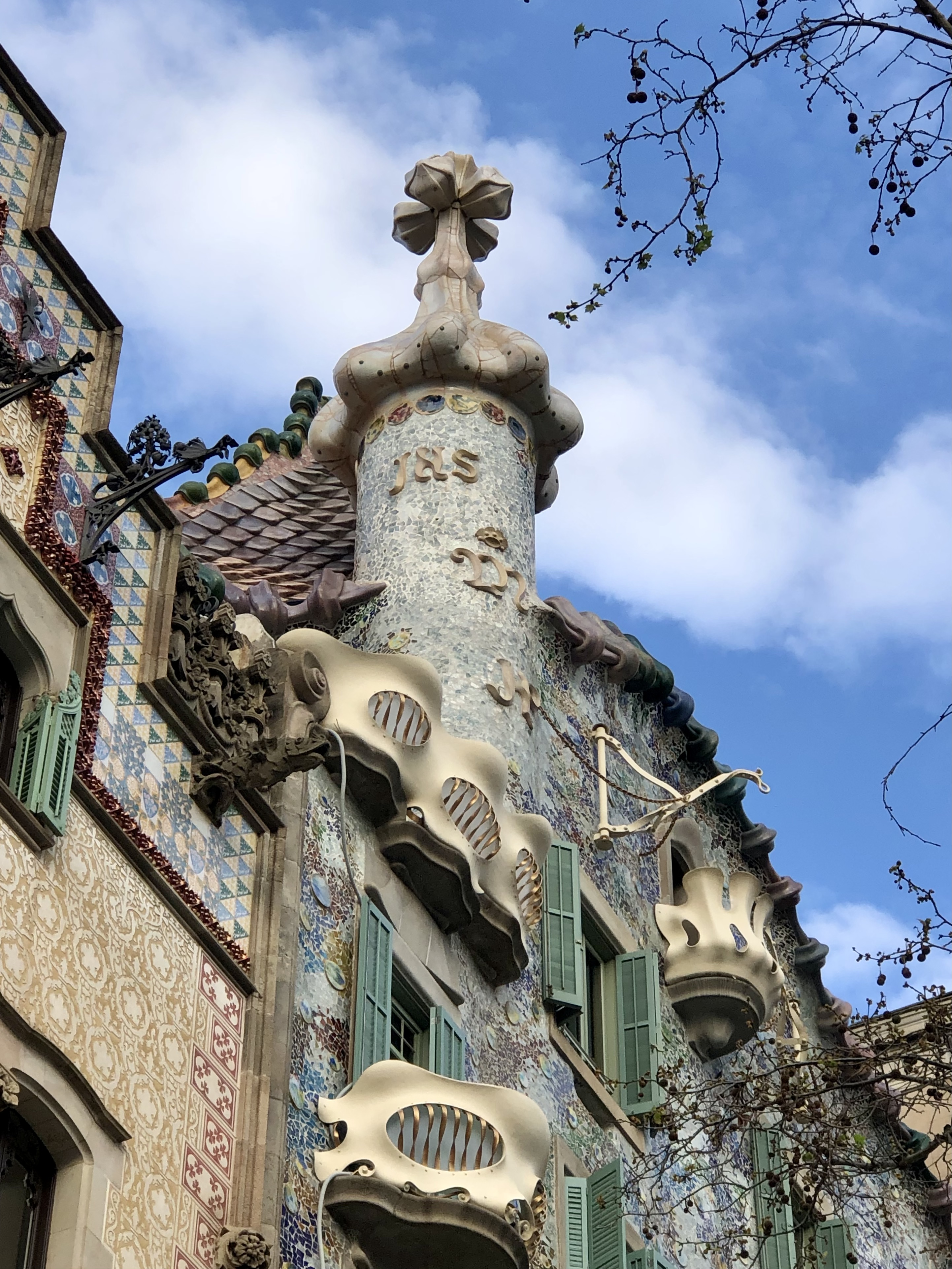
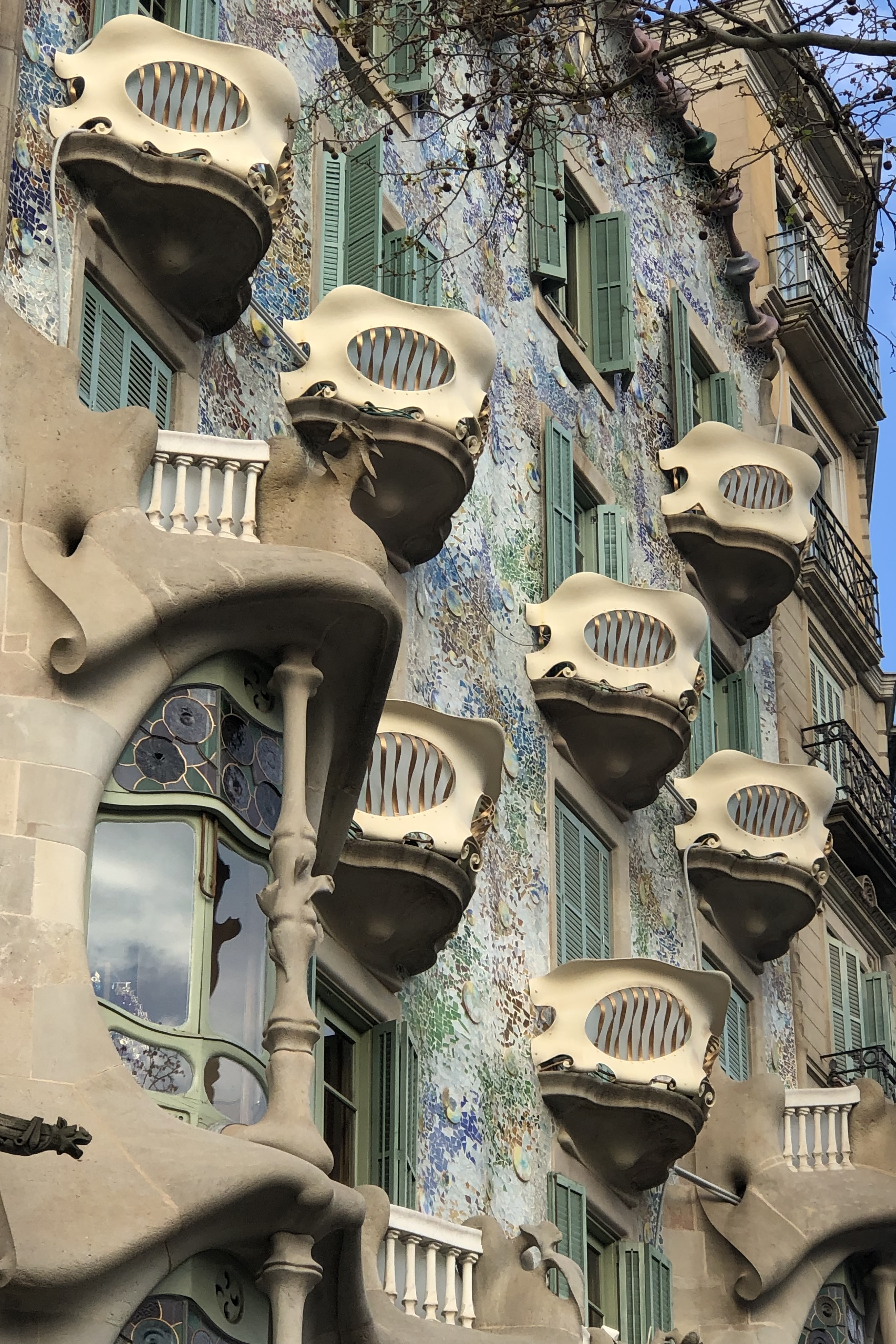
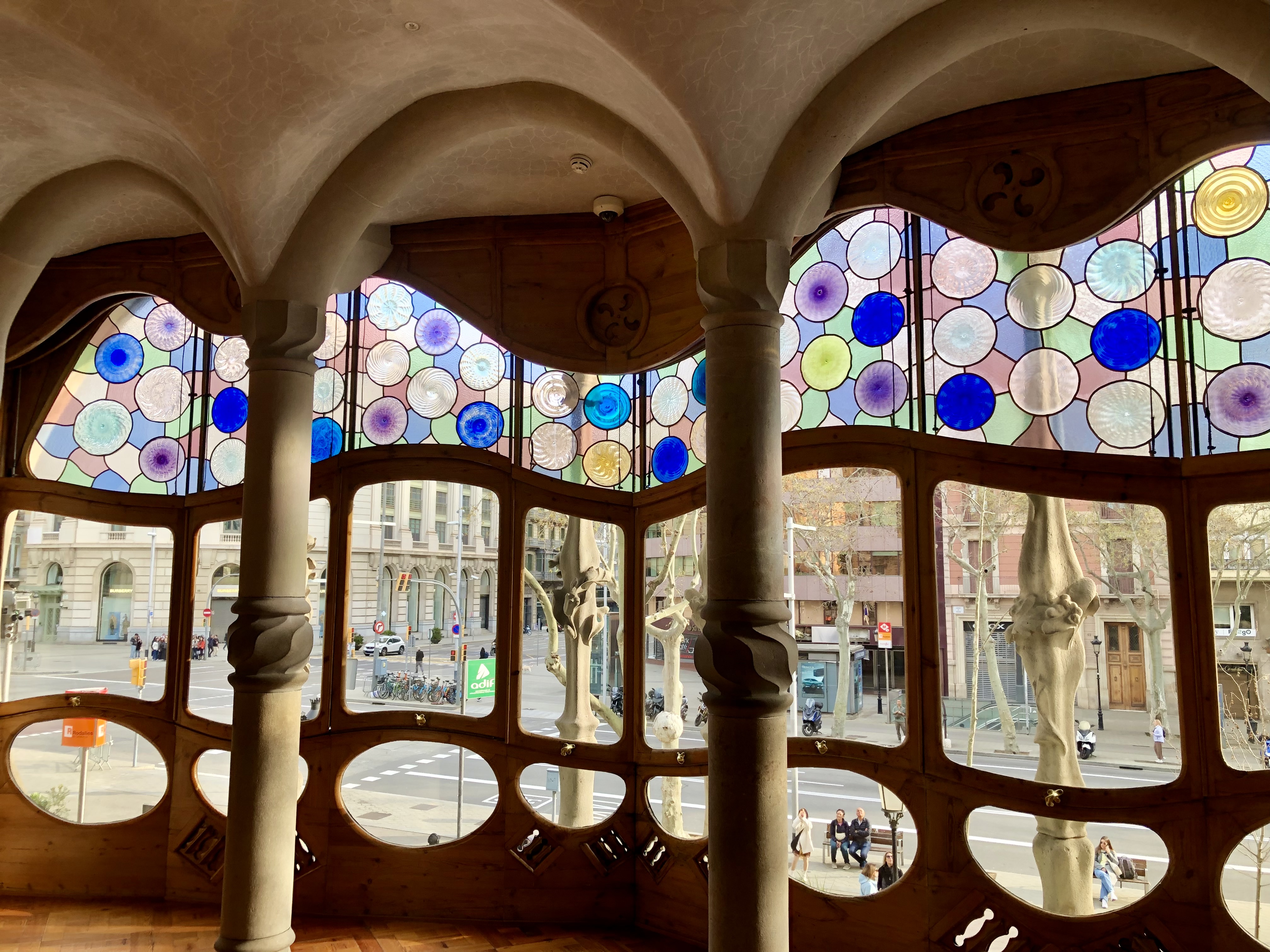
The legend features in a different way in Gaudí’s building. The building itself is meant to remind us of a dragon, its curving rooftop evoking the monster’s scaly back. The skeletal columns and windows of the ground floor suggest the bones of the dragon’s victims, while the tower that rises from its rooftop — decorated with a four-armed cross and an IHS (for the name of Jesus) — represents St. George’s spear.
The building embodies the mix of innovation, playfulness, piety, and tradition that makes Gaudí such a unique and popular architect. And it shows how the life and death of St. George continues to provoke and inspire.


3 thoughts on “St. George in legend and in architecture”