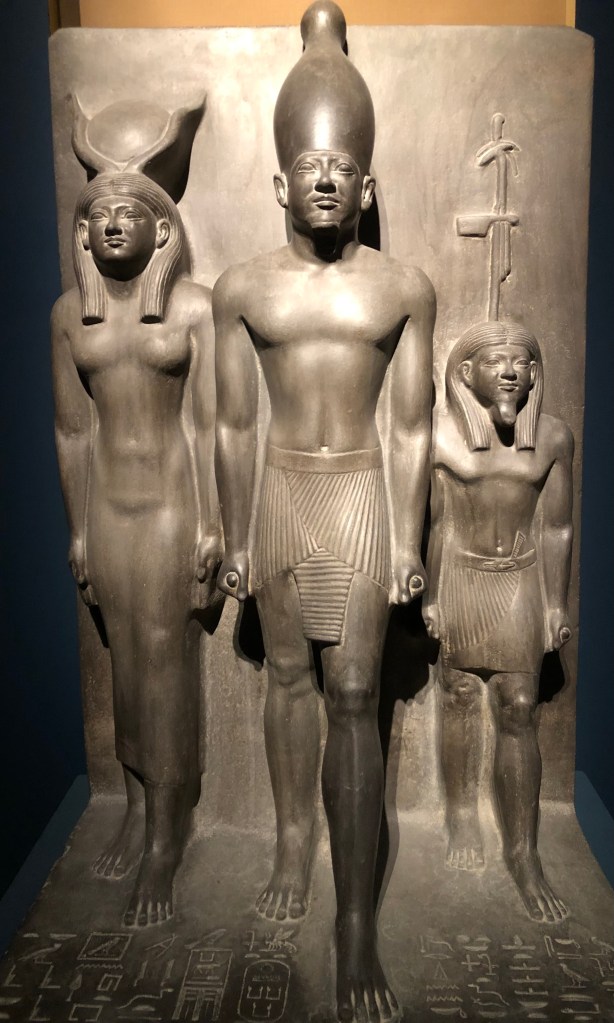
Romans have been fascinated with Ancient Egypt since before the time of the Caesars. Egypt was for them what Ancient Rome is for us–a powerful, slightly exotic civilization whose influence and fascination extends to the present day. Roman Emperors went to great lengths to bring Egyptian artifacts back to decorate the imperial capital, and today there are more Egyptian obelisks standing in the city of Rome than in Egypt itself.
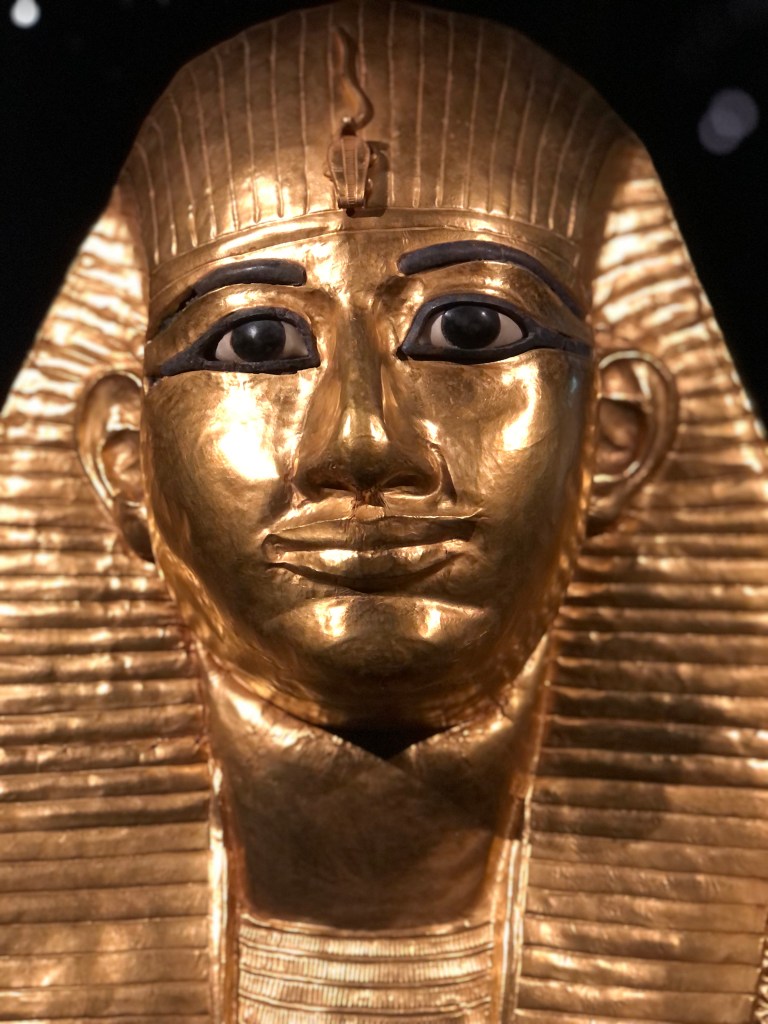
Part of the fascination of Egypt for the Romans no doubt had to do with the religious intensity of the Egyptians. And that religious intensity, in turn, was concentrated on the life to come. The resources the Ancient Egyptians put into ensuring survival and flourishing in the next life continue to amaze. This aspect of Egyptian civilization is prominently featured in a special exhibit at Rome’s Scuderia del Quirinale (which hosted a fine exhibit on Guercino and the Roman baroque that I wrote about last year). The exhibit sensitively explains important aspects of the Egyptians’ belief system; the gold that covers ancient sarcophagi and death masks, for example, was not ancient bling meant to show off status, but a symbol of incorruptibility, a sign of hope in a new life that would not tarnish.
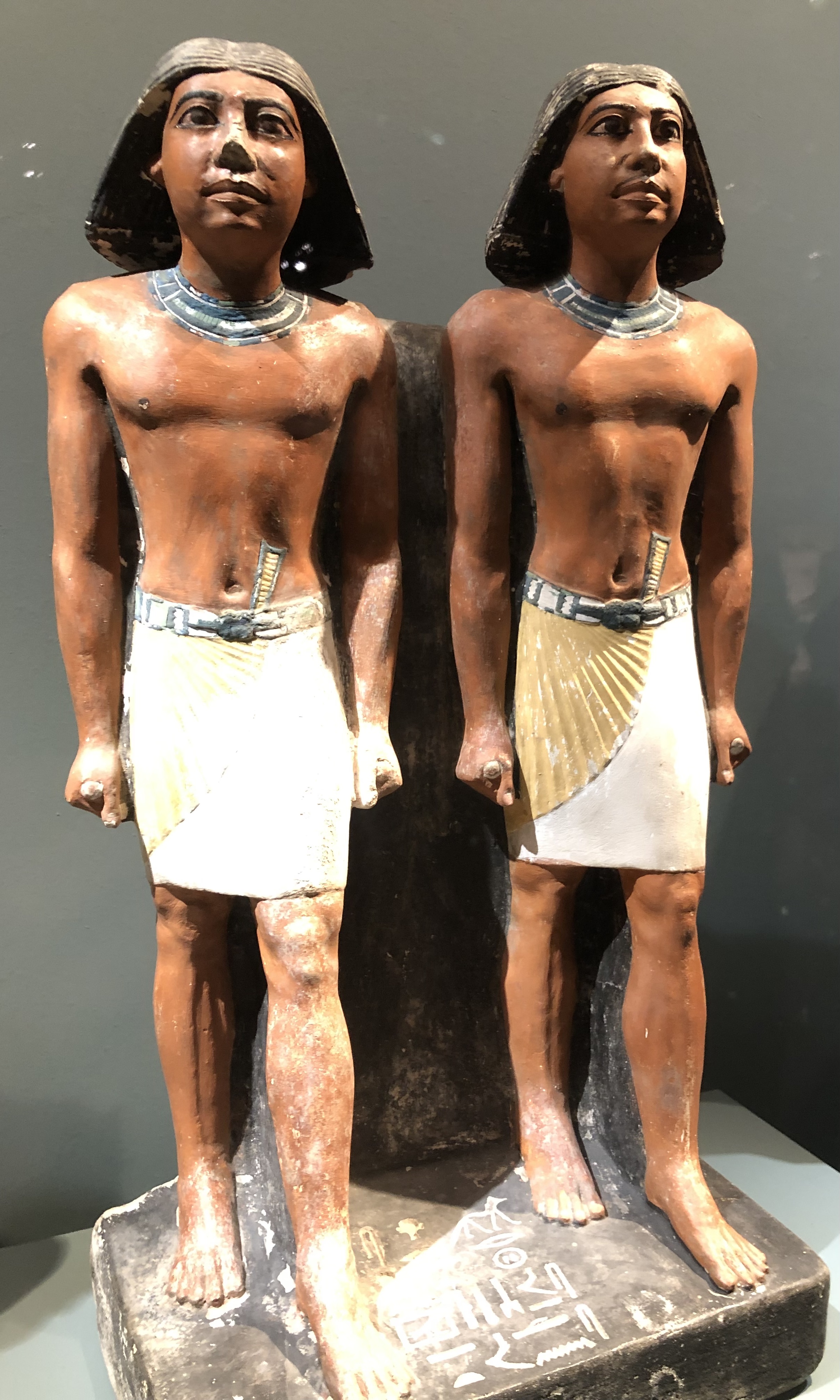
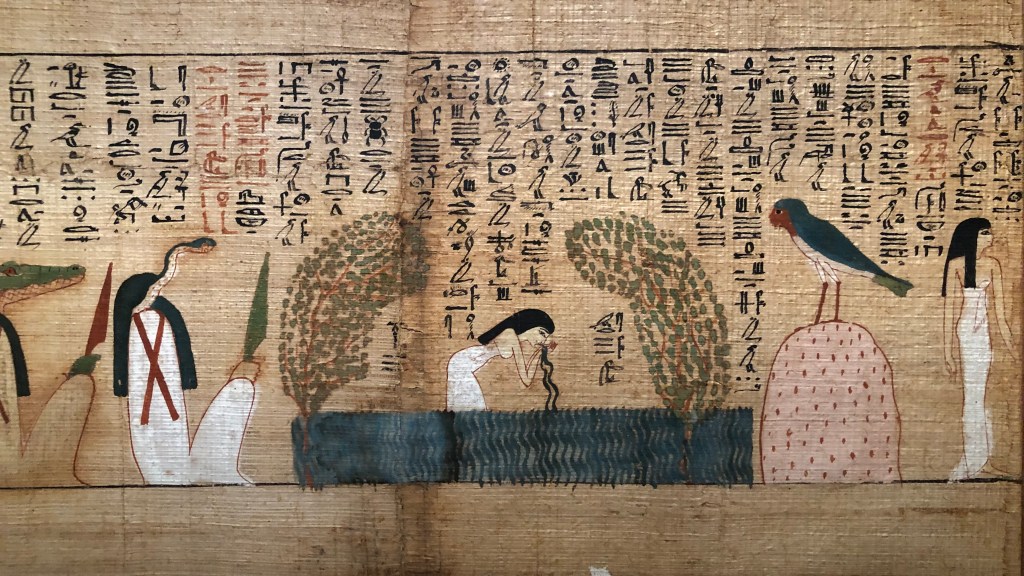
The symbolism and rituals of the Ancient Egyptians was complex and sophisticated and the objects excavated from Egyptian graves still fascinate. The figures of Egyptian art follow highly stylized conventions, yet somehow one can feel the pull of a human connection across the millennia. On display at the Scuderia were figures of scribes, priests, and even a servant brewing beer.
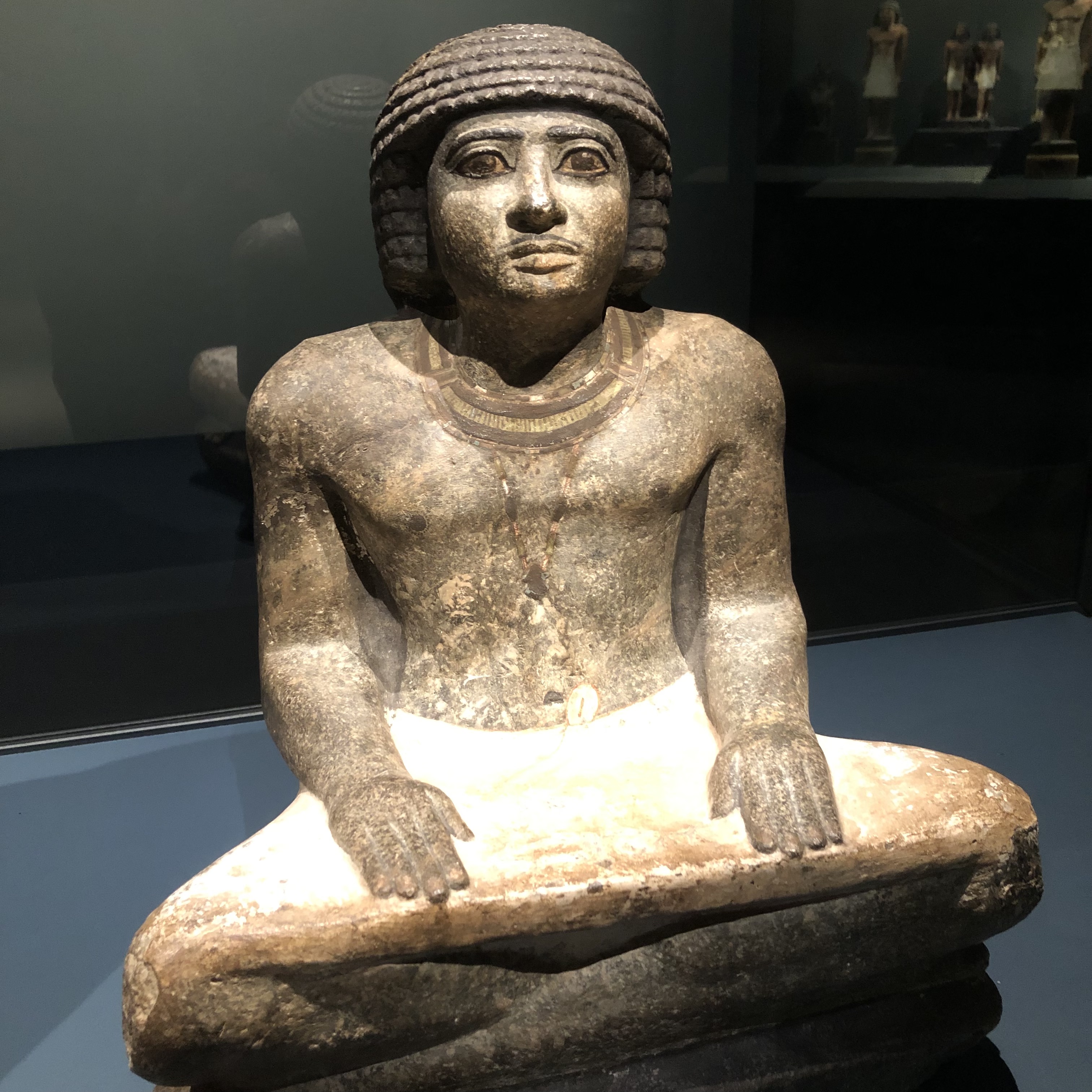
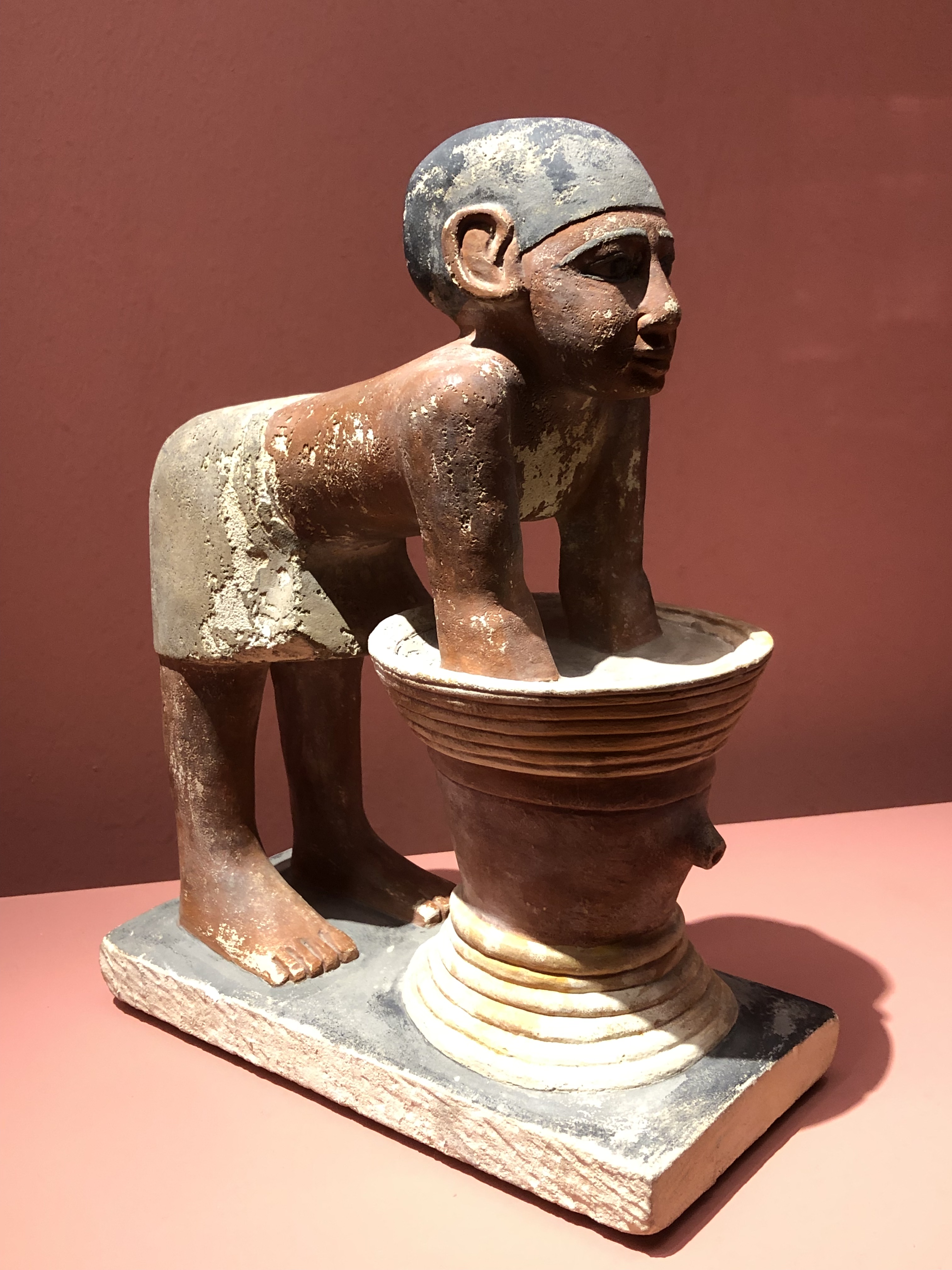
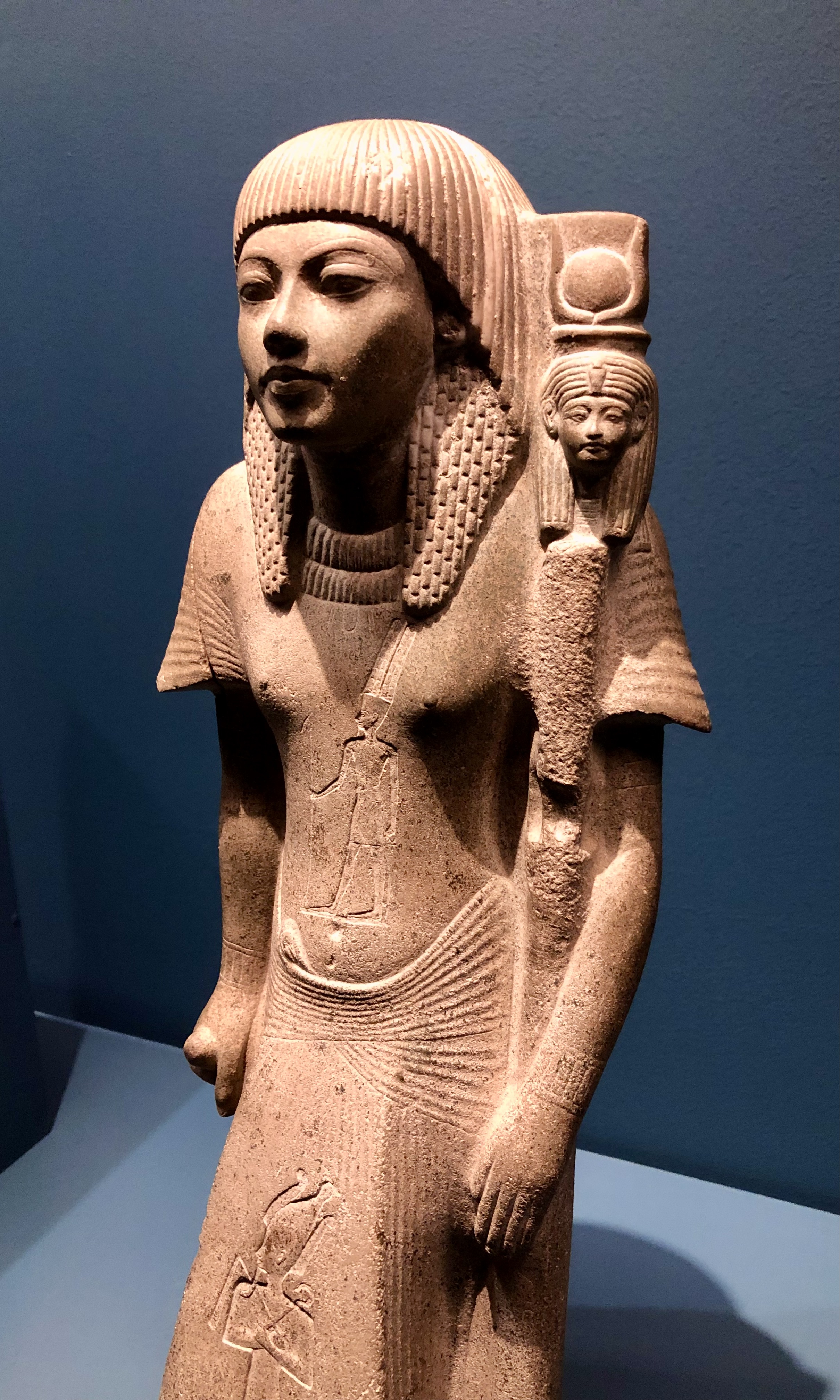
In many ways, the attention the Egyptians devoted to the afterlife was admirable. At one point in Egyptian history, their religion even verged toward monotheism. But there is a fundamental difference between the ancient Egyptian understanding of life beyond the grave and the Christian promise of eternal life which we celebrate especially during this Easter season. The Egyptian hope was merely for a continuation of this life. Thus, wealthy and prominent Egyptians filled their tombs with statues and representations of servants and other good things they enjoyed in this world. Absent in all of this is anything like the Christian beatific vision, any sense of communion with a God who entirely transcends this world. It’s just this life, but longer.
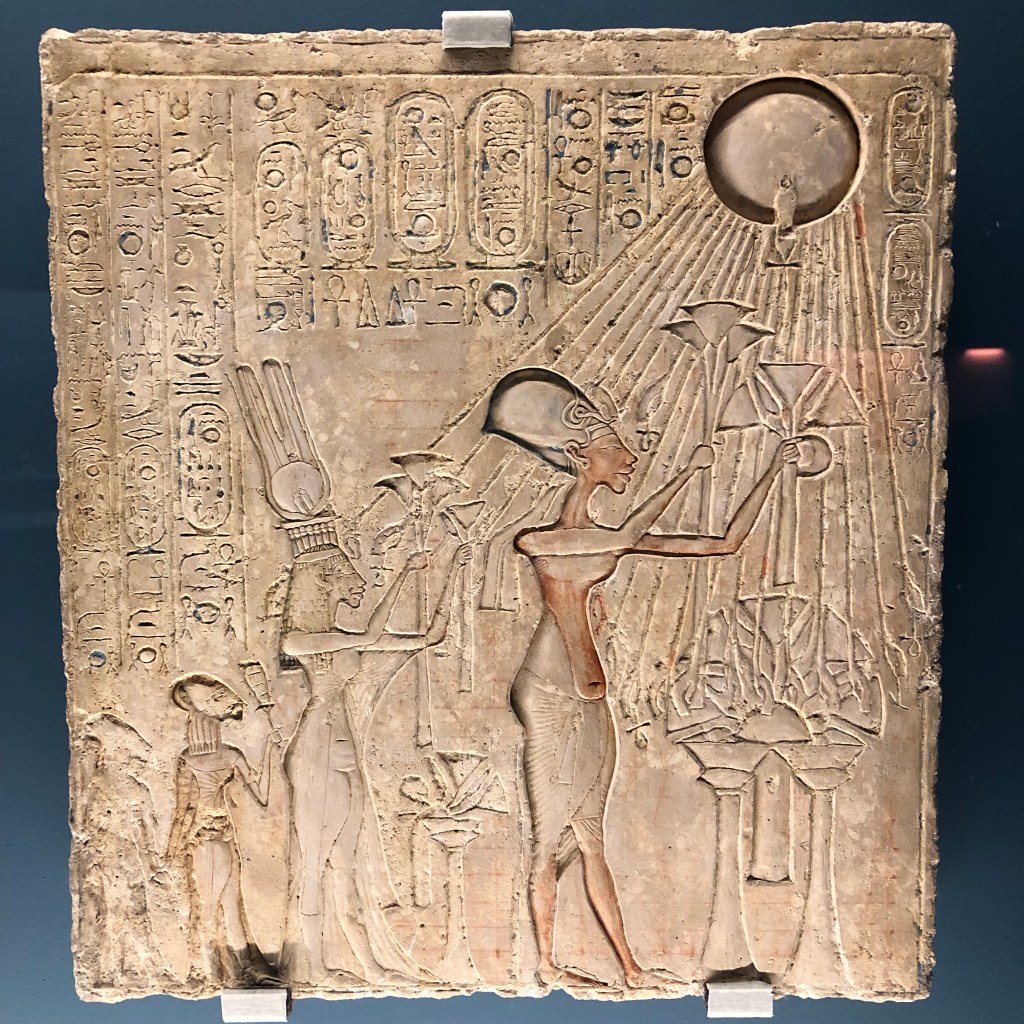
Those who have truly taken to heart the Christian Good News can understand, then, how the apostolic message makes Christianity essentially different than all other religions. Christianity doesn’t provide a more effective way to obtain goods from the divinity, but it reveals instead the God who is creator, eternity, and love. The Christian promise is not just everlasting life, but a life that is entirely new, an everlasting communion with the divine.
Subscribe to this blog for periodic updates:


