Romans have been fascinated with Ancient Egypt since before the time of the Caesars. Egypt was for them what Ancient Rome is for us–a powerful, slightly exotic civilization whose influence and fascination extends to the present day. Roman Emperors went to great lengths to bring Egyptian artifacts back to decorate the imperial capital, and today there are more Egyptian obelisks standing in the city of Rome than in Egypt itself.
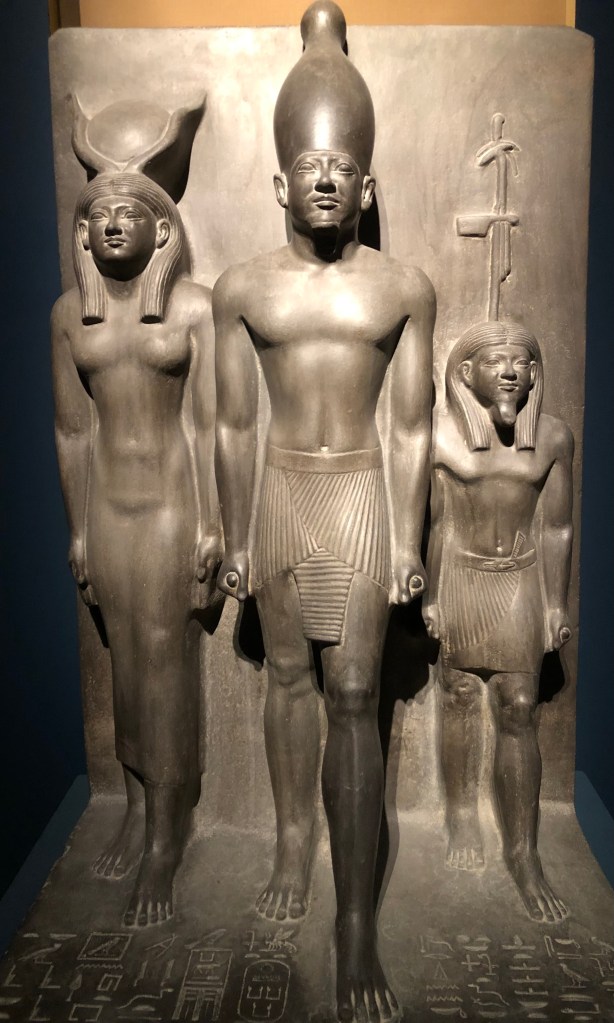
Part of the fascination of Egypt for the Romans no doubt had to do with the religious intensity of the Egyptians. And that religious intensity, in turn, was concentrated on the life to come. The resources the Ancient Egyptians put into ensuring survival and flourishing in the next life continue to amaze. This aspect of Egyptian civilization is prominently featured in a special exhibit at Rome’s Scuderia del Quirinale (which hosted a fine exhibit on Guercino and the Roman baroque that I wrote about last year). The exhibit sensitively explains important aspects of the Egyptians’ belief system; the gold that covers ancient sarcophagi and death masks, for example, was not ancient bling meant to show off status, but a symbol of incorruptibility, a sign of hope in a new life that would not tarnish.
Continue reading “Egyptians and the afterlife”
