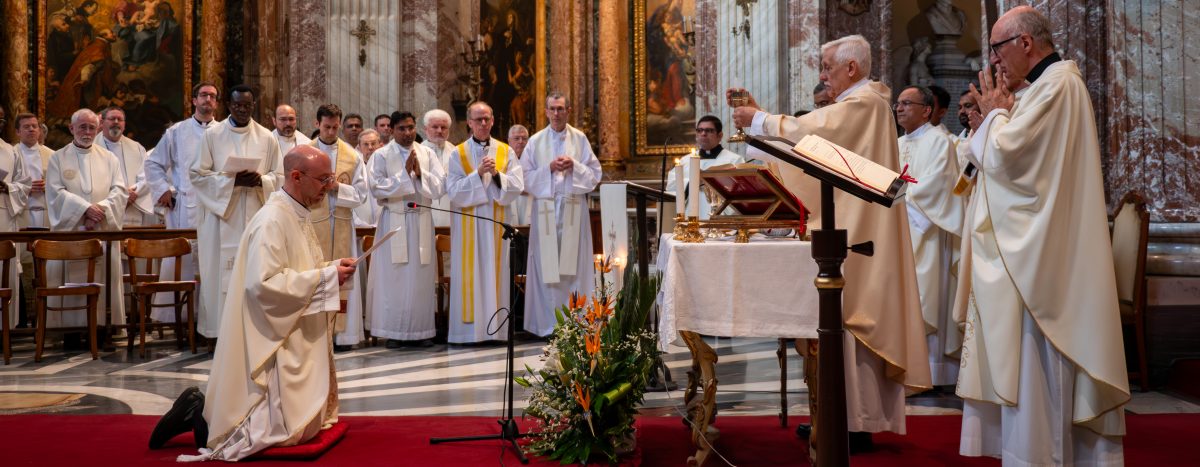
On Saturday, the United States of America will celebrate 250 years of independence. In a slightly ironic twist, I will be attending an ordination that weekend in… Great Britain. (Scotland, to be precise.) Don’t worry: I’m not going Loyalist, and, if anyone asks, my opposition to taxation without representation remains undimmed. It is, nonetheless, an occasion worth celebrating.
Declaring independence was a bold gamble for the colonists, with no guarantee of success; winning that independence was a work of tenacity and perseverance. Founding institutions that would produce two and a half centuries of stable and broadly just governance in the uncertain years that that followed independence is perhaps an even more remarkable achievement.
We Americans are fortunate to have a Constitution designed to keep the ship of state afloat even when unwholesome individuals wield the levers of power, but that first generation of Americans didn’t have that luxury. In those first years of American independence, without the stability of established republican precedents or even a firm national identity, things could easily have gone wrong. The murderous course of the French Revolution a few years later is a reminder of how badly can one can go even when shouting “Liberty!”
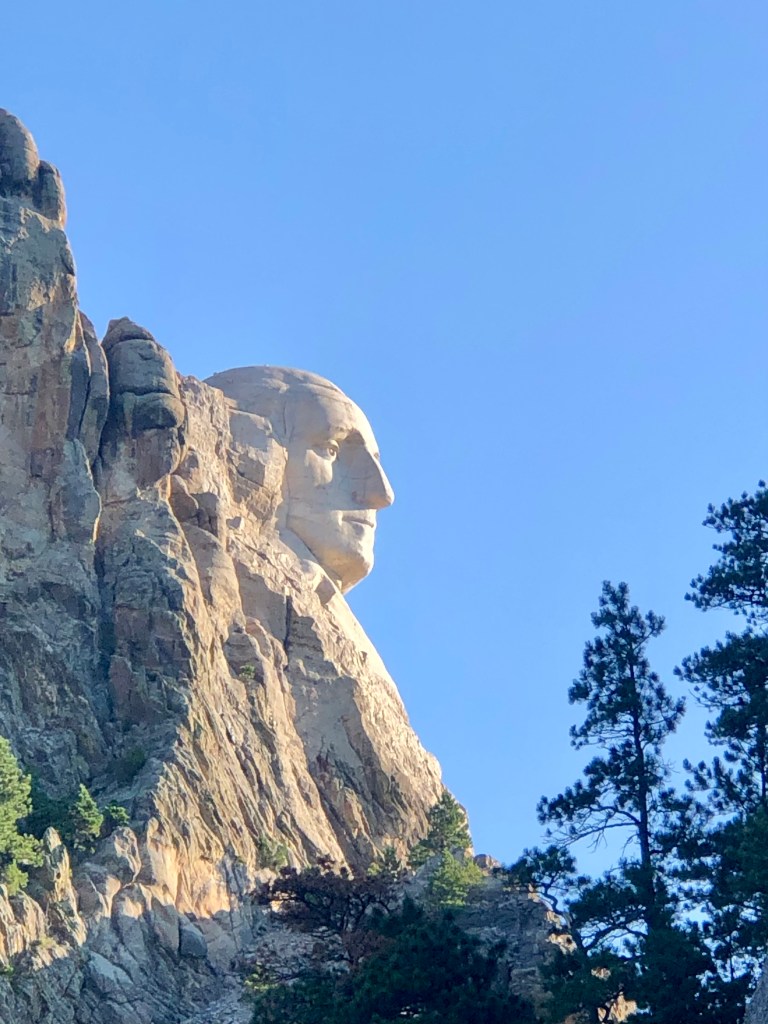
As I’ve argued before, Americans owe a lot to George Washington, who provided leadership that was remarkable, above all, for its integrity. Washington was no military genius but where he stood above the other figures of his age–what made him the greatest man of his century–was his character. As a general, he stayed steady even in defeat. His leadership was marked by patience, courage, and steady resolve. He learned how to hold his emotions–his temper was volcanic–in check. He put his country before personal ambitions, not just in word, but in deed as well. He showed a scrupulous respect for the rule of law; as commander-in-chief of the Continental Army, he always deferred to the Continental Congress, even when tactically inconvenient. And, of course, he relinquished power, resigning his command at the end of the War of Independence and retiring to Mount Vernon after two presidential terms.
Continue reading “George Washington and the Jesuits”
