The difference that Christ makes

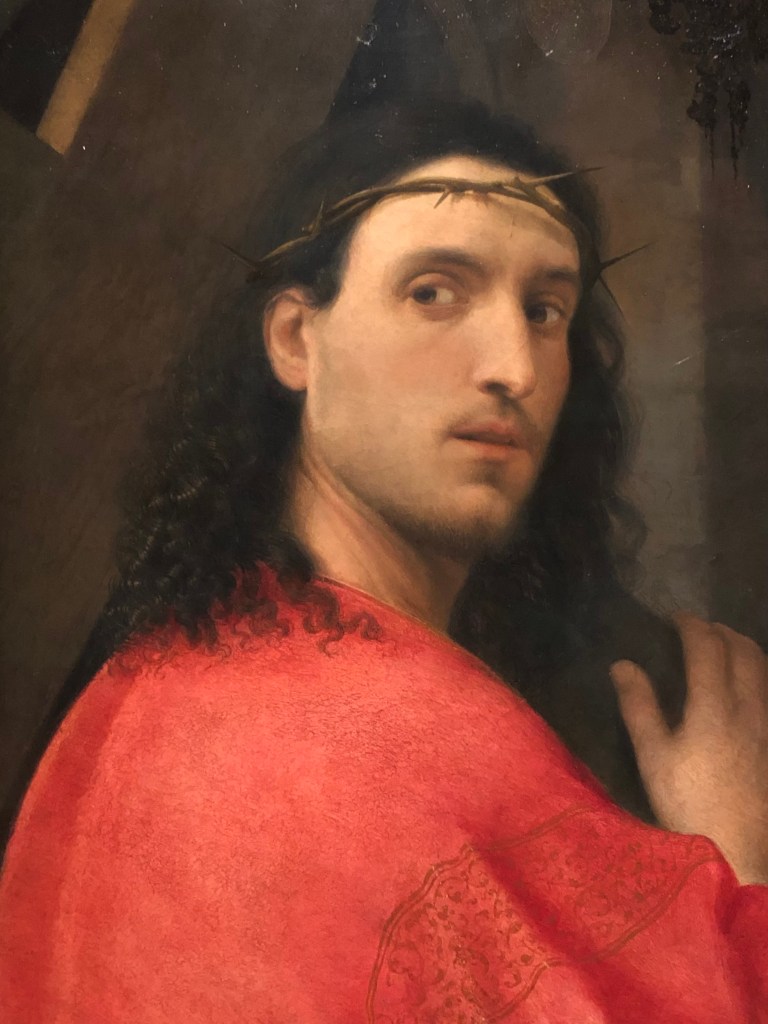
Christ carrying the Cross, Venetian 1515

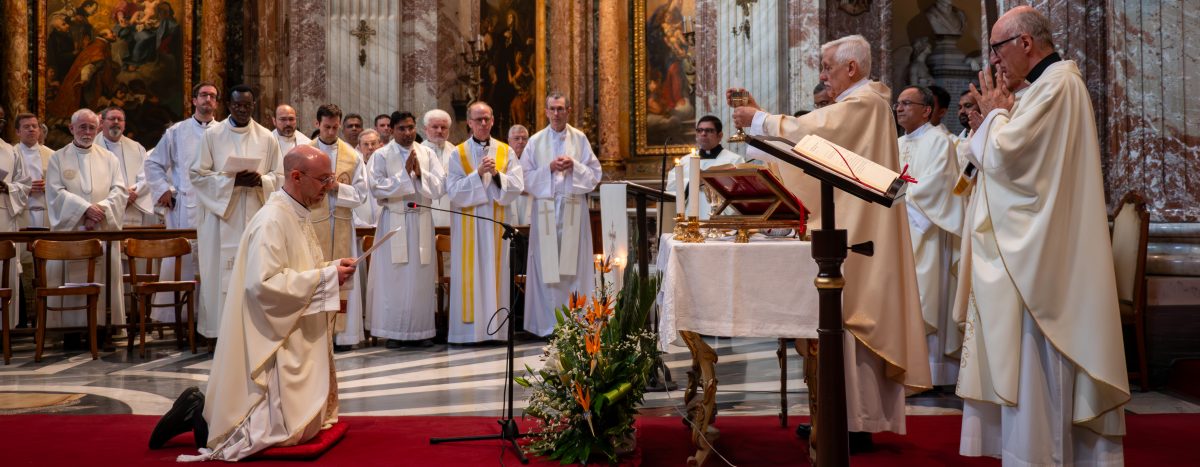
Homily for Tuesday of the Twenty-ninth week in Ordinary Time (Year 2).

Perhaps Saint Paul’s description of the life of the Ephesians before their incorporation into Jesus Christ seems overly blunt. You were far off, Paul says, strangers, excluded, separated from God by a wall of enmity. We are not used to this kind of rhetoric.

But Paul’s blunt words are not written to reproach the Ephesians for their past life. They are already converted, and now they do live in the friendship of Christ. Paul’s words are written so that the Ephesians do not take this conversion for granted. This message is perhaps even more relevant to us, who were baptized as children and grew up as Christians.

The friendship with God that we enjoy in Christ is not the condition into which a person is born. It is a gift obtained by Jesus through the cross and shared with us in baptism. No other religion promises friendship with God or the divine sonship shared with us in the sacraments. Not the pagan religions of antiquity, not Buddhism, not Islam.

Christ is unique. His sacrifice, his love, and his friendship must never be taken for granted.

Readings: Ephesians 2:12-22; Luke 12:35-38

Original: Italian

October 22, 2024

Gregorian University Chapel

Rome

The question that changes who we are: homily for the 21st Sunday in Ordinary Time

Jesus consigning the keys to St. Peter, G. Battista Cassignola, 1569

Homily for the Twenty-first Sunday in Ordinary Time (Year A).

It’s hard to imagine a better Gospel reading with which to end an Ignatian retreat.  We find this episode at the middle point of Matthew’s Gospel, and the question that Jesus poses to his disciples is the hinge on which everything else turns: “Who do you say that I am?”

We have heard the episode before, so perhaps we don’t register what a strange question Jesus asks.  When I test my students at the end of the semester, I ask them about the content of the course, not about my own identity.  But Jesus asks about himself, not his message.  Were he any other teacher, such a question would be pure arrogance.  But Jesus is not like anyone else, and everything depends upon our recognizing the difference.  

Public opinion, as the disciples tell it, seeks to put Jesus into a recognizable category; he is one of the prophets, like Elijah or Jeremiah.  Perhaps he is the reincarnation of John the Baptist.  But Jesus does not let such answers go, and the disciples themselves have been with him long enough that they are not satisfied with such an answer, either.  There is a right and a wrong answer to the question Jesus asks.  It is not a matter of opinion.  Jesus is not administering a Rorschach test to prompt the disciples to look more deeply into themselves.  The question is not what is inside, but who is standing here before you.

Continue reading “The question that changes who we are: homily for the 21st Sunday in Ordinary Time”