
Homily for the fifteenth Sunday in Ordinary Time (Year A).
“Brothers and sisters,” Saint Paul says, “I consider that the sufferings of this present time are as nothing compared with the glory to be revealed in us.”
In other words, Saint Paul recognizes that the present time, the world in which we live, is characterized by suffering—pain and weakness, shame and fear, insults and injustices. Human life is not entirely suffering, but suffering is present. Christianity does not promise us a life without it.
But if Saint Paul does not promise to eliminate suffering, what is his message? His message is that suffering can help us obtain a greater glory. In fact, if we read the Gospel with Saint Paul’s words in mind, the meaning of Jesus’ message today becomes clearer.
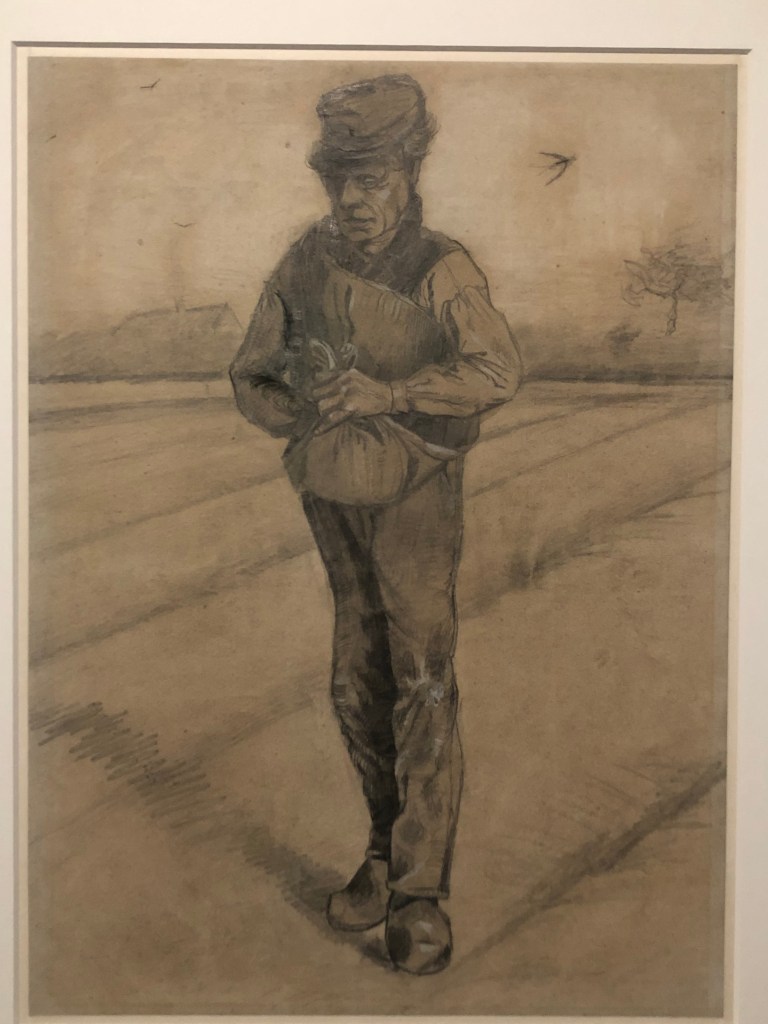
Jesus uses the image of the seed, and a seed, as we know, must be buried in order to grow. Before taking on its new form, before becoming a plant and blossoming, a seed must lose its old form—it must, in a certain sense, die.
Continue reading “How do we choose to suffer? Homily for the 15th Sunday in Ordinary Time”