Homily for the Solemnity of the Nativity of St. John the Baptist
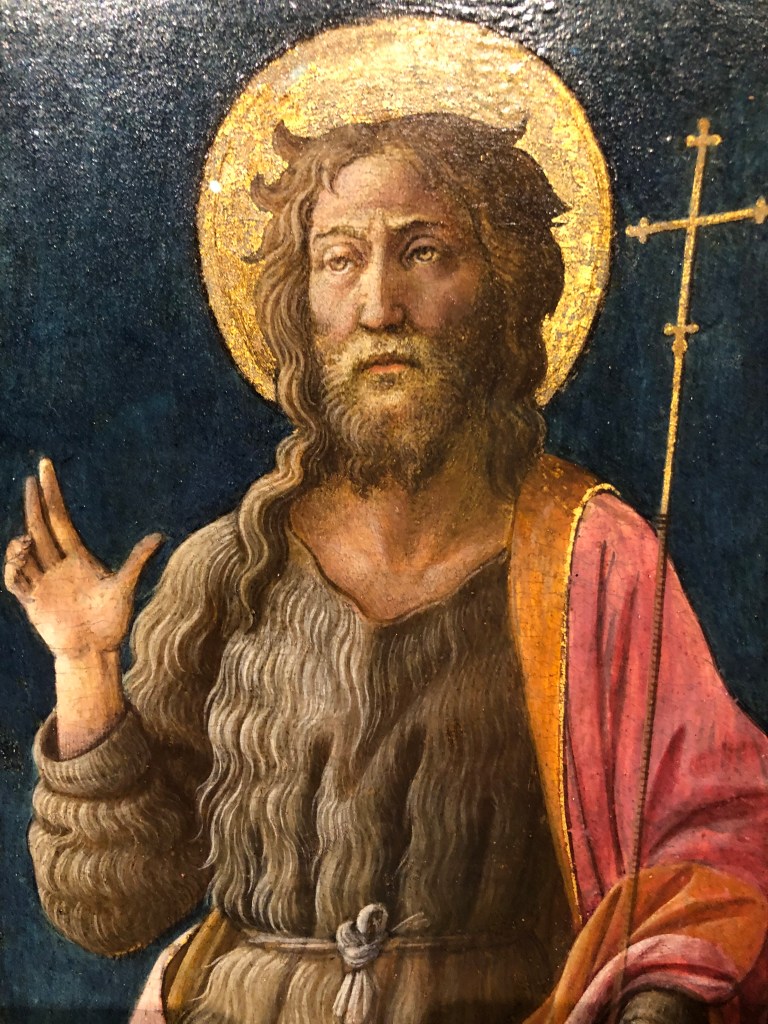
The story of Saint John the Baptist begins in the temple, when an angel announces his miraculous conception to the priest Zechariah while he is offering incense at the altar. The account of Gabriel’s announcement is read during the vigil of this feast, and today we read about the fulfillment of that prophecy.
We probably do not associate John with the temple because most of his prophetic mission takes place in the desert—which is exactly where he heads at the end of today’s Gospel. But I would like to pause for a moment in the temple, where the story begins.
As modern Christians living after Luther, Kant, and the Enlightenment, we are unfortunately accustomed to viewing the temple and all Jewish rituals in a somewhat negative light. We tend to see them as superfluous, rigid, and irrational. We think of ourselves as more enlightened, scientific, progressive, and perhaps even more moral, believing we have no need for such complex and useless rituals.
I must admit, I am grateful that I am not required to observe the entirety of the Jewish ritual law. I, too, enjoy eating prosciutto and calamari. But if we view the Jewish religion in a negative light—as if ritual worship were in itself merely a sign of a primitive mindset that we have finally outgrown—we lose something. The Gospel of Luke begins in the temple but, as all our biblical scholars know, it also ends there: after the resurrection, the disciples “were continually in the temple praising God” (Lk 24:53).
Continue reading “Homily for the Nativity of John the Baptist: The desert in the temple and the temple in the desert”
