The urnas of Bohol

Among 2024’s highlights was my first trip to the Philippines, where I attended a meeting of Jesuit liturgists, caught up with some Jesuit friends, did my annual 8-day retreat, and had a chance to explore a bit of that wonderful country, without doubt one of the most devout in the world.

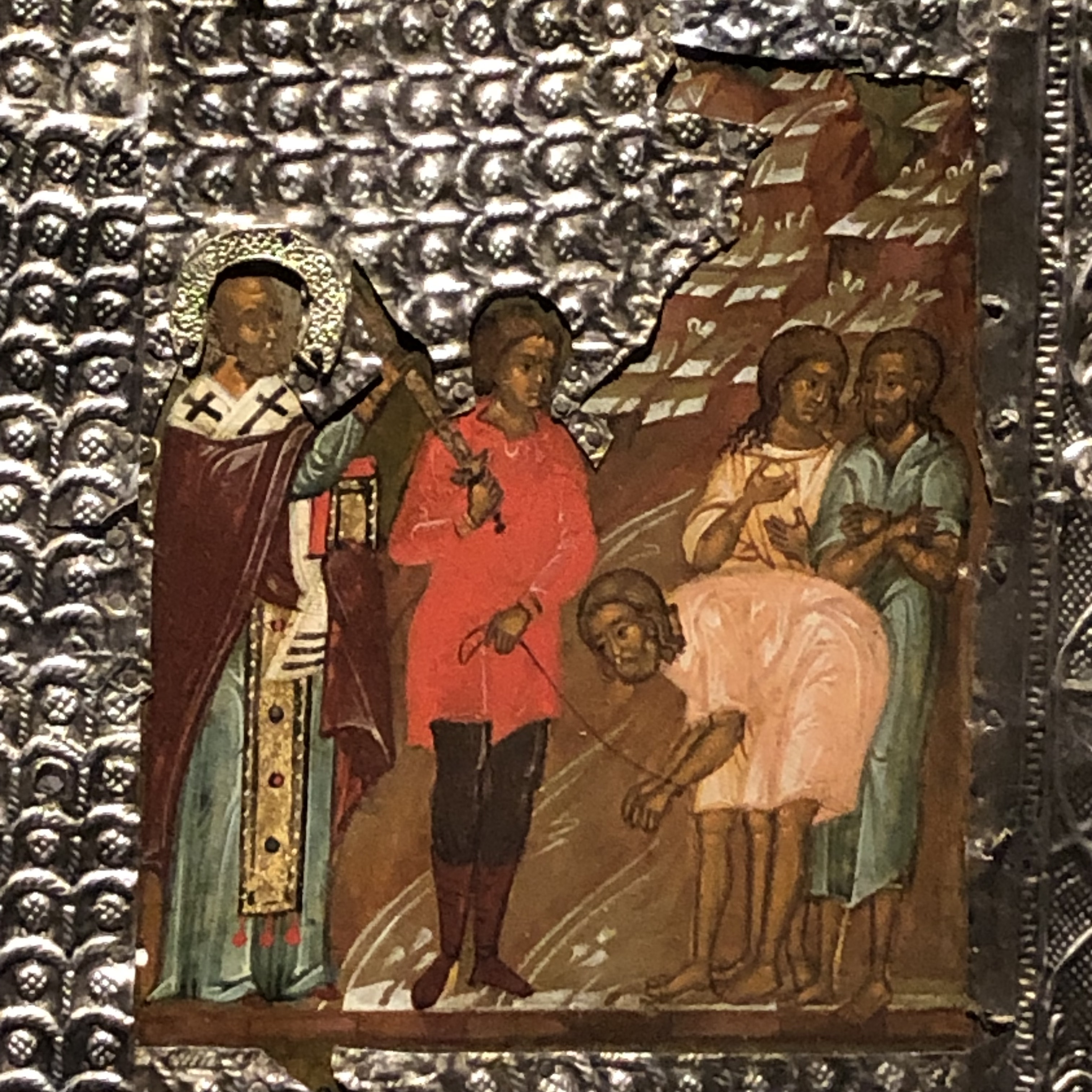
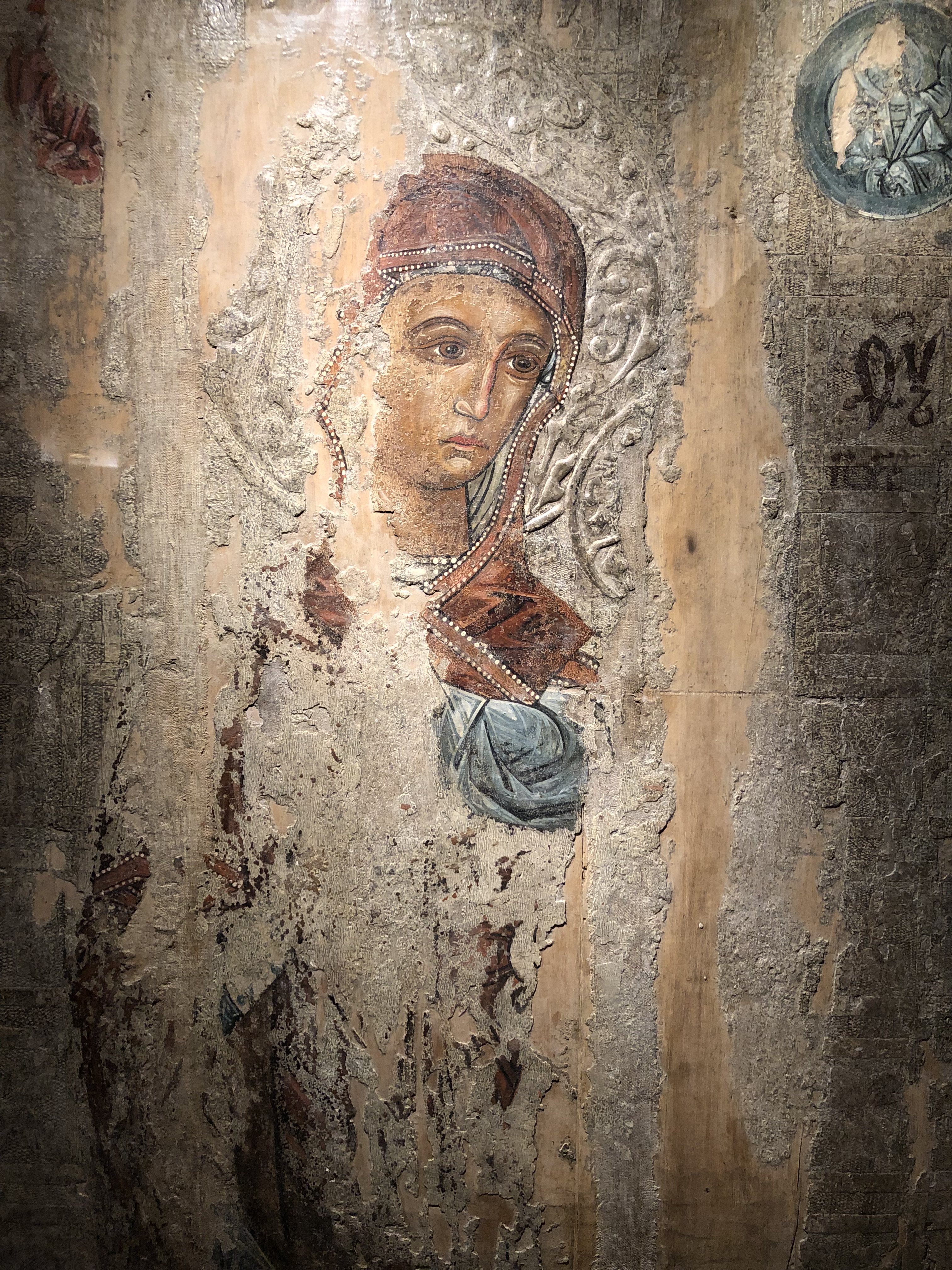
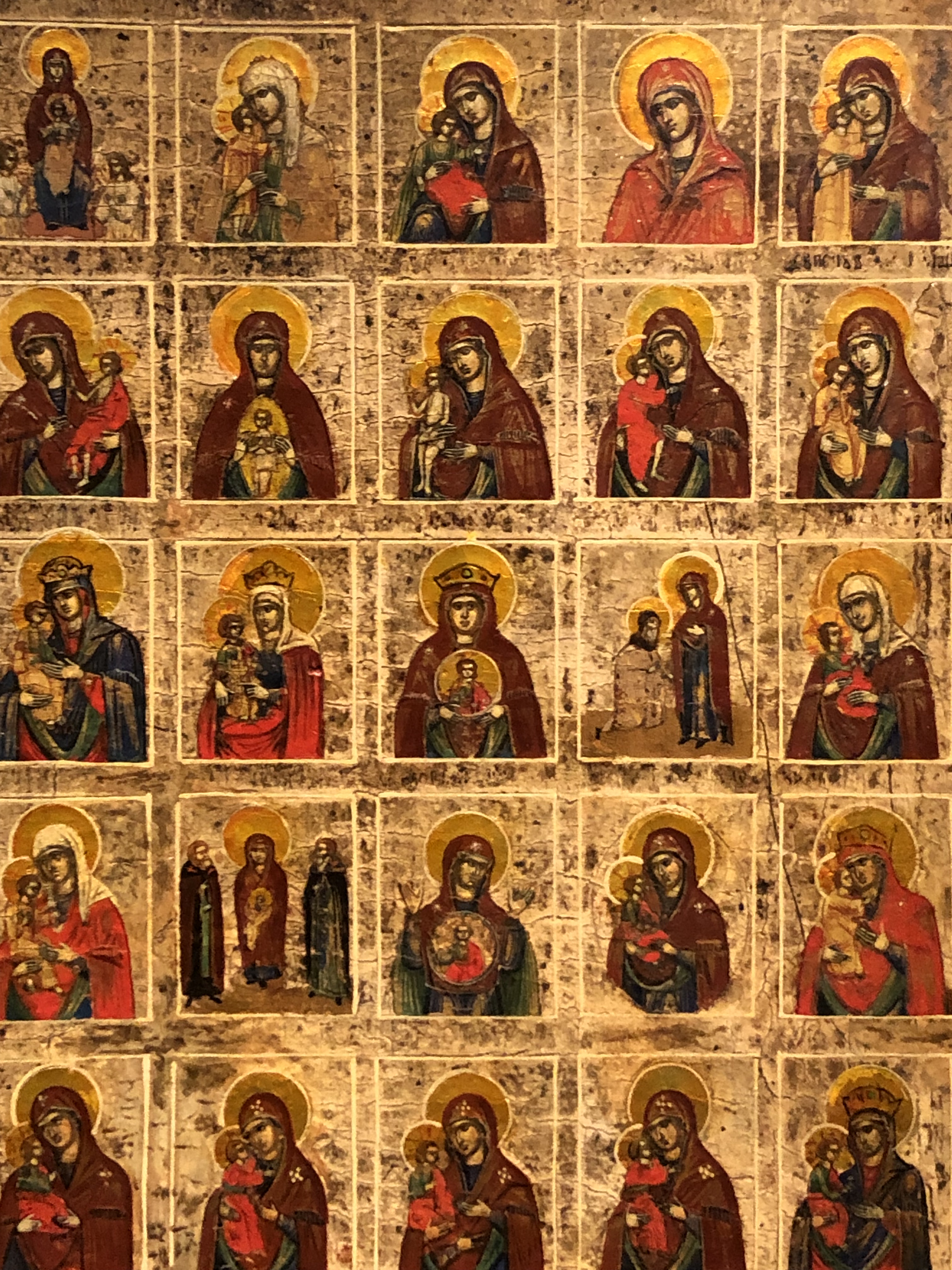
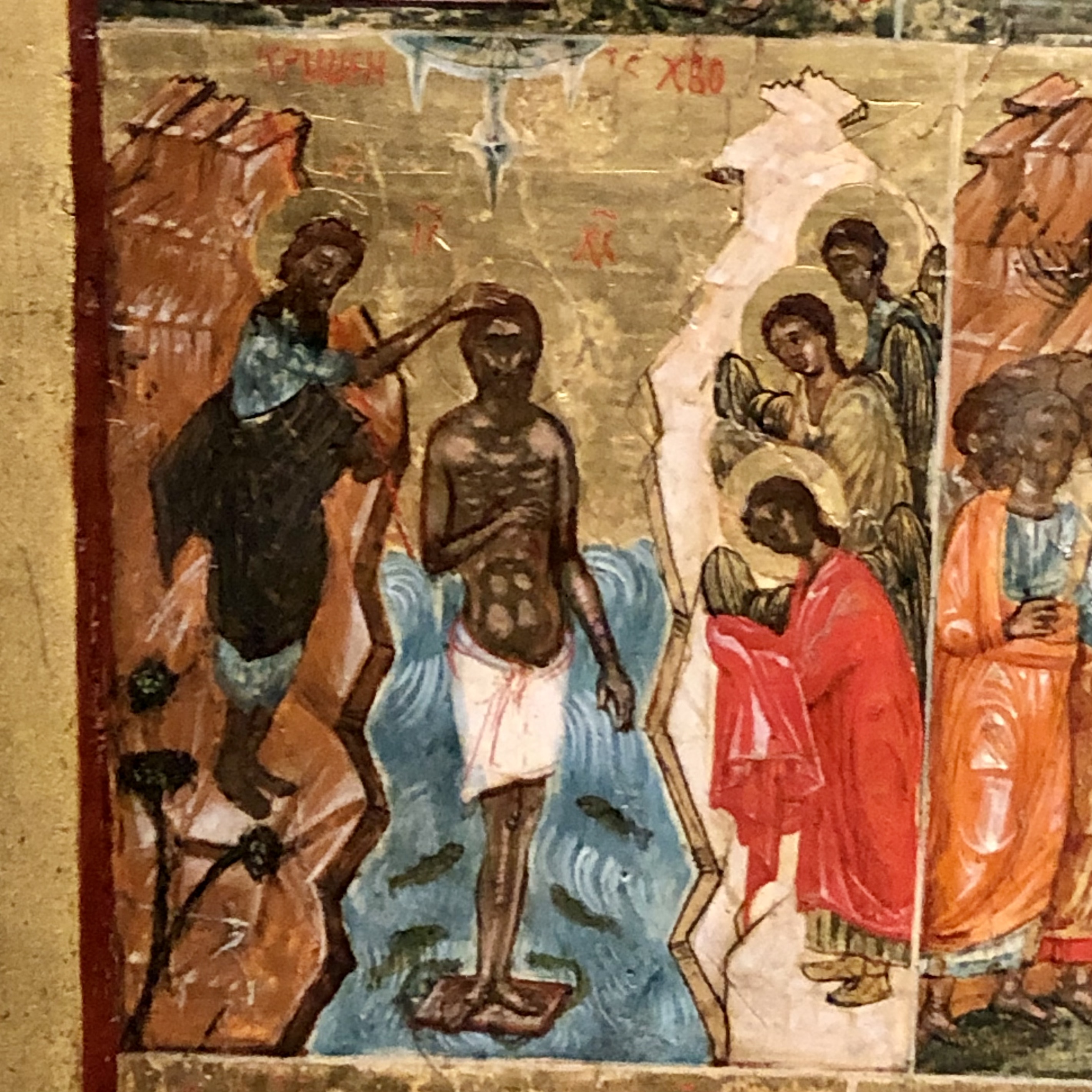
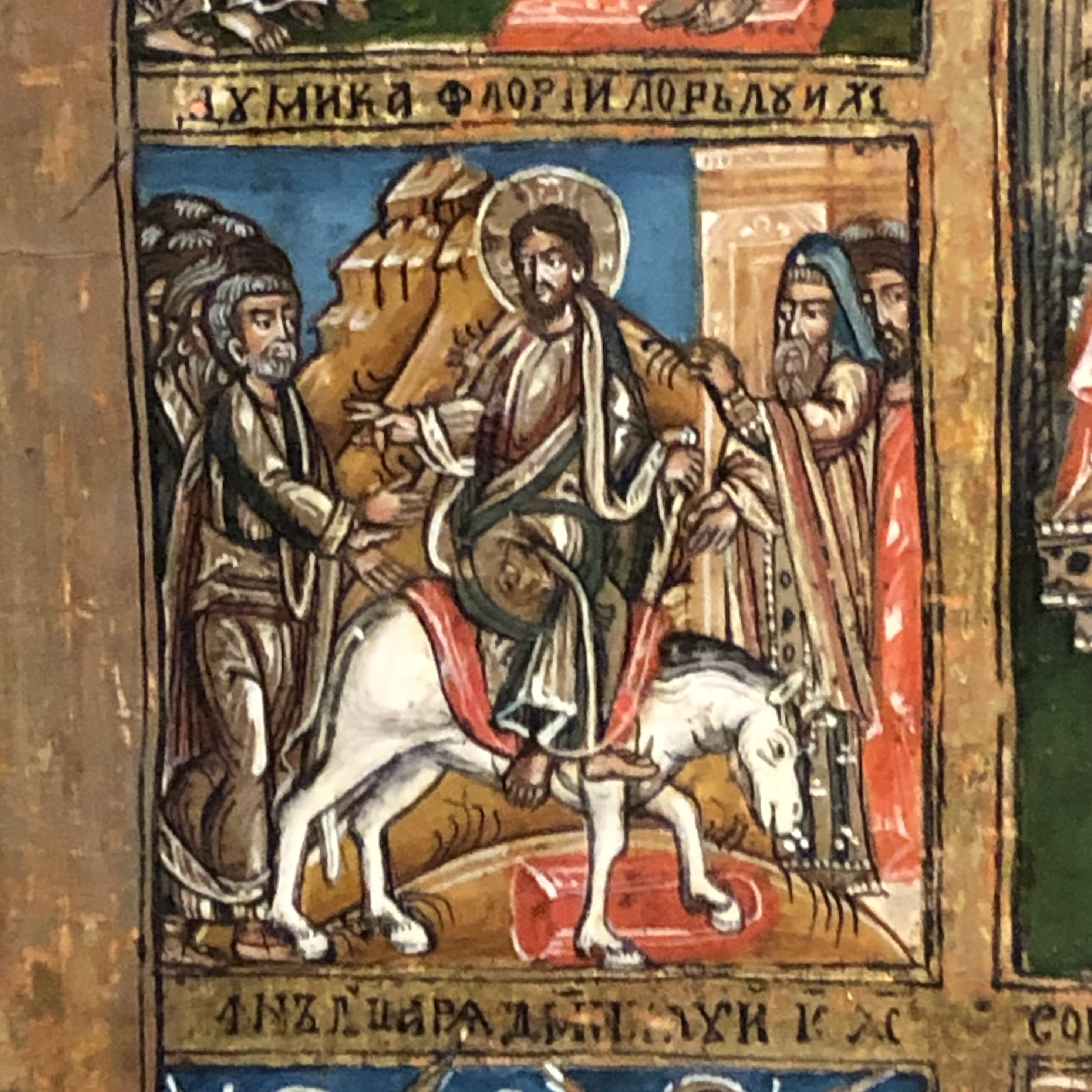
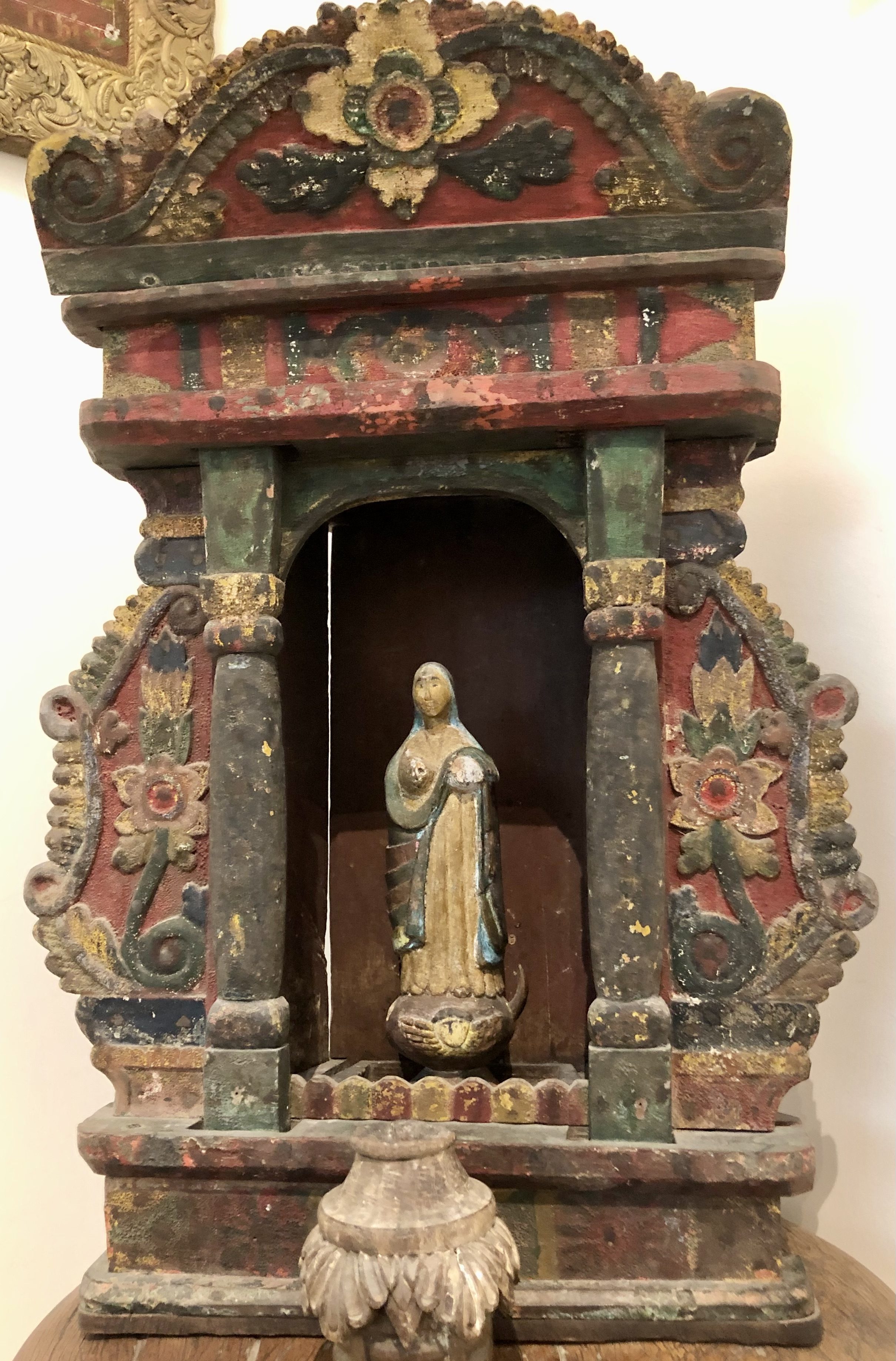
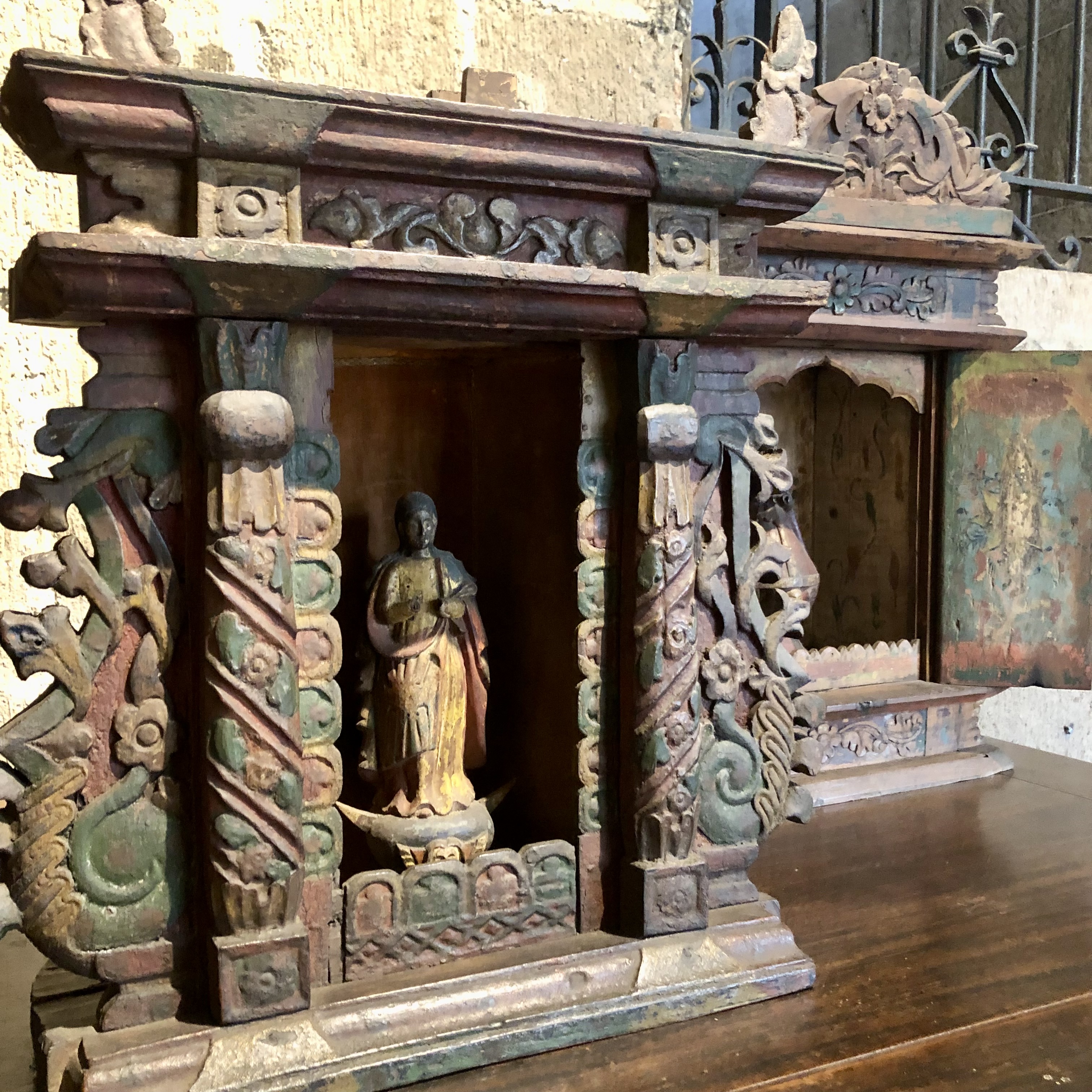
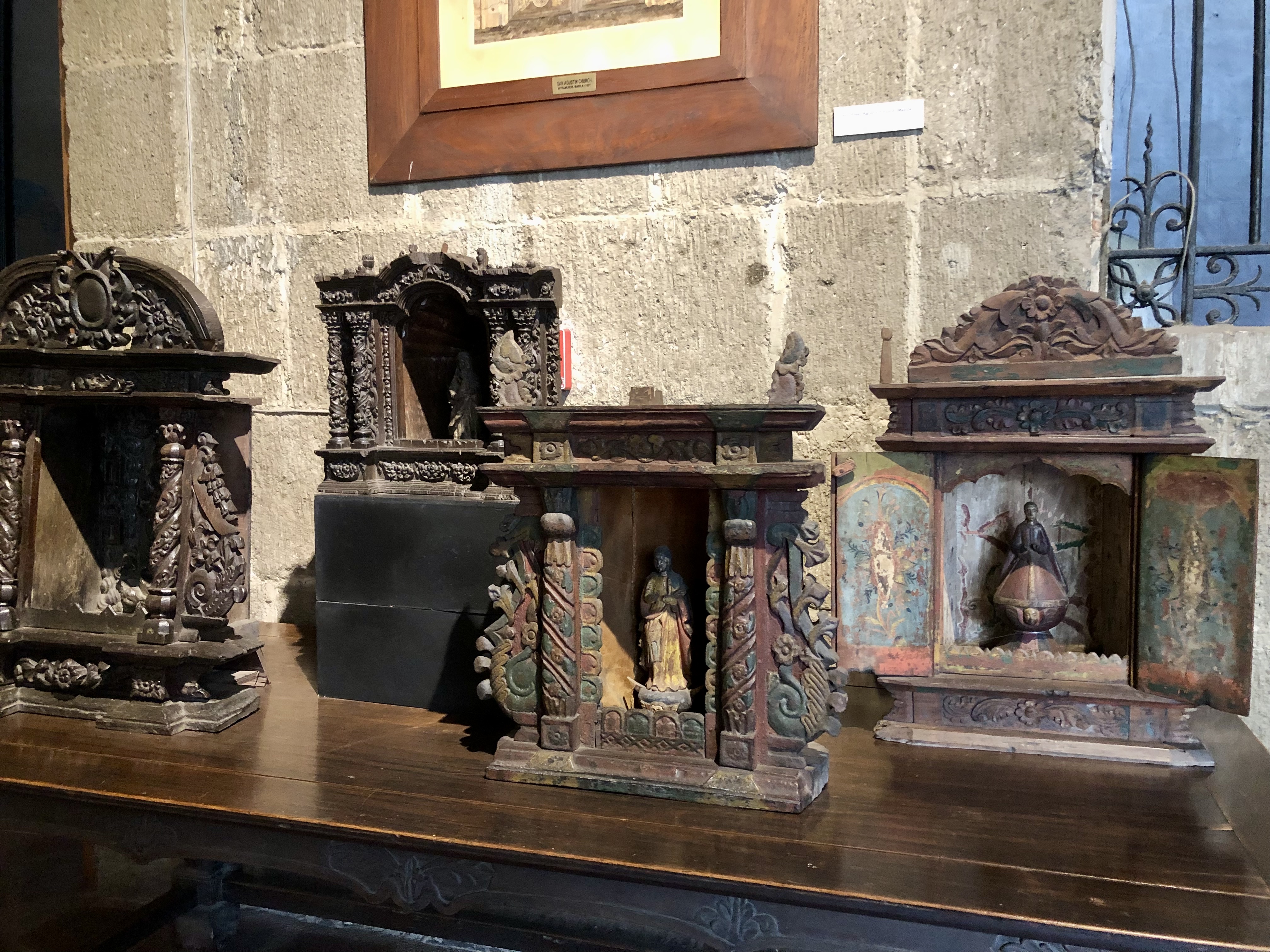
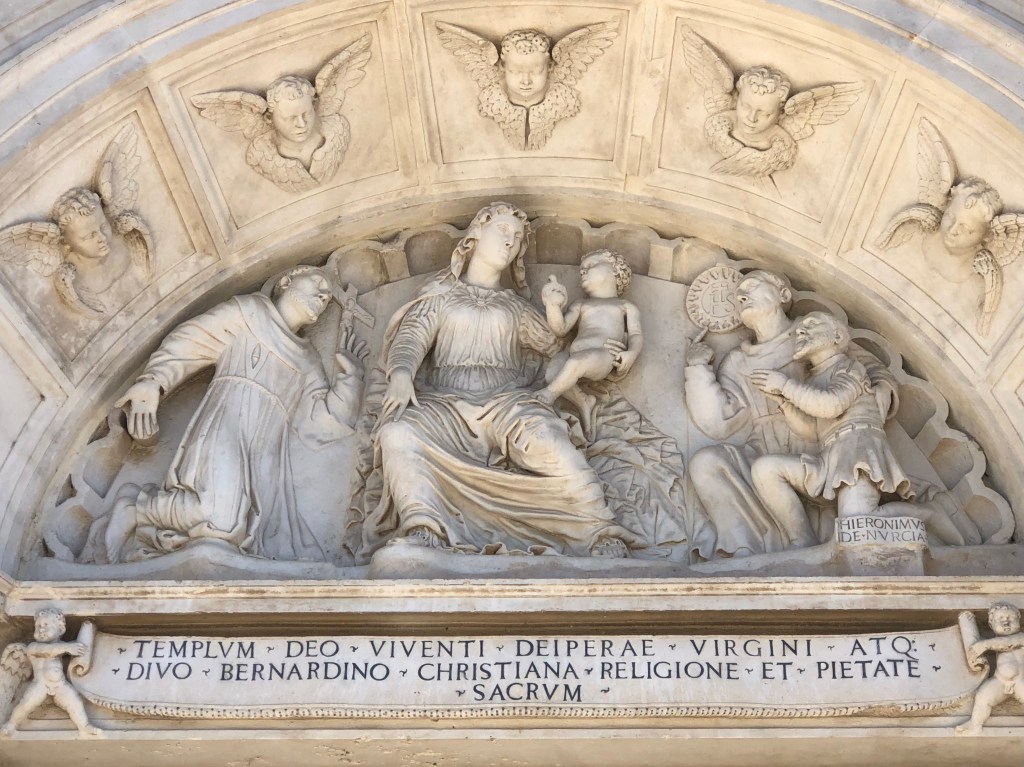
One of my discoveries when visiting the island of Bohol, home to the iconic Chocolate Hills, was a particular local devotional tradition, the “urnas,” which are small shrines made for homes during the colonial period. The urnas first caught my attention in the museum of the Church of St. Augustine in Manila (below), but it was only when I arrived in Bohol that someone explained the tradition. The urnas typically contain a saint and are beautifully carved and painted.

Some of the saints depicted reflect the missionary orders that evangelized the areas, and others give a window into the local piety of the time. Note for example, the statue of St. Roch (with his dog), a saint often invoked against plague. St. Vincent Ferrer also seems to have been particularly popular. This depiction of the Holy Family seems appropriate as Christmas approaches:

Continue reading “The urnas of Bohol”

M.C. Escher in Rome

We’re now smack in the middle of another busy semester at the Gregorian University, which doesn’t leave much time for getting out in Rome. (Seeing the hordes of tourists you might not believe it, but not everyone in Rome is on vacation!)

M.C. Escher, Street in Scanno, Abruzzi

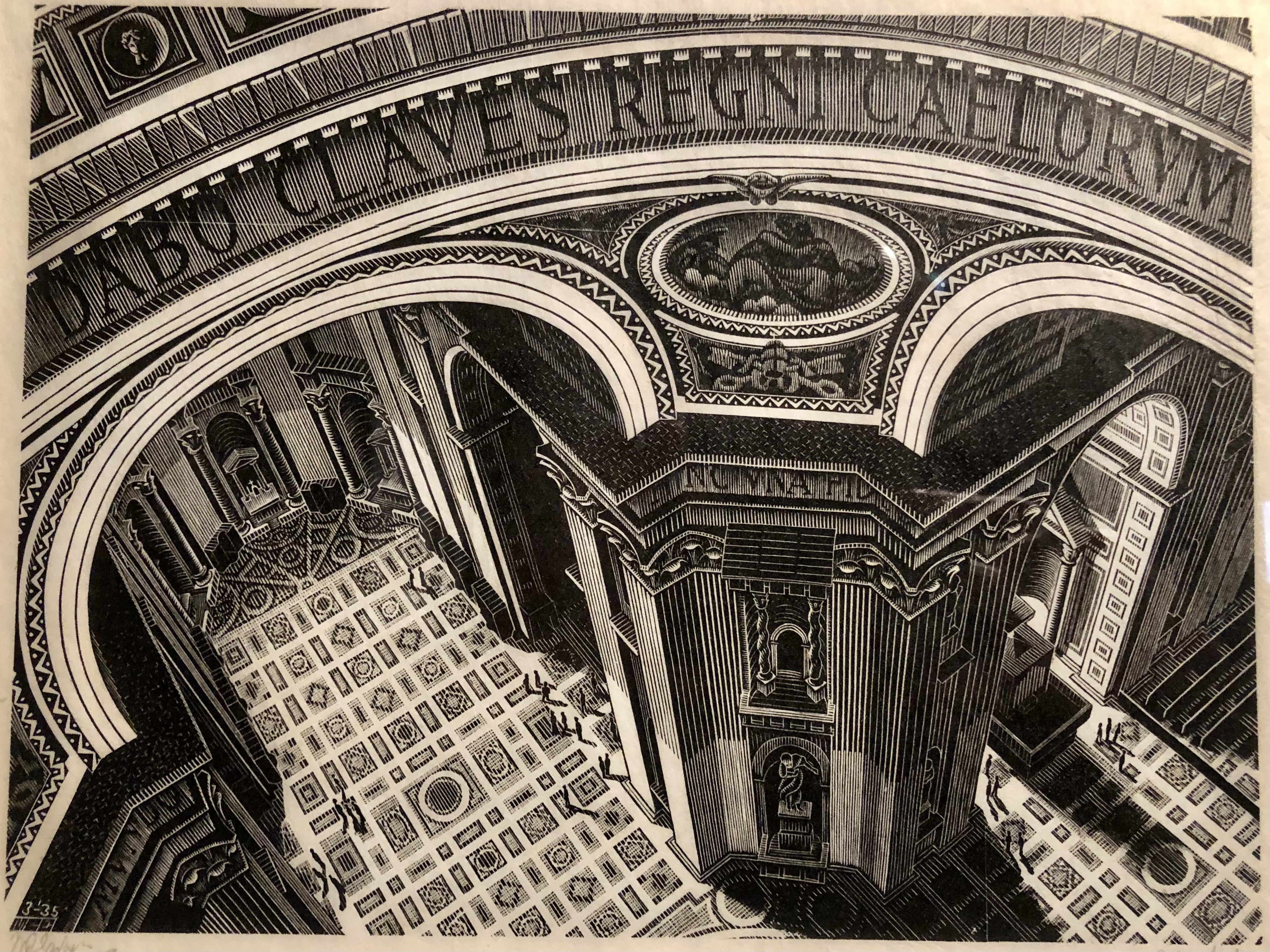
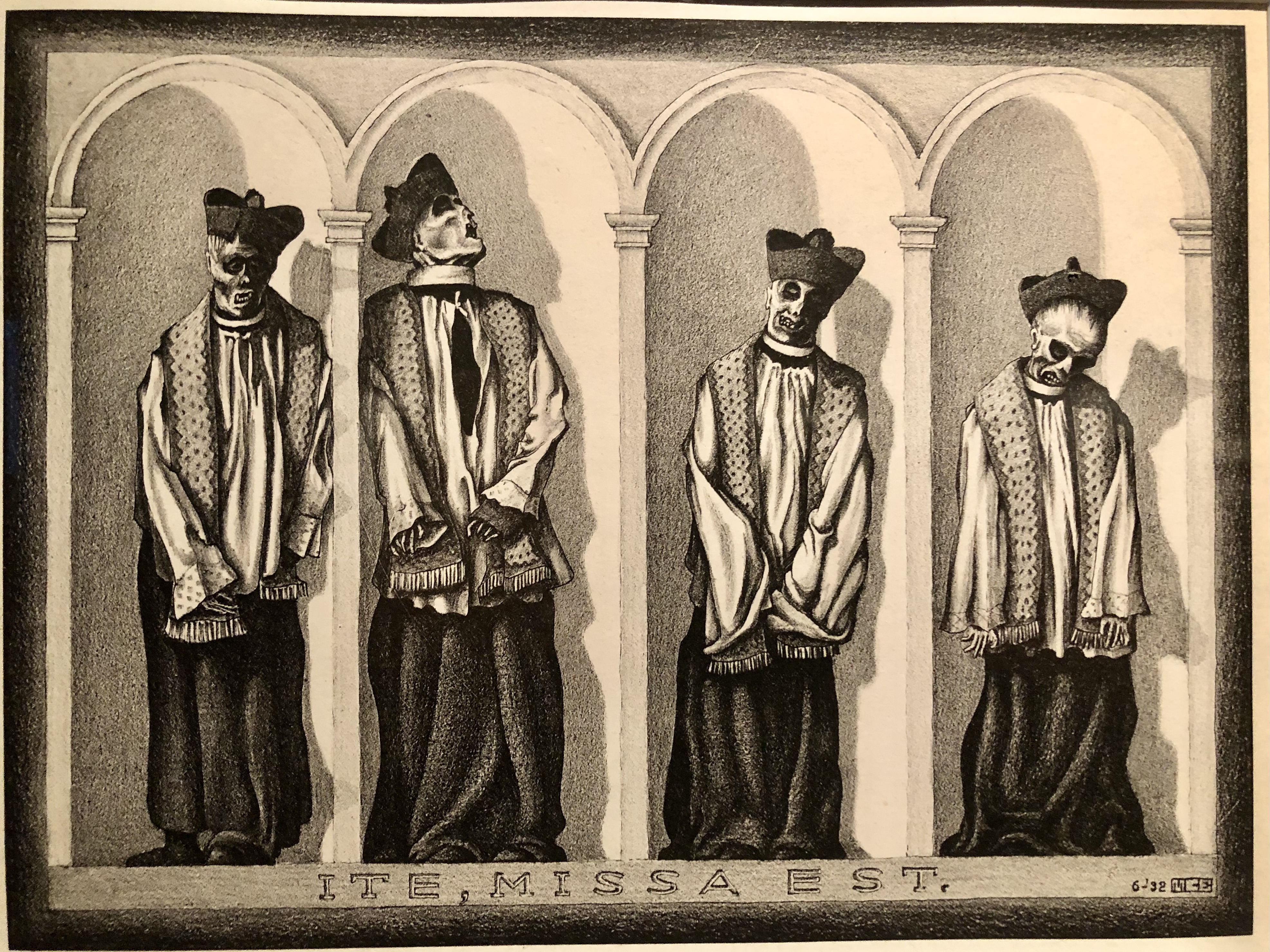
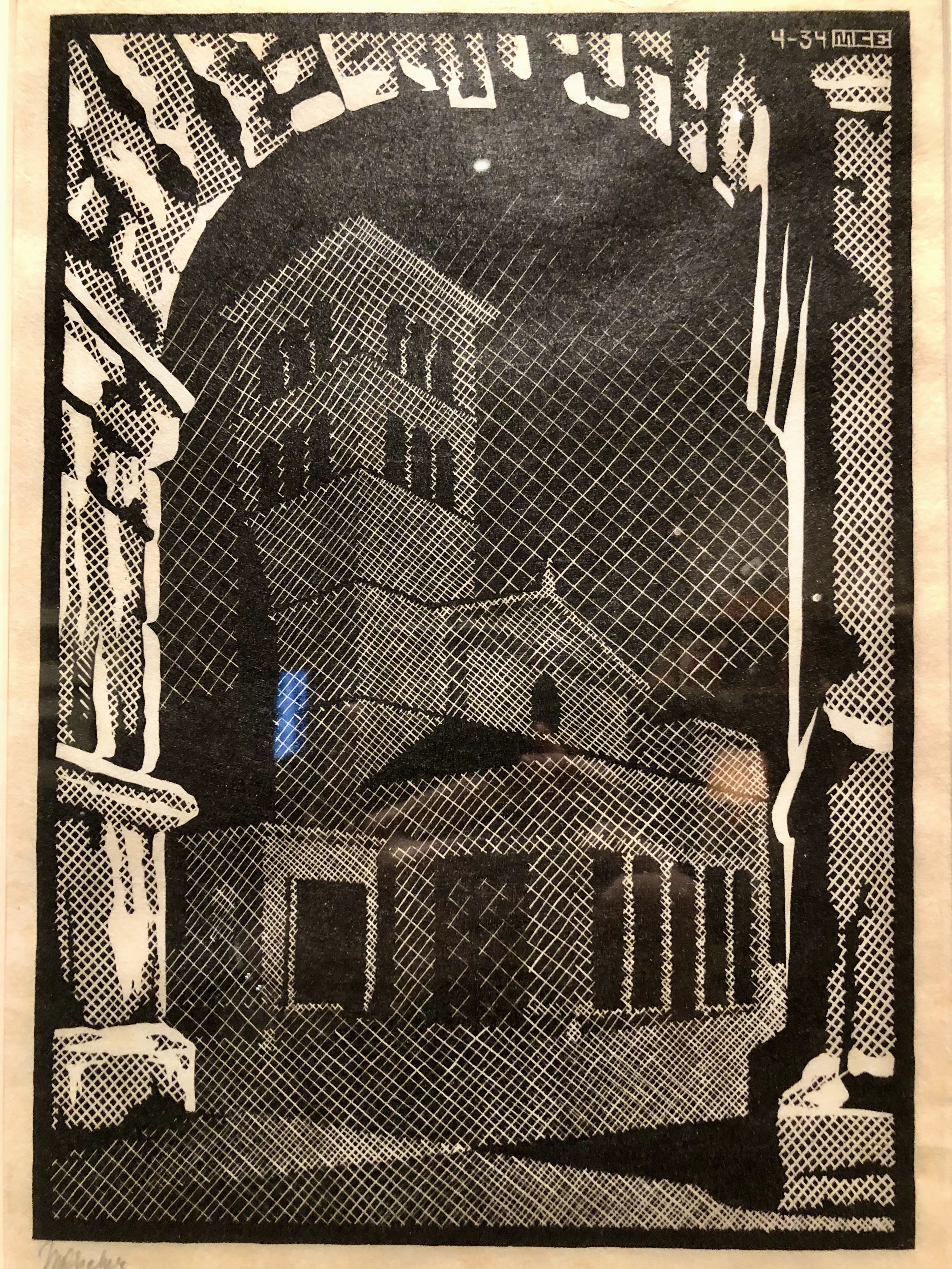
The Eternal City remains eternally fascinating, however, and every once in a while will throw something at you that you weren’t expecting. I thought I’d share a few pictures from a visiting exhibition at Palazzo Bonaparte from last year on M.C. Escher (1898-1972). The Dutchman is perhaps not who you think of when picturing an Italian artist, yet his travels in Italy between 1925-1935, especially in Calabria, were particularly formative for him. When you realize this, you begin to notice that the impossibly fantastical geometric architecture in so many of his works bears a striking resemblance to the look and feel of an Italian hilltop village.

(Below: Inside St. Peter’s [1935]; Mummified Priests in Gangi, Sicily [1932]; San Giorgio in Velabro [1934]; Still Life with Mirror [1934]. Note the holy card of St. Anthony in the corner of the mirror.)

Continue reading “M.C. Escher in Rome”

St. Matthew according to Caravaggio: a spiritual masterpiece

The Inspiration of St. Matthew, Caravaggio

One of the most remarkable places in this remarkable city of art is the Contarelli Chapel in the Church of San Luigi dei Francesi, home to the St. Matthew trilogy of Michelangelo Merisi da Caravaggio. Three paintings–The Conversion, The Inspiration, and The Martyrdom of St. Matthew–tell the story of the life of the saint, from his improbable calling to his death. The paintings are full of artistic drama, reflecting the artist’s own spiritual struggles and his attempt to find his place among Italy’s artistic greats.

Contarelli Chapel, San Luigi dei Francesi, Rome

The paintings date from early in Caravaggio’s career (1599-1600), when he was at the apex of his success in Rome. Only a few years after painting the St. Matthew trilogy, however, Caravaggio’s artistic career was sabotaged by his own unruly passions–he was forced to flee Rome after murdering a man in a brawl. As I’ve argued before, the fact that Caravaggio sinned so spectacularly does not negate a deep thirst for God or his spiritual and sacramental sense. In fact, as so often happens, awareness of his sin may have heightened the need the artist felt for redemption. In one of his later works, which he painted while in exile for his crime, David holds the head of Goliath–who bears Caravaggio’s own anguished face.

David with the Head of Goliath, Caravaggio, Borghese Gallery, Rome

Conversion also drives the “plot” of Caravaggio’s St. Matthew cycle. The first of the paintings, The Call of Matthew, depicts the moment when Jesus walks into Matthew’s customs post where the tax collector sits among cronies, coins spread over the table in front of him. Light shines in from a window just over the Lord’s head and hits Matthew straight on as Jesus raises his hand and points an unrelenting finger, as if to say, “You.” The tax collector’s own finger rises to his chest and his eyes widen, as if to respond, “Who? Me?” Or perhaps he is trying to distract the Lord’s gaze by pointing to the ne’er-do-well next to him, whose eyes are still fixed on the coins. In either case, the painting captures all the passion and confusion of the call to conversion–the unrelenting gaze of God, the instinctual avoidance and doubt of the sinner who is called. Does Matthew think himself unworthy? Shy away from relinquishing the wealth he knows? Hesitate when truth itself dissolves the shadows of ambiguity he has woven around himself? Probably, all of the above.

Continue reading “St. Matthew according to Caravaggio: a spiritual masterpiece”

IHSes and resigning popes

Basilica of San Bernardino, L’Aquila

Last month the Gregorian Jesuits took our spring community outing to L’Aquila, capital of the Abruzzo region. L’Aquila was most recently in the news for a 2009 earthquake that tragically killed over 300 people. Most buildings in the city have been restored, though construction still abounds.

Highlights of the trip were two churches. The first, the Basilica of St. Bernardino of Siena, is dedicated to the Franciscan preacher (1380-1444) with a great devotion to the name of Jesus. In fact, in images of St. Bernardino one frequently sees the IHS Christogram–using the Greek letters for the name of Jesus. The “IHS” was later taken up, of course, by the Society of Jesus. The IHS sunburst with the three nails of Christ’s passion is prominently displayed all over the Basilica of San Bernardino. The saint died in L’Aquila and is buried in the basilica.

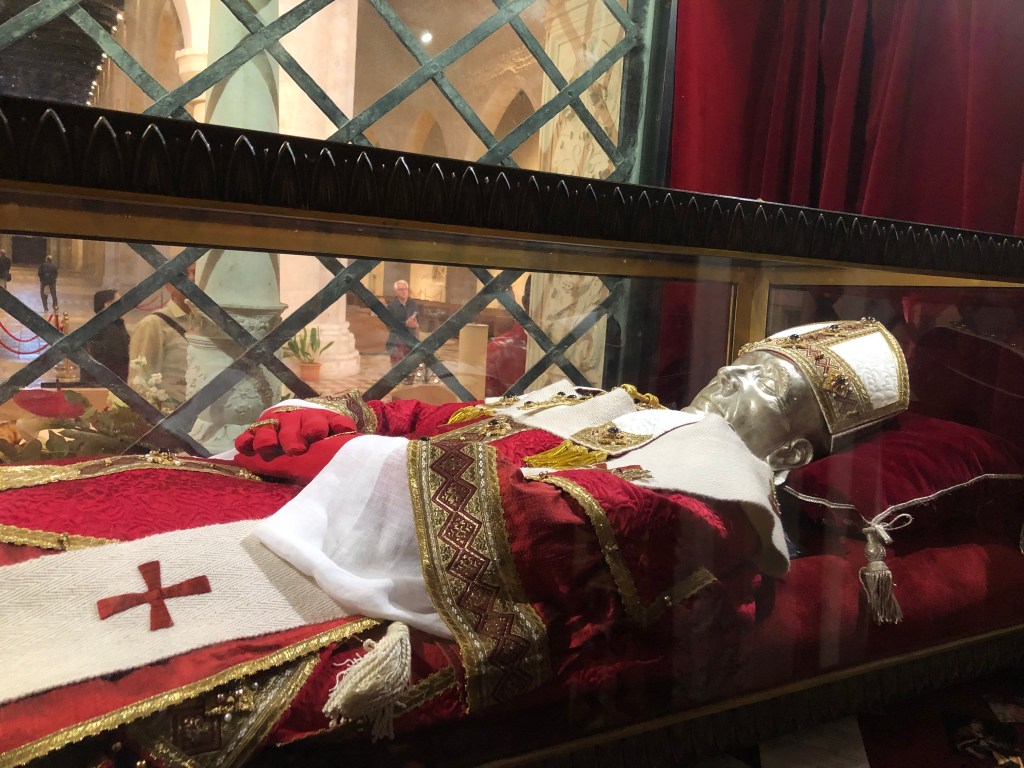
Tomb of Pope St. Celestine V, L’Aquila

L’Aquila’s other iconic church is Santa Maria di Collemaggio, burial place of Pope Celestine V (1215-1296). It is known as the Church of Pardon because of the plenary indulgence Celestine attached to the church–what locals refer to as an annual Jubilee. Celestine’s papacy, however, could hardly be considered a success, and he resigned after only a few months in office. He was a holy hermit, perhaps never really cut out to be pope.

Continue reading “IHSes and resigning popes”

Filippo and Filippino Lippi at Rome’s Capitoline Museum

Filippo Lippi, Madonna of Humility, 1420

Though I still have a few weeks of grading exams to go, summer is definitely here in Rome. To celebrate the end of classes, I took a morning off last week to visit a special exhibit at Rome’s Capitoline Museum. The Capitoline is one of several museums in the Eternal City that would be the top attraction anywhere else but gets overshadowed by the Vatican Museums and the Borghese Gallery. It contains a number of impressive ancient Roman sculptures and a couple of Caravaggios — antiquity and baroque being the two periods Rome is known best for. When it comes to Renaissance art, Rome takes second place to Florence (though, given the work of Michelangelo and Raphael in the Vatican, the competition is still stiff).

In any case, the Capitoline is hosting an exhibit this summer dedicated to the work of Filippo Lippi (1406-1469) and his son Filippino (1457-1504). I mentioned Filippo before for his wonderful frescoes in Spoleto’s cathedral depicting the life of the Virgin. Filippo grew up an orphan and very poor. He was raised in a Carmelite monastery in Florence and became a monk. His superiors noticed his talent and encouraged his artistic career. He proved, in fact, to be a better artist than a monk. While executing a commission in a monastery in Prato, he ran off with a 17-year old novice, Lucrezia Buti, who became the model for some of his most beautiful female figures. Filippino, you might have guessed, was the fruit of their union.

Continue reading “Filippo and Filippino Lippi at Rome’s Capitoline Museum”

From John Paul II’s “Letter to Artists”

Every genuine artistic intuition goes beyond what the senses perceive and, reaching beneath reality’s surface, strives to interpret its hidden mystery. The intuition itself springs from the depths of the human soul, where the desire to give meaning to one’s own life is joined by the fleeting vision of beauty and of the mysterious unity of things. All artists experience the unbridgeable gap which lies between the work of their hands, however successful it may be, and the dazzling perfection of the beauty glimpsed in the ardour of the creative moment: what they manage to express in their painting, their sculpting, their creating is no more than a glimmer of the splendour which flared for a moment before the eyes of their spirit.

Believers find nothing strange in this: they know that they have had a momentary glimpse of the abyss of light which has its original wellspring in God. Is it in any way surprising that this leaves the spirit overwhelmed as it were, so that it can only stammer in reply? True artists above all are ready to acknowledge their limits and to make their own the words of the Apostle Paul, according to whom “God does not dwell in shrines made by human hands” so that “we ought not to think that the Deity is like gold or silver or stone, a representation by human art and imagination” (Acts 17:24, 29). If the intimate reality of things is always “beyond” the powers of human perception, how much more so is God in the depths of his unfathomable mystery!  […]

Beauty is a key to the mystery and a call to transcendence. It is an invitation to savour life and to dream of the future. That is why the beauty of created things can never fully satisfy. It stirs that hidden nostalgia for God which a lover of beauty like Saint Augustine could express in incomparable terms: “Late have I loved you, beauty so old and so new: late have I loved you!”

From Pope St. John Paul II, Letter to Artists (1999)

Saint Emilianus of Trevi

St. Emilianus of Trevi is perhaps destined to be overshadowed by St. Thomas Aquinas with whom he shares a feast day, January 28. He was one of the many bishops martyred during Roman persecution who provided inspiration and strength to their local communities but today are little know, the details of their biographies mingled with legend.

From the Martyrdom of St. Emilianus of Trevi, 12th century, Spoleto

I came across a striking set of 12th century carvings depicting the martyrdom of the saint in Spoleto last year and was taken by their vividness. St. Emilianus hailed originally from Armenia and came to Italy in the third century, where he was made the first bishop of Trevi. He was martyred during the persecution under Emperor Diocletian in 304, and his relics are preserved in Spoleto Cathedral.

He was condemned to die by a Roman proconsul for his refusal to sacrifice to the gods, but–as the panels from Spoleto recount–the first attempts to put him to death failed. The wild beasts sent to kill him instead bowed before him, and when he was tied up to be burnt the torches of his would be executioners fizzled out as they approached him. Finally, he was beheaded. The last panel of the work depicts Christ enthroned in heaven welcoming the martyr.

San Giovanni dei Fiorentini

Baptism of Jesus, Antonio Raggi, San Giovanni dei Fiorentini, Rome

To celebrate the feast of the Baptism of the Lord–which this year falls unusually on a Monday–I thought I’d share a few photos from one of Rome’s lesser known churches, San Giovanni dei Fiorentini. A baroque church, it was built for the Florentine expats in Rome back when Florence was an independent city-state and named for the city’s patron, St. John the Baptist. The church contains a relic of Mary Magdalene (her foot), and is the burial place of the great–but tragically unhappy–baroque architect Francesco Borromini. It also contains a number of interesting artistic works featuring baptism. 

I’ve written before about the importance of baptism, but I have a personal reason to be particularly fond of San Giovanni dei Fiorentini. Its 17th century altarpiece, the Baptism of Jesus by Antonio Raggi, features on the beautifully designed cover of my book Baptism of Desire and Christian Salvation. Of course, I’d like to think that what’s inside the cover is pretty interesting as well, and I’m pleased that the book’s release date is coming up later this month–January 26. There’s more information on the website of Catholic University of America Press, and the book is available on other online sellers such as Amazon.

In the meantime enjoy the views of San Giovanni dei Fiorentini.

A jaunt to Spoleto

The Coronation of the Virgin, Filippo Lippi, Spoleto Cathedral

Compared to the first half of 2023, the past few months back at my day job have kept me mostly at my desk or in the classroom. I can’t complain. My students at the Gregorian University are a source of real encouragement and hope, and, even though preparing new classes is a daunting task, I always learn things in the process. This year’s new courses included penance–the sacrament and the virtue–and a seminar on marriage. The history of penance probably contains more twists and turns than that of any other sacrament, and I’ve particularly enjoyed the discussion in my marriage seminar provoked by Mark Regnerus’s excellent study The Future of Christian Marriage. 

Duomo, Spoleto
Filippo Lippi (self-portrait in the Dormition, Spoleto Cathedral)

Every semester the Jesuits in the Gregorian community also get away for a day trip, which involves a bit of relaxation together and a very big meal. This year’s trip was to the Umbrian hill town of Spoleto, the sort of place where one finds Italy at its most picturesque. Highlights include a fortress that became a papal and then state prison and a 12th century cathedral. The cathedral’s highlight is an apse fresco of the Life of the Virgin Mary (started in 1467) by the Renaissance master Fra Filippo Lippi. I’ve shared some of the frescoes on my Facebook page at Christmas time, but the colorful Coronation seems an apt scene for the Solemnity of Mary Mother of God (January 1). The work also contains a hint of scandal–Lippi, a Carmelite friar, painted himself into the scene along with Lucrezia Buti, a novice in a Florentine convent who became the artist’s model and then his, ahem, mistress. Perhaps they got a pastoral, but not a liturgical, blessing.

St. Josaphat Kuntsevych

Sunday November 12 will mark the 400th anniversary of the martyrdom of the Ukrainian Catholic bishop St. Josaphat Kuntsevych. During his lifetime St. Josaphat worked for the reunion of eastern rite Christians with the Catholic Church. He was murdered by an Orthodox mob in 1623.

St. Josaphat, Mykola Azovskyj, 1946

St. Josaphat lived and worked, first as a Basilian monk and then as an archbishop in the part of the world that today includes Poland, Lithuania, and Ukraine. The anniversary is an opportunity to seek St. Josaphat’s intercession for the suffering people of Ukraine as they continue to fight for their nation’s freedom.

To celebrate the 400th anniversary of St. Josaphat’s martyrdom, the Gregorian University is sponsoring a conference on his life and legacy as well as an art show. I have to admit, I knew rather little about St. Josaphat before strolling through the display–though he is the patron of Milwaukee’s most beautiful church–and I have never seen so many paintings of the saint before. Here’s a sampling, showing all aspects of his life, from his calling to his monastic vocation, his ministry as bishop and his eventual martyrdom.