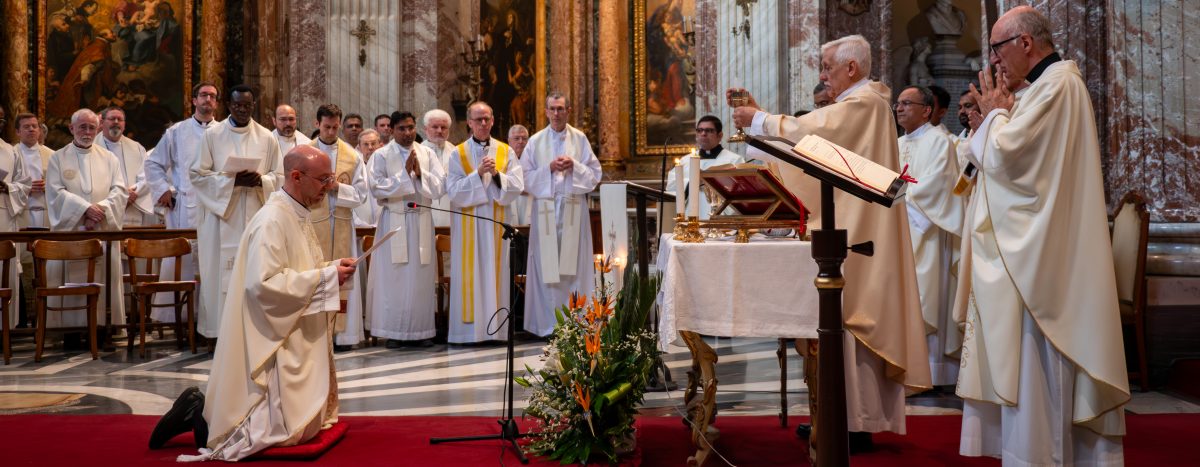
Among 2024’s highlights was my first trip to the Philippines, where I attended a meeting of Jesuit liturgists, caught up with some Jesuit friends, did my annual 8-day retreat, and had a chance to explore a bit of that wonderful country, without doubt one of the most devout in the world.
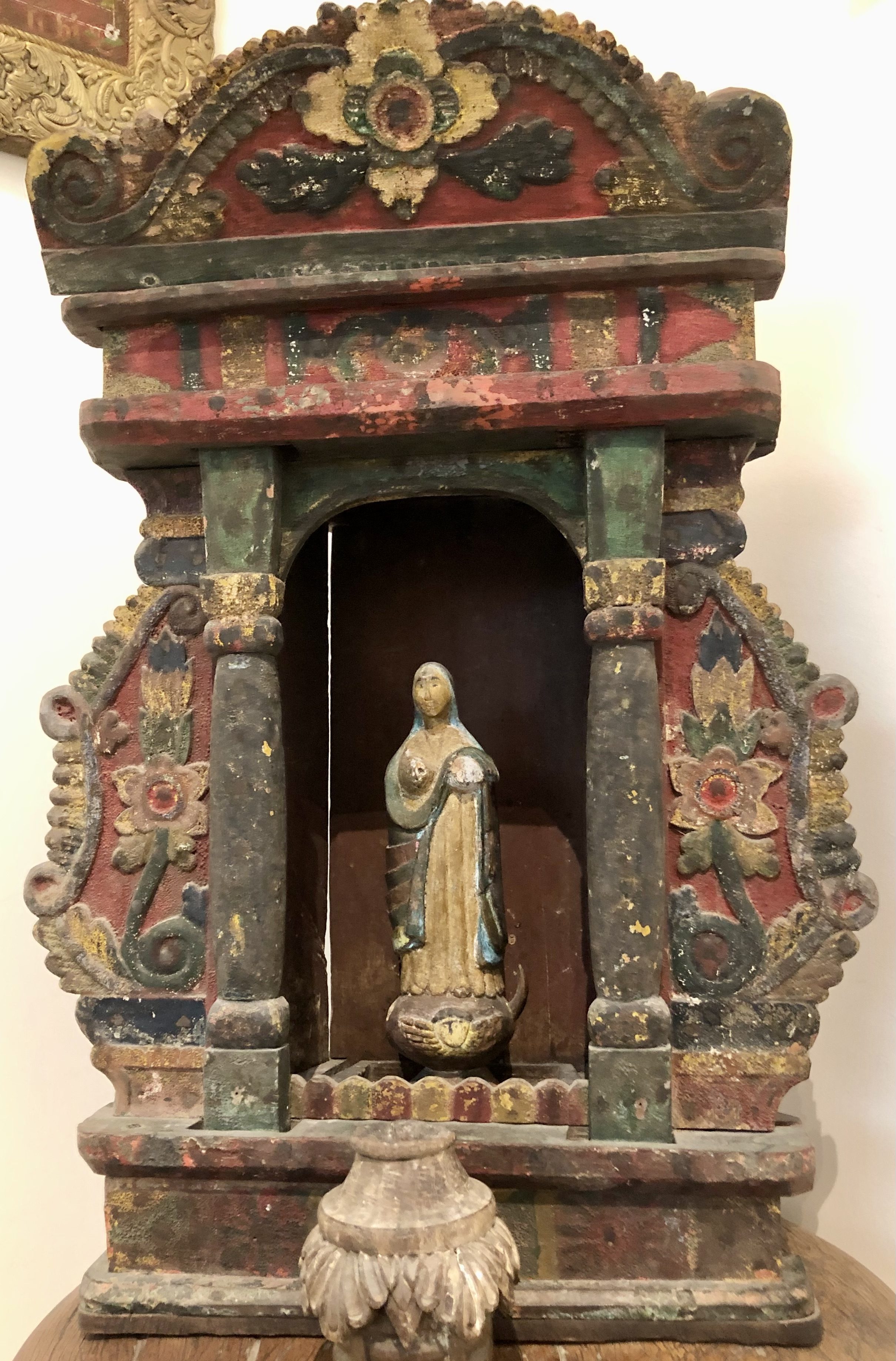
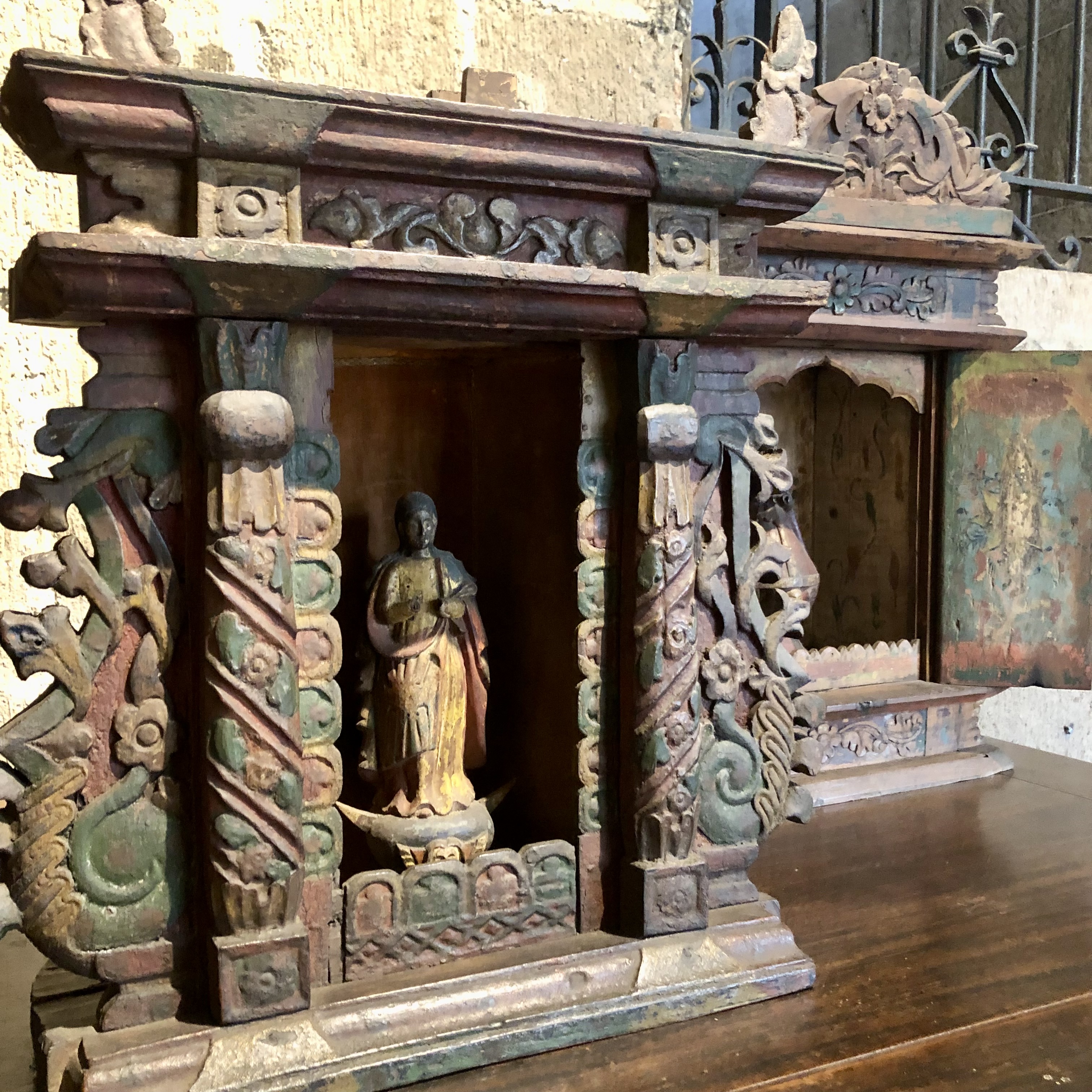
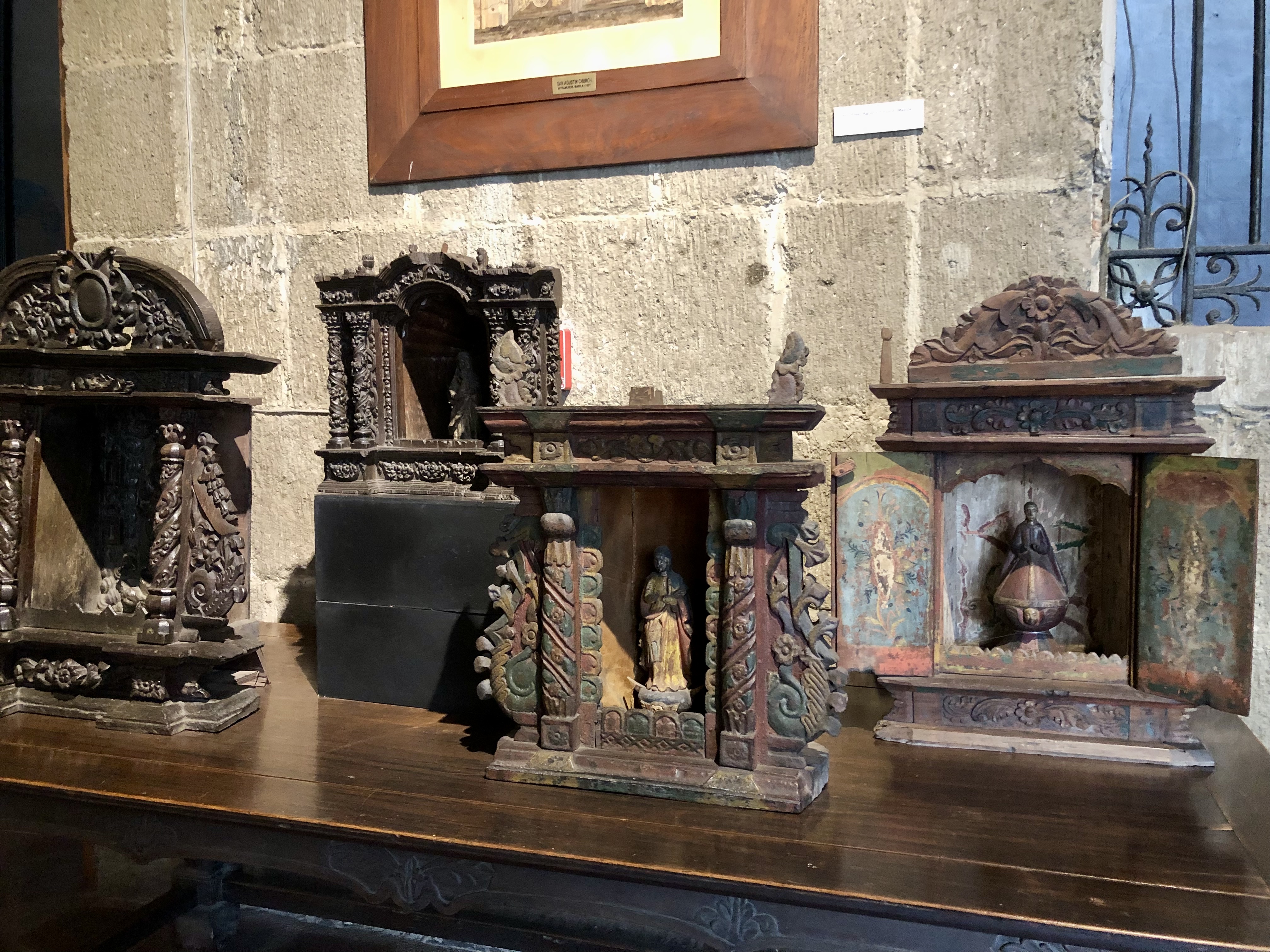
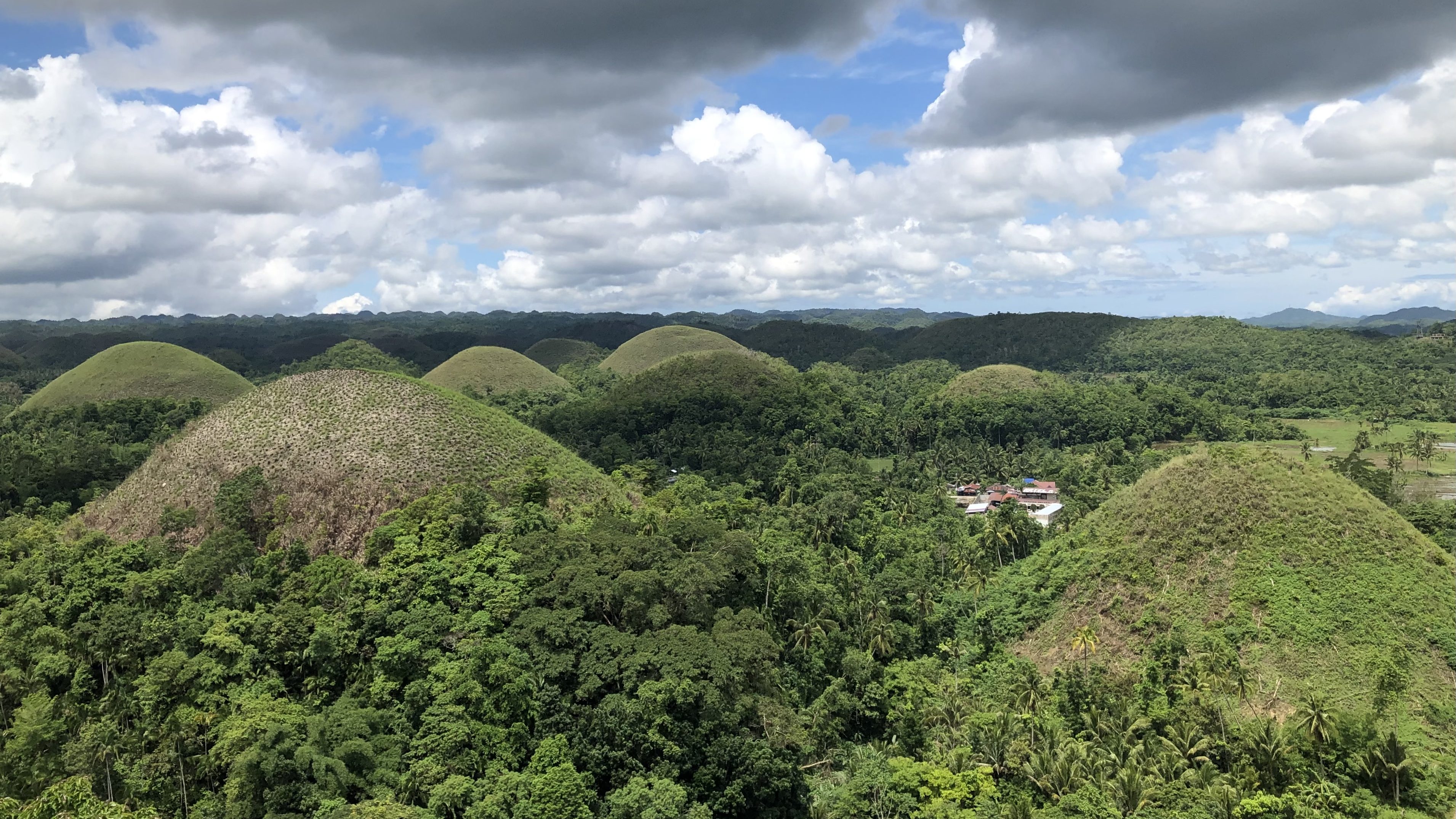
One of my discoveries when visiting the island of Bohol, home to the iconic Chocolate Hills, was a particular local devotional tradition, the “urnas,” which are small shrines made for homes during the colonial period. The urnas first caught my attention in the museum of the Church of St. Augustine in Manila (below), but it was only when I arrived in Bohol that someone explained the tradition. The urnas typically contain a saint and are beautifully carved and painted.
Some of the saints depicted reflect the missionary orders that evangelized the areas, and others give a window into the local piety of the time. Note for example, the statue of St. Roch (with his dog), a saint often invoked against plague. St. Vincent Ferrer also seems to have been particularly popular. This depiction of the Holy Family seems appropriate as Christmas approaches:
I’m happy to have another piece appear in Plough, the wonderful magazine published by the Bruderhof community. I’ve had a few essays in Plough before, about travel and nature and spirituality. This time I’m writing about Black Friday. Last year, I blogged here about what a great holiday Thanksgiving is — expressing what is best in the American character. Black Friday, on the other hand, expresses just about what’s worst — and yet it’s the holiday that has been exported around the globe. Here’s the essay: What Religion Is Black Friday?
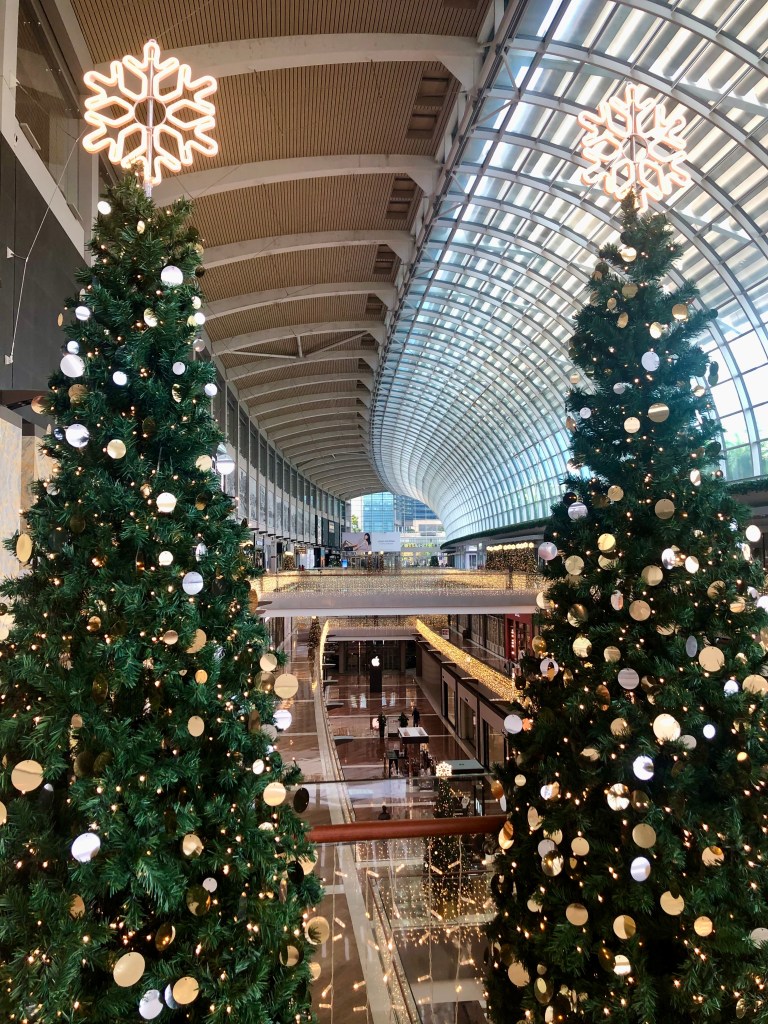
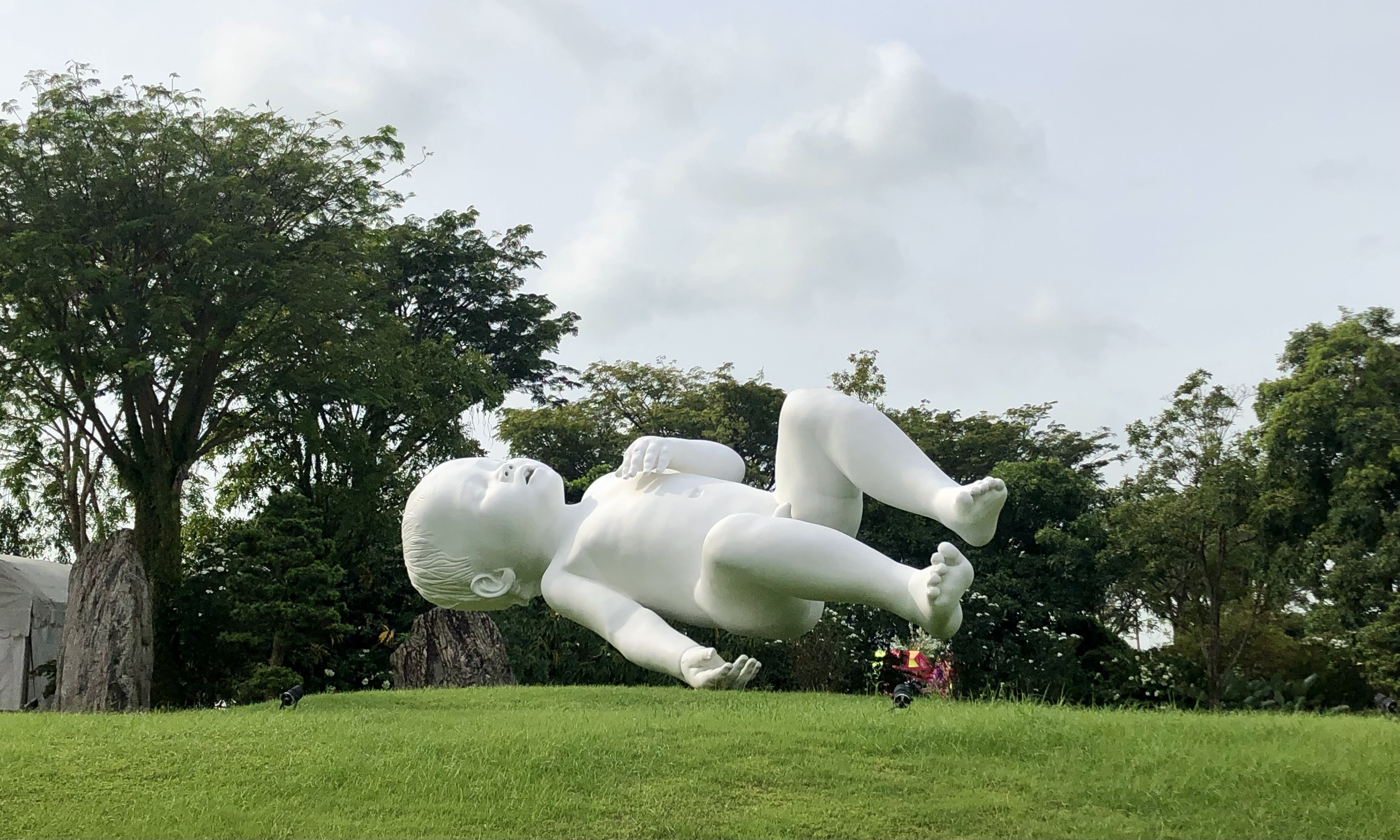
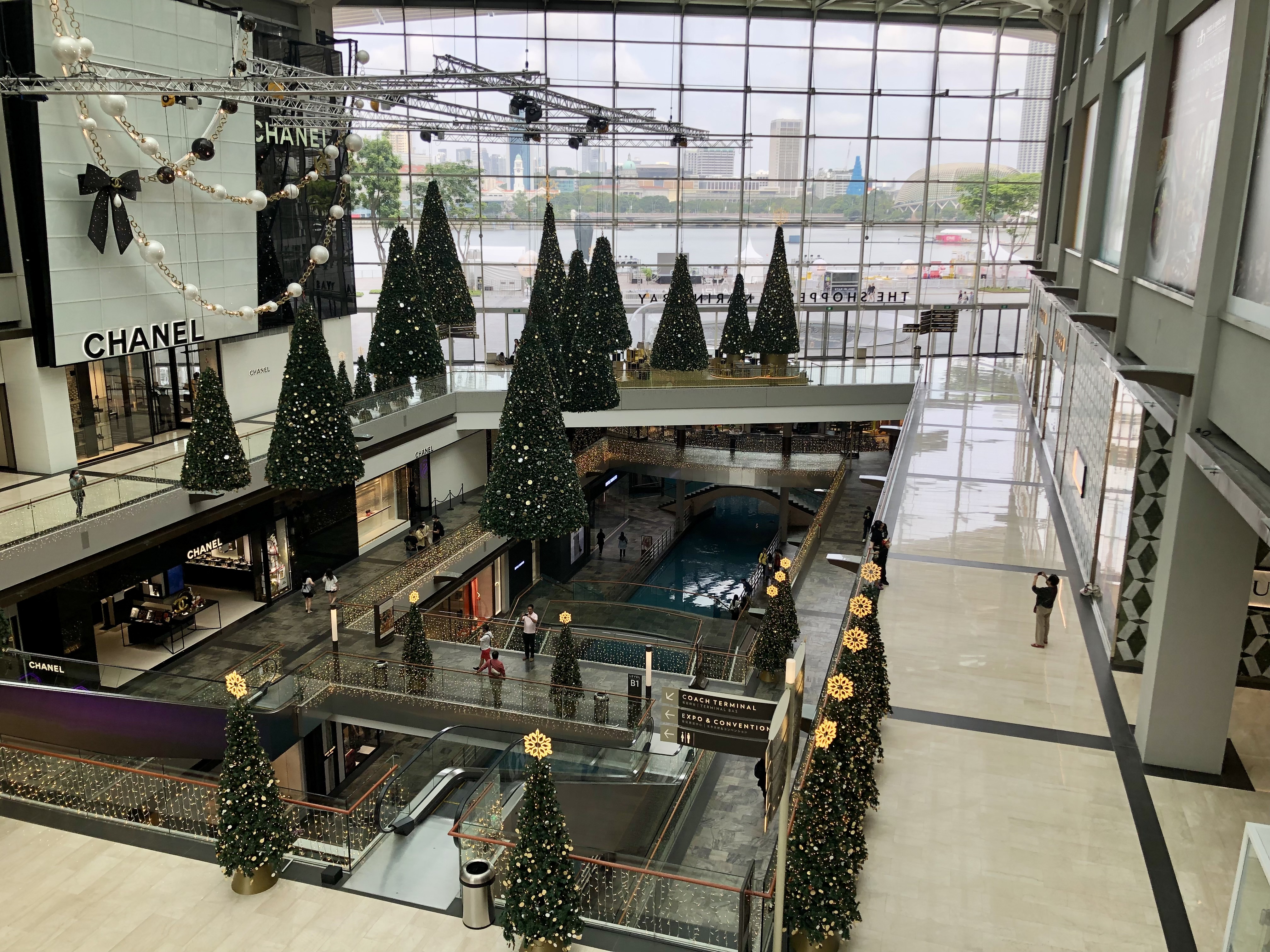
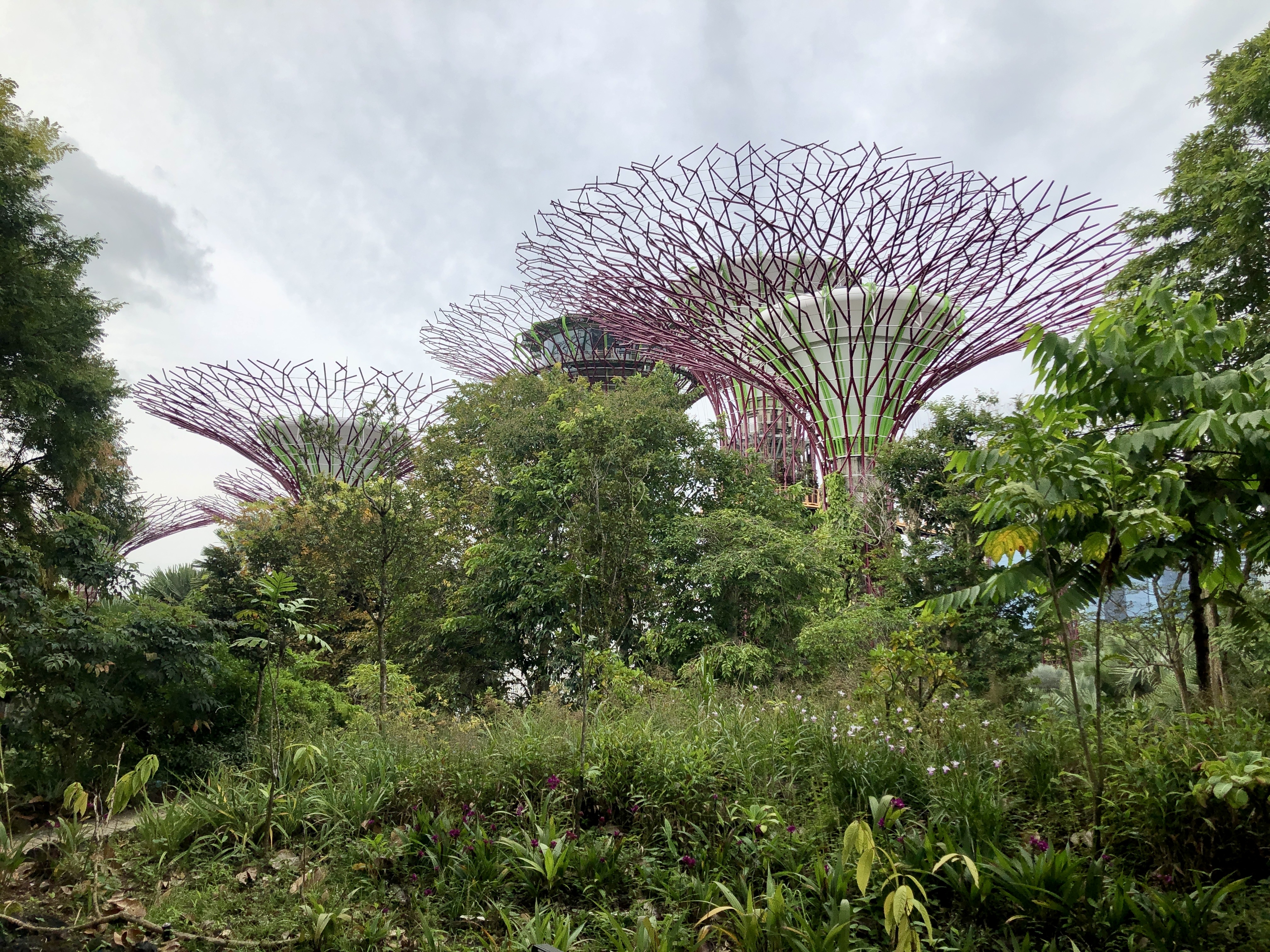
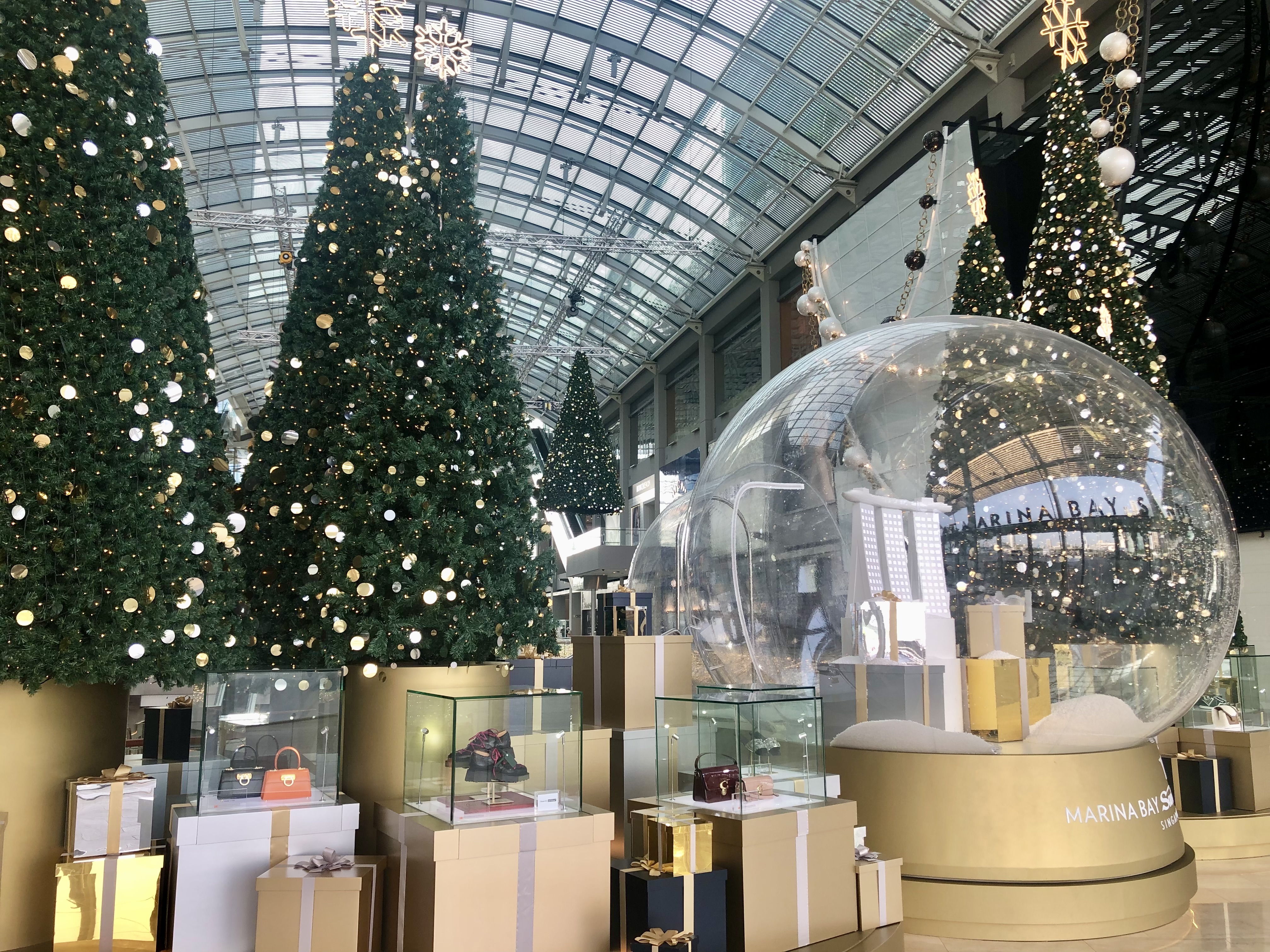
The essay begins, however, not with Black Friday itself, but by reflecting on the odd experience of arriving in Singapore on the day after Christmas a couple of years ago as I was on my way to Australia. The modern city-state was a delight to visit and my brief stop-over gave me plenty to think about. So check out the essay at Plough, and enjoy some pictures of the Singaporean sites mentioned here below.
We’re now smack in the middle of another busy semester at the Gregorian University, which doesn’t leave much time for getting out in Rome. (Seeing the hordes of tourists you might not believe it, but not everyone in Rome is on vacation!)
M.C. Escher, Street in Scanno, Abruzzi
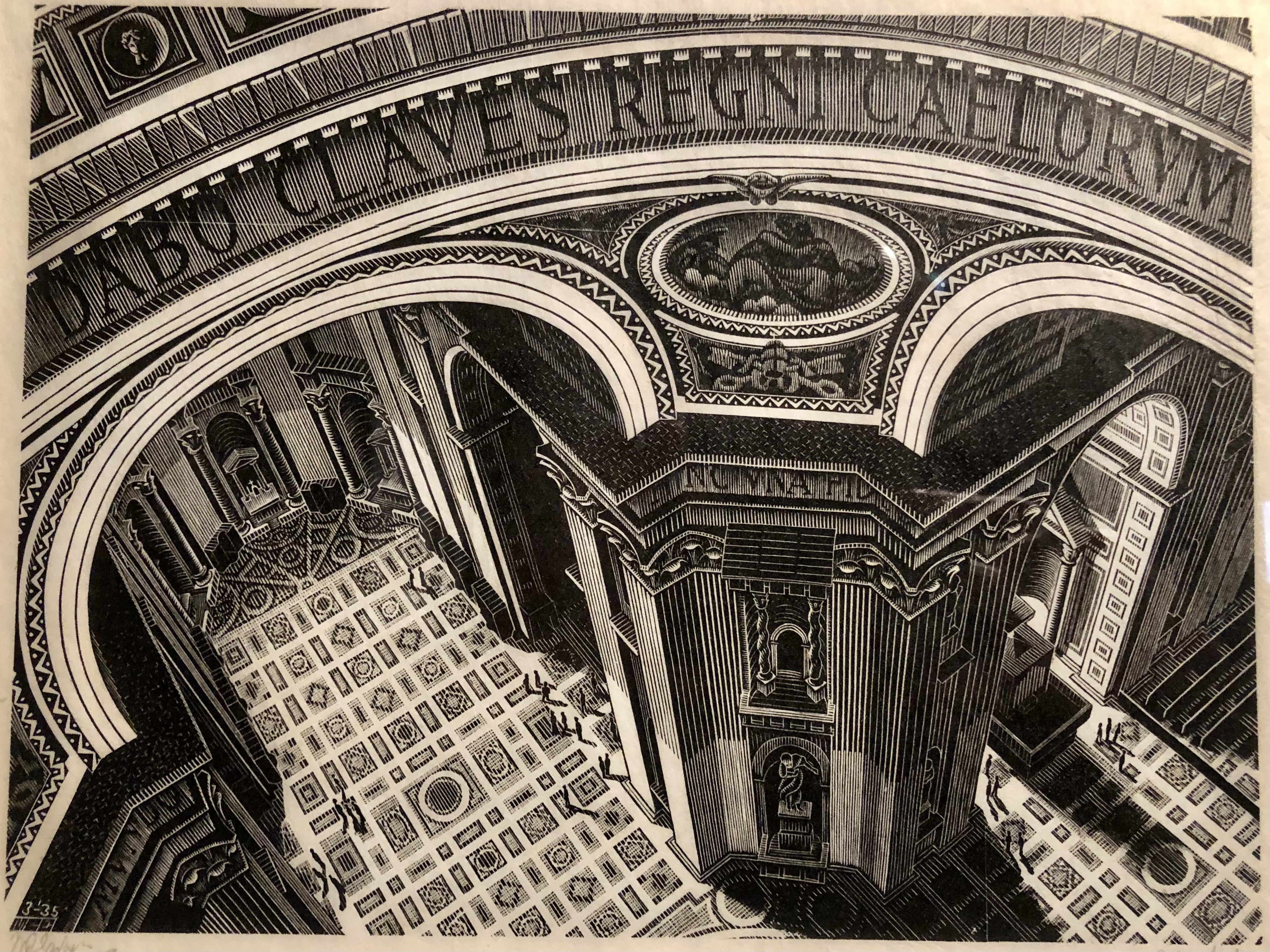
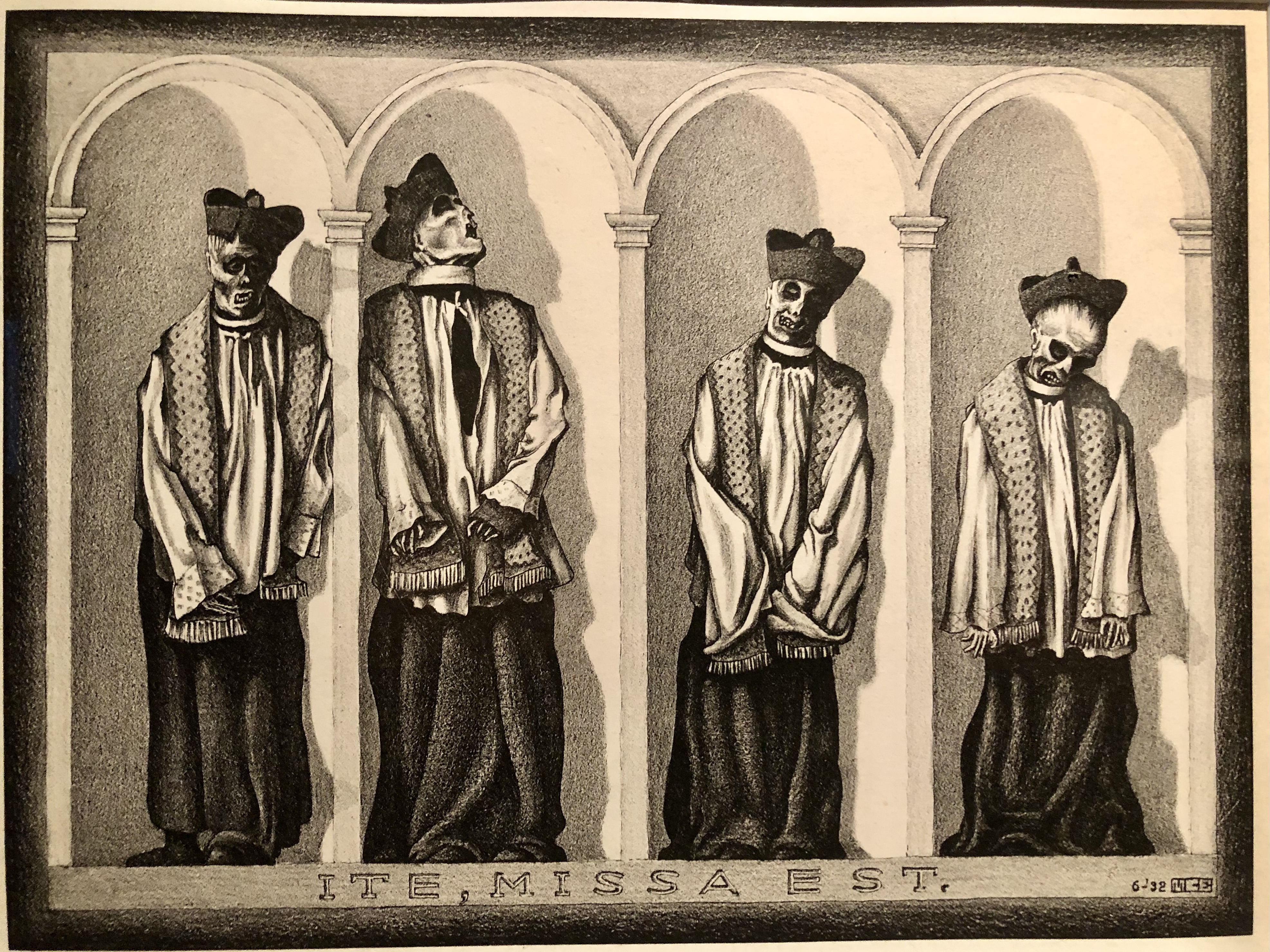
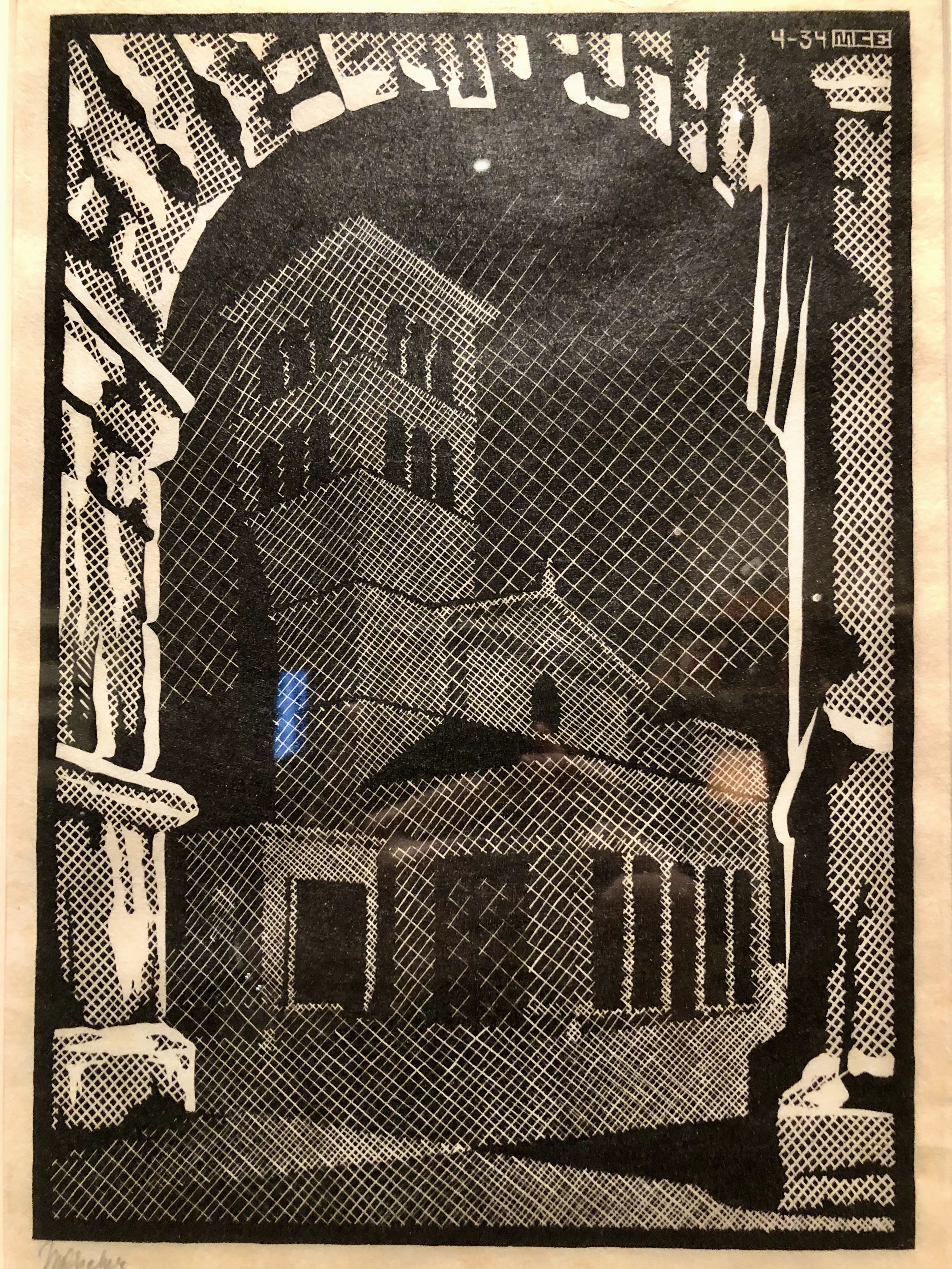
The Eternal City remains eternally fascinating, however, and every once in a while will throw something at you that you weren’t expecting. I thought I’d share a few pictures from a visiting exhibition at Palazzo Bonaparte from last year on M.C. Escher (1898-1972). The Dutchman is perhaps not who you think of when picturing an Italian artist, yet his travels in Italy between 1925-1935, especially in Calabria, were particularly formative for him. When you realize this, you begin to notice that the impossibly fantastical geometric architecture in so many of his works bears a striking resemblance to the look and feel of an Italian hilltop village.
(Below: Inside St. Peter’s [1935]; Mummified Priests in Gangi, Sicily [1932]; San Giorgio in Velabro [1934]; Still Life with Mirror [1934]. Note the holy card of St. Anthony in the corner of the mirror.)
As you could probably tell from last week’s post, I’m back in Rome getting ready for the start of the new academic year next month. It was a full and eventful summer more than a restful one. It started out with my first trip to the Philippines for a meeting of the Jungmann Society, the international association of Jesuit liturgists, where I gave a talk on daily Mass in Jesuit communities. It was encouraging to meet many young Jesuits interested in the liturgy, especially those from Asia. Some new initiatives are coming out of the meeting as well. The initiative I am most excited about is an eight-day retreat for Jesuits I am preparing for next summer: “Praying the Liturgy,” which will be offered June 29 – July 7, 2025 at the Jesuit Retreat Center in Parma, OH. It is open to all Jesuits.
I also spent some quality time at St. Isaac Jogues in Rapid City and back at home in Minnesota, connecting with friends. For the first time, I led a retreat at the gorgeous new retreat center Cloisters on the Platte outside of Omaha, and attended a really excellent conference in Mundelein, IL on the divergent theologies of Karl Rahner and Joseph Ratzinger organized by Prof. Matthew Levering and the Greg’s own Fr. Aaron Pidel, SJ. Some theological all-stars there. A book will be coming out at a later date with papers from the conference, including my own contribution on the two theologians and the liturgy, arguing that Ratzinger continues the project of the Liturgical Movement while Rahner’s attitude toward the liturgy is an extension of pre-Vatican II scholasticism.
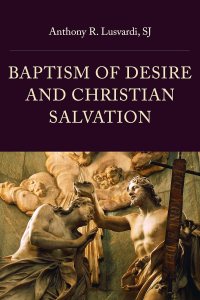
Also, if you didn’t get a chance, you might enjoy my article “Getting Back in the Baptizing Business” in The Catholic Thing which explains why I think my book on baptism of desire is important.
And speaking of Baptism of Desire and Christian Salvation, I was pleased to be able to bring my summer to a close by giving several talks on the book in Sweden. I had an enjoyable discussion with the participants of the Hörge seminariet at the Newman Institute in Uppsala and was deeply encouraged by the large and energetic group of young adults at Sankta Eugenia in Stockholm. It is great to see the book both resonating with people and provoking discussion.
More on Baptism of Desire and Christian Salvation will be coming soon, including an official “book launch” here in Rome…
One of the most remarkable places in this remarkable city of art is the Contarelli Chapel in the Church of San Luigi dei Francesi, home to the St. Matthew trilogy of Michelangelo Merisi da Caravaggio. Three paintings–The Conversion, The Inspiration, and The Martyrdom of St. Matthew–tell the story of the life of the saint, from his improbable calling to his death. The paintings are full of artistic drama, reflecting the artist’s own spiritual struggles and his attempt to find his place among Italy’s artistic greats.
Contarelli Chapel, San Luigi dei Francesi, Rome
The paintings date from early in Caravaggio’s career (1599-1600), when he was at the apex of his success in Rome. Only a few years after painting the St. Matthew trilogy, however, Caravaggio’s artistic career was sabotaged by his own unruly passions–he was forced to flee Rome after murdering a man in a brawl. As I’ve argued before, the fact that Caravaggio sinned so spectacularly does not negate a deep thirst for God or his spiritual and sacramental sense. In fact, as so often happens, awareness of his sin may have heightened the need the artist felt for redemption. In one of his later works, which he painted while in exile for his crime, David holds the head of Goliath–who bears Caravaggio’s own anguished face.
David with the Head of Goliath, Caravaggio, Borghese Gallery, Rome
Conversion also drives the “plot” of Caravaggio’s St. Matthew cycle. The first of the paintings, The Call of Matthew, depicts the moment when Jesus walks into Matthew’s customs post where the tax collector sits among cronies, coins spread over the table in front of him. Light shines in from a window just over the Lord’s head and hits Matthew straight on as Jesus raises his hand and points an unrelenting finger, as if to say, “You.” The tax collector’s own finger rises to his chest and his eyes widen, as if to respond, “Who? Me?” Or perhaps he is trying to distract the Lord’s gaze by pointing to the ne’er-do-well next to him, whose eyes are still fixed on the coins. In either case, the painting captures all the passion and confusion of the call to conversion–the unrelenting gaze of God, the instinctual avoidance and doubt of the sinner who is called. Does Matthew think himself unworthy? Shy away from relinquishing the wealth he knows? Hesitate when truth itself dissolves the shadows of ambiguity he has woven around himself? Probably, all of the above.
Last month the Gregorian Jesuits took our spring community outing to L’Aquila, capital of the Abruzzo region. L’Aquila was most recently in the news for a 2009 earthquake that tragically killed over 300 people. Most buildings in the city have been restored, though construction still abounds.
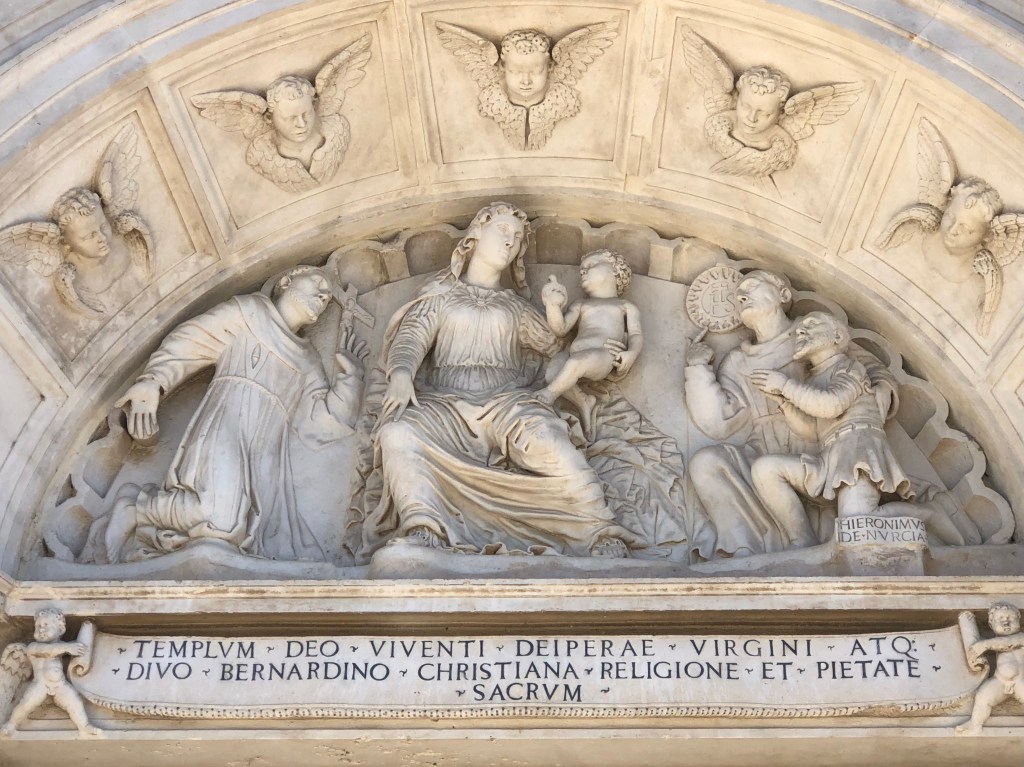
Highlights of the trip were two churches. The first, the Basilica of St. Bernardino of Siena, is dedicated to the Franciscan preacher (1380-1444) with a great devotion to the name of Jesus. In fact, in images of St. Bernardino one frequently sees the IHS Christogram–using the Greek letters for the name of Jesus. The “IHS” was later taken up, of course, by the Society of Jesus. The IHS sunburst with the three nails of Christ’s passion is prominently displayed all over the Basilica of San Bernardino. The saint died in L’Aquila and is buried in the basilica.
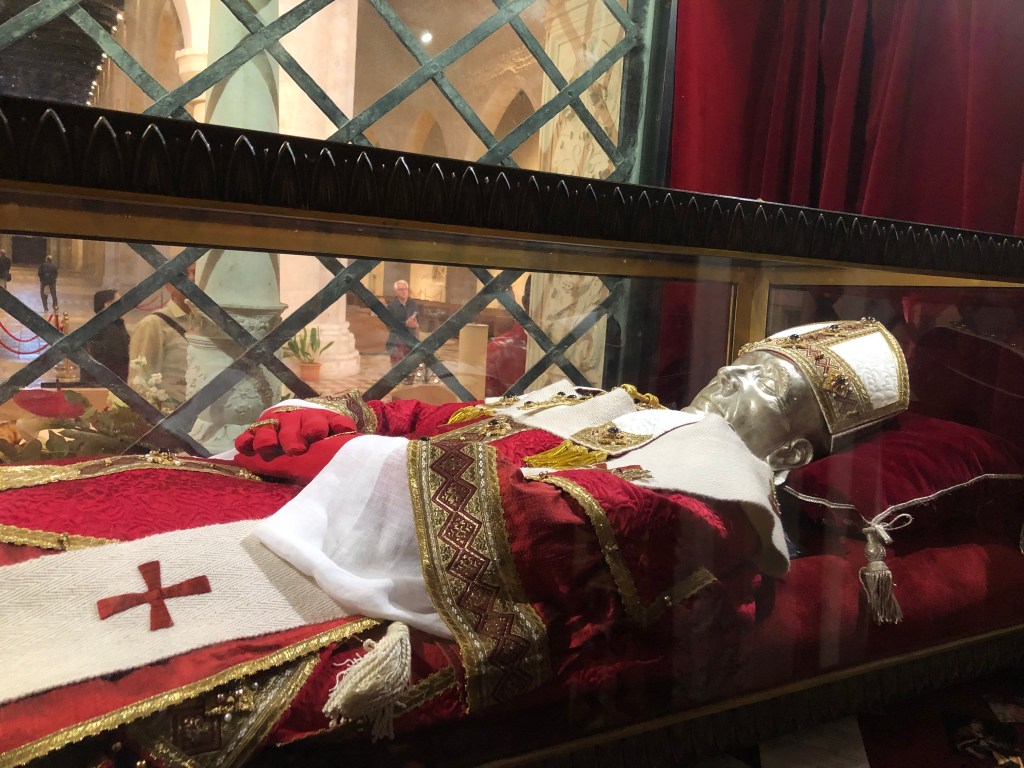
Tomb of Pope St. Celestine V, L’Aquila
L’Aquila’s other iconic church is Santa Maria di Collemaggio, burial place of Pope Celestine V (1215-1296). It is known as the Church of Pardon because of the plenary indulgence Celestine attached to the church–what locals refer to as an annual Jubilee. Celestine’s papacy, however, could hardly be considered a success, and he resigned after only a few months in office. He was a holy hermit, perhaps never really cut out to be pope.
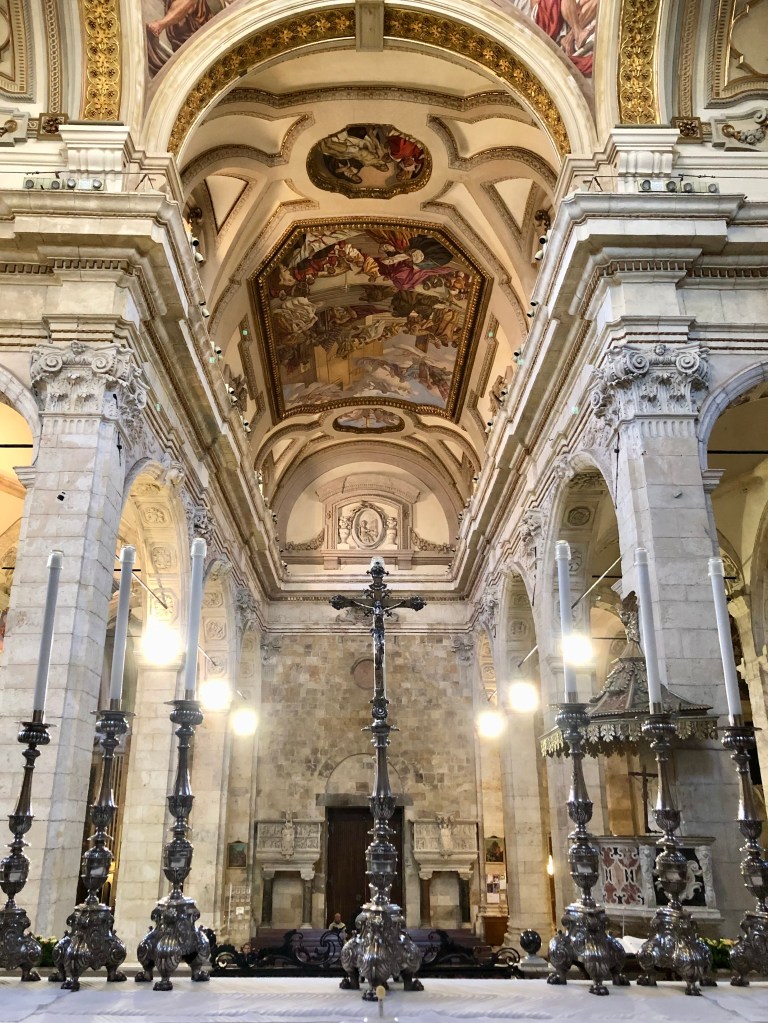
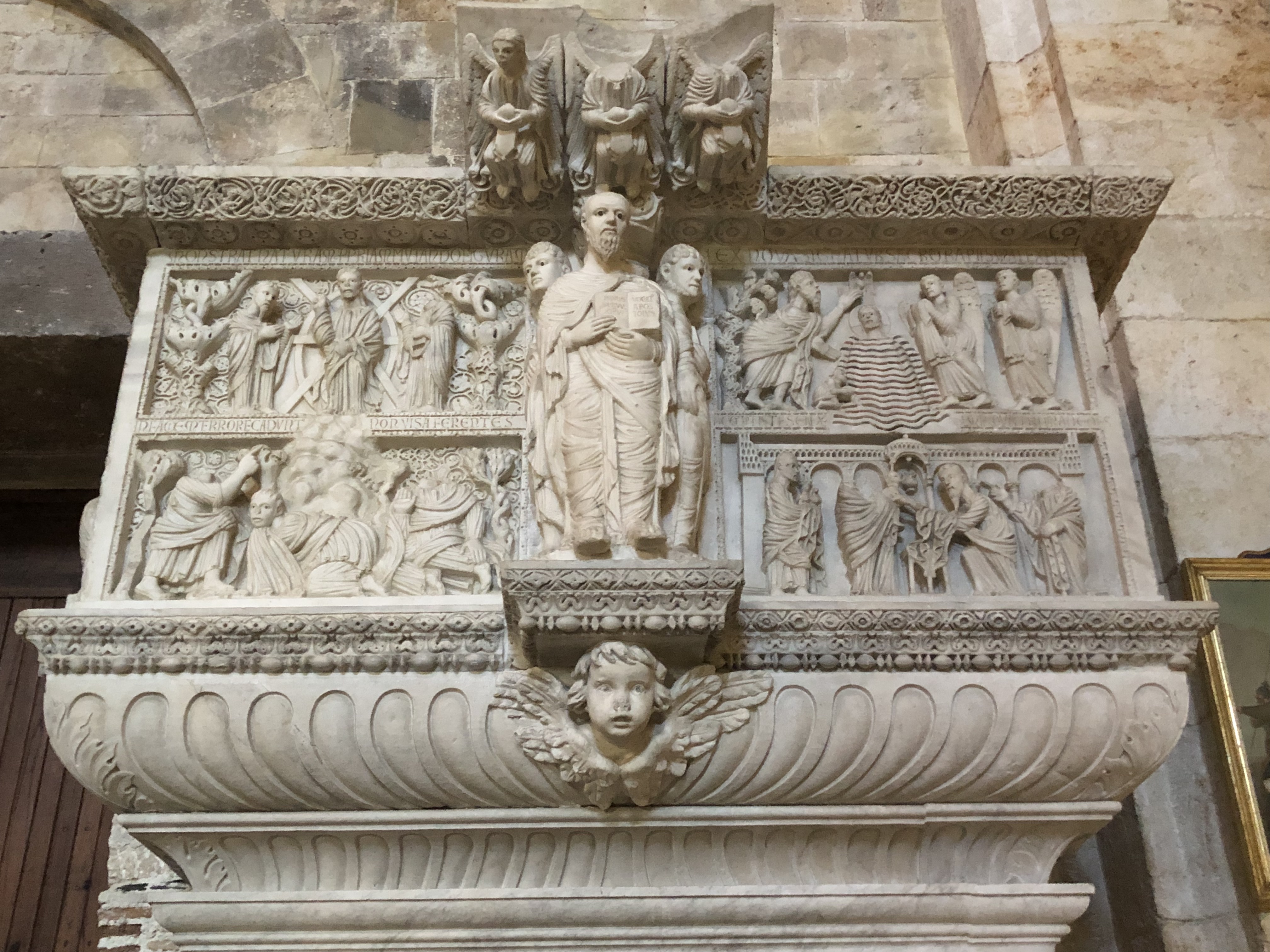
A few weeks ago, I mentioned the time I spent in Maracalagonis, Sardinia during Holy Week this year. I thought I’d follow up with a few pictures of Cagliari’s Cathedral, certainly one of the city’s highlights. The building is well kept up and contains a number of artistic gems. Among these are the two sides of what was once a single pulpit, which now flank the main door. These were sculpted by Guglielmo of Pisa around 1160 and later sent to Cagliari when the city was ruled by that merchant city-state.
Earlier this month, after delivering ten copies of Baptism of Desire and Christian Salvation to Sant’Anselmo at Easter time, I walked up the Aventine Hill to pick up my diploma–the last formality involved in earning my doctorate. The last act, I suppose, of my formal education! It’s a walk I made many times before while a student. I haven’t been back to Sant’Anselmo for a while now, but am grateful for the studies in sacramental theology I did there.
When I received my copies of Baptism of Desire and Christian Salvation, I had one more reason to be grateful — the insightful words of endorsement on the back cover from my dissertation director Prof. Andrea Grillo, who read many draft versions of the tome and managed to remain in good humor throughout! Here’s his review:
Lusvardi offers a historical reconstruction of the ‘baptism of desire’ that traverses the entire arc of the Christian tradition, starting from the origins. A straightforward work, expressed in a language endowed with finesse, irony and acumen. Baptism of Desire and Christian Salvation is singularly effective in pointing out the fact that in the modern reception, a series of priorities is imposed on the issue that empty its meaning.
Andrea Grillo, Pontifical Atheneum of Saint Anselm, Rome
Also last week, I was delighted to see Rachel Lu’s review of the book at Word On Fire. Rachel’s review had a particular significance for me since, as she points out, I was there when she was baptized as an adult 19 years ago.
Though I still have a few weeks of grading exams to go, summer is definitely here in Rome. To celebrate the end of classes, I took a morning off last week to visit a special exhibit at Rome’s Capitoline Museum. The Capitoline is one of several museums in the Eternal City that would be the top attraction anywhere else but gets overshadowed by the Vatican Museums and the Borghese Gallery. It contains a number of impressive ancient Roman sculptures and a couple of Caravaggios — antiquity and baroque being the two periods Rome is known best for. When it comes to Renaissance art, Rome takes second place to Florence (though, given the work of Michelangelo and Raphael in the Vatican, the competition is still stiff).
In any case, the Capitoline is hosting an exhibit this summer dedicated to the work of Filippo Lippi (1406-1469) and his son Filippino (1457-1504). I mentioned Filippo before for his wonderful frescoes in Spoleto’s cathedral depicting the life of the Virgin. Filippo grew up an orphan and very poor. He was raised in a Carmelite monastery in Florence and became a monk. His superiors noticed his talent and encouraged his artistic career. He proved, in fact, to be a better artist than a monk. While executing a commission in a monastery in Prato, he ran off with a 17-year old novice, Lucrezia Buti, who became the model for some of his most beautiful female figures. Filippino, you might have guessed, was the fruit of their union.
I’m honored to have a couple of recent works appear in print in the past few weeks, the first an article in La Civiltà Cattolica, a publication founded by Italian Jesuits in 1850, which has since gone international. The article “Gestis Verbisque: The Words and Actions of the Sacraments” (the Italian is here) analyzes a recent Vatican document dealing with sacramental theology — specifically the question of invalid baptisms. The document Gestis verbisque was available only in Italian at the time I wrote the article, but has since come out in English (and other languages) here. It’s an important document because it reminds priests and deacons of the need to faithfully celebrate the sacraments according to the Church’s tradition and liturgical books. We probably all have had unfortunate experiences of goofy things happening in liturgy because Father thought that he could improve upon a centuries-old ritual with regrettable results. Gestis verbisque reminds us that “The Church is the ‘minister’ of the Sacraments, but she does not own them.” My own article fleshes out some of the background behind the document and points out where I think it adds something theologically (its treatment of the minister’s intention). It was interesting to see some of the strange cases in history that I found while researching Baptism of Desire and Christian Salvation come up again in modern settings. You’d think we’d learn!
The other publication is the first short story I’ve published in a while–too busy with academic work–in a magazine that will be familiar to readers of these pages, Dappled Things. Dappled Things is the only literary magazine I know of dedicated exclusively to Catholic literature. I’ve been honored to have a number of short stories and essays appear in their pages over the years, some of which can be found on their site. My most recent story, “Pious Tchotchkes,” is in their Easter 2024 issue, which is only available in print. Their print issues are always beautifully crafted.
The story is set in Portugal, and here are a couple of places alluded to — baroque exuberance in Coimbra and Cabo da Roca, the westernmost point in continental Europe.