Gargoyles, east and west

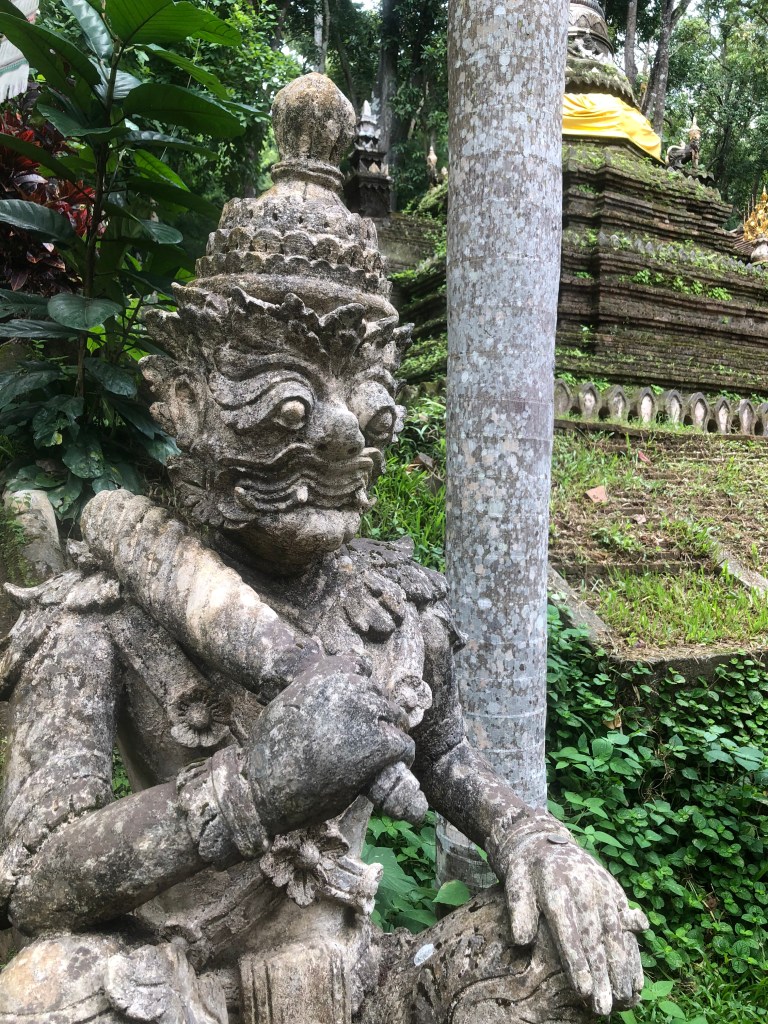
Wat Pha Lat, Chiangmai, Thailand

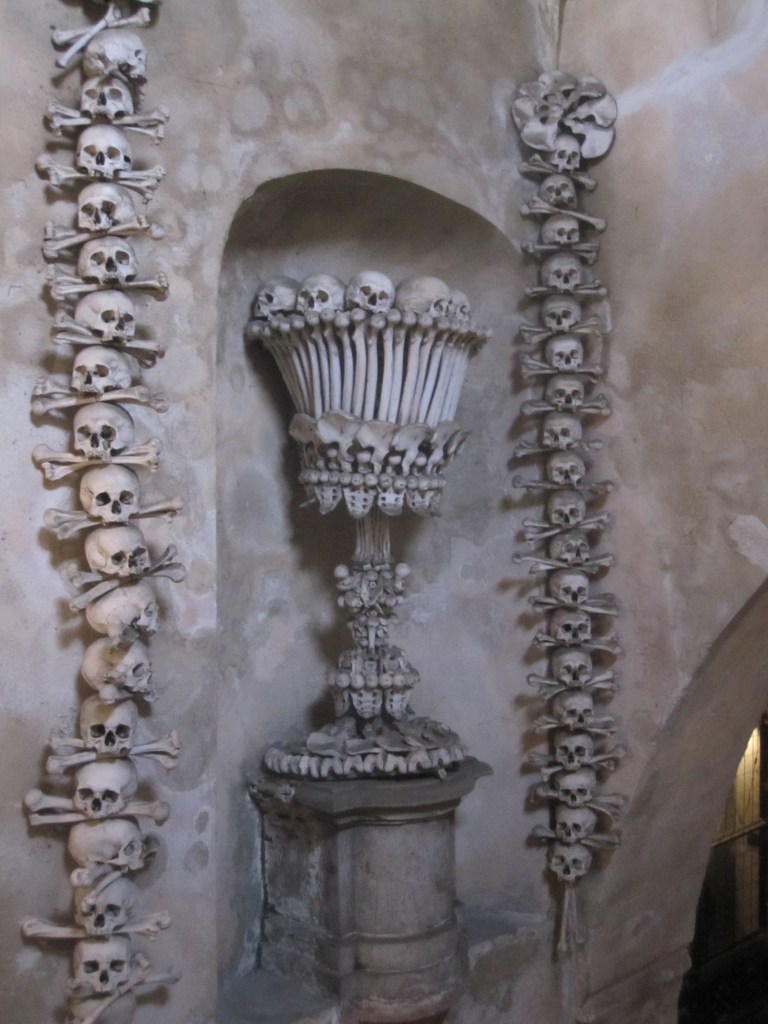
One of the highlights of my recent travels through Asia was visiting a number of quite impressive Buddhist temples and shrines. This was particularly the case in Thailand, though Chinese temples in Singapore, Taiwan, and Hong Kong were also filled with rich carvings, colorful statues, and piles of offerings including fruit, flowers, and burning incense. The warm red–the color of prosperity–of the Chinese temples reminded me of the red color with which the ancient Romans frescoed the inside of their homes. The desire for a warm hearth is written deeply in the human psyche.

Thian Hock Keng Temple, Singapore

A place of worship that makes an absorbing appeal to the senses is of course nothing new to me. I live in Rome, city of the baroque, where tales of religious ecstasy are told and retold in marble, mosaic, and fresco. The impulse of Christianity to express itself in art goes back to the Incarnation itself, to God revealing himself by entering into the world of the flesh, expressing his divinity in the matter of creation. We Catholics believe that he continues to communicate his grace to us through the sacraments. Artistic expressions using color, smell, and sound to amplify this divine work come naturally enough to a sacramental faith.

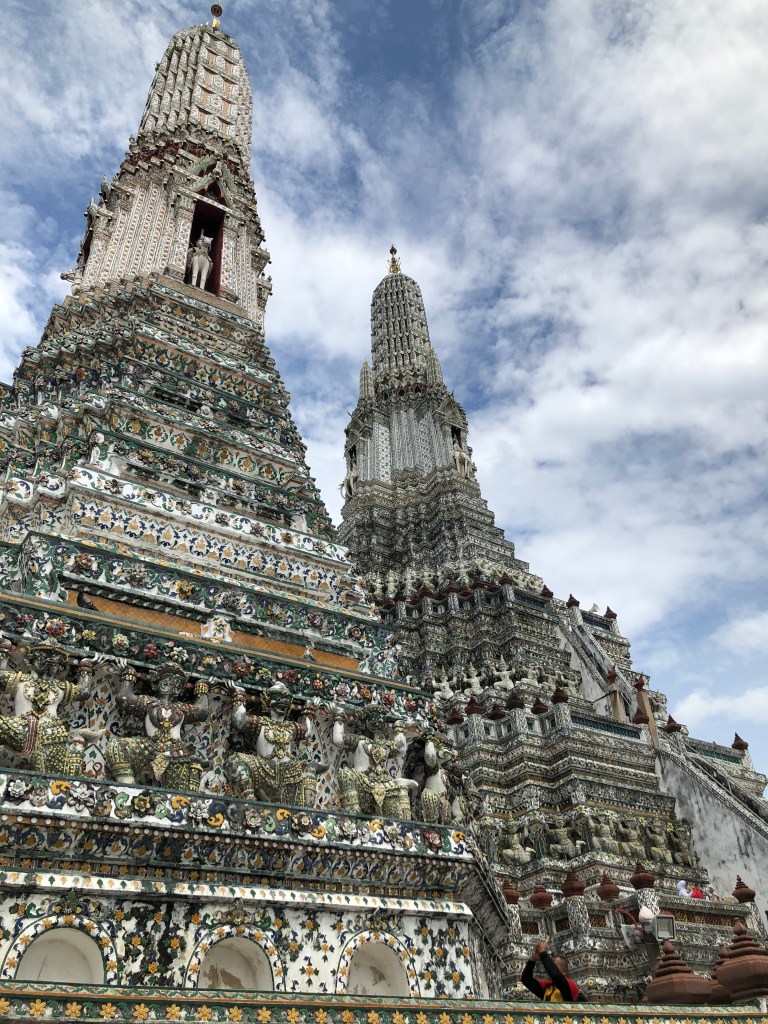
But what about Buddhism? Such expressions would seem to me, an outsider, to fit less naturally within Buddhist philosophy, with its distrust of all desire and negation of the world of pleasure and pain. Incarnation and Nirvana are two radically different beliefs. Yet how else to describe the gilded wats of Thailand, the cascades of angels and demons in glittering ceramic, than Buddhist baroque?

Wat Arun Ratchawaramahawihan, Bangkok

Of course, Thailand’s wats are not the architectural expression of pure Buddhist philosophy but a kind of non-culinary Asian fusion–Buddhism grafted into a still older mix of traditional folk beliefs, legends, and superstitions. How cogent such a mix is, I can’t evaluate. But there’s something human about that folk mix that I find more compelling than Buddhism in its purity, which I’ve always thought a little chilly.

Continue reading “Gargoyles, east and west”

Jonah, the most bumbling prophet

Jonah sarcophagus (ca. AD 300), Vatican Museums

Those at daily Mass this week get to enjoy the special treat of hearing the book of Jonah. The book is such a good tale–who doesn’t love a giant sea monster? or a cantankerous prophet?–that I imagine the story originally told dramatically aloud. I think we’re meant to laugh at Jonah, the Mr. Bean of prophets.

Of course, there is a serious message to the book that goes beyond whale innards and the prophet’s pouty attachment to his gourd plant. Jonah reveals the sweeping reach of God’s mercy, extending even to the most wicked of cities–Nineveh, grrr—when those within it seek conversion. Students in my classes are probably sick of hearing it, but one way to get under my skin is to claim that the grumpy “God of the Old Testament” has been replaced by the groovy “God of the New Testament.” There’s only one God. He’s infinitely merciful and revealed in both the Old and New Testaments. And the book of Jonah proves it.

Continue reading “Jonah, the most bumbling prophet”

A poem and a prayer for Australia (and Jesuits!)

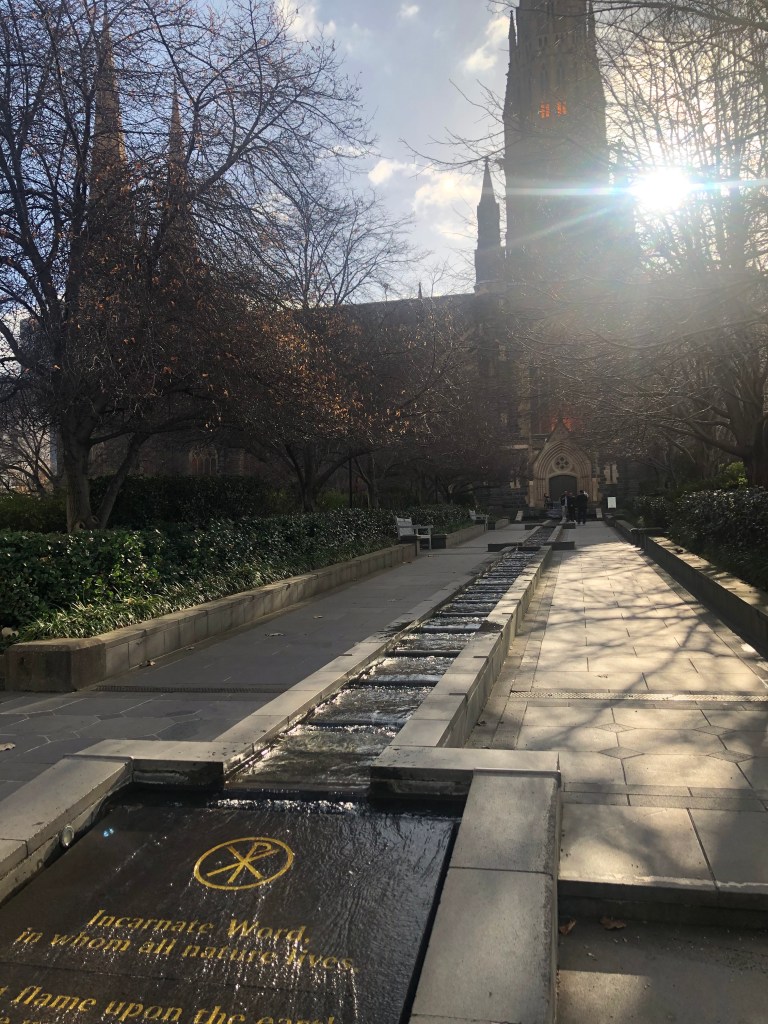
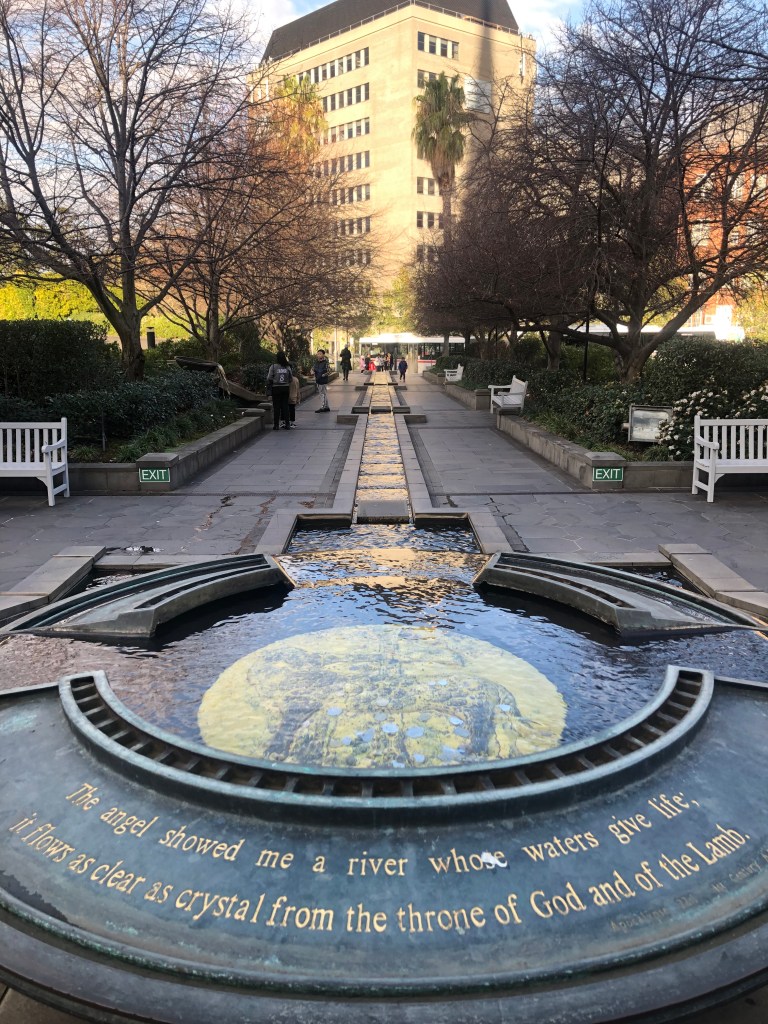
St. Patrick’s Cathedral, Melbourne, Australia

After a very blessed time of tertianship–the final formal part of Jesuit formation–and travel afterwards, I arrived back in Rome this week to begin preparing for the semester ahead. For me, this new beginning is also a time to look back with gratitude at my time in Australia’s tertianship program. I thought I’d share this poem from Australian poet James McAuley (1917-1976), a prayer for his remarkable country that could just as easily be a prayer for us Jesuits.

The poem is a part of a fountain outside of Melbourne’s cathedral that runs from the doors of the church out toward the city–evoking Ezekiel’s image of the waters of life flowing from the temple. The sculpture includes quotations from both the Old and New Testaments (John 4:14, Ps 23:2-3). It is inspired by the words of Revelation: “Then [the angel] showed me the river of the water of life, bright as crystal, flowing from the throne of God and of the Lamb through the middle of the street of the city; also, on either side of the river, the tree of life […] and the leaves of the tree were for the healing of the nations” (Rv 22:1-2).

St. Patrick’s Cathedral, Melbourne, Australia

Here’s McAuley’s poem:

Incarnate Word,

in whom all nature lives,

cast flame upon the earth:

raise up contemplatives

among us, men who walk within the fire

of ceaseless prayer,

impetuous desire.

Set pools of silence in this thirsty land.

James McAuley (1917-1976), Australian poet
St. Patrick’s Cathedral, Melbourne, Australia

The waters of Australia

Peaceful Bay, Western Australia

After a couple of months in Western Australia and half a year Down Under, I am still amazed by the diversity of this island continent’s landscapes. This includes unparalleled bio-diversity–all the birds and marsupials and one-of-a-kind wonders, like the platypus, that look like something out of a Dr. Seuss book–as well as the geological curiosities.

The Twelve Apostles, Victoria, Australia

On this, the driest of Earth’s continents, I’ve been especially fascinated by water. Most of Australia’s population (almost 90%) live within 30 miles of the coast, and some of the country’s greatest wonders–the Great Barrier Reef, for example–lie underwater. My own fascination with water comes in part from its sacramental usage. Water is the one physical element necessary for baptism and, thus, entry into Christianity.

Continue reading “The waters of Australia”

The Spiritual Exercises in South Australia

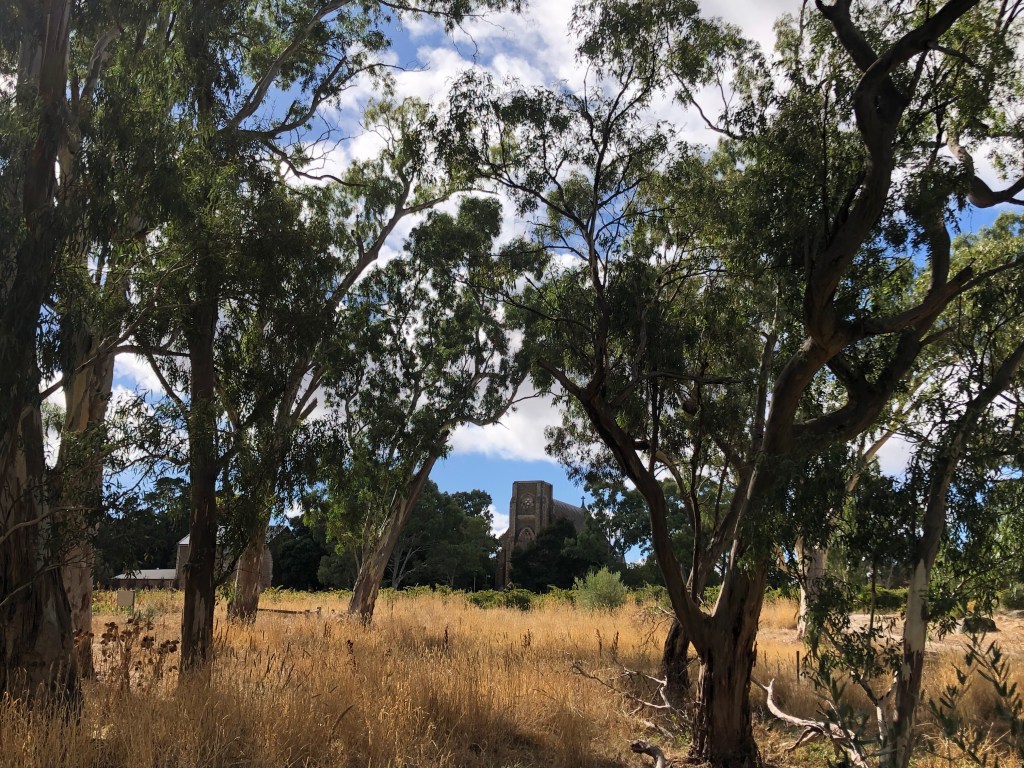
Our Lady of the Vines, Sevenhill, Australia

It is hard to know what to say to those who ask about one’s experience of the 30-day Spiritual Exercises of St. Ignatius Loyola. The experience is profound, intense, and deeply personal. It is also experience, not knowledge or information that can be transferred to another. To be sure, the retreat does have objective content–the life of Christ, God’s creation of the world, the moral law. It is not just a process for personal growth; it is an encounter with the Son of God who revealed himself in first century Palestine, who we know through the accounts that his followers handed on to the Church. Fundamentally, the content of the retreat is simply Christianity, nothing more and nothing less.

That said, the experience of encountering that content varies from person to person. We can either look at Jesus from a distance or approach him, talk to him, get to know him. The Spiritual Exercises are a way of getting to know him–spending time with God with other distractions removed, recognizing God’s work in our lives up to this point, discovering his hopes for us. Like meeting your future spouse or holding a newborn child for the first time, you can describe what happened, but the experience itself can never be fully captured in words. Spending thirty days getting to know Jesus more deeply in prayer is a similarly ineffable experience.

St. Aloysius Church, Sevenhill

Of course, some aspects of the retreat can be more easily shared, and I thought I’d start with one that might seem secondary but isn’t–the location. Christianity is an embodied, incarnational religion that acknowledges the influence of where we are on who we are. During the Spiritual Exercises St. Ignatius frequently invites us to begin by imagining the places where Jesus lived, “the synagogues, villages, and towns” where he preached or the hills and valleys between Nazareth and Bethlehem. Even on an interior journey, location matters.

Continue reading “The Spiritual Exercises in South Australia”

More on nature and spirituality

Omarama, New Zealand

My trip to New Zealand last week put me in mind of previous travels in the American West. If I could make one recommendation for travelers to the USA, it would be to visit our National Parks. New Zealand offers similar pristine landscapes, though on a more compact scale. Of course, both landscapes boast their own unique treasures. New Zealand has its fiords and temperate rain forests; the American West, its vast expanses and the red rock sculptures of Utah that look like a landscape dreamed up by Antoni Gaudí.

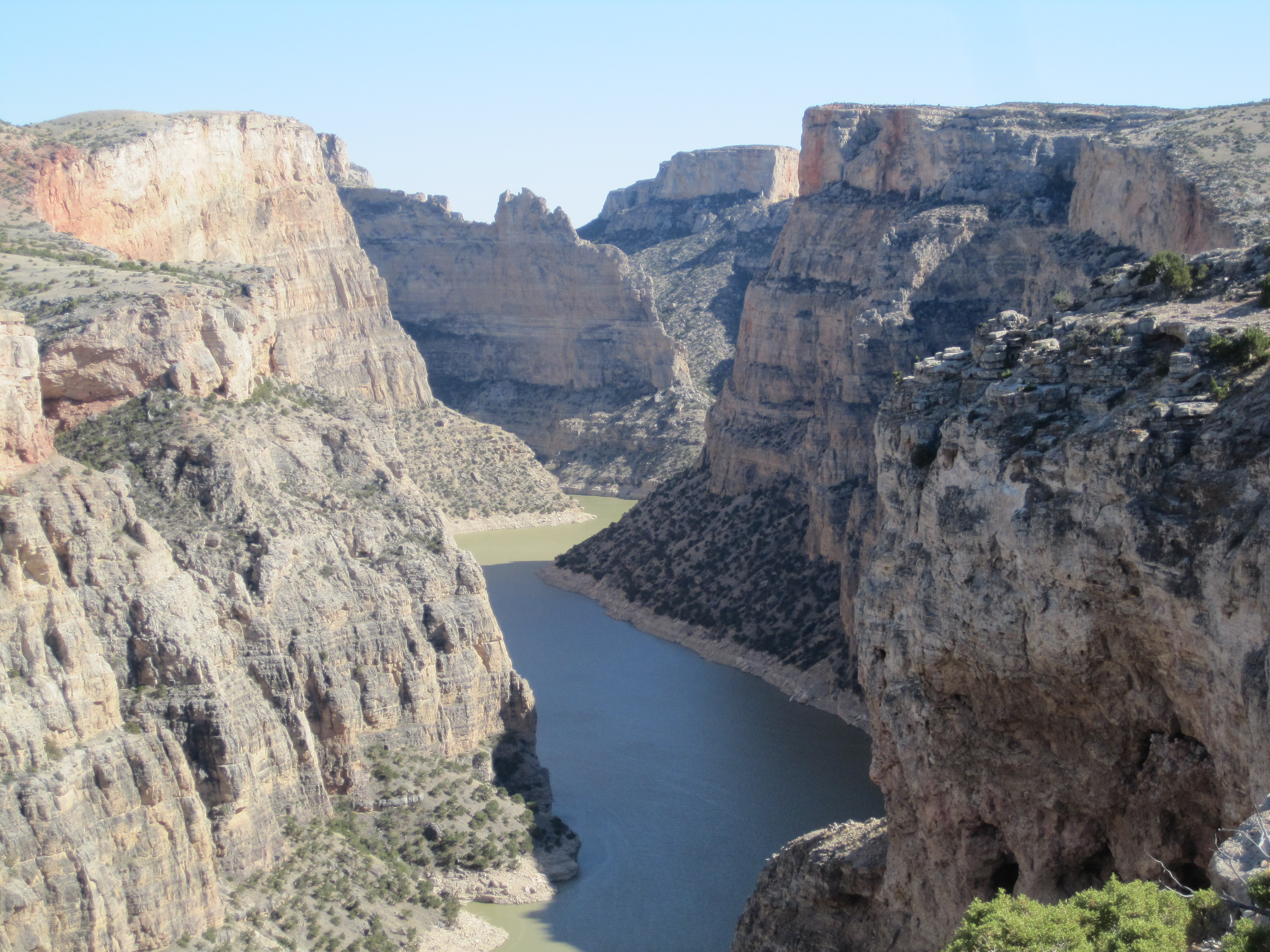
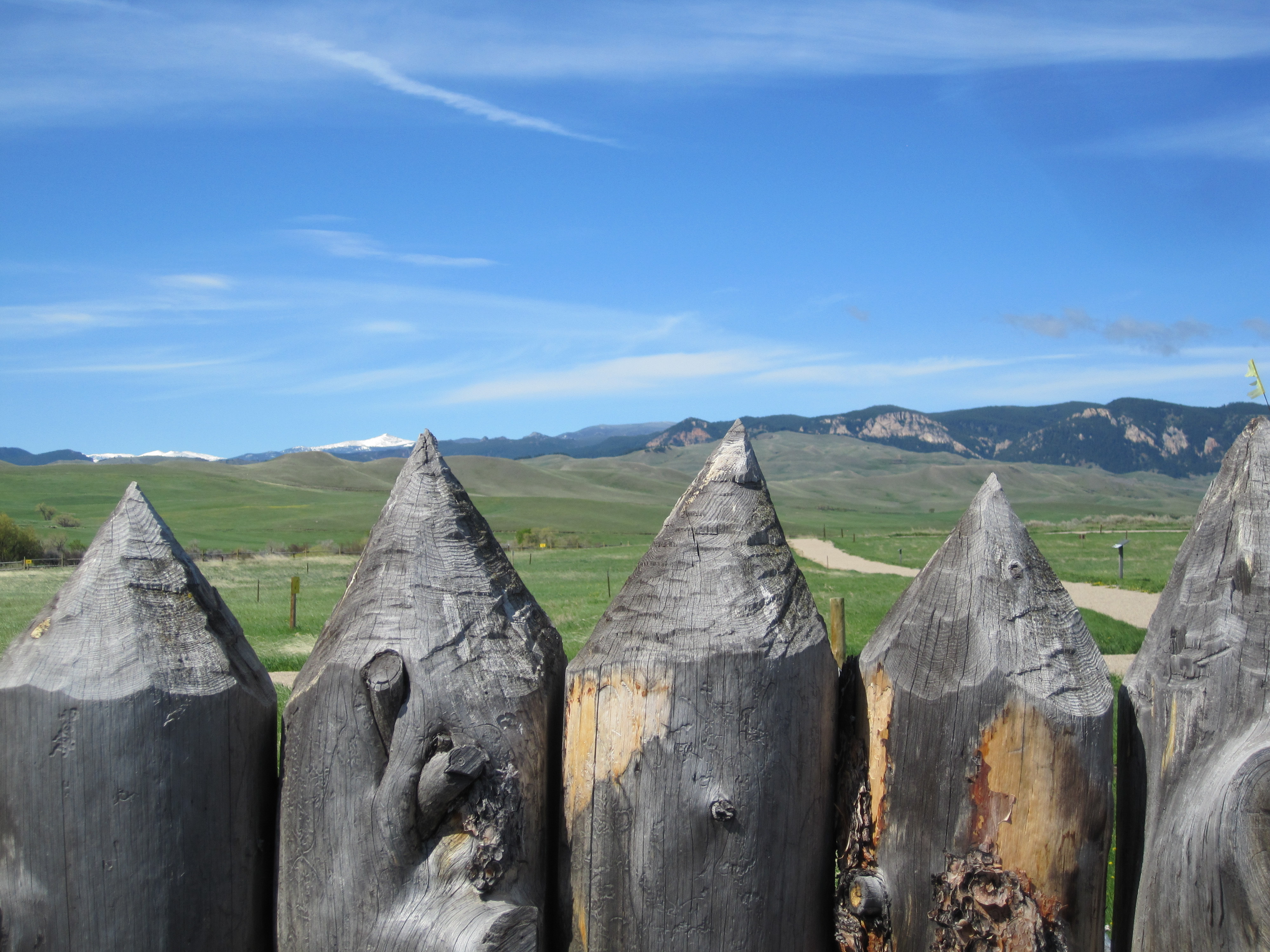
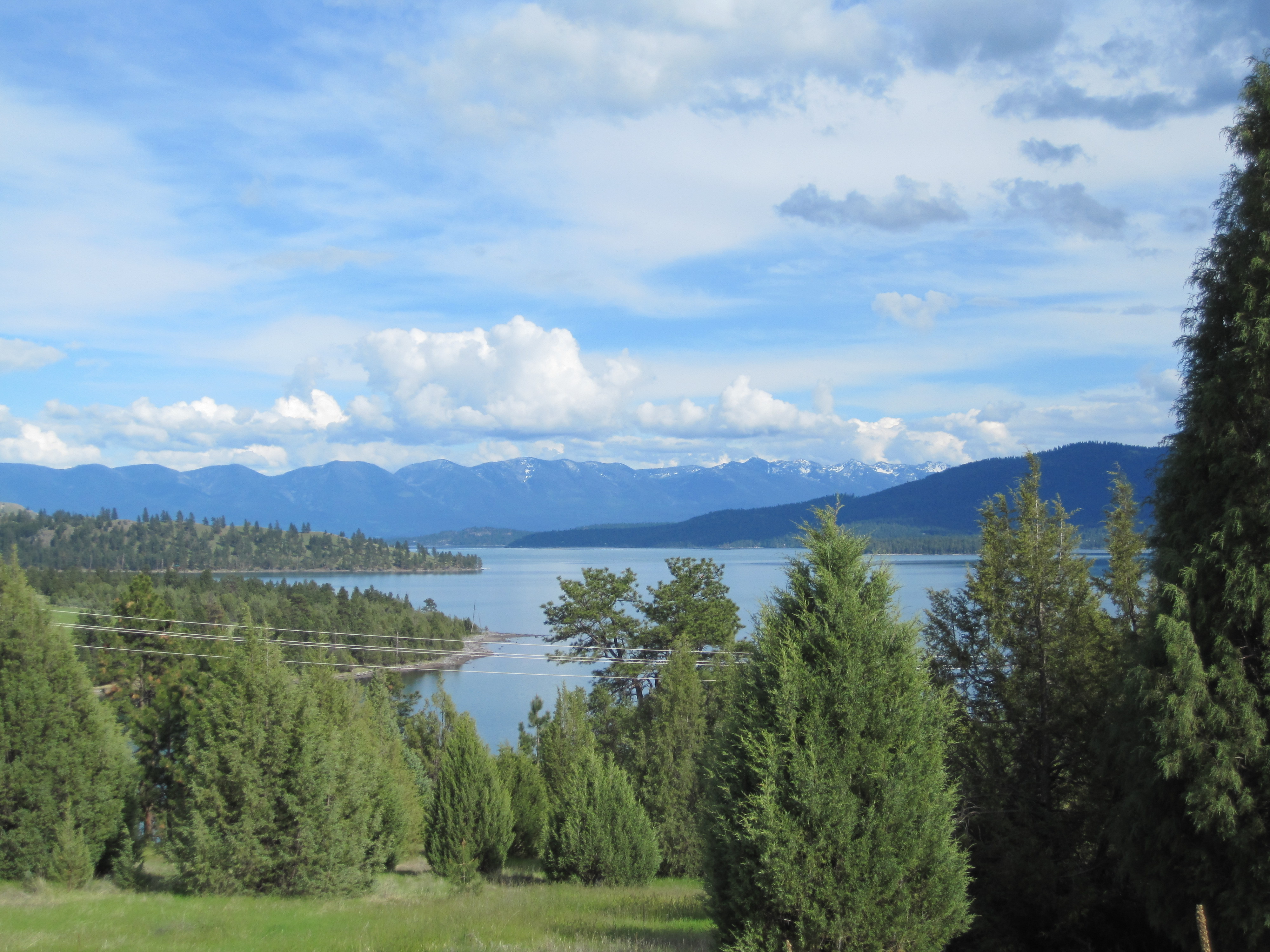
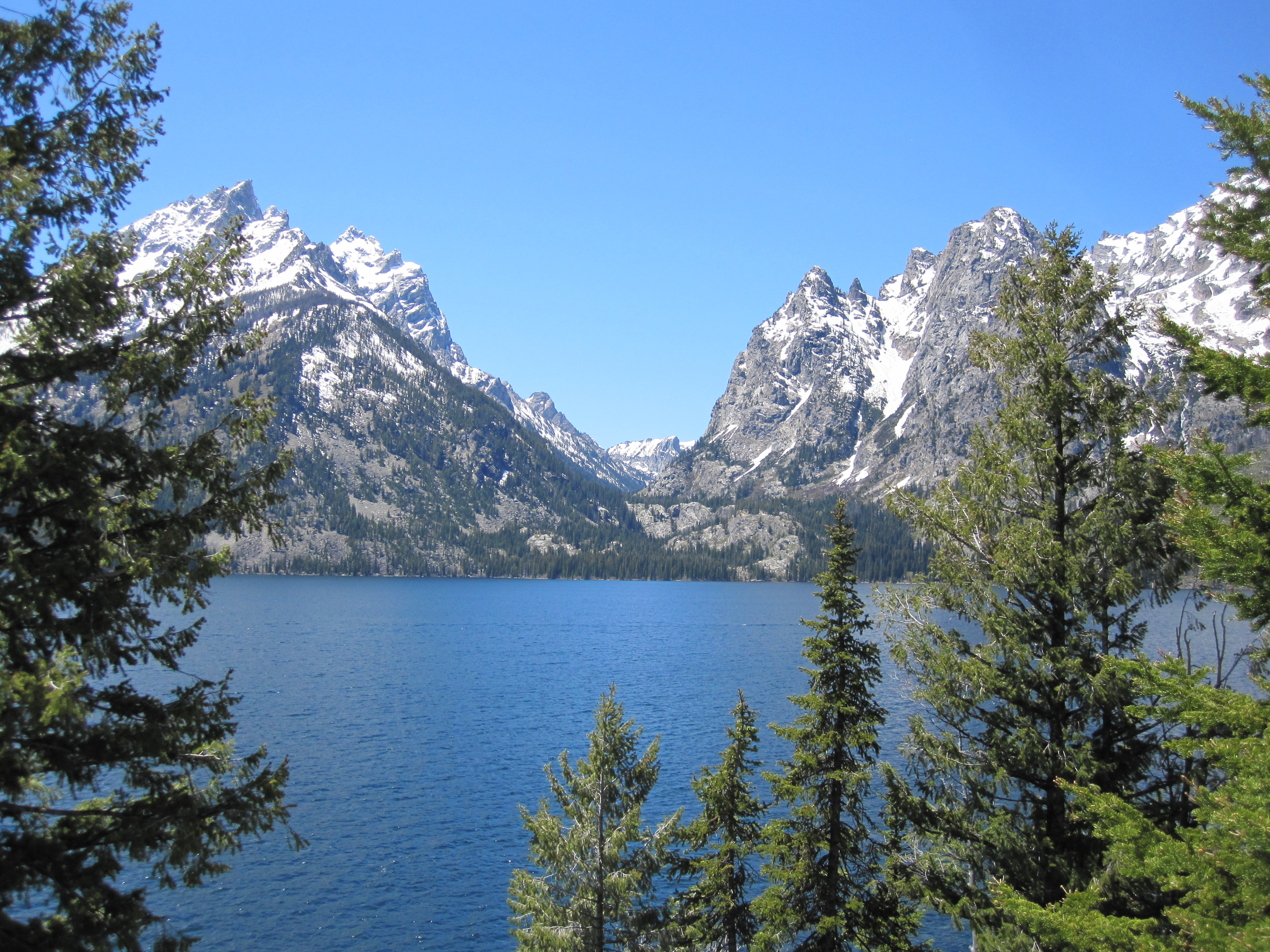
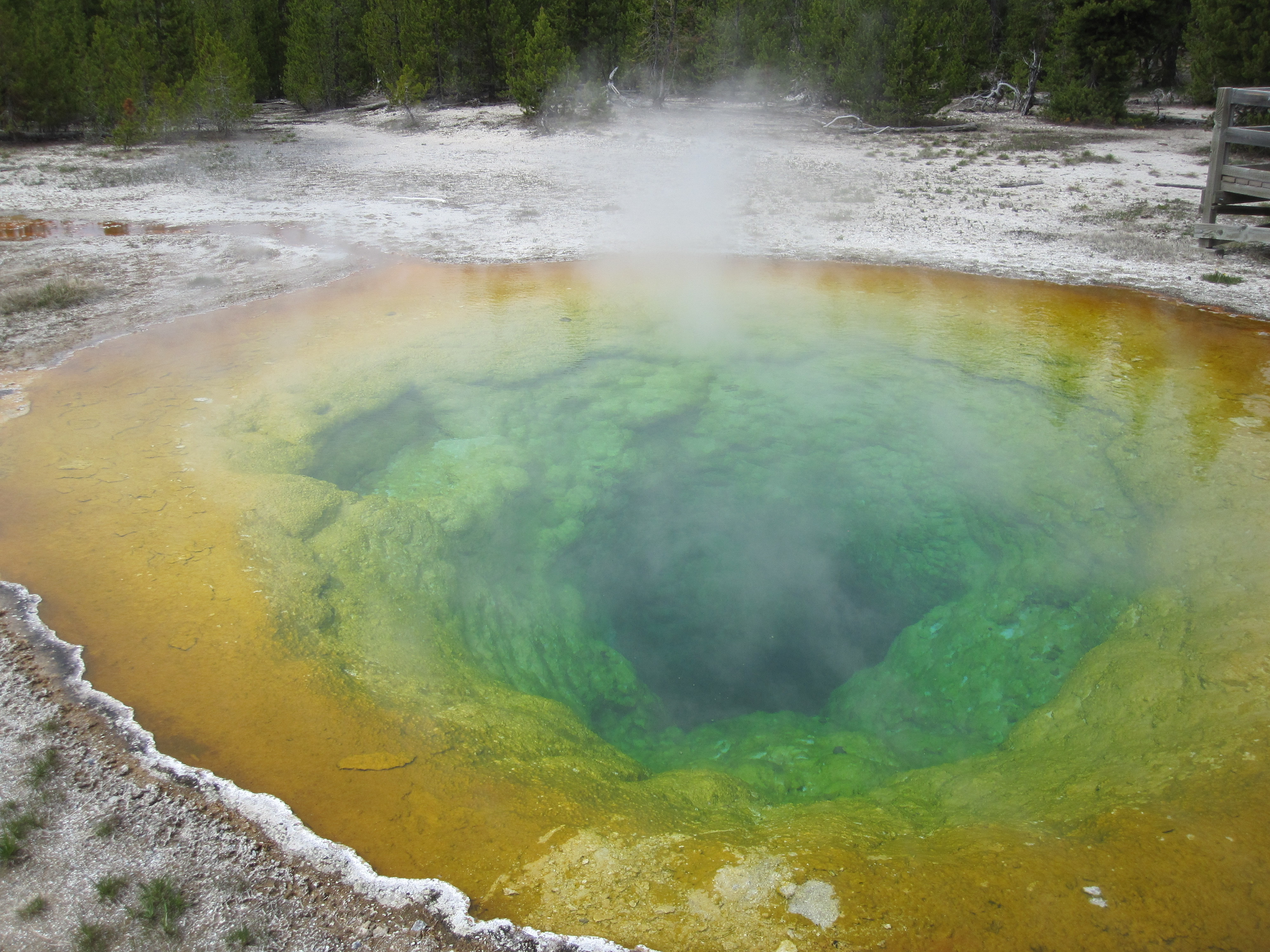
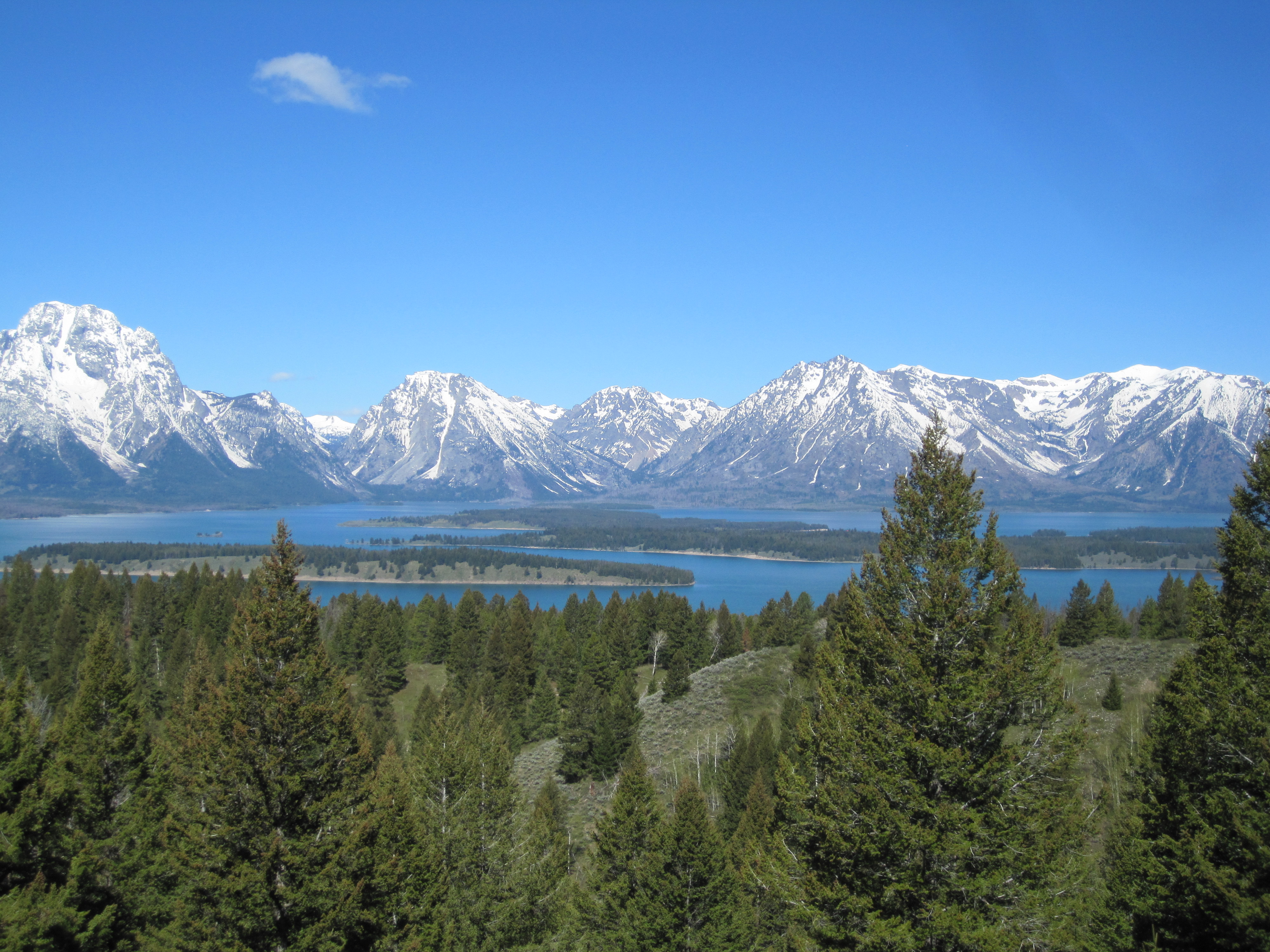
The trip had me rummaging through old photos of my trips out West and looking up old notes. I had a few thoughts about travel published in Plough a few weeks ago, and that reminded me of an older article in the same magazine inspired by a long drive out West. Here’s that older article: Nature is Your Church? And, to go with it, a few pictures of places mentioned in Montana and Wyoming –Devil’s Canyon, Fort Phil Kearney, Yellowstone, the Grand Tetons, and Glacier.

Benedict XVI on creation

Mount Cook, New Zealand

The new year came early for me this year–while in America 2022 still had almost a full day left to go, I was as close to the International Date Line as I’ve ever been watching fireworks erupt from the Sky Tower in Auckland, New Zealand. I will be spending the first half of the year doing Jesuit “tertianship” in Melbourne, Australia. Tertianship is the final formal stage of Jesuit formation in which we do the 30-day Spiritual Exercises again and have a chance to reflect on all that’s happened so far.

New Year’s Eve also brought the sad news of the passing of Pope Emeritus Benedict XVI, someone I have immensely admired as a man whose character balanced both courage and humility, as a Christian for whom Jesus was the center of everything, and as a theologian capable of expressing the most profound truths with luminous clarity. Benedict knew how to cut through both theological jargon and political rhetoric to get to the heart of the matter– always the absolutely unique encounter with Jesus Christ.

Rotorua, New Zealand

Shortly after Benedict’s death I was contacted by a scholar of Lakota Catholicism, Damian Costello, who wrote this article highlighting an under-appreciated aspect of Benedict’s work, his focus on creation: The unexpected way Pope Benedict helped me learn to pray with all creation. Dr. Costello’s work came to my attention last year in an insightful article in America magazine about Native American religious sensibilities and the Latin Mass. His book Black Elk: Colonialism and Lakota Catholicism makes an important and original argument, and it’s on my to-read list.

Clay Cliffs, Omarama, New Zealand
Continue reading “Benedict XVI on creation”

Merry Christmas

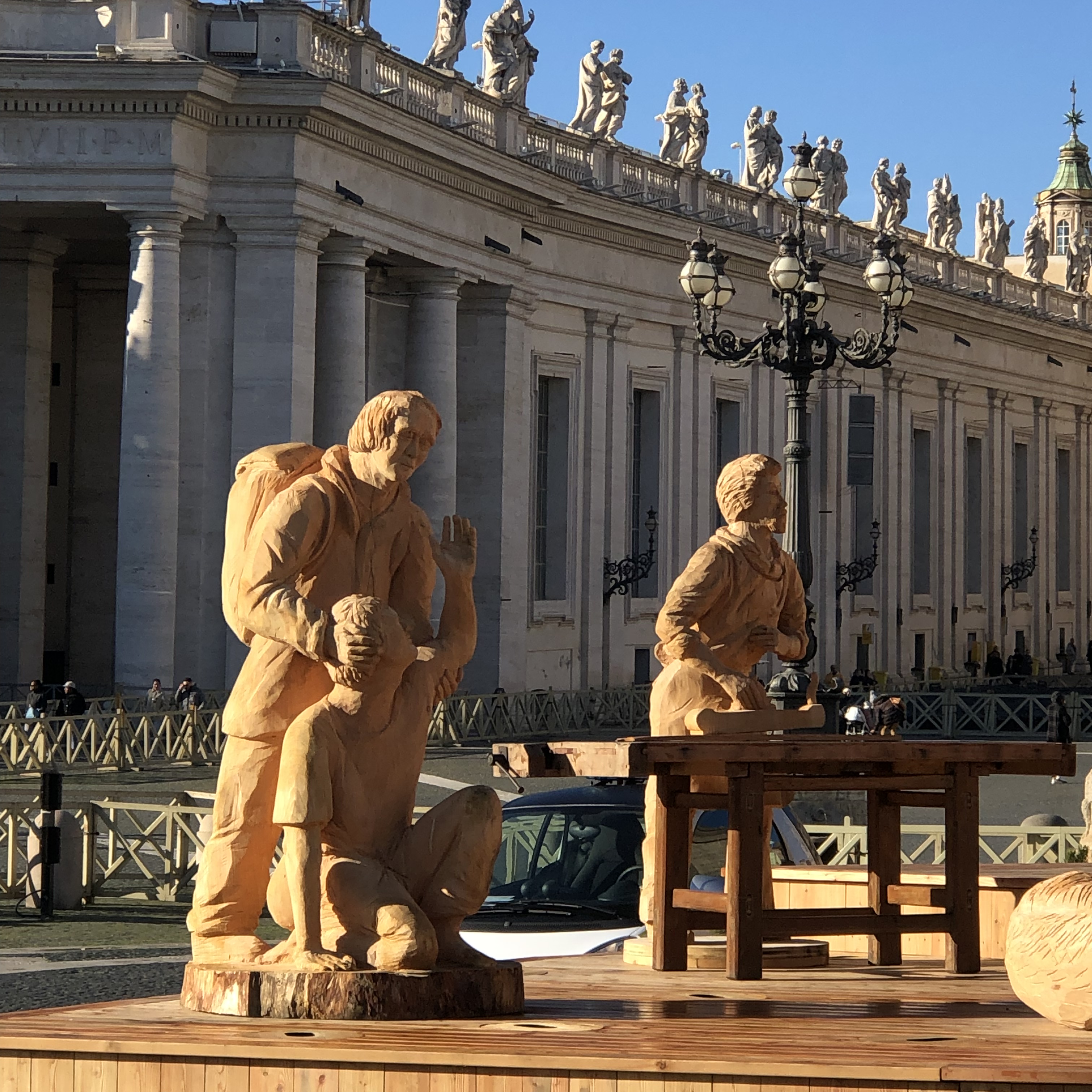
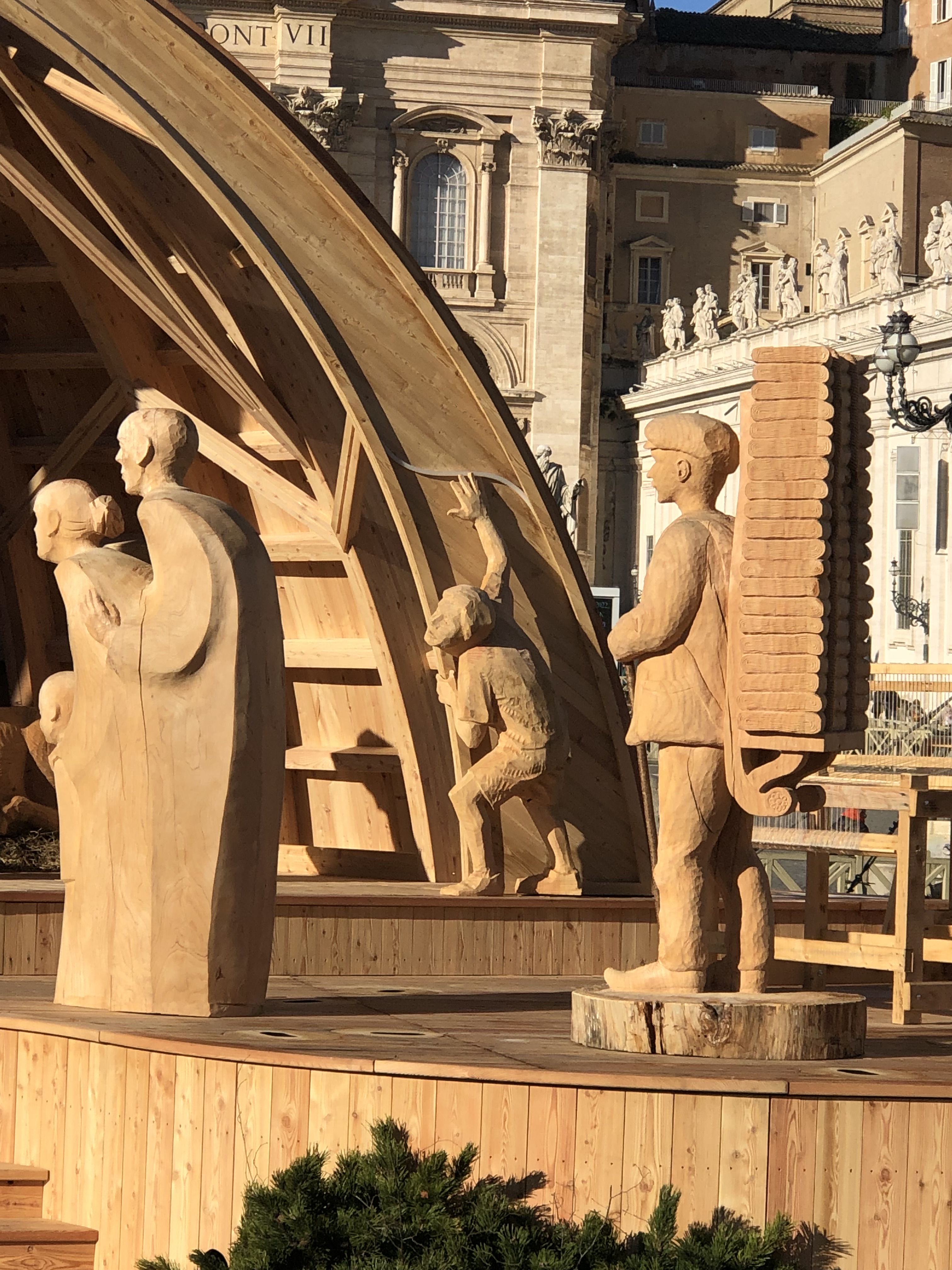
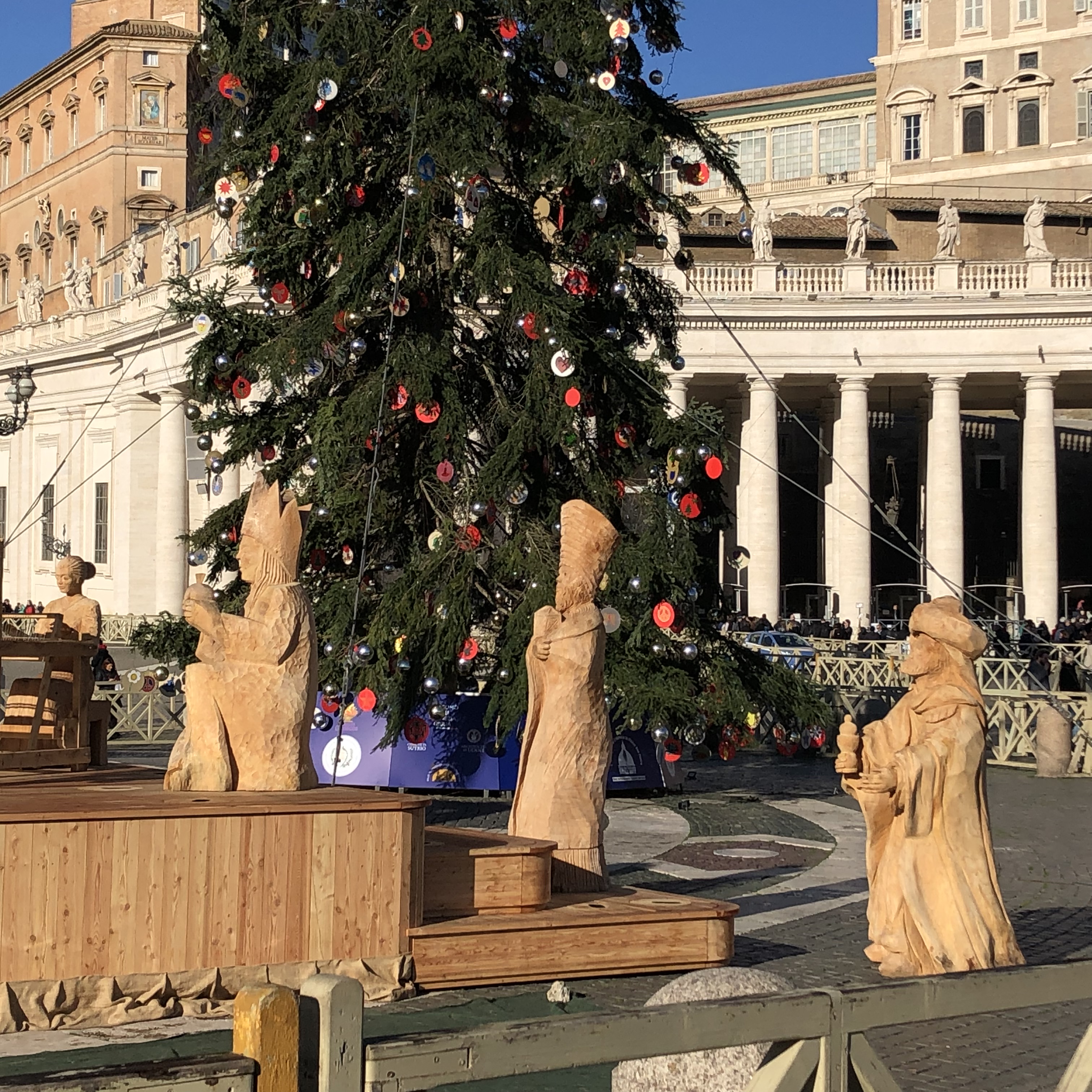
Since St. Francis of Assisi introduced the idea 800 years ago, Italy has been the land of Nativity scenes. And there is no more prominent location for a Nativity scene in the world than St. Peter’s Square. The scene is different every year and–along with the Christmas tree in Piazza Venezia–is usually subject to intense comment and critique from Romans and visitors alike. There’ve been a few doozies in my years here, but this year’s scene from Friuli Venezia Giulia does not seem to have aroused great protests.

Here’s a peak at the scene, still waiting for the child who makes all things complete.

Christmas blessings to one and all!

“In the fullness of time, chosen in the unfathomable depths of God’s wisdom, the Son of God took for himself our common humanity in order to reconcile it with its creator.” (Pope St. Leo the Great)

Advent lights

One of the reasons I find the season of Advent so compelling is its central symbol of light growing in the darkness, as simple as it is powerful. The fifth of the O antiphons always strikes me as particularly poignant:

O Radiant Dawn, splendor of eternal light, sun of justice: come shine on those who dwell in darkness and the shadow of death.

Mid-December also coincides with a slight lull in the crush of tourists here; between the Immaculate Conception and Christmas the streets are a tad calmer and one can get out and enjoy the decorations. In the northern hemisphere it is one of the darkest times of the year, but that only makes the lights all the more delightful.

Here are a few shots of Rome’s lights…

Advent in Italy

In Italy the pre-Christmas countdown begins in earnest after the Immaculate Conception on December 8. One of the country’s less-known charms is that Holy Days of Obligation are national holidays, so the Immaculate Conception means a day off, and if, like this year, it falls on a Thursday, this means a long-weekend for many, rather like Thanksgiving.

Advent is one of my favorite seasons, and, as the lights go up and manger scenes come out, I find it one of Italy’s most charming as well. (Christmas lights, fireworks, and outdoor summer operas are among the ways Italians take delight in being delightful.) Unfortunately, this year I was not among those to get last Friday off and the end of the semester is keeping me at my desk–so for this Gaudete Sunday , I rummaged through pictures of Advent trips past. Here’s a handful from Orvieto and Viterbo, the sort of small towns that are charming any time, but especially decked out for the season.

Happy Gaudete Sunday!

Rejoice in the Lord always; again I say, rejoice. Indeed, the Lord is near.