Apocalypse when? Homily for the 33rd Sunday in Ordinary Time

Homily for the 33rd Sunday in Ordinary Time (C). November 2019.

Reflecting on this Sunday’s readings, I turned to that great source of theological wisdom, Amazon Video. In November, at the end of the liturgical year, the liturgy speaks of the Apocalypse. Well, I discovered that there are also many films on this theme. I found earthquakes, hurricanes, volcanoes–even alien invasions. And lots and lots of zombies.

The name of one film–at a discounted price–was “Apocalypse 2012.” This film provoked the question: has the Apocalypse already happened? Was I distracted and didn’t notice? As I thought about it, I remember hearing in 1999, “The end is near. At midnight, our computers will no longer work, there will be a total collapse of civilization. Buy canned food.”

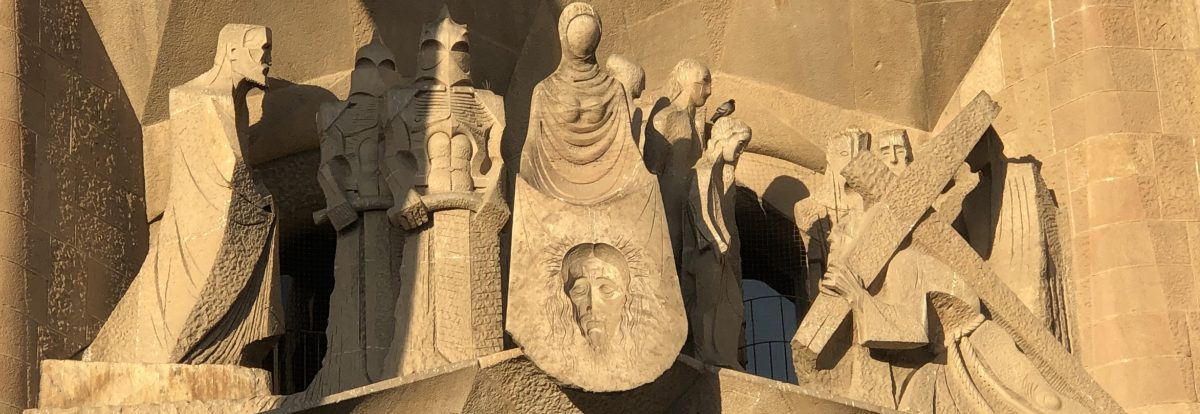
From the Church of Santa Maria dell’Orazione e Morte, Rome

Then in 2012, I did an interview for an American Catholic radio program, and they asked me about the Mayan calendar. It was about to end on December 21, 2012, they said, and asked, “Is it true that the world will end? Should we buy canned food?”

Even today, when we talk about the environment—an important issue—there is often an apocalyptic element. And this element, in my opinion, probably does not help us deal with this complex problem in a sober manner.

Perhaps you are now thinking, “But, Father, are you saying that there will be no Apocalypse?” Absolutely not. The Apocalypse is a recurring theme in Jesus’ preaching, and since time of the apostles, the Church has never ceased to proclaim the urgency of being prepared for this event. There have been many false prophets who have proclaimed “the time is near,” but that does not mean we should not be prepared. Even if the Mayan astrologers were wrong about the date, our life is short.

However, with these recent examples of false prophecies, I would like to point out that in today’s culture, the idea of the Apocalypse continues to exist but has become secularized. Earthquakes, hurricanes, aliens, computers, astrologers, pollution, zombies—in all this apocalyptic talk, the one thing missing is the most important thing: Jesus Christ.

Continue reading “Apocalypse when? Homily for the 33rd Sunday in Ordinary Time”
Memento mori

As I noted at the beginning of the month, November is a month dedicated to praying for the dead. It is also a time in which the readings begin to take on a somewhat apocalyptic flare. The theme of the end of things echoes with the changing seasons; at least in the northern hemisphere, this is the time when fall turns into winter.

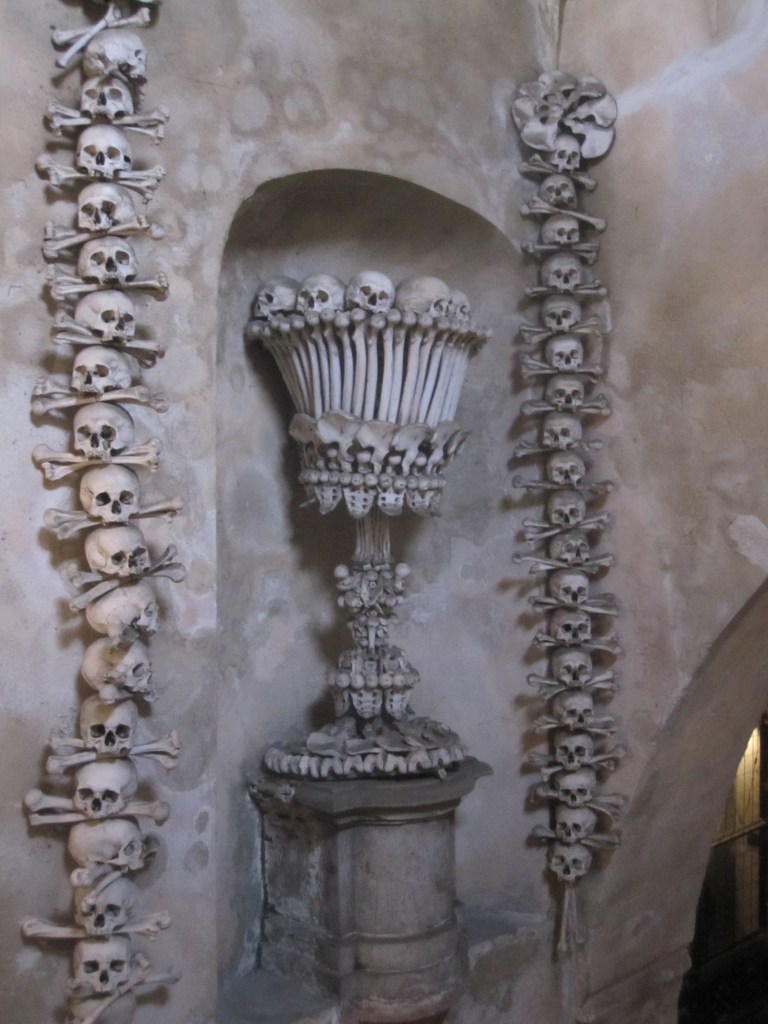
Sedlec Ossuary, Kutna Hora, Czech Republic

It might seem macabre to dedicate a particular season to considering death, but it doesn’t have to be. In any case, not thinking about death will not prevent it from happening to each one of us. One reason to pray for the dead, as I wrote a few weeks ago, is to help them on their journey through purgatory. Another is to give us the proper attitude toward life. The things in this world are temporary; our relationship with God is eternal. We should plan accordingly.

Continue reading “Memento mori”

The Transfiguration and previews for the main event: homily for the Feast of the Transfiguration

Homily for the Transfiguration of the Lord (A)

At the end of today’s Gospel reading, Jesus tells Peter, James, and John to keep a secret.  A Jesuit friend once wisely observed, “Most people can keep secrets.  It’s the people they tell who can’t.”

This is just one of a number of times throughout his public ministry when Jesus asks his disciples not to tell people about the miracles they’ve seen.  Since Jesus is constantly urging us to spread the Good News, this seems strange.  Why would Jesus not want stories of his miracles to spread?  

I suspect that Jesus does not want these miracles to distract from his mission.  The miracles that we read about in the Gospels that stick with us and we love so much—the healing of the paralytic, the wedding at Cana, the healing of the man born blind, the raising of Lazarus—show Jesus’ compassion and his power, but they are nothing compared to the transformation that Jesus works through the cross.  When, for example, Jesus raises Lazarus from the dead, Lazarus will die again.  But when Jesus rises after being crucified, he opens for us a new life, a new way of being, that will never end.  

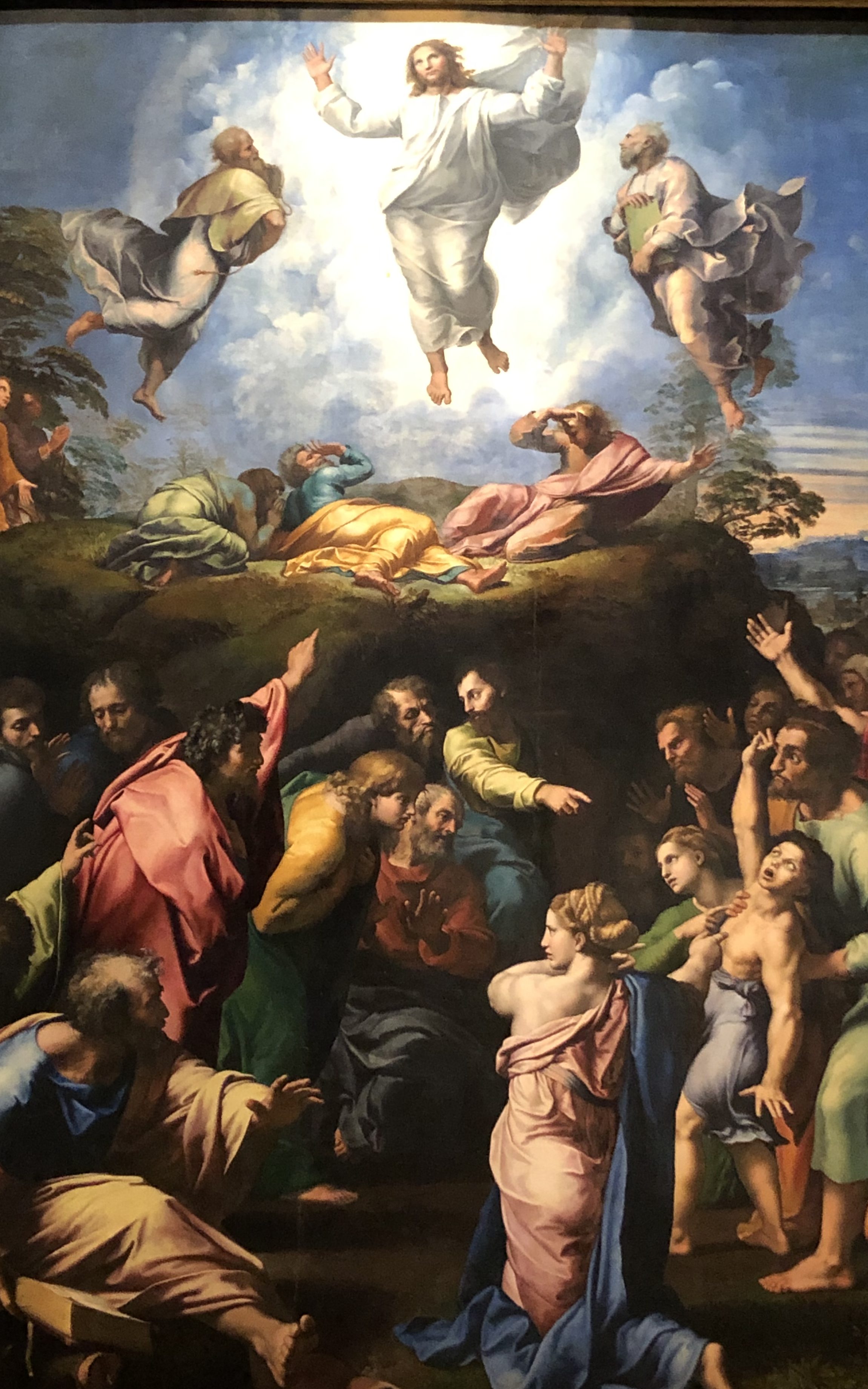
The Transfiguration, Raphael (1520), Vatican Museums

The miracles that Jesus performs before his death and resurrection—and I’d include today’s feast, the Transfiguration as one—are like the previews they show in movie theaters before the feature film.  Jesus doesn’t want us to get so excited by the pictures of popcorn and soft drinks that we run out to the concession stand and forget about the movie.  This is not to say that we should fast forward through first part of the Gospel.  But we can’t stop halfway through; we can never be followers of Christ if we stop before the cross.  

Continue reading “The Transfiguration and previews for the main event: homily for the Feast of the Transfiguration”