Gargoyles, east and west

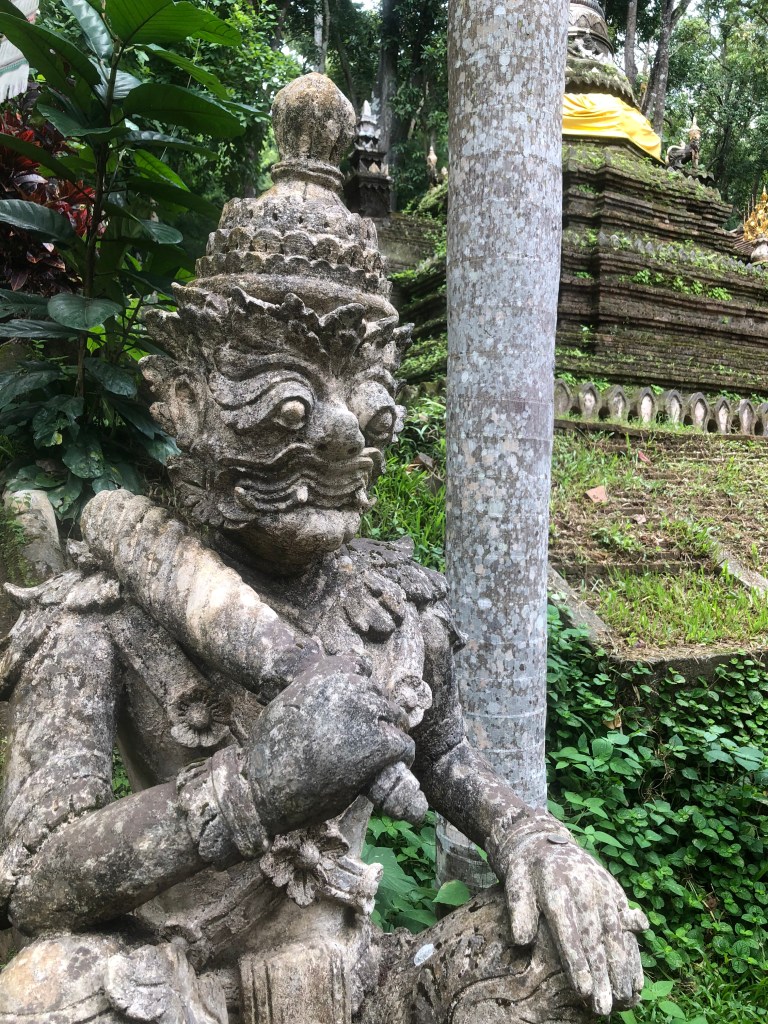
Wat Pha Lat, Chiangmai, Thailand

One of the highlights of my recent travels through Asia was visiting a number of quite impressive Buddhist temples and shrines. This was particularly the case in Thailand, though Chinese temples in Singapore, Taiwan, and Hong Kong were also filled with rich carvings, colorful statues, and piles of offerings including fruit, flowers, and burning incense. The warm red–the color of prosperity–of the Chinese temples reminded me of the red color with which the ancient Romans frescoed the inside of their homes. The desire for a warm hearth is written deeply in the human psyche.

Thian Hock Keng Temple, Singapore

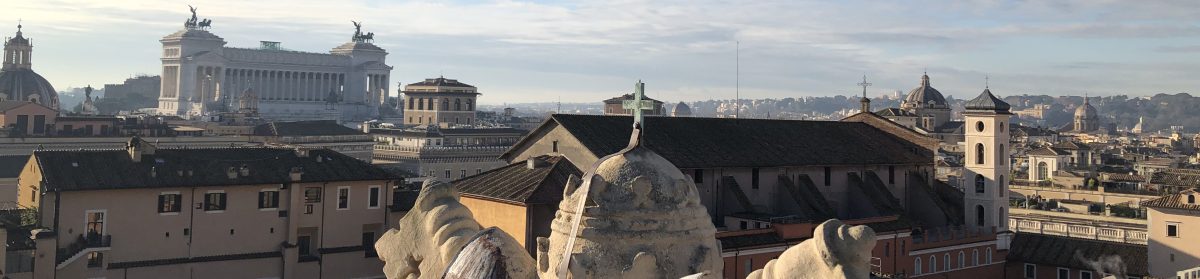
A place of worship that makes an absorbing appeal to the senses is of course nothing new to me. I live in Rome, city of the baroque, where tales of religious ecstasy are told and retold in marble, mosaic, and fresco. The impulse of Christianity to express itself in art goes back to the Incarnation itself, to God revealing himself by entering into the world of the flesh, expressing his divinity in the matter of creation. We Catholics believe that he continues to communicate his grace to us through the sacraments. Artistic expressions using color, smell, and sound to amplify this divine work come naturally enough to a sacramental faith.

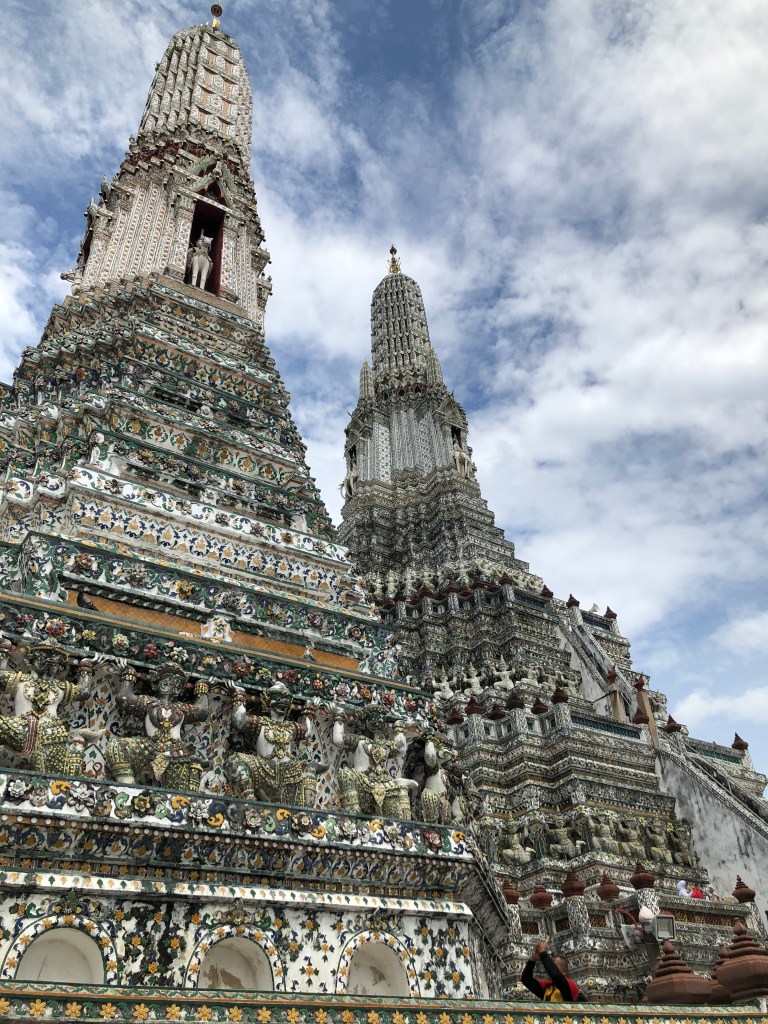
But what about Buddhism? Such expressions would seem to me, an outsider, to fit less naturally within Buddhist philosophy, with its distrust of all desire and negation of the world of pleasure and pain. Incarnation and Nirvana are two radically different beliefs. Yet how else to describe the gilded wats of Thailand, the cascades of angels and demons in glittering ceramic, than Buddhist baroque?

Wat Arun Ratchawaramahawihan, Bangkok

Of course, Thailand’s wats are not the architectural expression of pure Buddhist philosophy but a kind of non-culinary Asian fusion–Buddhism grafted into a still older mix of traditional folk beliefs, legends, and superstitions. How cogent such a mix is, I can’t evaluate. But there’s something human about that folk mix that I find more compelling than Buddhism in its purity, which I’ve always thought a little chilly.

Continue reading “Gargoyles, east and west”

Van Gogh and the Sower

Last year, Rome’s Palazzo Bonaparte hosted a special exhibition of the work of Vincent Van Gogh (1853-1890). It highlighted, among other things, the deep religiosity of this son of a Protestant minister. Van Gogh’s life was marked by inner turmoil, culminating in a horrendously painful suicide. The exhibition made me appreciate the ways in which faith, failure, sin, turmoil, and hope intersected in Van Gogh’s work. The artist’s tragic struggle gave his work its unique power.

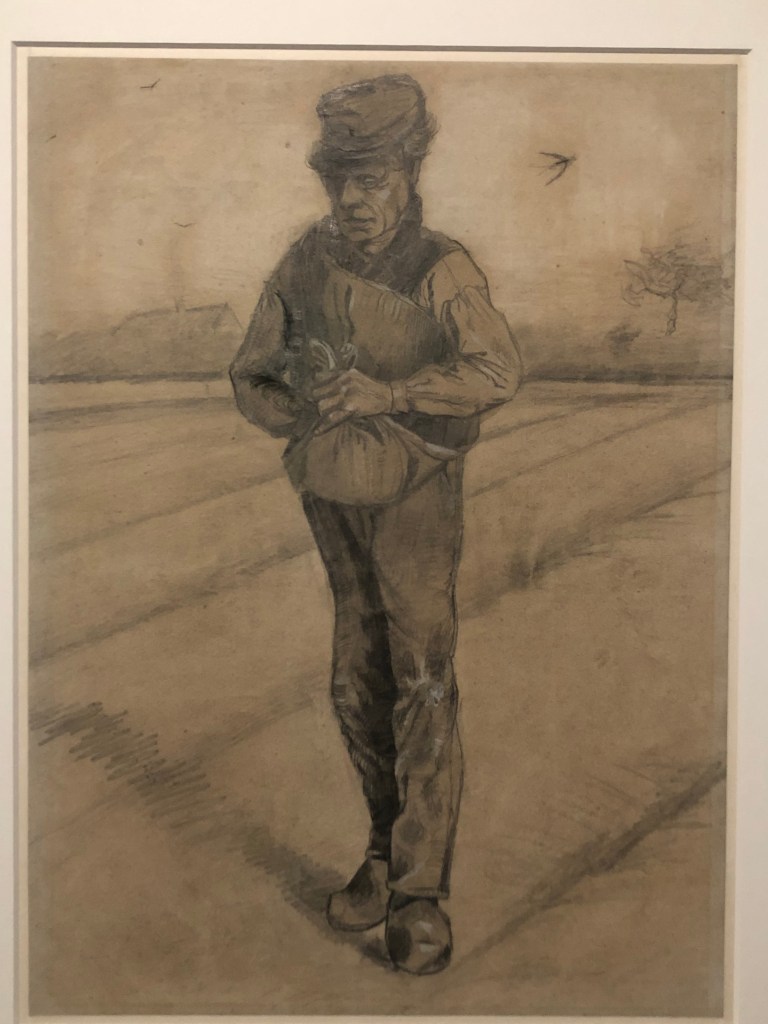
Vincent Van Gogh, The Sower, pencil, chalk, and watercolor

One of the themes to which Van Gogh repeatedly returned was the parable of the sower. Something about the the way the parable combines both failure and fecundity with the life cycle of the seed–being buried in order to give life–seemed to fascinate Van Gogh.

Continue reading “Van Gogh and the Sower”

The hunger and the harvest are abundant: homily for the eleventh Sunday of Ordinary Time

Homily for the 11th Sunday in Ordinary Time (A)

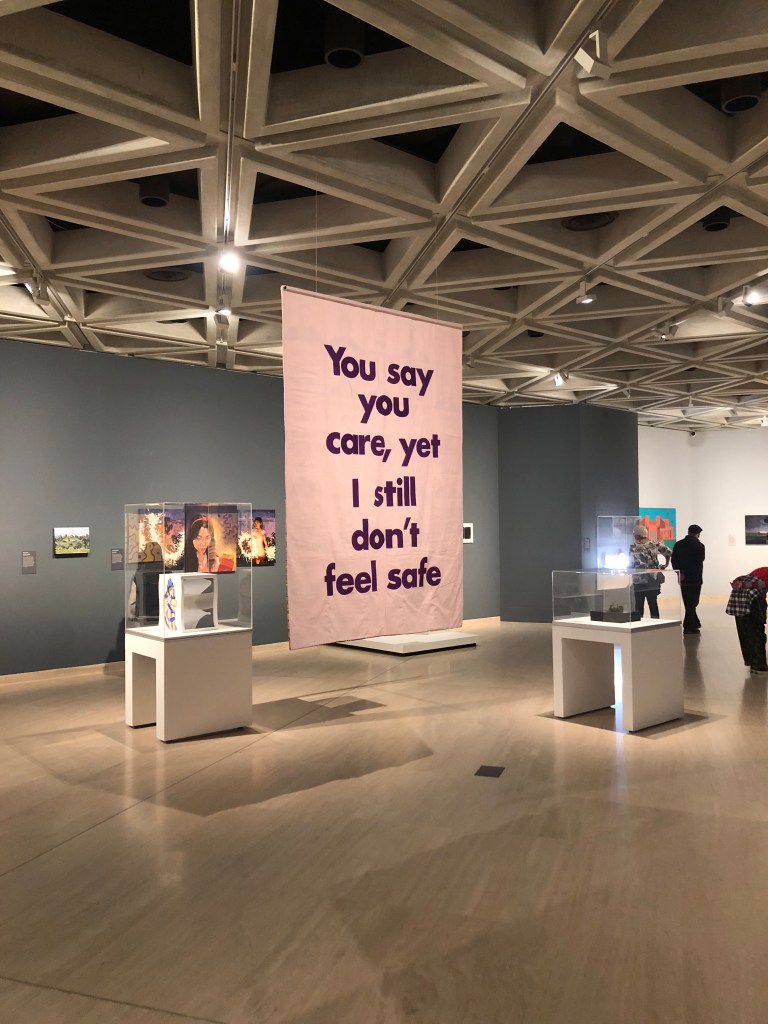
A couple of weeks ago I visited the Art Gallery of Western Australia, not very far from here, and I was moved by an exhibition of works by young artists, Year 12 Visual Arts graduates, from here in WA.  In addition to the talent of these young people, I was moved—even disturbed—by the pain that I saw expressed in their work.  Not youthful idealism, but pain.

Western Australia Pulse 2023 Exhibition, Perth

The pain that I saw expressed so honestly in art was not from material deprivation.  These young artists enjoyed all the advantages and opportunities of a state-of-the-art education system.  No generation has ever had the material advantages we enjoy today in the West.  Yet as I have traveled in America, in Australia, in Europe I have felt what I think many people today perceive, an ache, an emptiness—sometimes a sense of rootlessness, sometimes a vague, unspecified guilt, often a lack of purpose and meaning.  We claim to be free, yet fear of giving offense suffocates us.  We are hyperconnected through media and gadgets, yet no generation has ever been so lonely.  We boast of the diversity of our societies, yet we barely speak to those with whom we disagree.  Something is wrong, something is missing—something at the root of the hurt expressed in those young artists’ work.

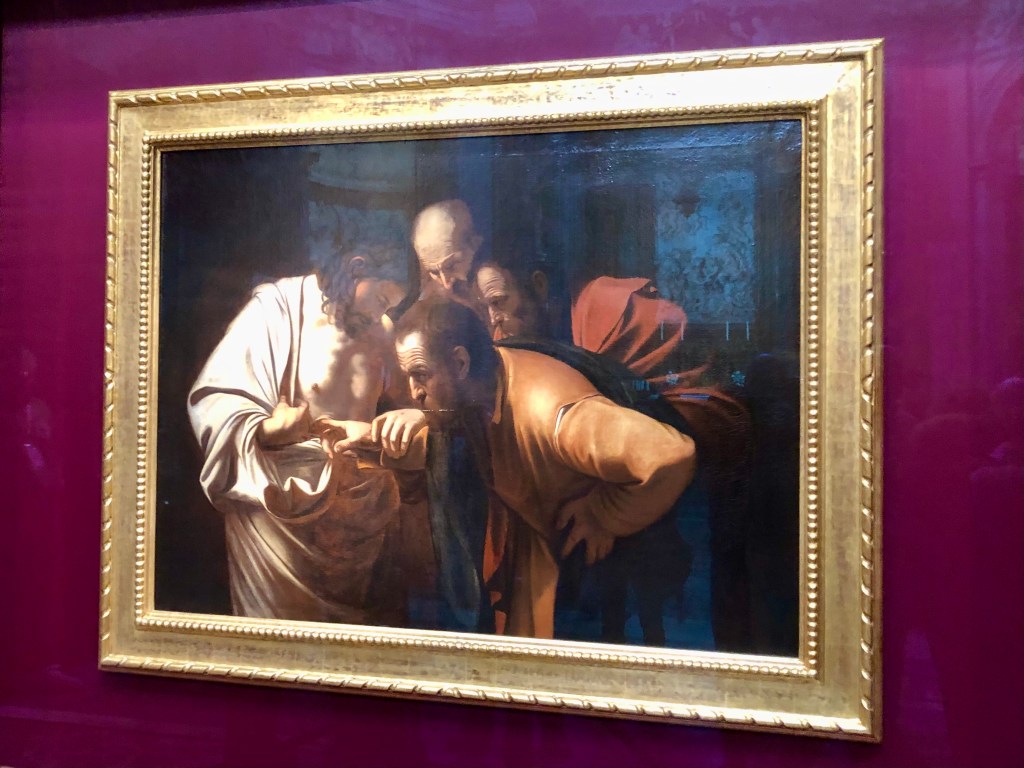
In the popular culture of the West, the spiritual void is inescapable.  We have uncountable comforts.  In fact, I don’t think that our most characteristic compulsion is to acquire more stuff.  Instead, today, we are addicted to being entertained.  But our entertainment does not lift the soul—it is not like the art of Michelangelo.  It just keeps us occupied and keeps us paying.  How could we, beings created in the image of God, find this satisfying?  

Continue reading “The hunger and the harvest are abundant: homily for the eleventh Sunday of Ordinary Time”