Homily for Wednesday of the Fourth Week of Lent
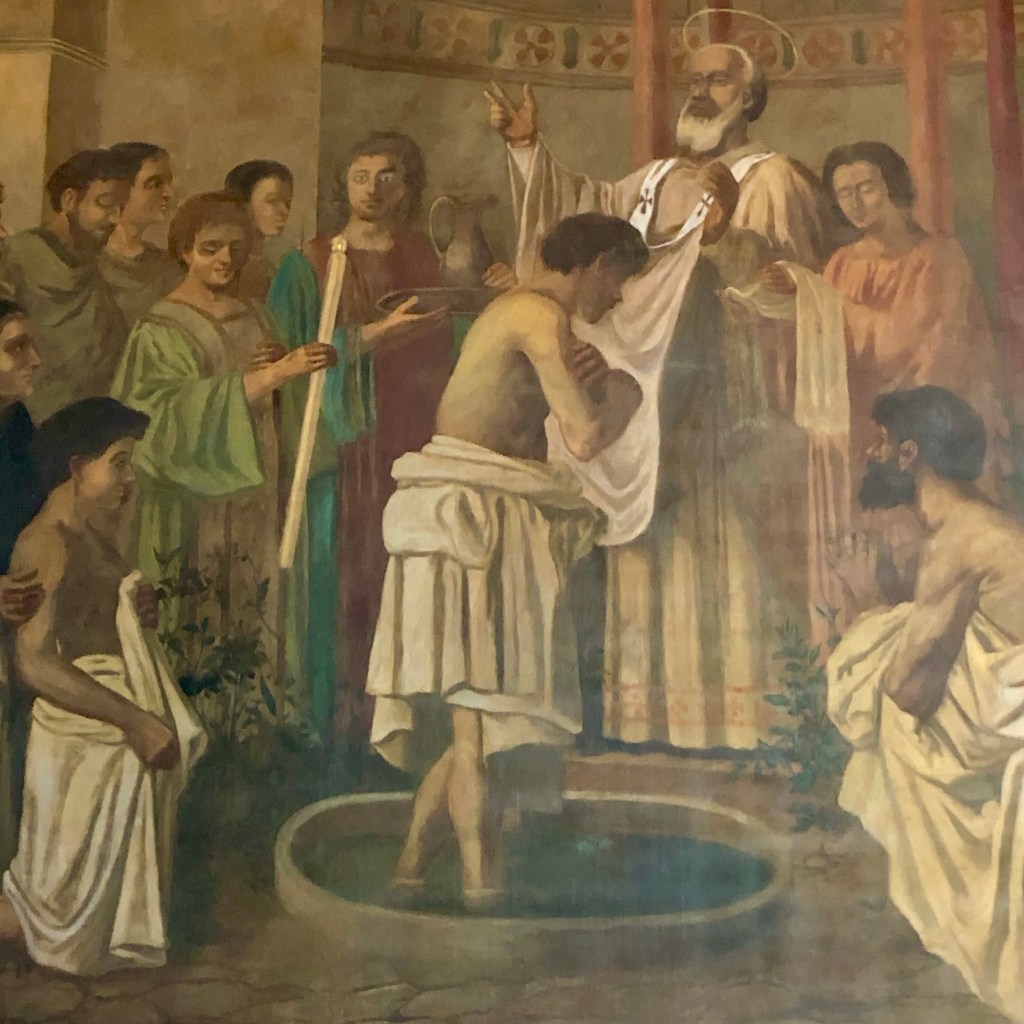
In these two readings, we see the two points of the compass for our Lenten journey. These points are also the two sides of the sacrament of baptism, to which this journey is directed.
The first reading speaks of freedom from evil: freedom from war and oppression; the end of exile in a devastated land; liberation from captivity, darkness, hunger, thirst, and abandonment. The joy that the prophet Isaiah expresses comes from the defeat of these evils that oppress us. The ascetic dimension of Lent is motivated by the desire to be freed from the forces that hold us captive: sin and selfishness.
But the purpose of Lent is not empty freedom. Rather, it is a freedom that allows us to live in a new relationship with the Lord. In the Gospel, Jesus emphasizes his relationship with the Father. And we, at the end of this Lenten journey, hope to renew the gift that was given to us in baptism: the gift of a new relationship with the Father, the gift of being reborn as his adopted children, the gift of the Spirit of Jesus who transforms us. Jesus speaks of intimacy with God.
In Sacred Scripture, there are two sets of images used to explain baptism. The first is participation in the death of Jesus, a liberating death in which sin is defeated and death itself is buried. The second is birth, a rebirth into divine life, eternal life, Trinitarian life. It signifies a new relationship and a new intimacy with God.
Freedom and intimacy with the Lord are the two lights that guide our Lenten journey, and they are the two promises that characterize the new life received in baptism and renewed every Easter.
Readings: Isaiah 49:8-15, John 5:17-30
Original: Italian
Gregorian University Chapel
2025

 Tony Lusvardi, S.J.