One of the highlights of my recent travels through Asia was visiting a number of quite impressive Buddhist temples and shrines. This was particularly the case in Thailand, though Chinese temples in Singapore, Taiwan, and Hong Kong were also filled with rich carvings, colorful statues, and piles of offerings including fruit, flowers, and burning incense. The warm red–the color of prosperity–of the Chinese temples reminded me of the red color with which the ancient Romans frescoed the inside of their homes. The desire for a warm hearth is written deeply in the human psyche.

A place of worship that makes an absorbing appeal to the senses is of course nothing new to me. I live in Rome, city of the baroque, where tales of religious ecstasy are told and retold in marble, mosaic, and fresco. The impulse of Christianity to express itself in art goes back to the Incarnation itself, to God revealing himself by entering into the world of the flesh, expressing his divinity in the matter of creation. We Catholics believe that he continues to communicate his grace to us through the sacraments. Artistic expressions using color, smell, and sound to amplify this divine work come naturally enough to a sacramental faith.
But what about Buddhism? Such expressions would seem to me, an outsider, to fit less naturally within Buddhist philosophy, with its distrust of all desire and negation of the world of pleasure and pain. Incarnation and Nirvana are two radically different beliefs. Yet how else to describe the gilded wats of Thailand, the cascades of angels and demons in glittering ceramic, than Buddhist baroque?
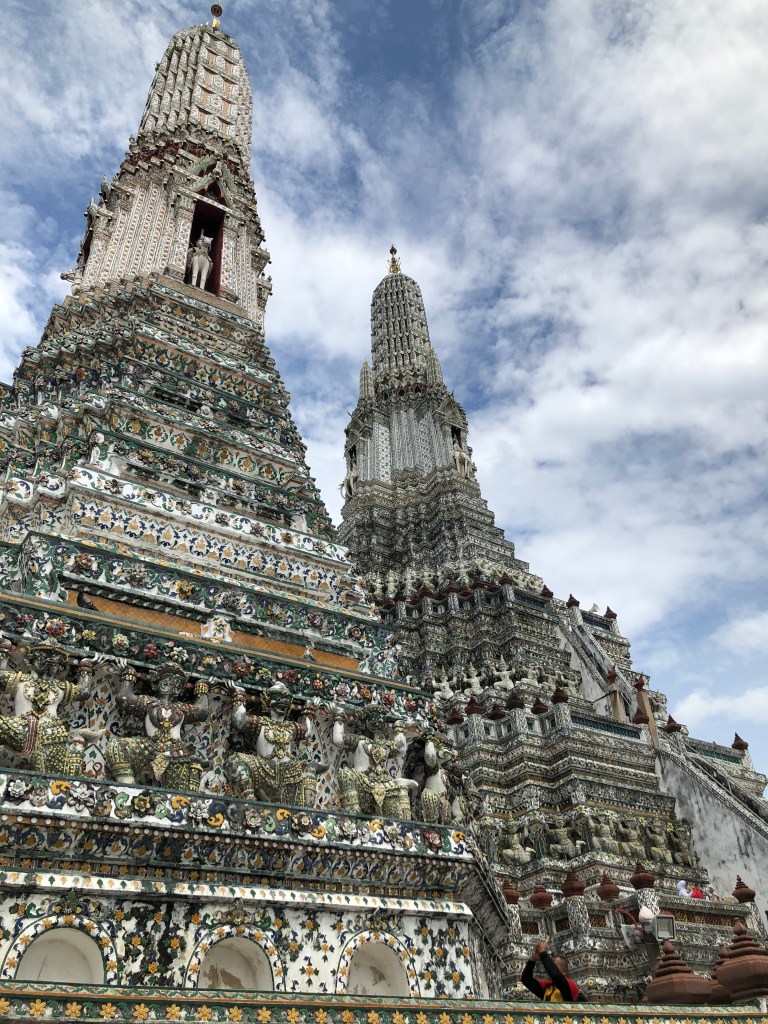
Of course, Thailand’s wats are not the architectural expression of pure Buddhist philosophy but a kind of non-culinary Asian fusion–Buddhism grafted into a still older mix of traditional folk beliefs, legends, and superstitions. How cogent such a mix is, I can’t evaluate. But there’s something human about that folk mix that I find more compelling than Buddhism in its purity, which I’ve always thought a little chilly.
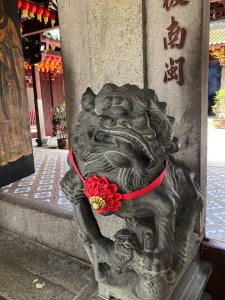
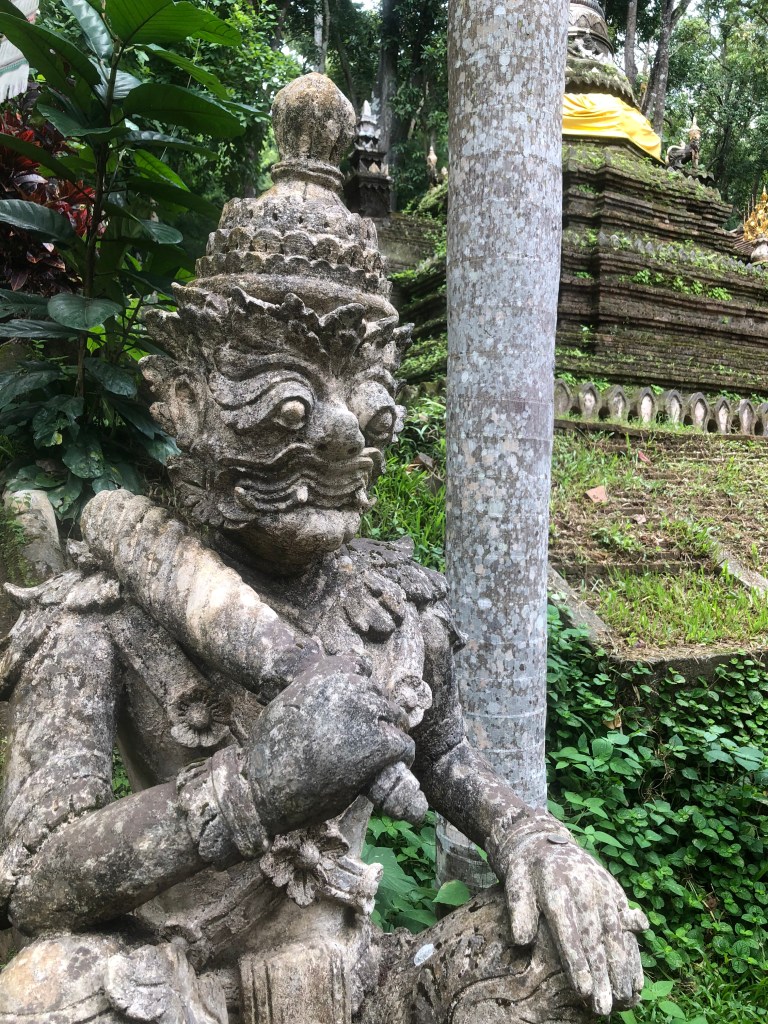
One part of the temples that I found myself repeatedly drawn to–not for any particularly elevated reason but because they were visually arresting–were the “guardians” placed outside their doors. Sometimes these were lions, sometimes warriors, sometimes dragon-like monsters. They were always fierce and fantastical. These guardians draw your attention with the same mix of fright, novelty, and whimsy that makes fantasy movies so appealing. In the royal palace in Bangkok, I was tickled that some of the warriors guarding doors were dressed up in Western military garb–what seems exotic depends on what you’re used to seeing.


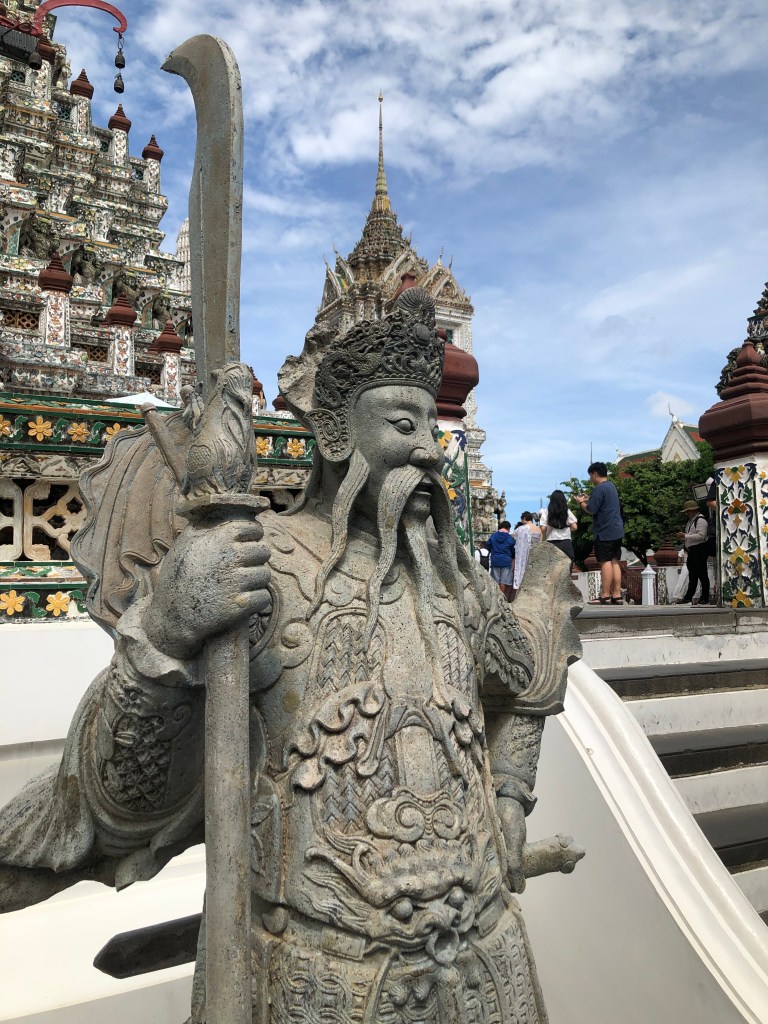
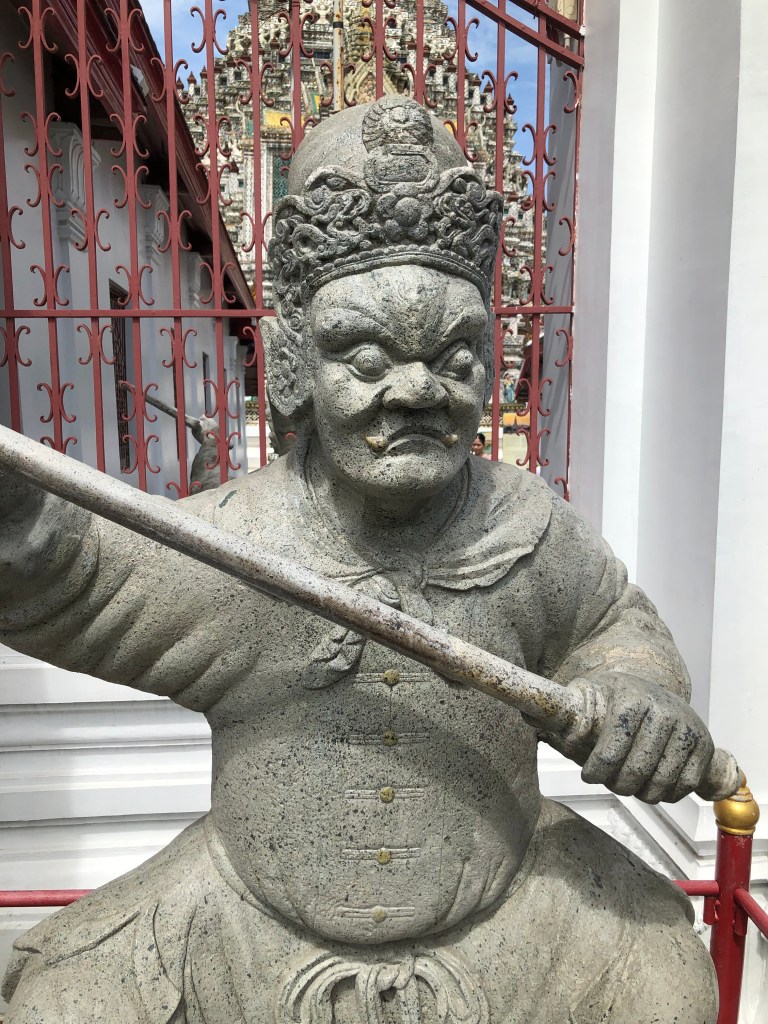


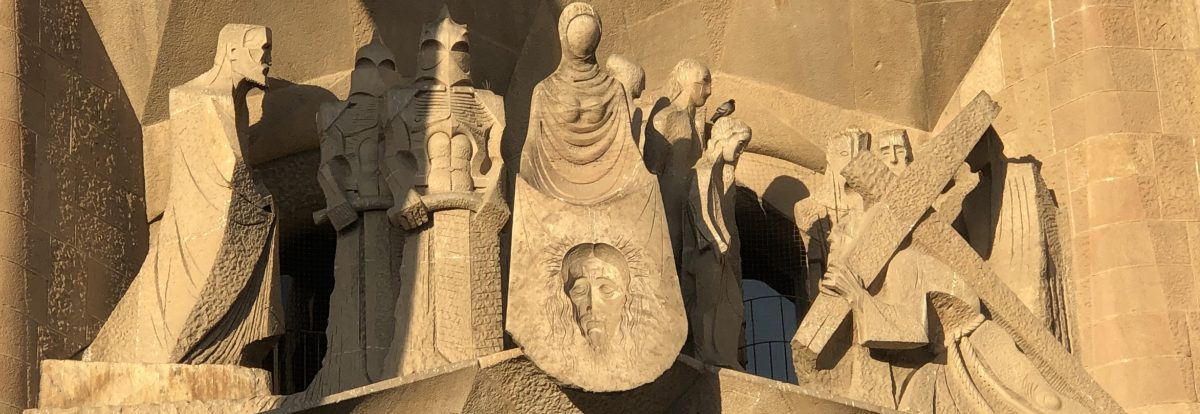
The stone guards outside temples in East Asia reminded me of similarly intimidating beasts outside the doors of medieval European cathedrals. These are known to anthropologists as “apotropaic” figures, statues designed to drive off evil. The prevalence of such figures in both East and West, I reflected, must hint at something deep in our human experience. Such figures tap into something basic, something from the earliest strata of human religious expression, from before either Christianity or Buddhism, though they’ve been incorporated into the artistic world of both religions. What does that tell us?

The ubiquity of apotropaic lions perhaps points to the fact that it’s a jungle out there. (In Thailand literally, in Rome metaphorically.) The world isn’t as safe or neat as we’d like it to be. In both the physical world and in the spiritual life, forces that would gobble us up are real and often enough quite sophisticated. Think of all the tricks predators use in the jungle–camouflage, speed, poison, traps. (Yeah, Australia’s spiders and snakes are still on my mind). This is no less true in the spiritual life. “Stay sober and alert,” the first letter of Peter warns. “Your opponent the devil is prowling like a roaring lion looking for someone to devour. Resist him, solid in your faith” (1 Pt 5:8-9a).
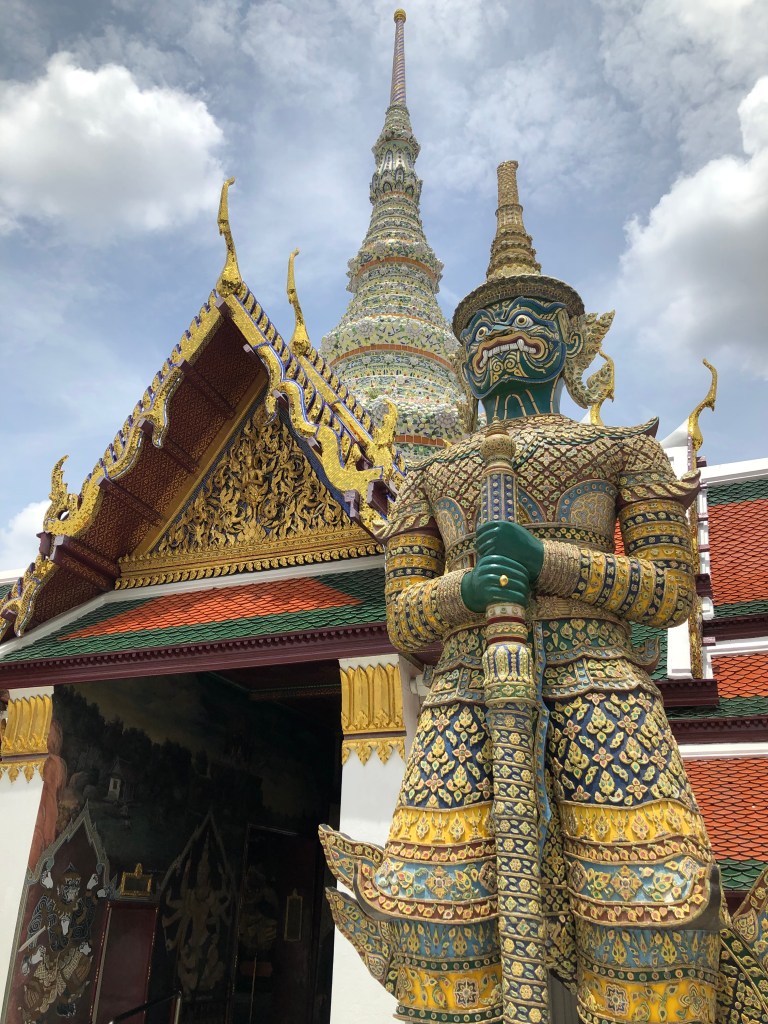
We don’t fill the inside of our churches or our temples with apotropaic figures, of course, and rightly so. The existence of such places of worship testifies to the possibility of in some way overcoming, transforming, or redeeming our life in the jungle. But spiritual transformation and progress can only happen if we keep the jungle at bay. When evil forces get inside–I think of Pope St. Paul VI’s line about Satan’s smoke penetrating the Church–we have a real mess, from which it becomes much harder to extricate ourselves. Our situation is like that Jesus warns about in Luke 11:24-26, when an evil spirit finds a house “swept and put into order” and invites seven companions to join him there. Those who have experienced real conversion or, say, wrestled with an addiction know that growing into a new more spiritual life means decisively breaking with those forces that would keep us trapped in sinful, worldly ways.

There’s wisdom in folk religious expressions, and I think the eastern and western doorkeepers reflect this. As St. Ignatius recognized, the world is filled with spirits, not all of them holy. Following the Holy Spirit means making real choices that always involve keeping other spirits–loud, flashy, or fashionable though they be–outside.


 Tony Lusvardi, S.J.