Staying salty in an indifferent sea: Homily for the 5th Sunday of Ordinary Time

Homily for the Fifth Sunday in Ordinary Time (Year A).
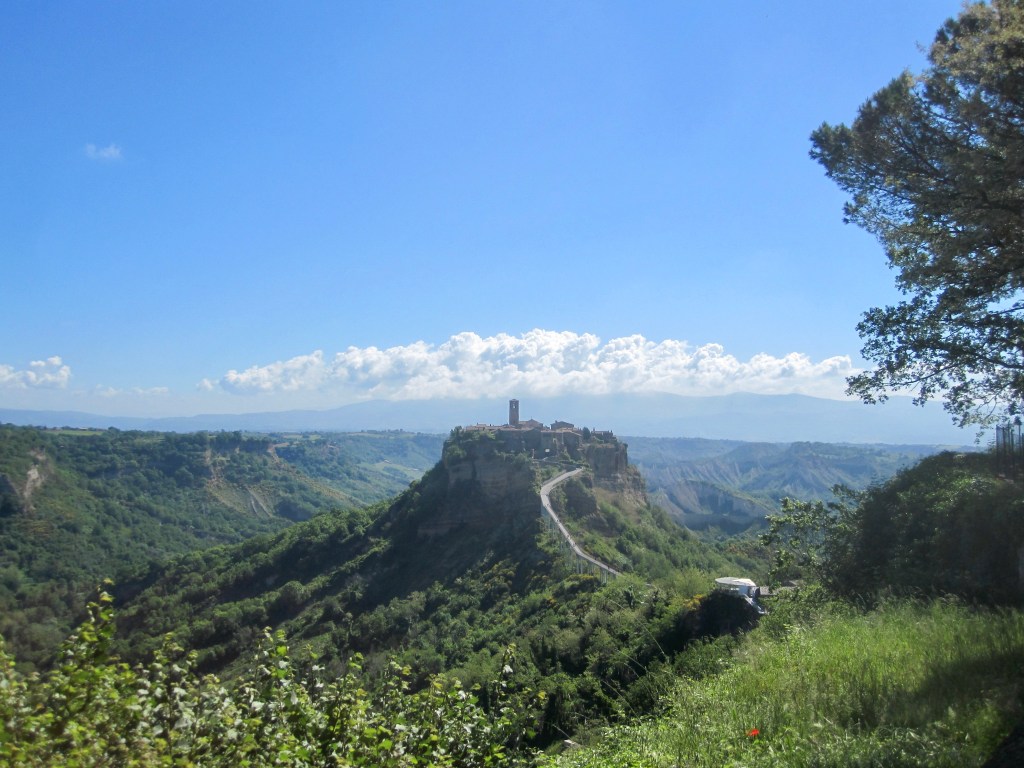
Bagnoregio, Italy

After the Christmas break another Jesuit in our community returned to Rome after having had corrective eye surgery.  The surgery went so well that for a week after he returned, he wore sunglasses at all times of day, even indoors; of course, we gave him a hard time about imagining that he had become a movie star.  What happened was that, with his vision corrected, at first his pupils were letting in too much light—so much light that he couldn’t see.  For our eyes to work, we need light, but we also need contrasts.  Some parts of our field of vision must be lighter or darker than others, otherwise we’ll end up falling down the stairs and running into walls.

If there is no light, of course, we cannot see.  But too much light can blind us too.  In the Biblical world, before electric lighting, the risk of darkness was almost always greater than having too much light.  In the Bible the metaphor of light is usually good, though occasionally the light of God is overwhelming—think of Jesus appearing to St. Paul on the road to Damascus.  Paul is knocked over and blinded by the vision.  If we were to be hit right now with heaven’s light in all its purity, we would probably be paralyzed too.  In order to experience that light, we need to grow, to be re-formed—the same way my confrere’s eyes had to convert after surgery and our own eyes have to adjust when we step outside at midday.  We might, in fact, say that God’s light shines even on those in hell, and that their darkness is the result of eyes grown used to the shadows, forever unwilling to adjust to the daylight.  However, this world in which we live right now contains both light and darkness.  In order to navigate in this world, we need to be able to recognize the contrasts.

Continue reading “Staying salty in an indifferent sea: Homily for the 5th Sunday of Ordinary Time”
How all our holidays became Black Friday

I’m happy to have another piece appear in Plough, the wonderful magazine published by the Bruderhof community. I’ve had a few essays in Plough before, about travel and nature and spirituality. This time I’m writing about Black Friday. Last year, I blogged here about what a great holiday Thanksgiving is — expressing what is best in the American character. Black Friday, on the other hand, expresses just about what’s worst — and yet it’s the holiday that has been exported around the globe. Here’s the essay: What Religion Is Black Friday?

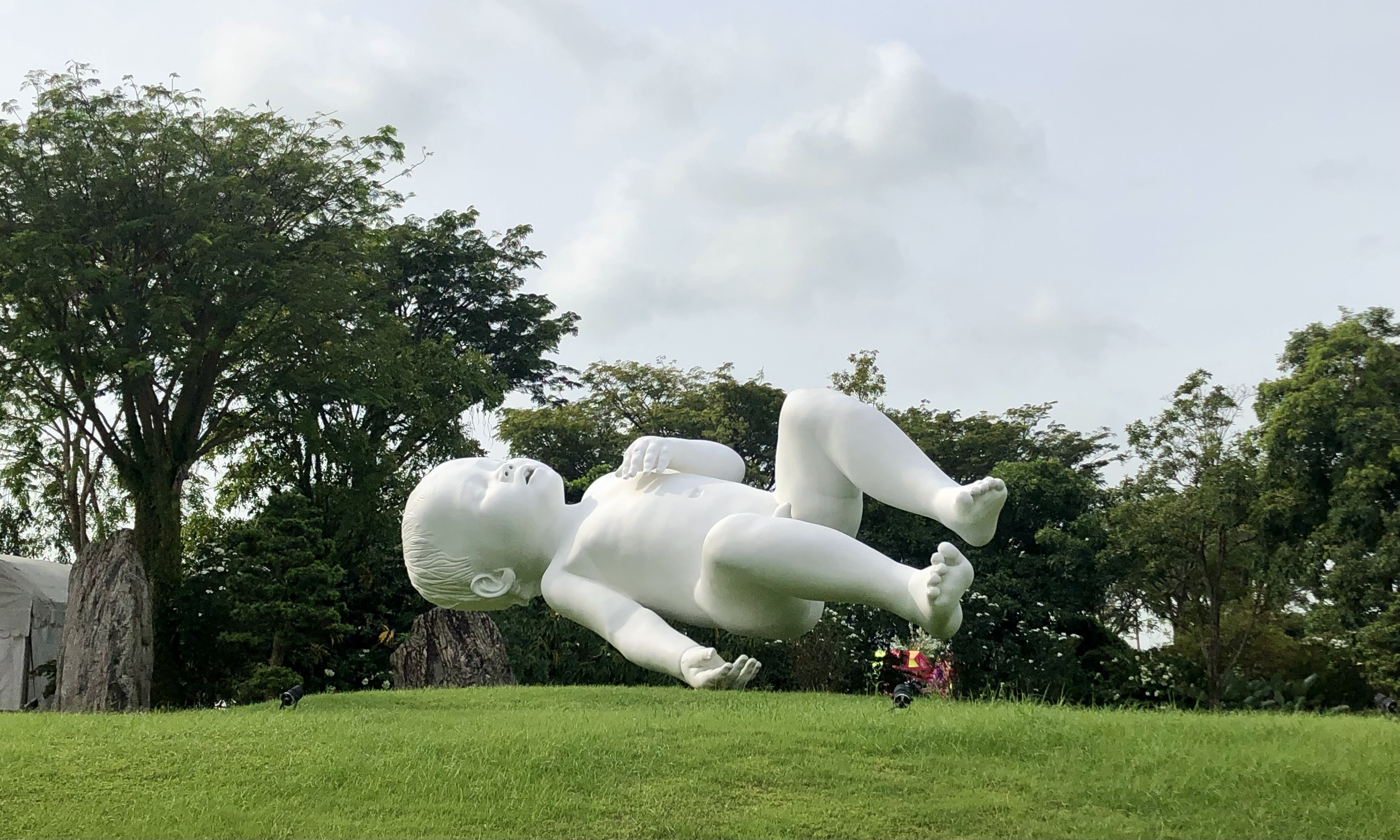
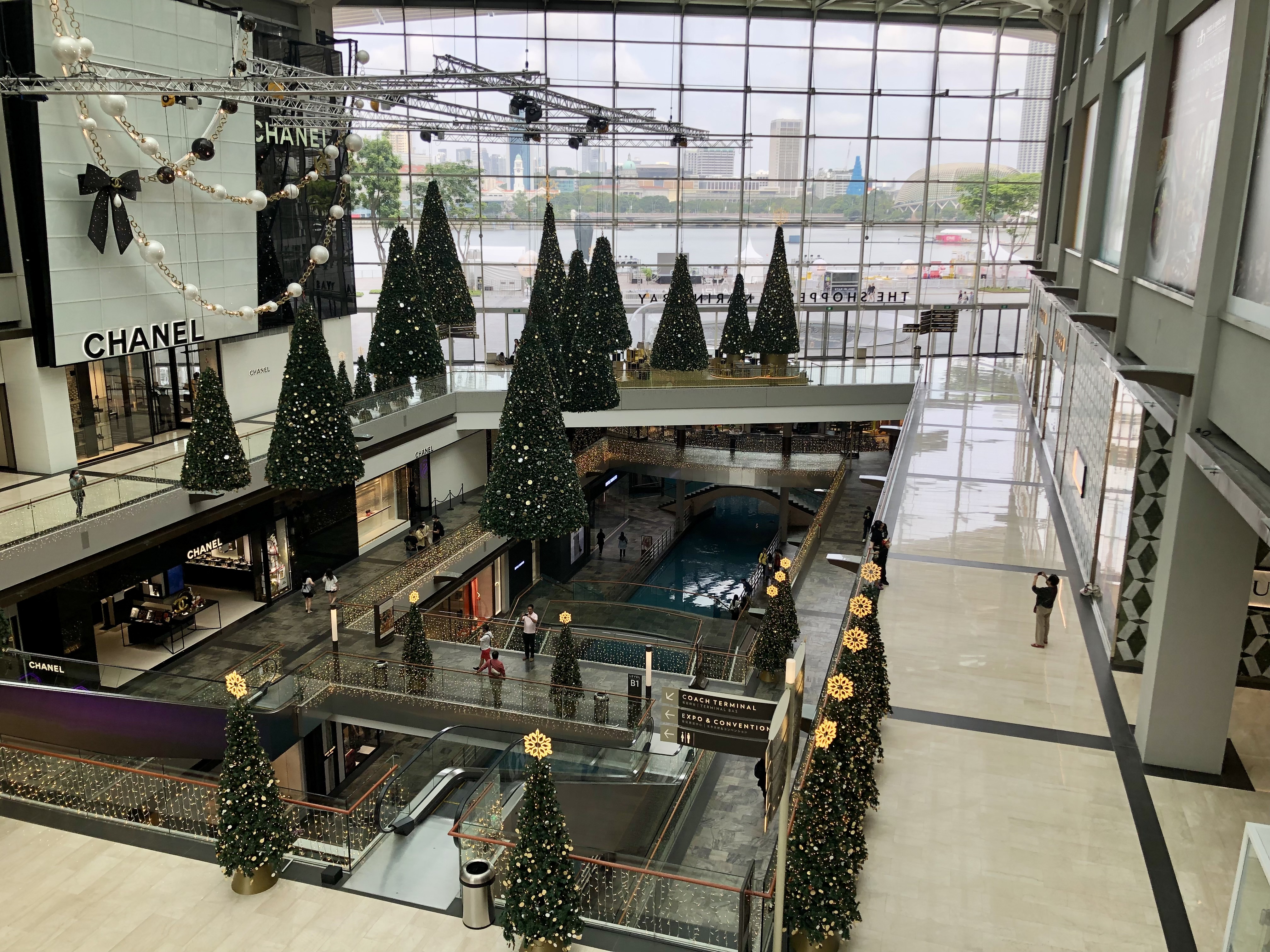
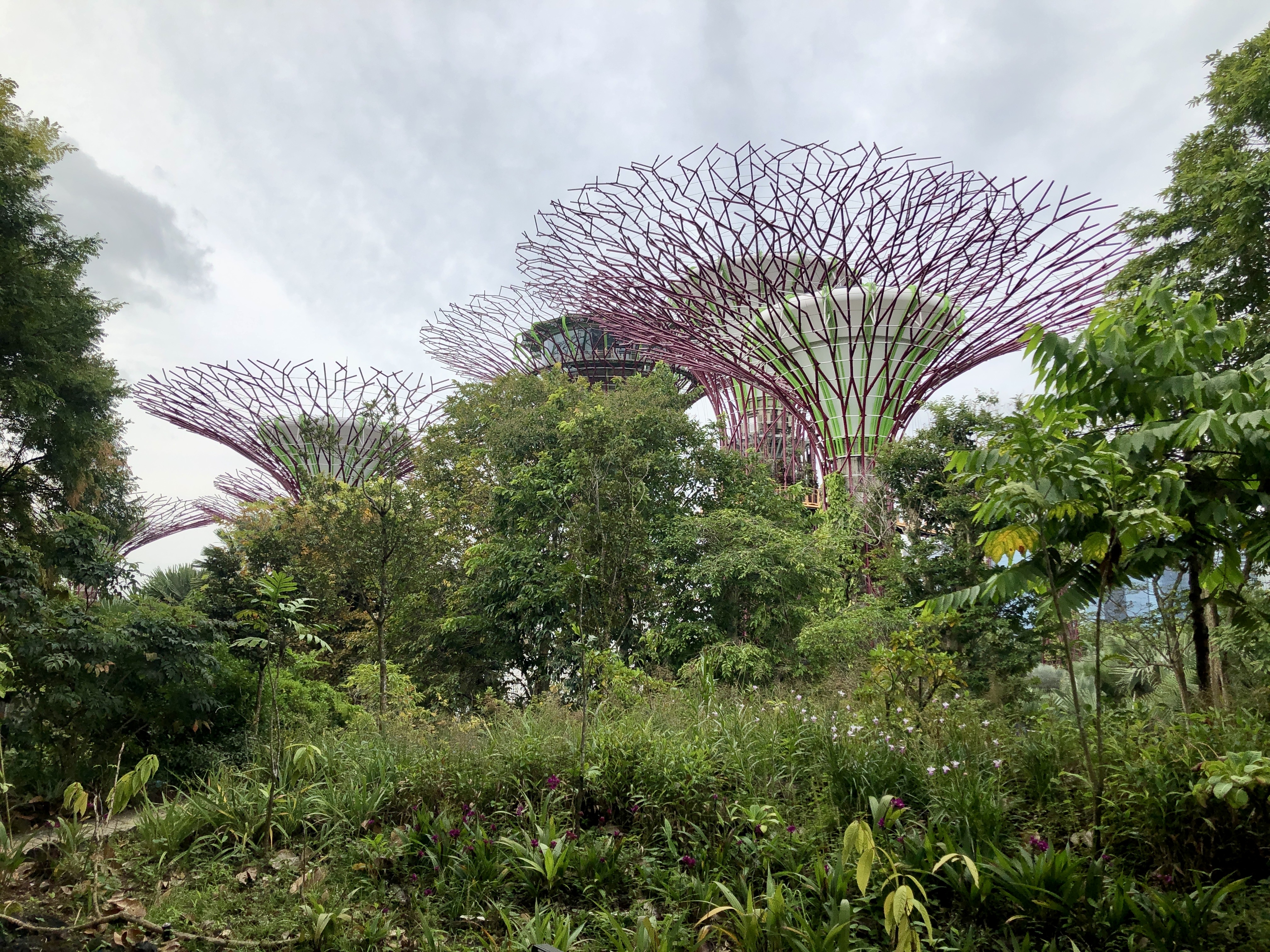
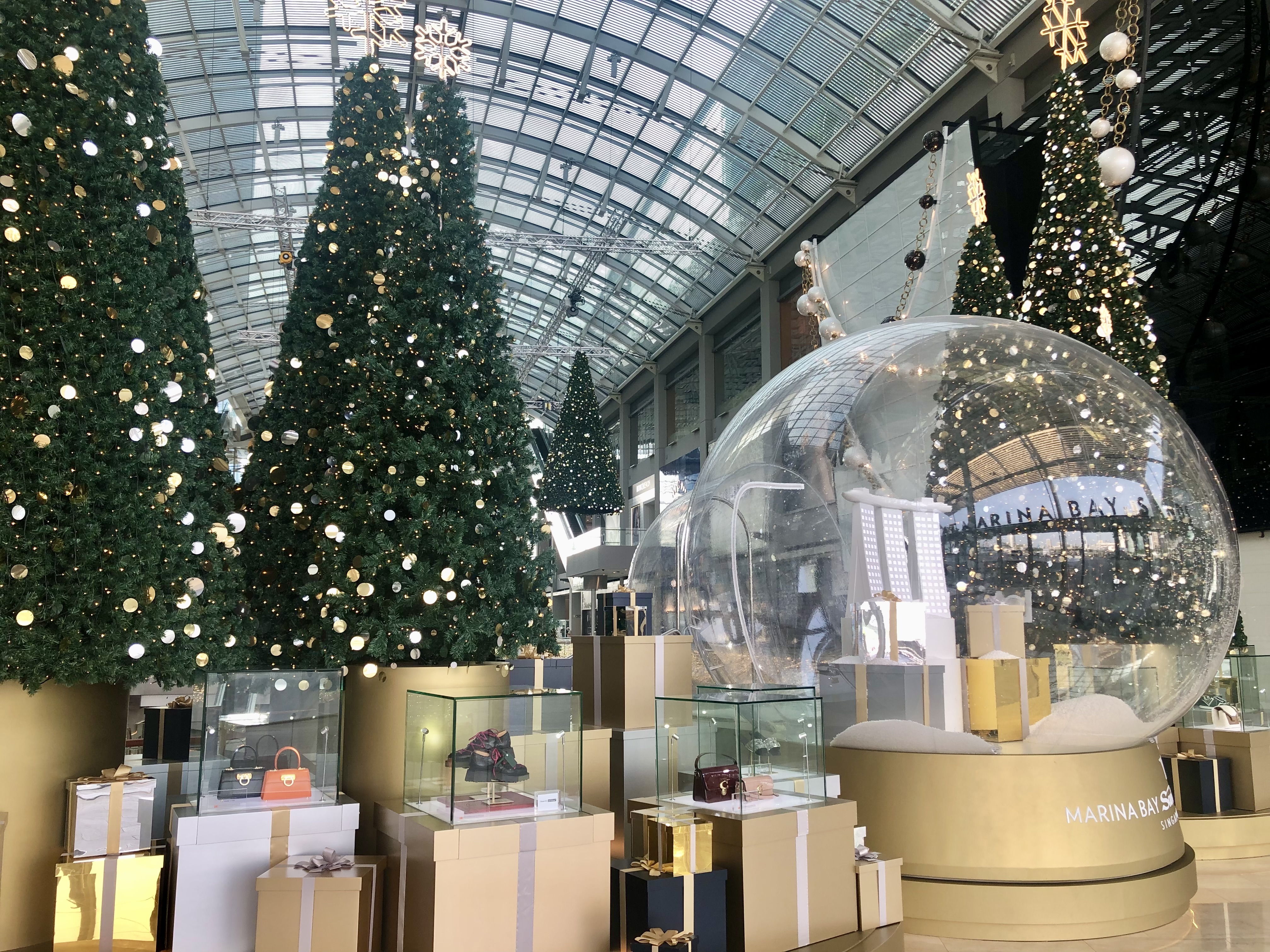
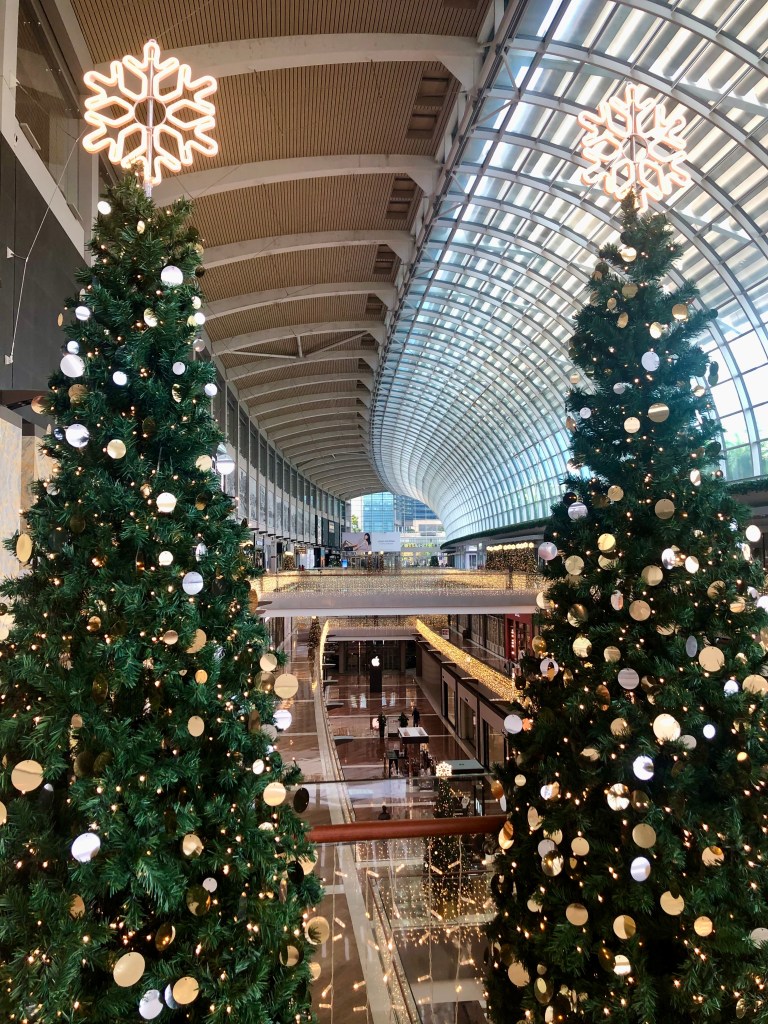
The essay begins, however, not with Black Friday itself, but by reflecting on the odd experience of arriving in Singapore on the day after Christmas a couple of years ago as I was on my way to Australia. The modern city-state was a delight to visit and my brief stop-over gave me plenty to think about. So check out the essay at Plough, and enjoy some pictures of the Singaporean sites mentioned here below.

Popular piety and tradition in Sardinia

I was fortunate this year to have spent Holy Week and Easter in Maracalagonis, Sardinia, a small town about a 20 minute drive from the center of Cagliari. It was a good break from the classroom and a wonderful taste of parish life.

Chiesa della Santa Vergine degli Angeli, Maracalagonis, Sardinia

The religious atmosphere I experienced was both warm and traditional. Masses were full; I heard confessions all week long; I met deeply committed Catholic families. I was especially impressed by the enthusiasm for traditional popular devotions. Teams of parishioners take responsibility for organizing different devotions throughout the year. Of particular note during Holy Week were the su Scravamentu, in which the nails are removed from the Lord’s hands and feet and he is taken down from the Cross after the Good Friday liturgy, and the many processions through the town streets–Stations of the Cross, Palm Sunday, Holy Thursday, the Sorrows of Mary on Good Friday, and then the S’Incontru on Easter morning.

Continue reading “Popular piety and tradition in Sardinia”

Like a bush in a lava waste…

Craters of the Moon National Monument

Today’s first reading from Jeremiah brought to mind the surreal landscape of Craters of the Moon National Monument in central Idaho, which I visited on a long road trip through the American West several years ago.  It’s a surreal landscape of lava flows, ash, and shards of rock so sharp they’ll slice through your shoes if you wander off the trail.  

Jeremiah’s image of a “barren bush [that] stands in a lava waste” to describe those who trust in men and not in the Lord brought Craters of the Moon to mind.  I remember rounding a cinder cone, descending onto a river of hard rock, and thinking I’d wandered into Mordor.

Continue reading “Like a bush in a lava waste…”