The urnas of Bohol

Among 2024’s highlights was my first trip to the Philippines, where I attended a meeting of Jesuit liturgists, caught up with some Jesuit friends, did my annual 8-day retreat, and had a chance to explore a bit of that wonderful country, without doubt one of the most devout in the world.

One of my discoveries when visiting the island of Bohol, home to the iconic Chocolate Hills, was a particular local devotional tradition, the “urnas,” which are small shrines made for homes during the colonial period. The urnas first caught my attention in the museum of the Church of St. Augustine in Manila (below), but it was only when I arrived in Bohol that someone explained the tradition. The urnas typically contain a saint and are beautifully carved and painted.
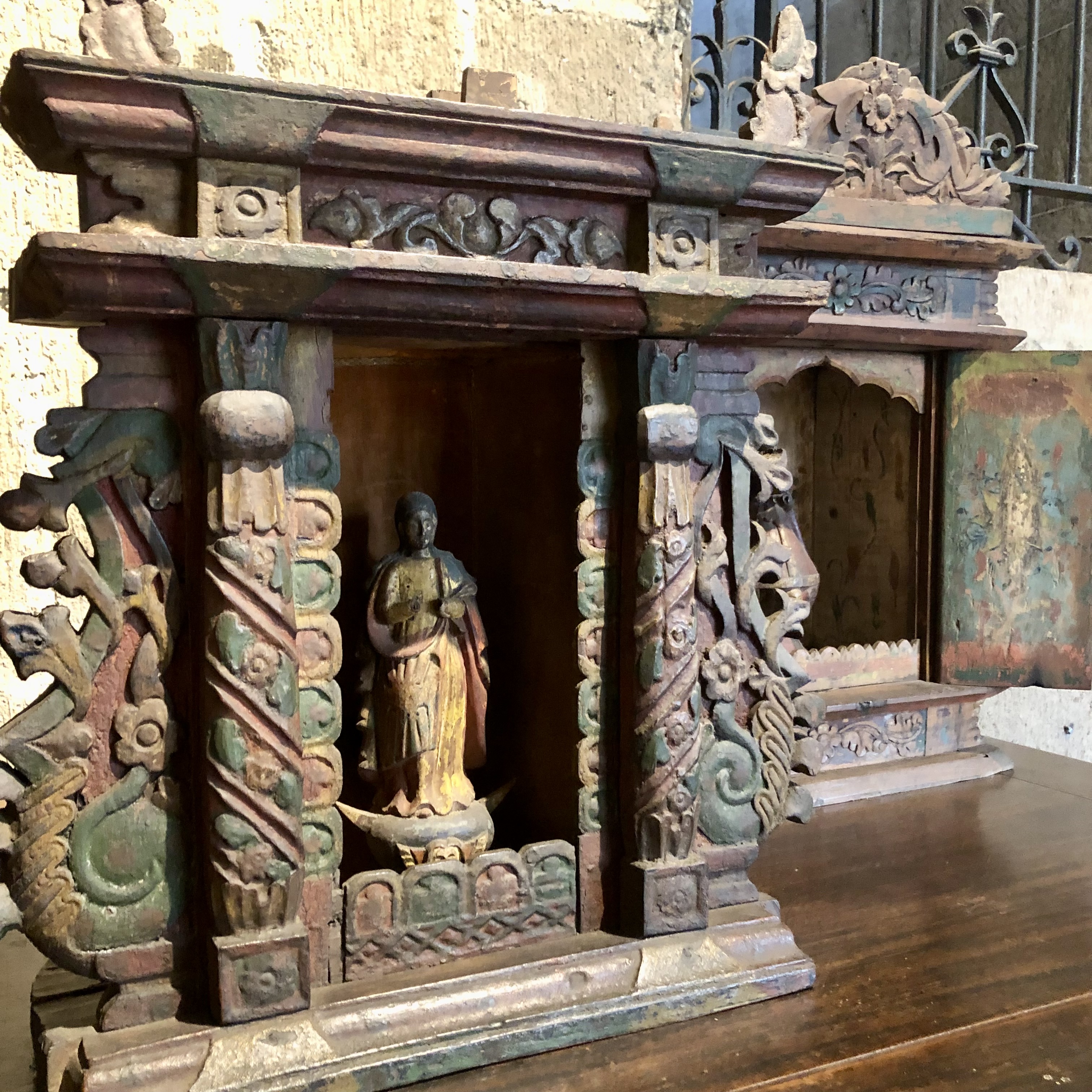
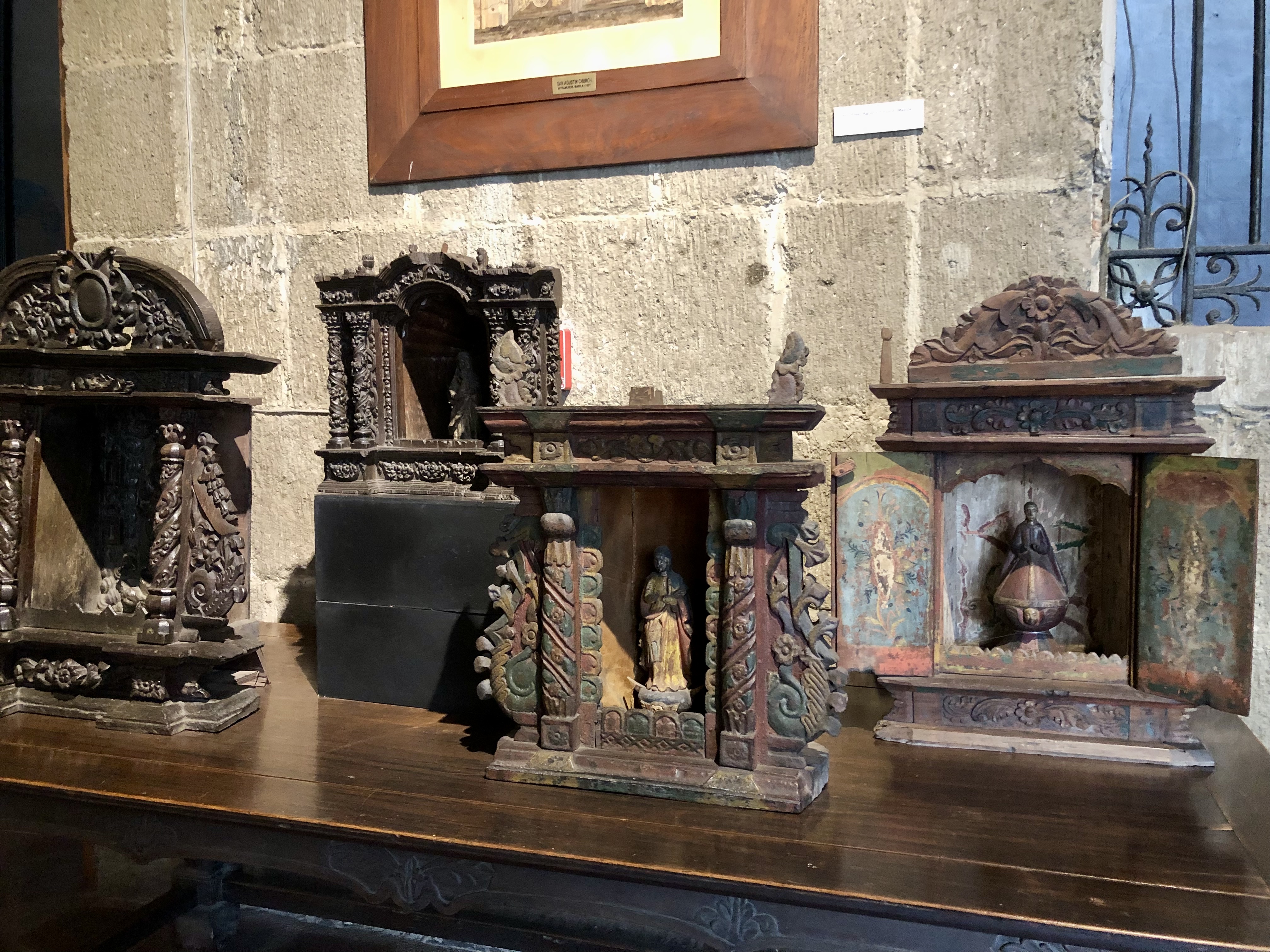
Some of the saints depicted reflect the missionary orders that evangelized the areas, and others give a window into the local piety of the time. Note for example, the statue of St. Roch (with his dog), a saint often invoked against plague. St. Vincent Ferrer also seems to have been particularly popular. This depiction of the Holy Family seems appropriate as Christmas approaches:

Continue reading “The urnas of Bohol”

How all our holidays became Black Friday

I’m happy to have another piece appear in Plough, the wonderful magazine published by the Bruderhof community. I’ve had a few essays in Plough before, about travel and nature and spirituality. This time I’m writing about Black Friday. Last year, I blogged here about what a great holiday Thanksgiving is — expressing what is best in the American character. Black Friday, on the other hand, expresses just about what’s worst — and yet it’s the holiday that has been exported around the globe. Here’s the essay: What Religion Is Black Friday?

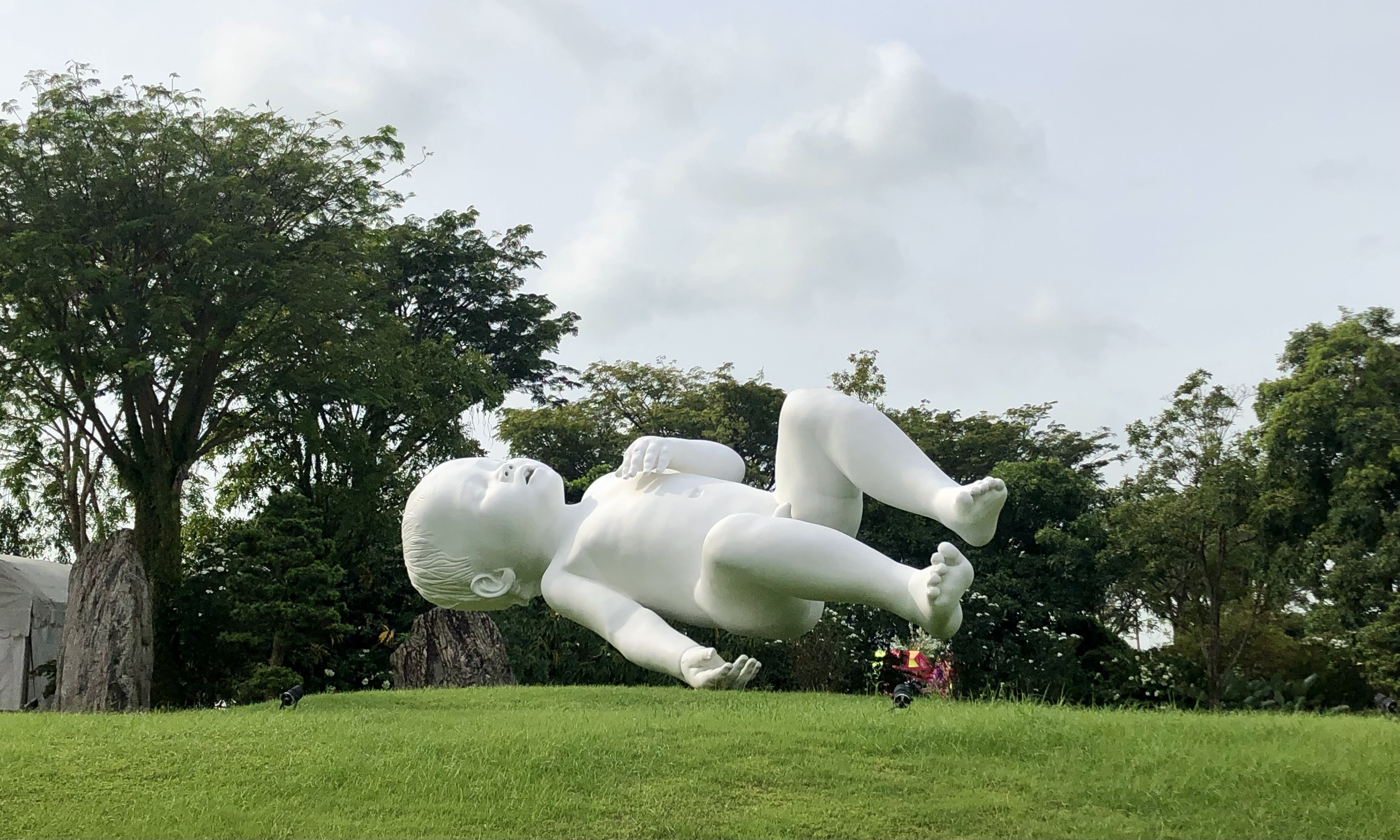
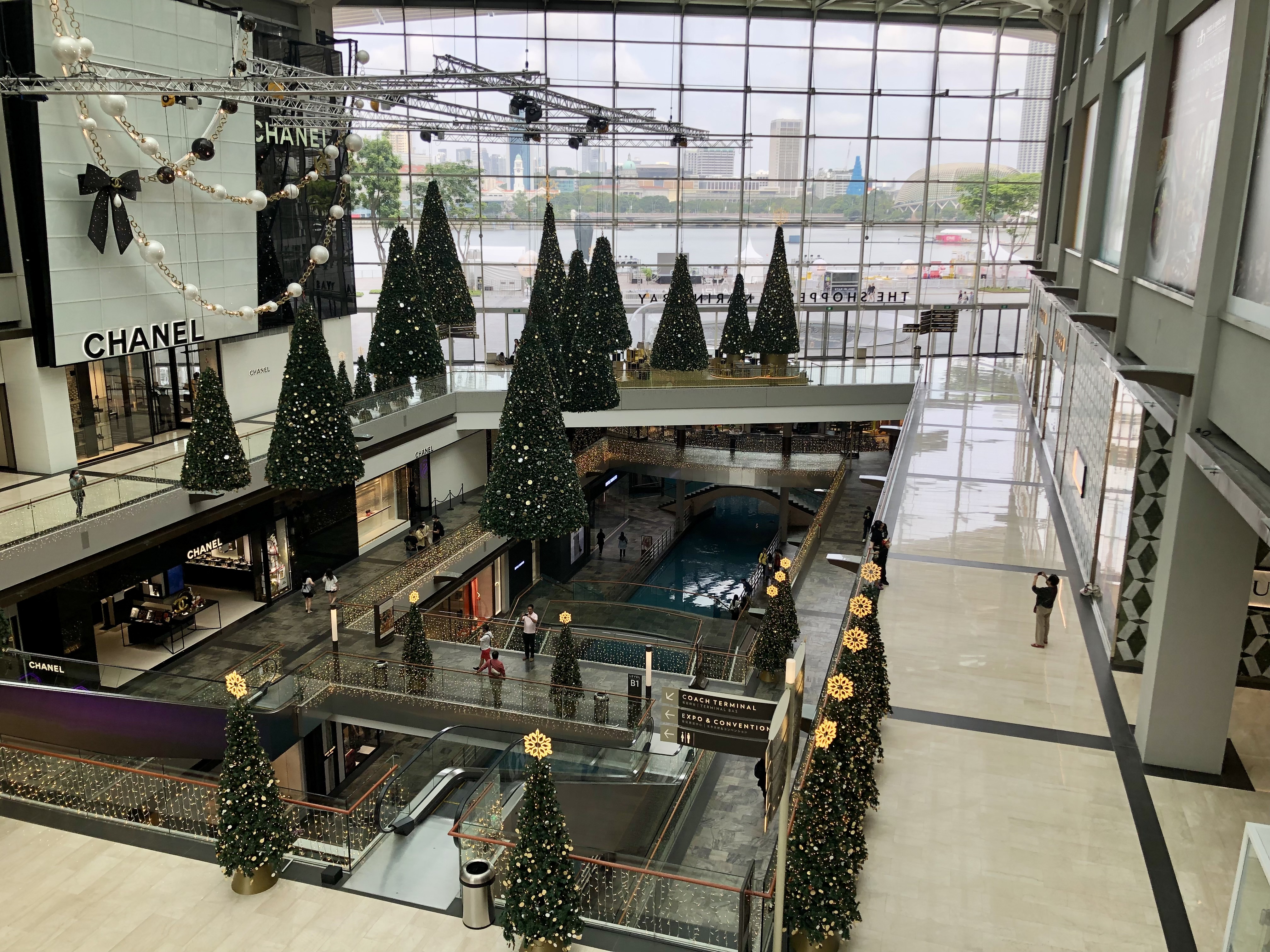
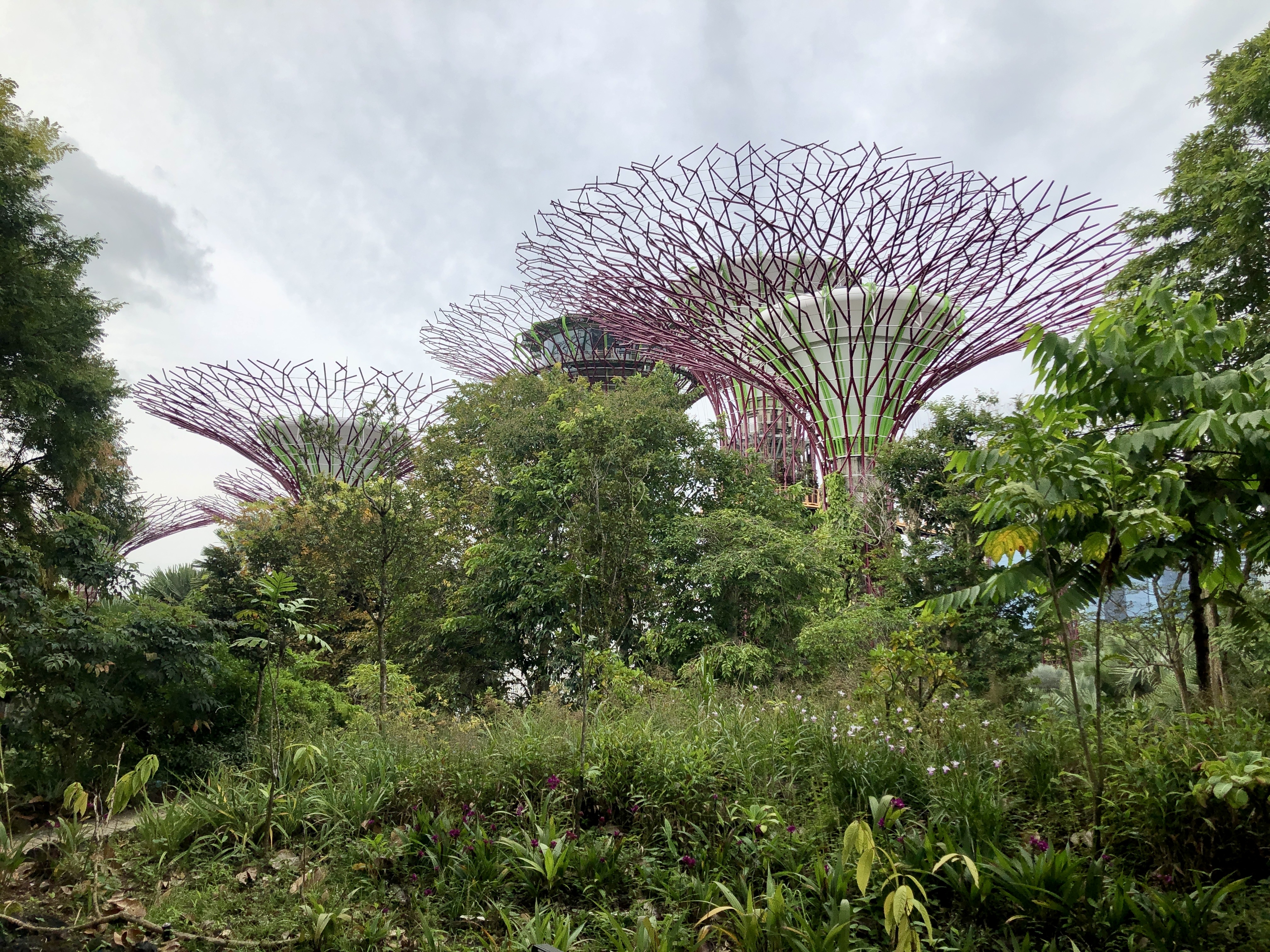
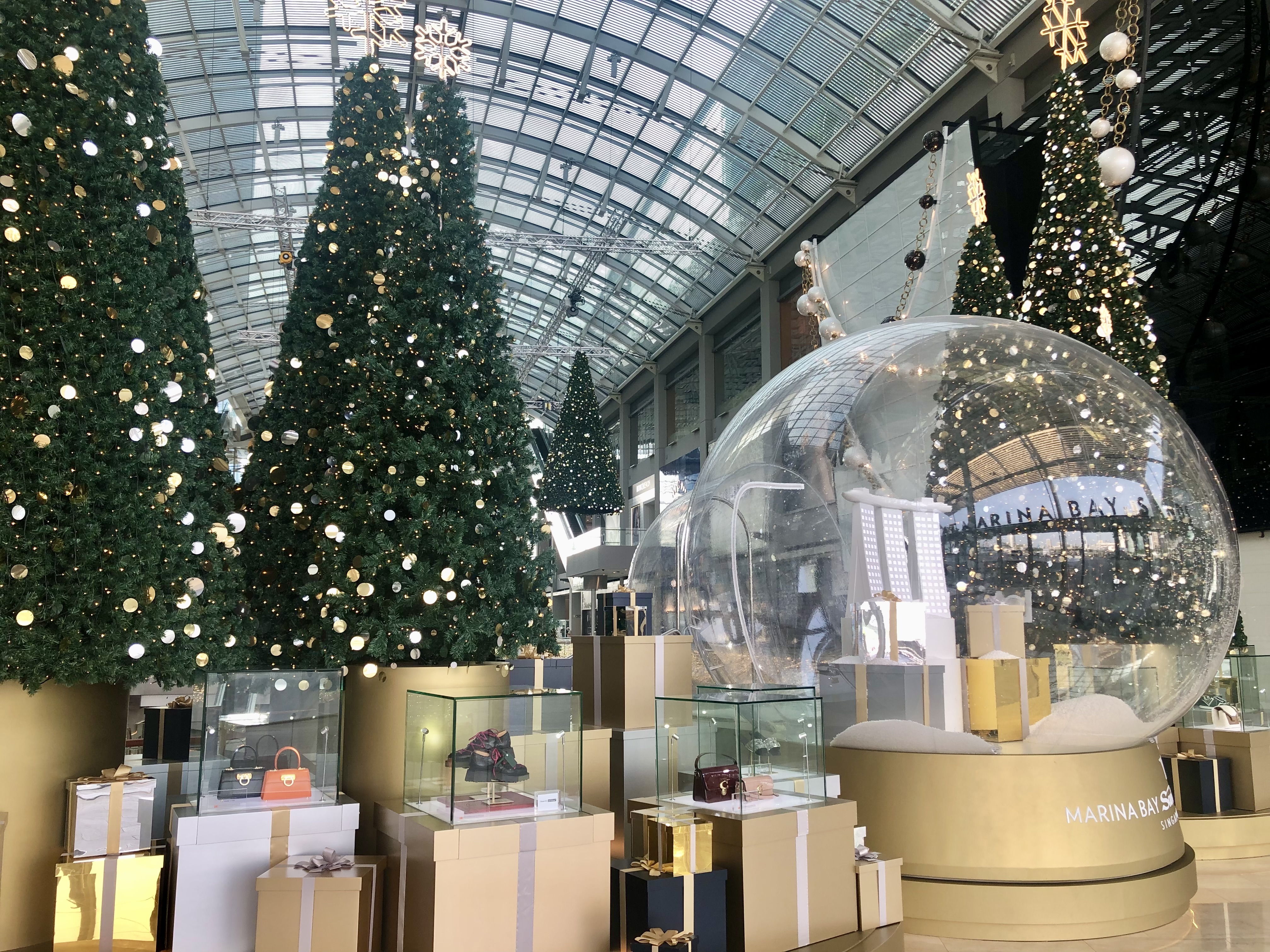
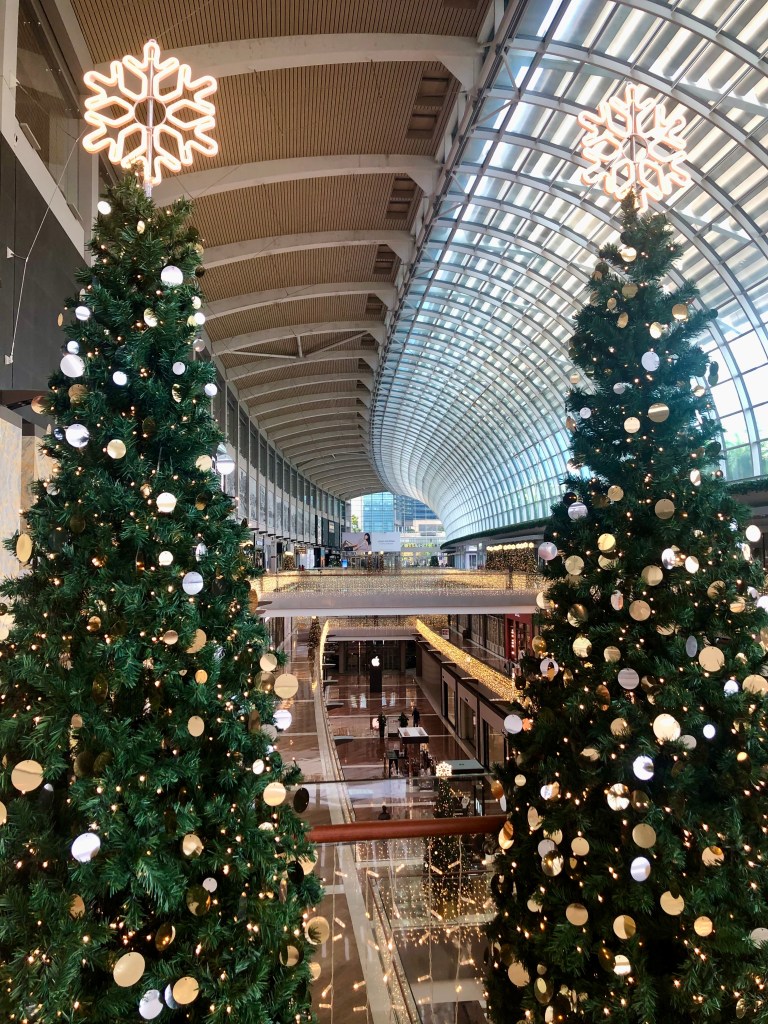
The essay begins, however, not with Black Friday itself, but by reflecting on the odd experience of arriving in Singapore on the day after Christmas a couple of years ago as I was on my way to Australia. The modern city-state was a delight to visit and my brief stop-over gave me plenty to think about. So check out the essay at Plough, and enjoy some pictures of the Singaporean sites mentioned here below.

Gargoyles, east and west

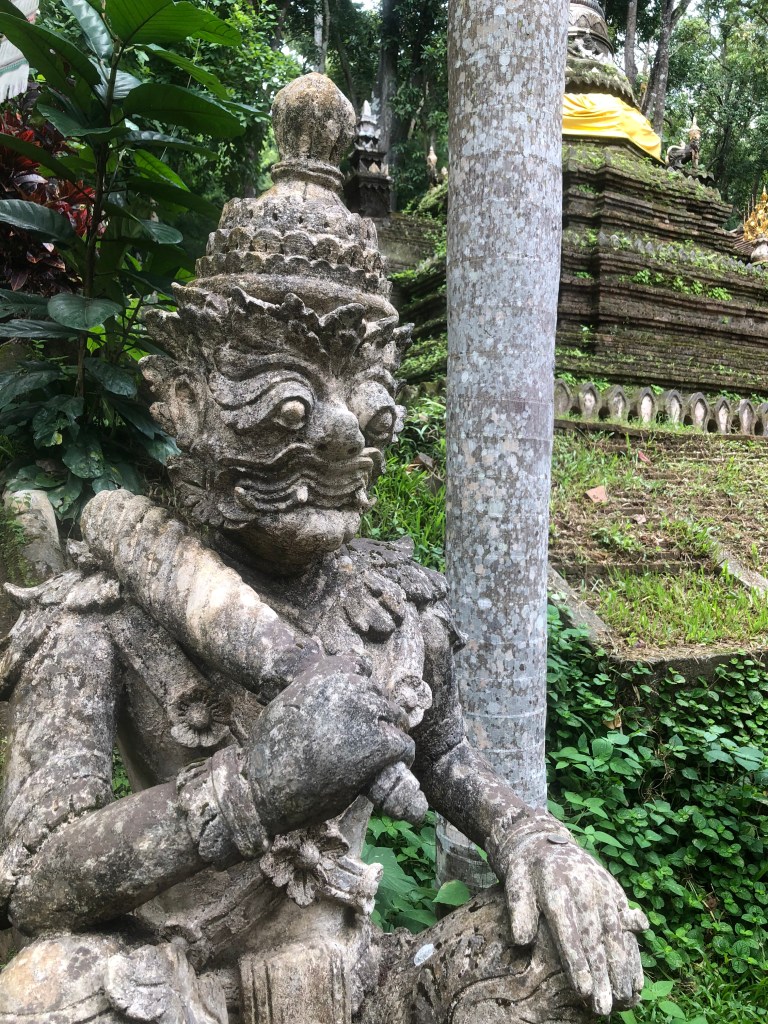
Wat Pha Lat, Chiangmai, Thailand

One of the highlights of my recent travels through Asia was visiting a number of quite impressive Buddhist temples and shrines. This was particularly the case in Thailand, though Chinese temples in Singapore, Taiwan, and Hong Kong were also filled with rich carvings, colorful statues, and piles of offerings including fruit, flowers, and burning incense. The warm red–the color of prosperity–of the Chinese temples reminded me of the red color with which the ancient Romans frescoed the inside of their homes. The desire for a warm hearth is written deeply in the human psyche.

Thian Hock Keng Temple, Singapore

A place of worship that makes an absorbing appeal to the senses is of course nothing new to me. I live in Rome, city of the baroque, where tales of religious ecstasy are told and retold in marble, mosaic, and fresco. The impulse of Christianity to express itself in art goes back to the Incarnation itself, to God revealing himself by entering into the world of the flesh, expressing his divinity in the matter of creation. We Catholics believe that he continues to communicate his grace to us through the sacraments. Artistic expressions using color, smell, and sound to amplify this divine work come naturally enough to a sacramental faith.

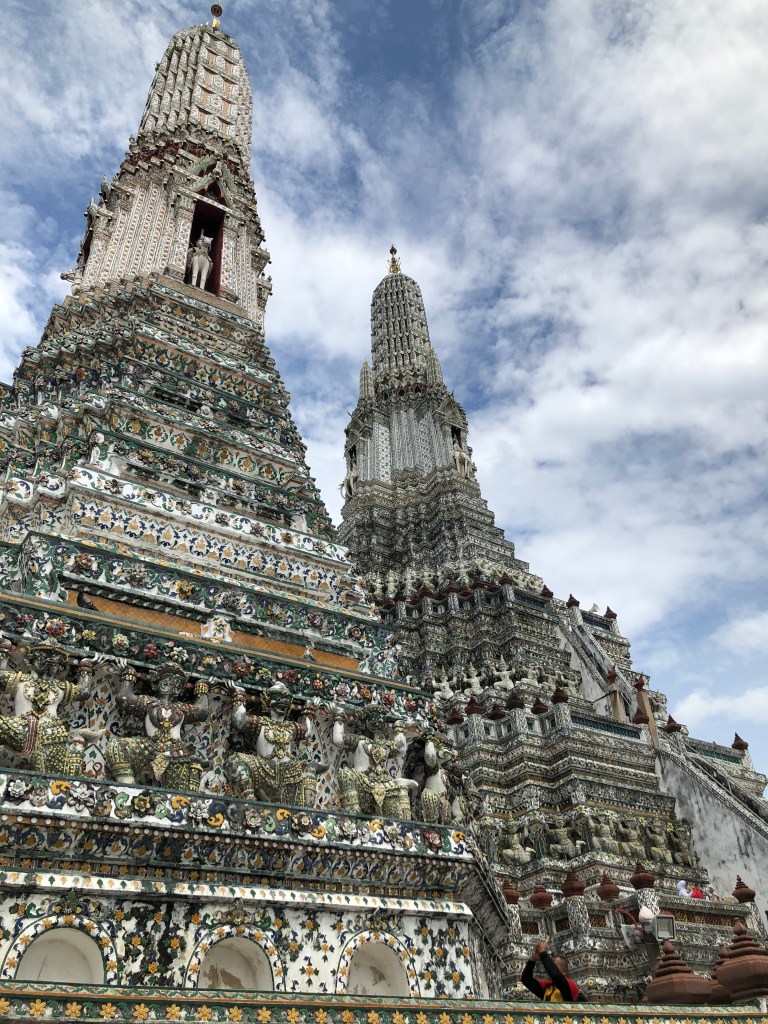
But what about Buddhism? Such expressions would seem to me, an outsider, to fit less naturally within Buddhist philosophy, with its distrust of all desire and negation of the world of pleasure and pain. Incarnation and Nirvana are two radically different beliefs. Yet how else to describe the gilded wats of Thailand, the cascades of angels and demons in glittering ceramic, than Buddhist baroque?

Wat Arun Ratchawaramahawihan, Bangkok

Of course, Thailand’s wats are not the architectural expression of pure Buddhist philosophy but a kind of non-culinary Asian fusion–Buddhism grafted into a still older mix of traditional folk beliefs, legends, and superstitions. How cogent such a mix is, I can’t evaluate. But there’s something human about that folk mix that I find more compelling than Buddhism in its purity, which I’ve always thought a little chilly.

Continue reading “Gargoyles, east and west”