More on Augustine (and Ambrose)

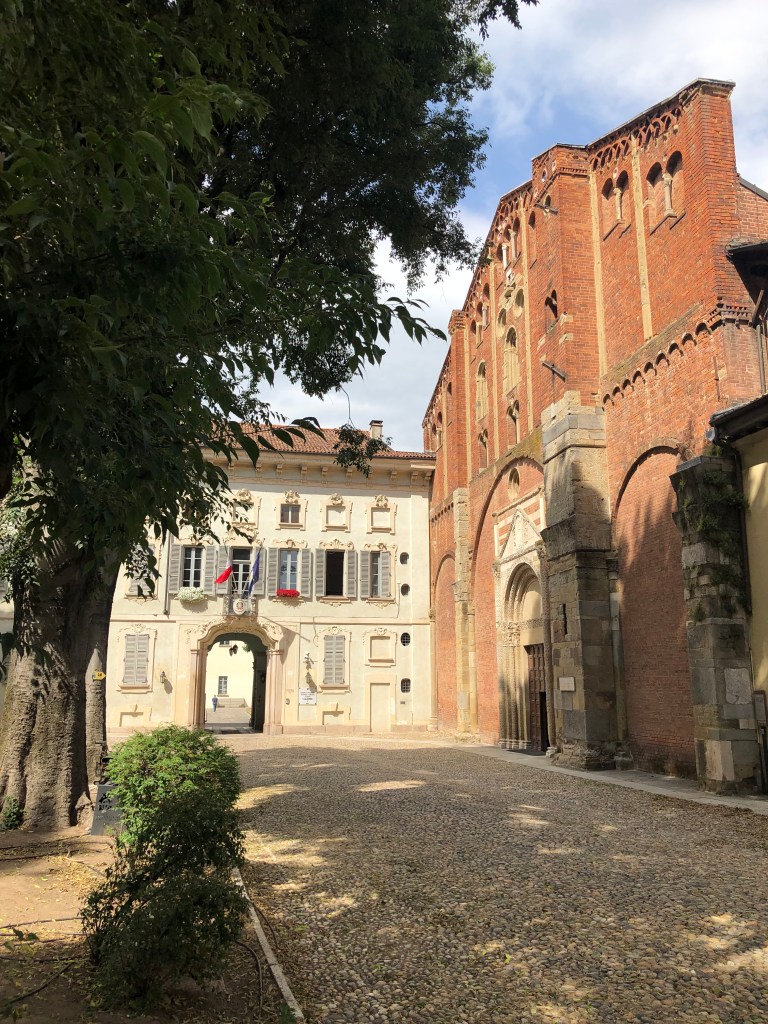
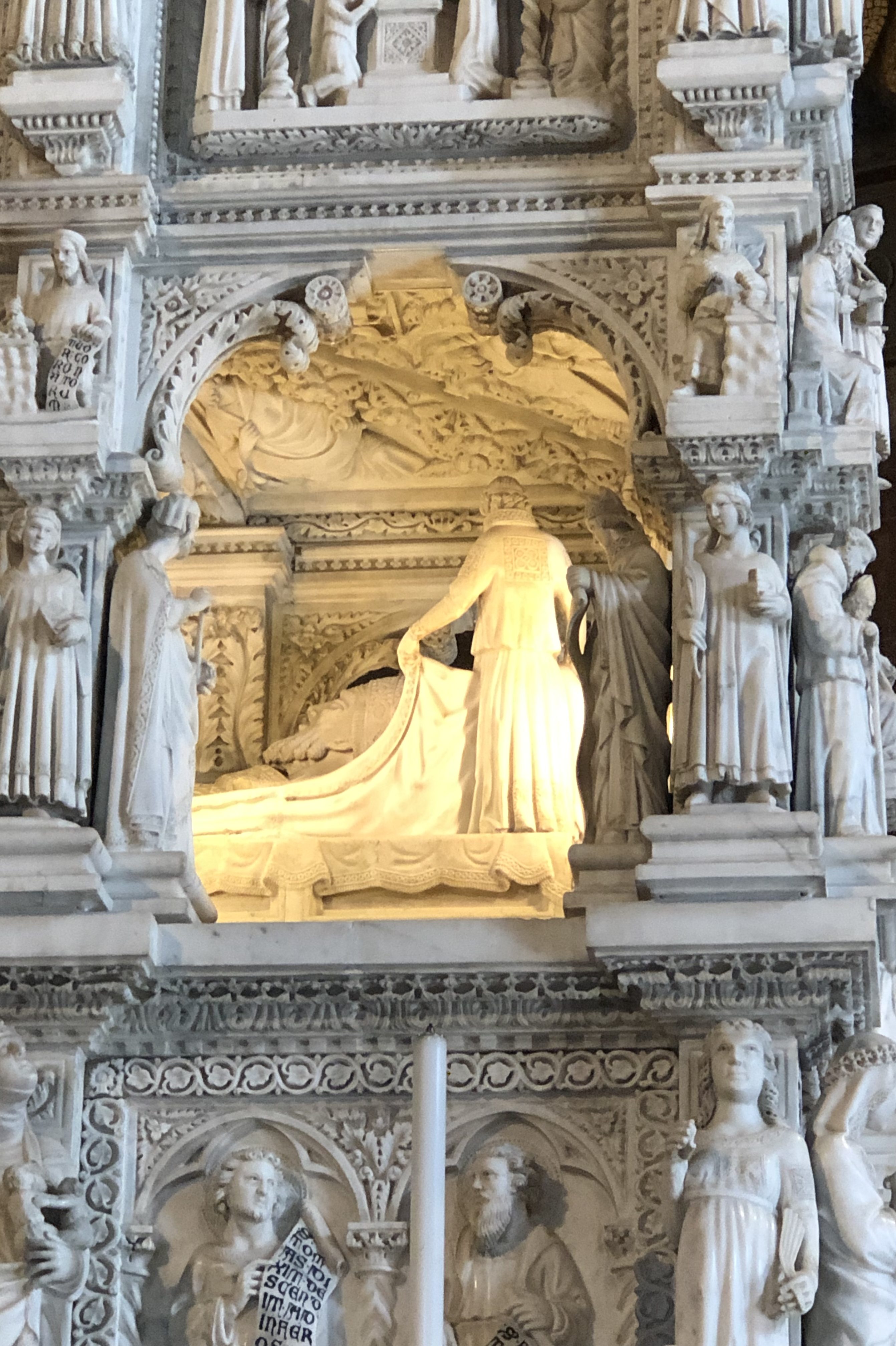
Last week, I mentioned visiting the church of San Pietro in Ciel d’Oro in Pavia, resting place of the relics of St. Augustine. This week, I thought I’d share a few more pictures of the church and the tomb, as well as a favorite panel from the monument, a scene of young Augustine listening to St. Ambrose preaching.

San Pietro in Ciel d’Oro, Pavia, Italy

Ambrose, then bishop of Milan, is another of my favorite theologians. He was the first Christian thinker to formulate the doctrine of baptism of desire, which–1530 years later–became the subject of my doctoral dissertation and book Baptism of Desire and Christian Salvation. (Augustine was the second… I’m not quite sure where I fall on the list, but it’s significantly farther down.)

In any case, below is Augustine’s description of his encounter with Ambrose to accompany the photos.

Continue reading “More on Augustine (and Ambrose)”

Visiting Augustine’s Tomb

Arca di Sant’Agostino (1362), San Pietro in Ciel d’Oro, Pavia, Italy

Theologian don’t have a G.O.A.T. designation. (That’s “Greatest of All Time” for those who aren’t as hip as yours truly.) But if we did, Augustine of Hippo would probably get my vote. Sure, he’s not as systematic as Thomas Aquinas, but he more than makes up for it with humanity and passion, the way you can feel him throw himself so completely into the quest for God in his sermons and treatises. If you read Augustine’s sermons out loud, you can feel the power of his rhetoric. I’ve had many a conversation with the saint as I worked on my book Baptism of Desire and Christian Salvation. Augustine, alongside Ambrose of Milan, can be considered one of the doctrine’s fathers.

So it was quite a thrill–like visiting Graceland, or Disney World before it went woke–to spend an afternoon at the tomb of St. Augustine in Pavia last week. You might reasonably wonder how the North African theologian’s bones ended up in a smallish city in the north of Italy. Pavia, today sensible and pleasant, was the capital of the Kingdom of the Lombards in the 8th century. After his death, Augustine’s relics had been hustled out of Hippo to save them from the Vandals (today the tribe would be called the Mostly Peaceful Protesters) who lay siege to Hippo as its bishop lay dying. The saint’s body ended up in Sardinia, which, like much of the Mediterranean coastline in the Middle Ages, was subject to vicious Saracen raiding. For safekeeping, Liutprand, King of the Lombards–who is buried in the same church–had the bones brought to Pavia. There they reside in the church of San Pietro in Ciel d’Oro.

Continue reading “Visiting Augustine’s Tomb”

Leo the Great on the Ascension

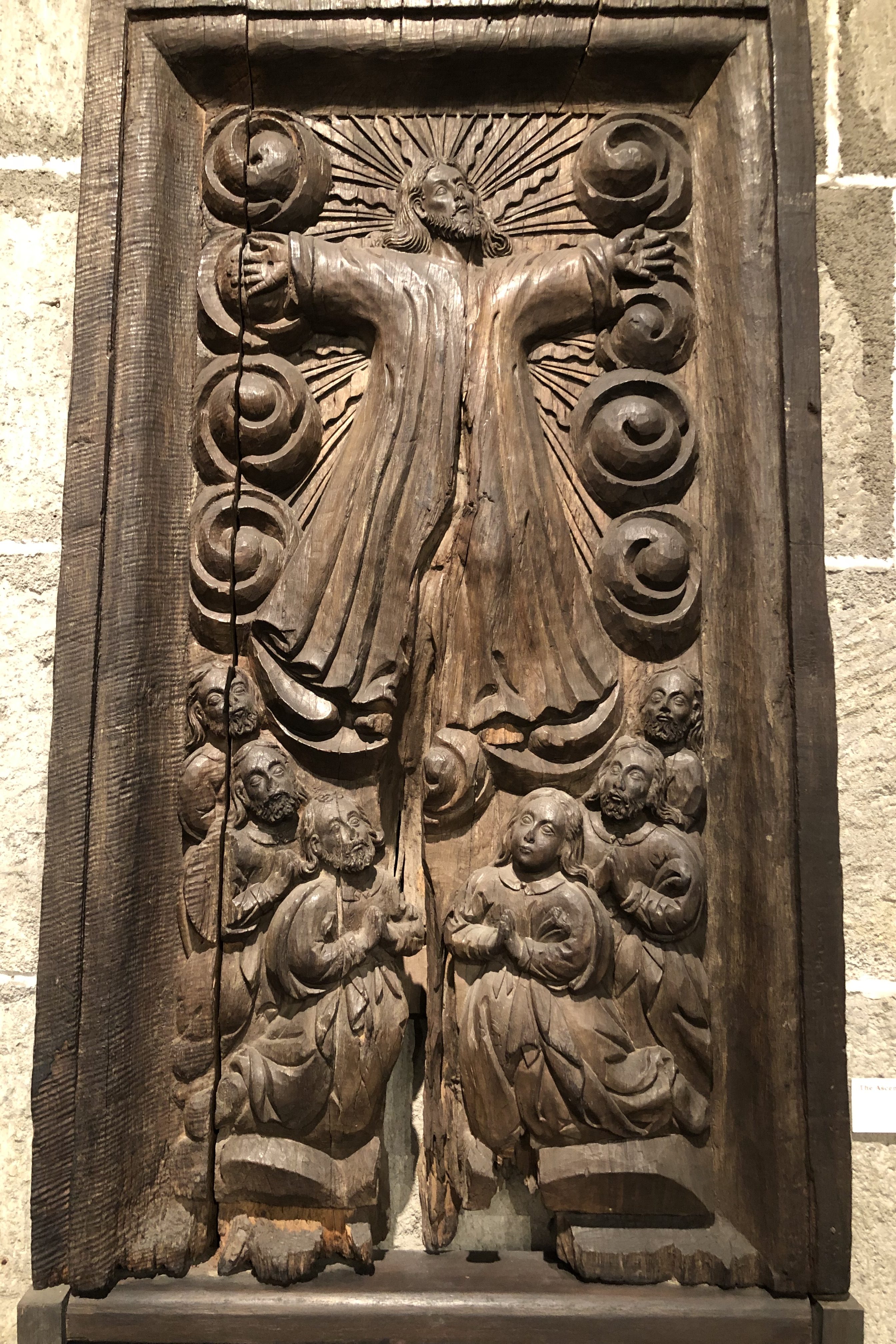
The Ascension, 18th century, Molave wood, San Augustin Museum, Manila, Philippines

The conviction on which sacramental theology rests is nowhere better expressed than by St. Leo the Great in his sermon on the Ascension: after Jesus ascended into heaven, what was visible in his earthly life has passed over into the sacraments.

At Easter, beloved brethren, it was the Lord’s resurrection which was the cause of our joy; our present rejoicing is on account of his ascension into heaven. With all due solemnity we are commemorating that day on which our poor human nature was carried up, in Christ, above all the hosts of heaven, above all the ranks of angels, beyond the highest heavenly powers to the very throne of God the Father…

And so our Redeemer’s visible presence has passed into the sacraments…

The truth is that the Son of Man was revealed as Son of God in a more perfect and transcendent way once he had entered into his Father’s glory; he now began to be indescribably more present in his divinity to those from whom he was further removed in his humanity…

Leo the Great, Sermo 2 de Ascensione, Office of Readings, Friday of the Sixth Week of Easter

On Spiritual Communion

I was very pleased to get the new issue of Worship, where I have an article that brings together some thoughts from the early days of the COVID lockdown with research related to my work on baptism of desire. It provides some of the intellectual background for my thoughts on the limits of e-worship in America.

The article “Spiritual Communion or Desire for Communion?: Sacraments and Their Substitutes in the Time of COVID-19” appears in the April 2022 issue of Worship.

Here’s the abstract:

This article critiques the concept of “spiritual communion” in light of the COVID-19 pandemic. It traces the idea’s roots to the earlier doctrine of baptism of desire and explores how the scholastic distinction between the sacramentum and res sacramenti supports it. However, it argues that such a distinction runs the risk of reductivism, discounting the embodied and communal dimension of the celebration of the sacraments. It suggests that understanding the Eucharist to represent a single irreducible good which produces multiple secondary goods provides a better way to understand the sacrament. Such a framework is able to account for what is positive in such practices as spiritual communion or televised liturgies while avoiding the danger of presenting them as replacements for the sacrament itself.

Maximus of Turin on the Resurrection

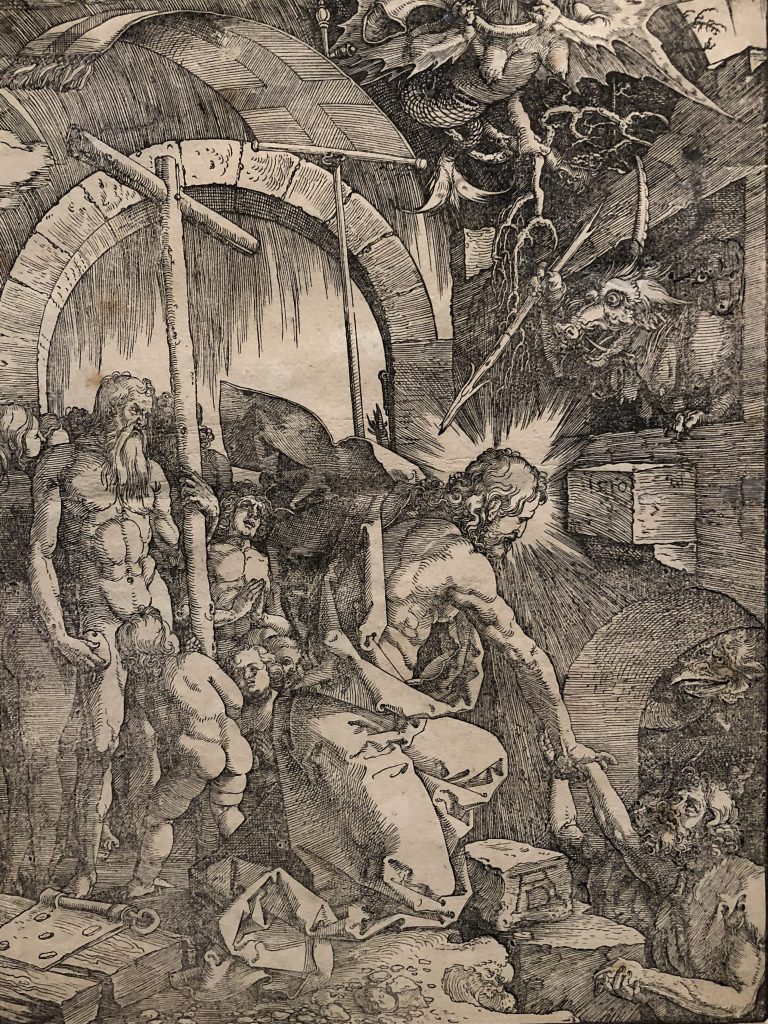
Albrecht Dürer woodcut, cathedral museum, Mdina, Malta

Christ is risen! He has burst open the gates of hell and let the dead go free; he has renewed the earth through the members of his Church now born again in baptism, and has made it blossom afresh with men brought back to life. His Holy Spirit has unlocked the doors of heaven, which stand wide open to receive those who rise from the earth. Because of Christ’s resurrection the thief ascends to paradise, the bodies of the blessed enter the holy city, and the dead are restored to the company of the living. There is an upward movement in the whole of creation, each element raising itself to something higher. We see hell restoring its victims to the upper regions, earth sending its buried dead to heaven, and heaven presenting the new arrivals to the Lord. In one and the same movement, our Savior’s passion raises men from the depths, lifts them up form the earth, and sets them in the heights…

Continue reading “Maximus of Turin on the Resurrection”

Signs of Easter

With winter now banished, one of my favorite signs of Roman spring is here — flowers sprouting from the tile rooftops. Above, my favorite, the corner of St. Ignatius Church seen from the terrace of our building, below a more modest view from my room. I’m not sure what this annual effusion of greenery means for the structural integrity of the tiles — and, I guess, I don’t really care. I find the flowers exuberant and surprising and, yes, just a tad reckless. In other words, a perfect sign of Easter.

I’ve always thought the flowers — life and beauty — breaking through the tiles a nice metaphor for the Resurrection, like the angels dressed in dazzling white among the scattered tombstones. This year they’ve also put me in mind of Peter. Peter is, after all, a slightly reckless figure, the desires of his heart a step ahead of his own moral capacities. His love for Jesus leads him to boast of his fidelity on Holy Thursday — “Lord, I am ready to go with you to prison and to death” — and then to find that his steadfastness has fallen short of his aspirations. It is devastating to read of Peter’s betrayal; one can imagine how much more devastating it was to live it.

Continue reading “Signs of Easter”

Innsbruck revisited

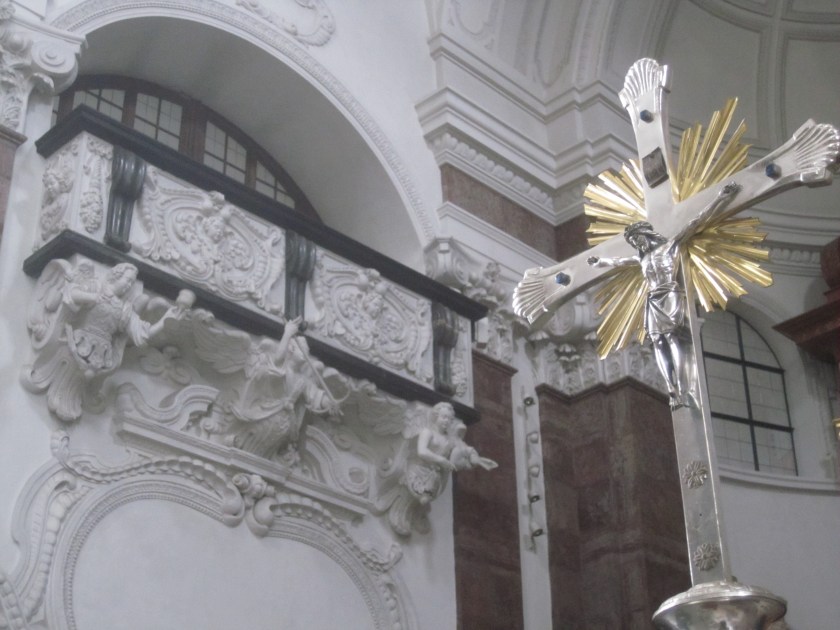
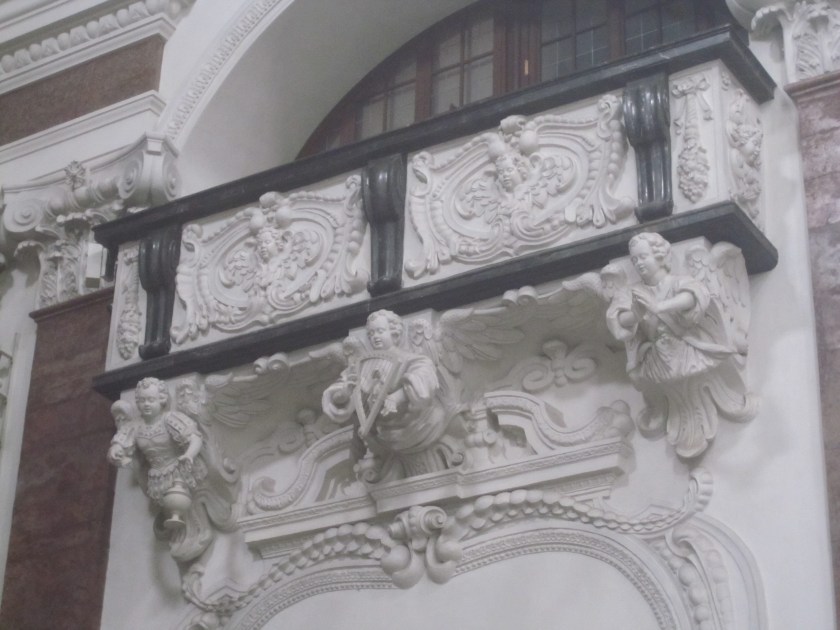
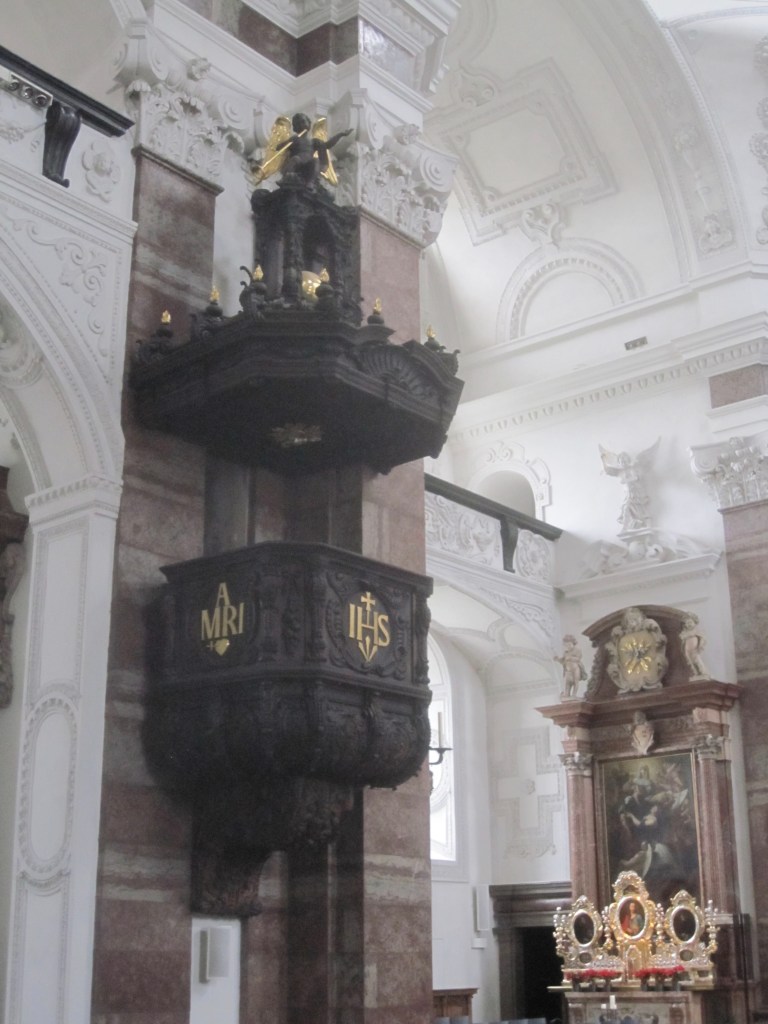
I was thrilled to get the news this week that my essay “Angels in Innsbruck” was selected by Dappled Things as the winner of their 2021 Jacques Maritain Prize for Nonfiction. Dappled Things is a wonderful literary journal, the only one I know of with the explicit mission of publishing Catholic literature. They’re both online and in print; the print journal features some really beautiful artwork and is well worth the subscription.

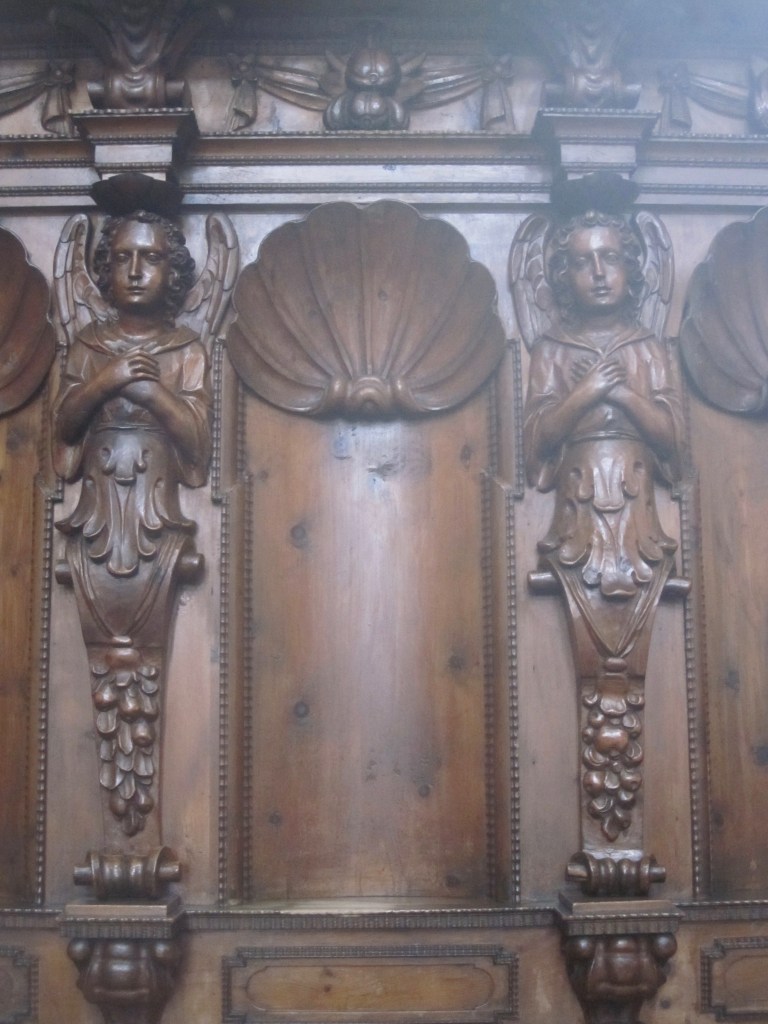
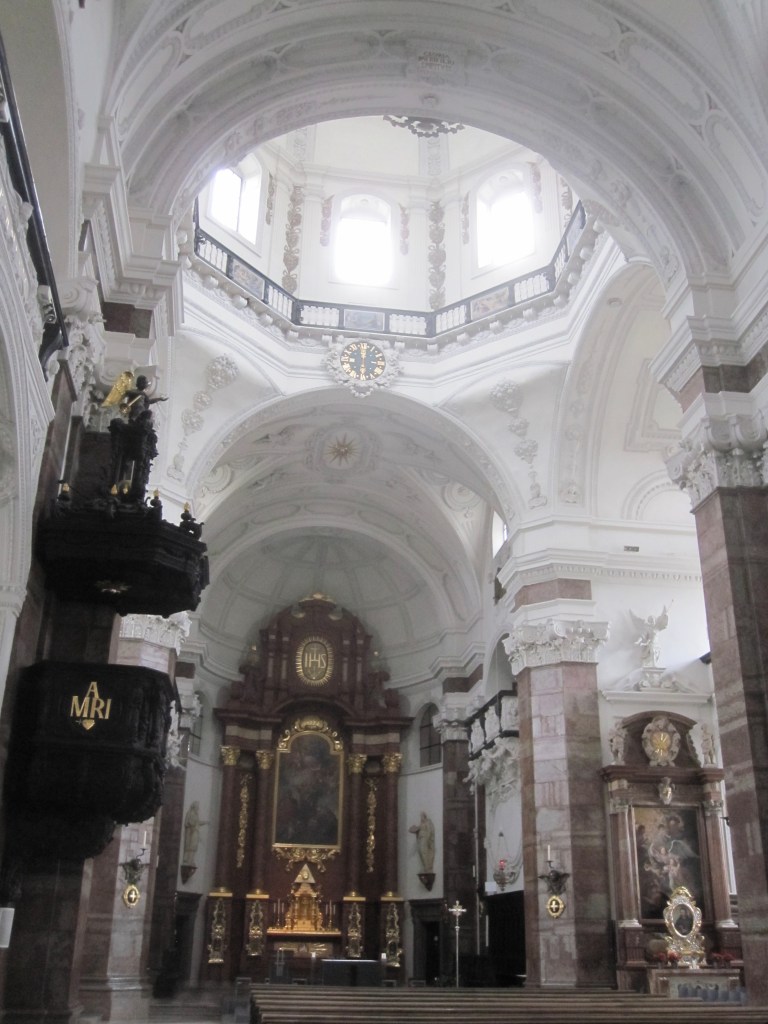
To celebrate the occasion, I thought I’d post a few pictures from my summer in Innsbruck to go along along with the essay. First the angels in the Jesuit church…

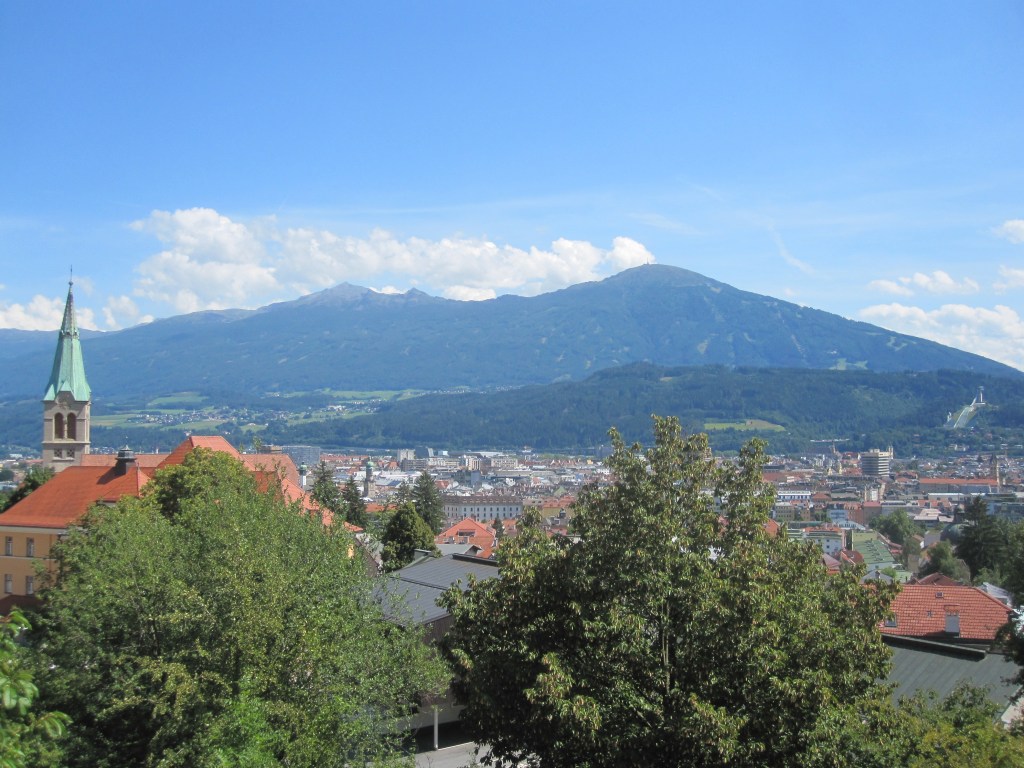
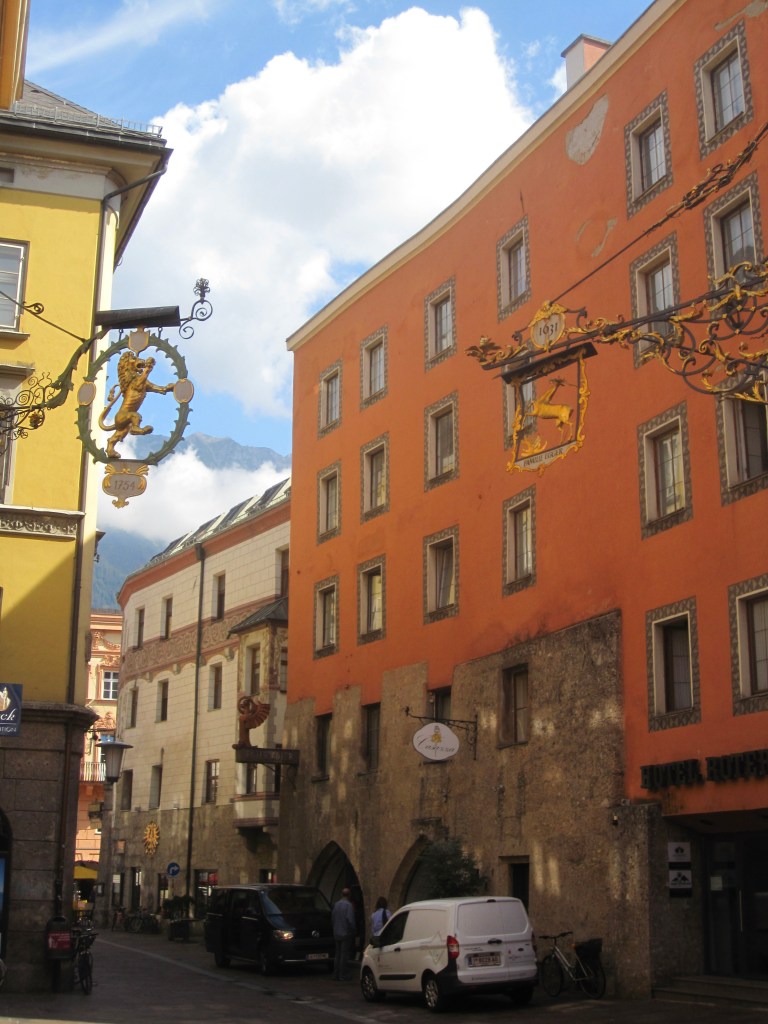
And then a few pictures of beautiful Innsbruck.