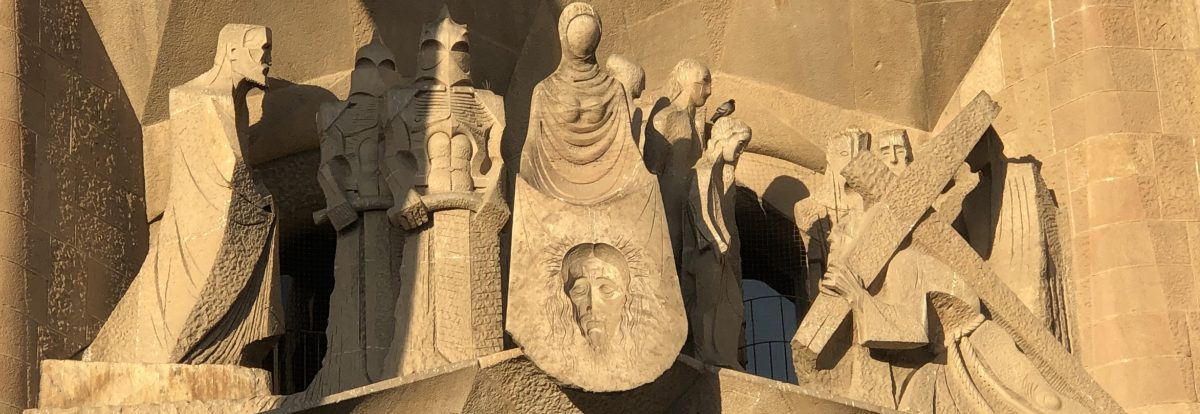
Every genuine artistic intuition goes beyond what the senses perceive and, reaching beneath reality’s surface, strives to interpret its hidden mystery. The intuition itself springs from the depths of the human soul, where the desire to give meaning to one’s own life is joined by the fleeting vision of beauty and of the mysterious unity of things. All artists experience the unbridgeable gap which lies between the work of their hands, however successful it may be, and the dazzling perfection of the beauty glimpsed in the ardour of the creative moment: what they manage to express in their painting, their sculpting, their creating is no more than a glimmer of the splendour which flared for a moment before the eyes of their spirit.
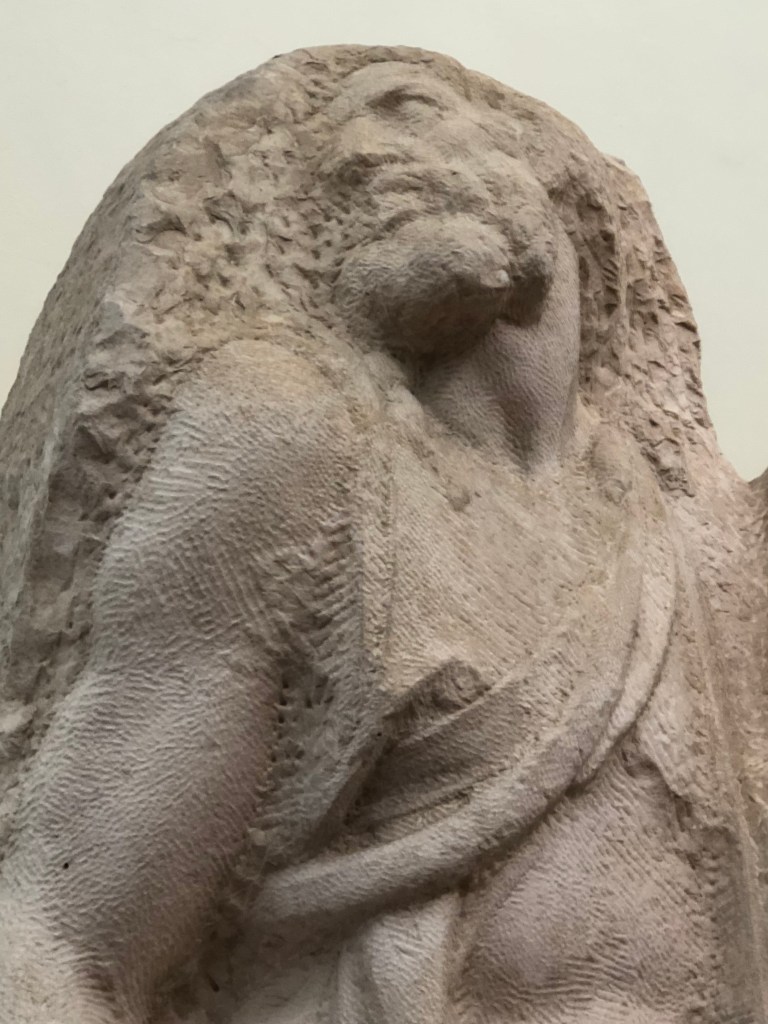
Believers find nothing strange in this: they know that they have had a momentary glimpse of the abyss of light which has its original wellspring in God. Is it in any way surprising that this leaves the spirit overwhelmed as it were, so that it can only stammer in reply? True artists above all are ready to acknowledge their limits and to make their own the words of the Apostle Paul, according to whom “God does not dwell in shrines made by human hands” so that “we ought not to think that the Deity is like gold or silver or stone, a representation by human art and imagination” (Acts 17:24, 29). If the intimate reality of things is always “beyond” the powers of human perception, how much more so is God in the depths of his unfathomable mystery! […]
Beauty is a key to the mystery and a call to transcendence. It is an invitation to savour life and to dream of the future. That is why the beauty of created things can never fully satisfy. It stirs that hidden nostalgia for God which a lover of beauty like Saint Augustine could express in incomparable terms: “Late have I loved you, beauty so old and so new: late have I loved you!”
From Pope St. John Paul II, Letter to Artists (1999)

 Tony Lusvardi, S.J.