A “monumental study… unmatched in what it positively contributes”

With a year approaching since Baptism of Desire and Christian Salvation‘s publication, I’m pleased to see reviews starting to appear. I just read a great one by Joseph Arias of Christendom College in the journal of liturgical theology Antiphon. Arias provides a summary and identifies “controversial” points where I challenge the received wisdom. I’m grateful to have such careful readers and can’t say I mind having the book described as “monumental” and “unmatched”!

Here’s just a sample:

“The author takes the reader on a profoundly illuminating historical and dogmatic theology journey from the apostolic age to our own, acting throughout as an immensely capable and careful guide, making sure we do not miss either major or minor attractions that can enhance the experience of trying to arrive at a deeper understanding of a profoundly significant (though sometimes underappreciated) teaching that is firmly rooted in the Catholic tradition…

… this volume is unmatched in what it positively contributes towards a better understanding of this area of theology.”

And more good news — it looks like the price of the book may have dropped on Amazon as well.

Also, following up on my previous post on the Ukrainian bishops’ statement about the war in their country last week, I have a new piece out on the subject in America. It is equally about what is dysfunctional in our own American political culture right now.
Appeal of the Catholic Bishops of Ukraine

Going through homilies from Lents past, I came upon this post, which happened to date from shortly after the Russian invasion of Ukraine three years ago. The Ukrainian resistance to that invasion, I noted, was something of a jolt to a West that had grown somnolent with self-indulgence, a reminder that some things are worth fighting for.

Just over a week ago, Archbishop Sviatoslav Shevhcuk issued a statement on behalf of Ukraine’s Greek Catholic bishops that should again jolt the conscience of a world gone loopy with self-absorption. “We have not become a people defined by war — we have become a people defined by sacrifice,” the bishops write. For the bishops and for their people, this war is not a card game or great television, not, as the Vice-President of the United States to his great shame recently suggested, a “propaganda tour.”

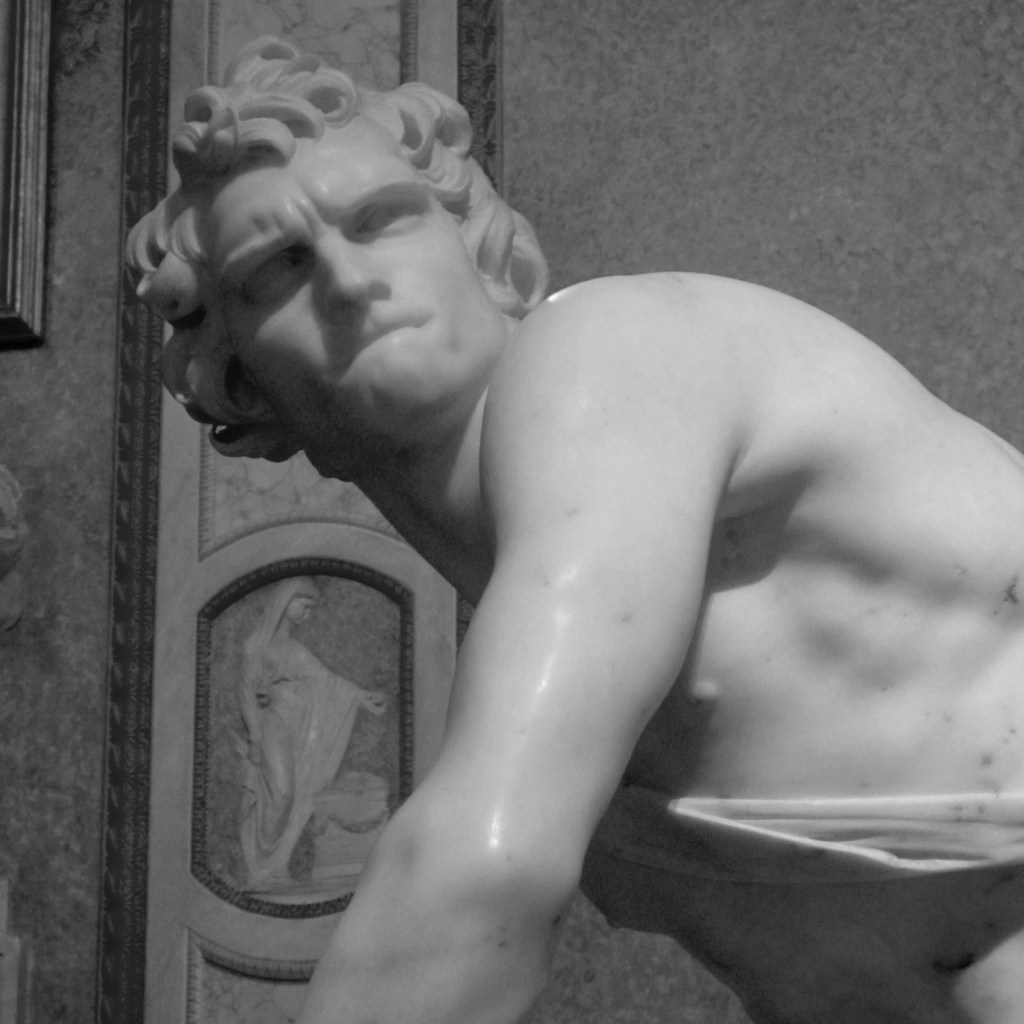
David, Gian Lorenzo Bernini

Noting the staggering trauma and destruction inflicted on their country, the bishops write: “But we have not come to terms with our losses—each one hurts. Every fallen defender, every innocent life lost remains in the memory of God and people. We remember and pray. We support and uphold. We stand and fight, ever mindful of the God-given dignity that no force on earth can take from us.”

It is obvious enough that the bishops want peace, but they also know that “peace” on Putin’s terms does not mean the end of killing Ukrainians, of kidnappings, or of brutality. The bishops know that Russian occupation will almost certainly include the persecution of Catholics; Archbishop Schevchuk was himself targeted for assassination by Russian invaders attacking Kyiv. No serious Christian should be taken in by Vladimir Putin’s pose as a defender of Christian values. His regime and its ideology are idolatrous.

Continue reading “Appeal of the Catholic Bishops of Ukraine”

“Icons of Hope” in Rome

Last week I mentioned the Church of Sant’ Agnese in Agone, one of Rome’s architectural gems and a monument to the city’s martyrs.

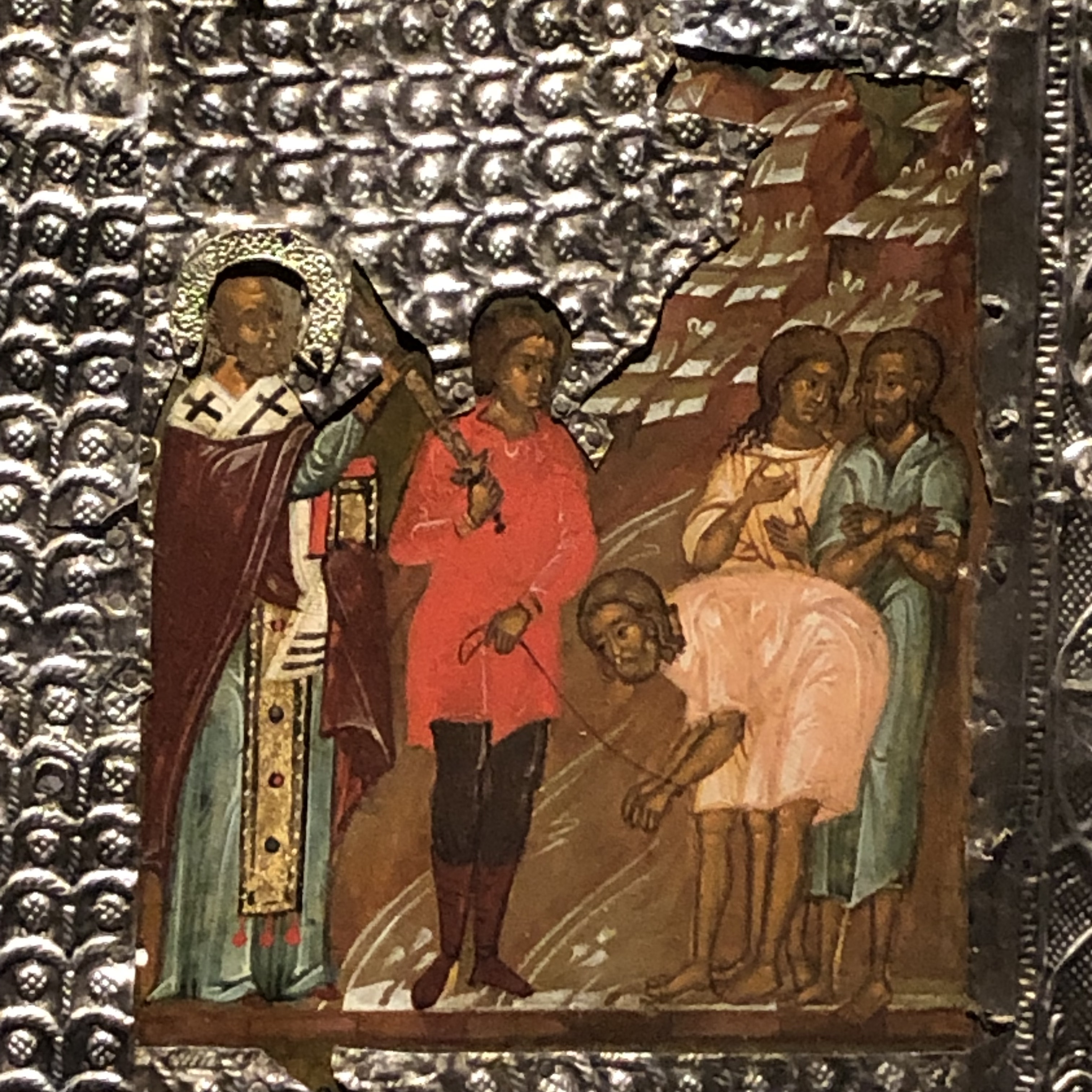
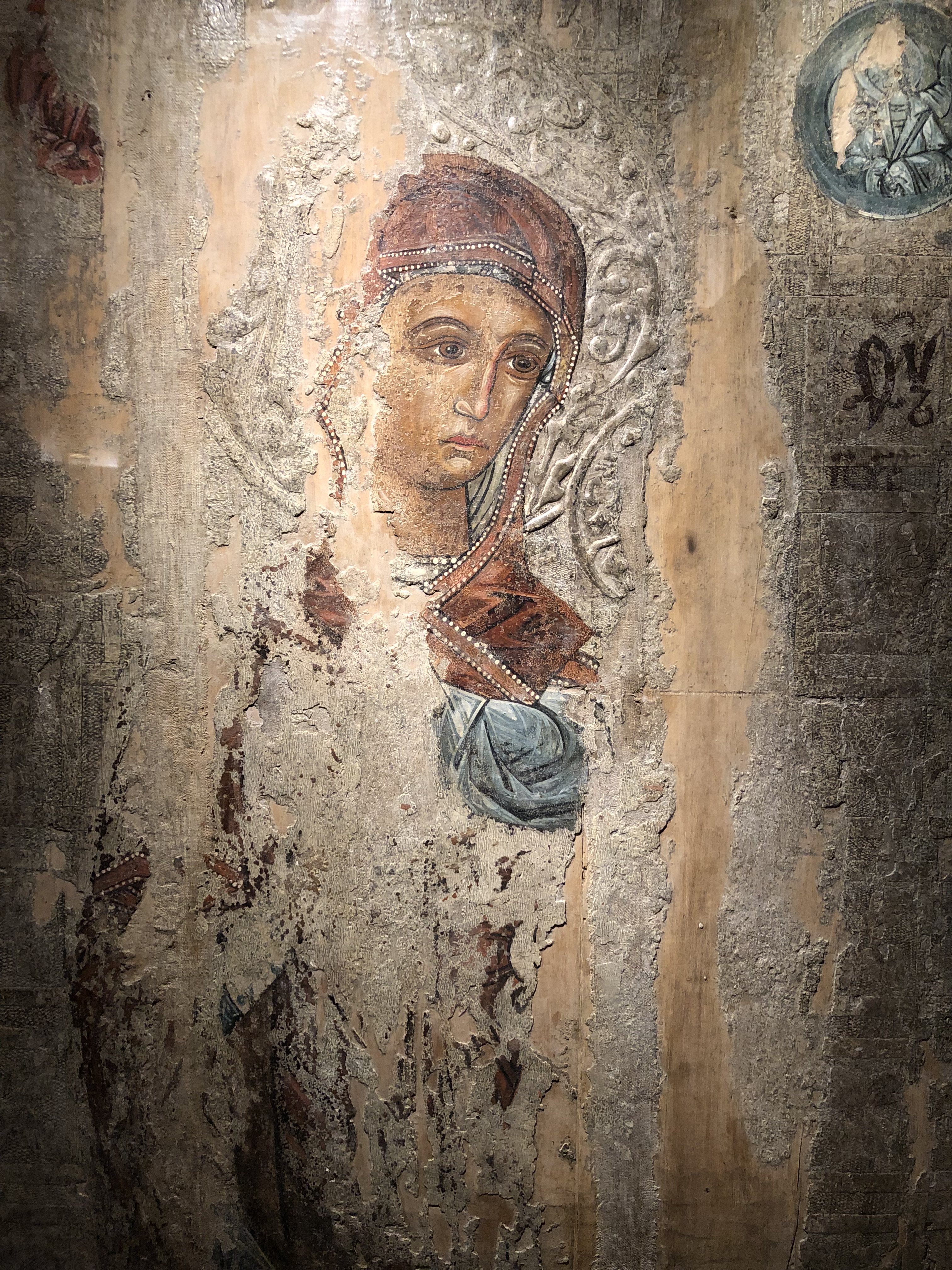
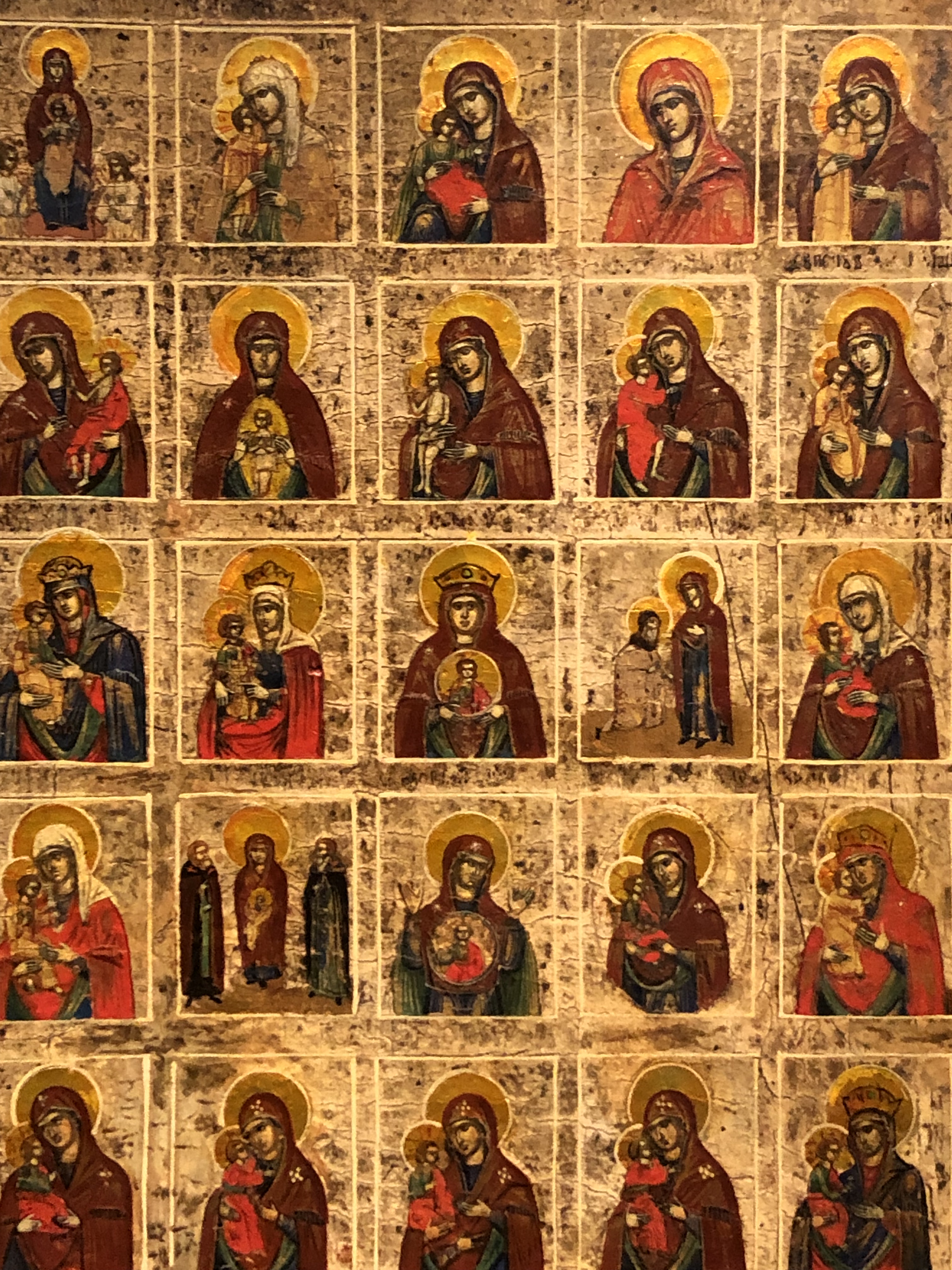
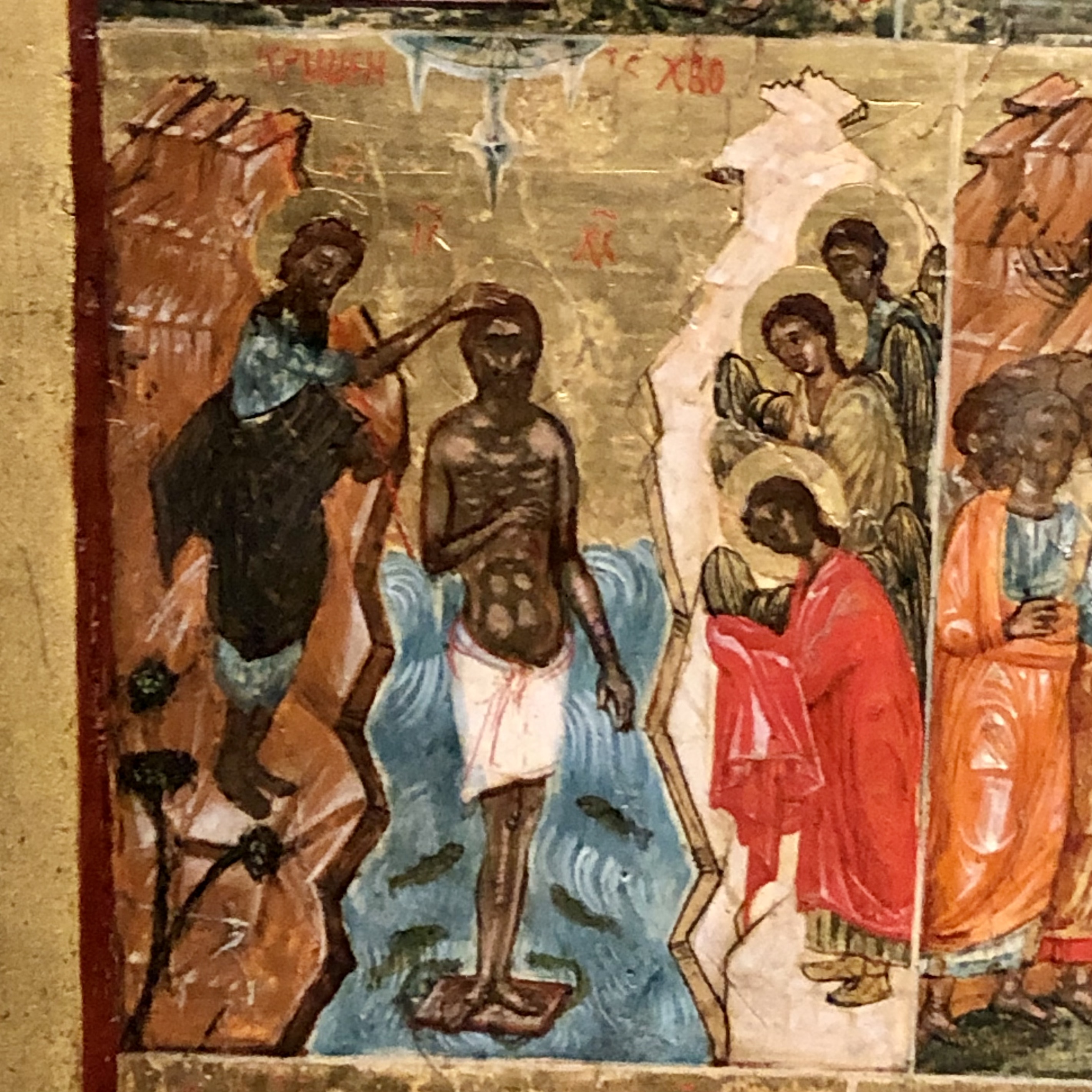
The last time I visited Sant’Agnese, I found that the Church was hosting a special display for the Jubilee (until February 16) dedicated to the theme “Icons of Hope.” The display brings together a number of icons from the Vatican Museum.

Virgin Hodegetria, Ukrainian, 17th-18th century

The most moving piece in the exhibition had to be the Ukrainian Virgin Hodegetria (17th/18th century). The engraved silver on a wood panel has been damaged over time, but the icon is all the more hauntingly beautiful. The Virgin’s face is still clearly visible, her eyes clear and sad, the expression that of someone who has known suffering but lost none of her dignity.

It is, of course, impossible to view the icon and not see in it the image of the suffering of the Ukrainian people as the Russian assault on their country every day grows more cruel and barbaric. Last week I wrote about the courage of the martyrs. Ukraine’s defense of its freedom and right to exist as a country has perhaps stung the conscience of the world because, in a self-indulgent age, the country’s display of genuine courage is bracing. And as George Weigel has pointed out, “Ukraine is fighting for all of us.”

The display also contains icons from other eastern European countries–a sampling below.

St. Josaphat Kuntsevych

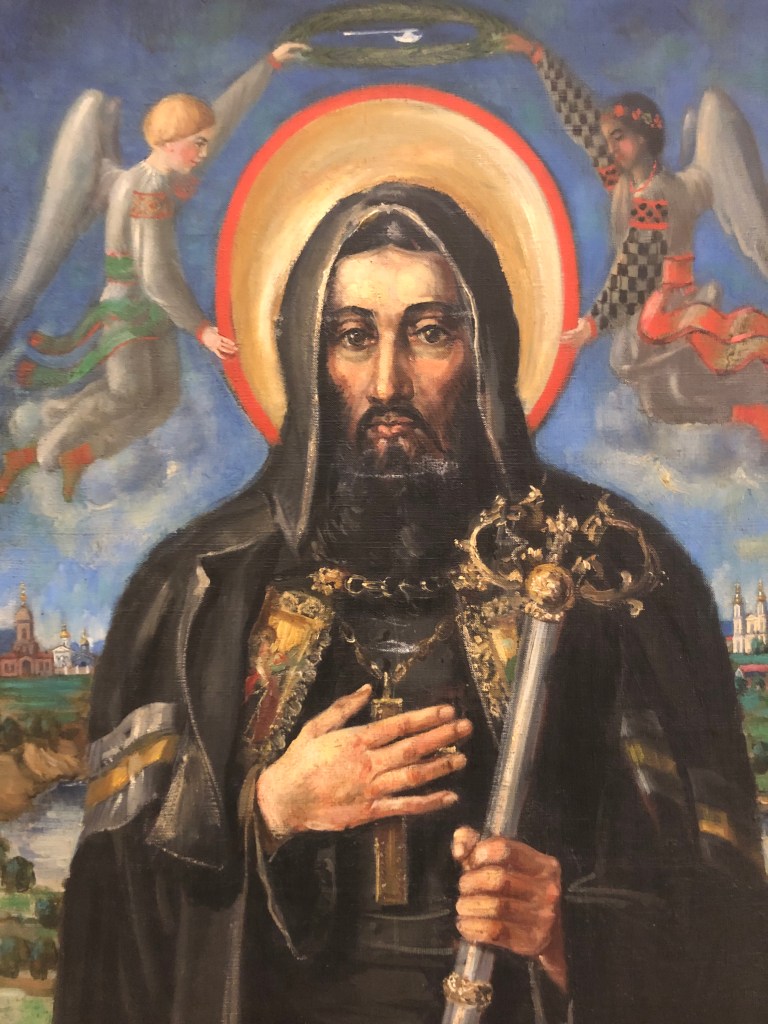
Sunday November 12 will mark the 400th anniversary of the martyrdom of the Ukrainian Catholic bishop St. Josaphat Kuntsevych. During his lifetime St. Josaphat worked for the reunion of eastern rite Christians with the Catholic Church. He was murdered by an Orthodox mob in 1623.

St. Josaphat, Mykola Azovskyj, 1946

St. Josaphat lived and worked, first as a Basilian monk and then as an archbishop in the part of the world that today includes Poland, Lithuania, and Ukraine. The anniversary is an opportunity to seek St. Josaphat’s intercession for the suffering people of Ukraine as they continue to fight for their nation’s freedom.

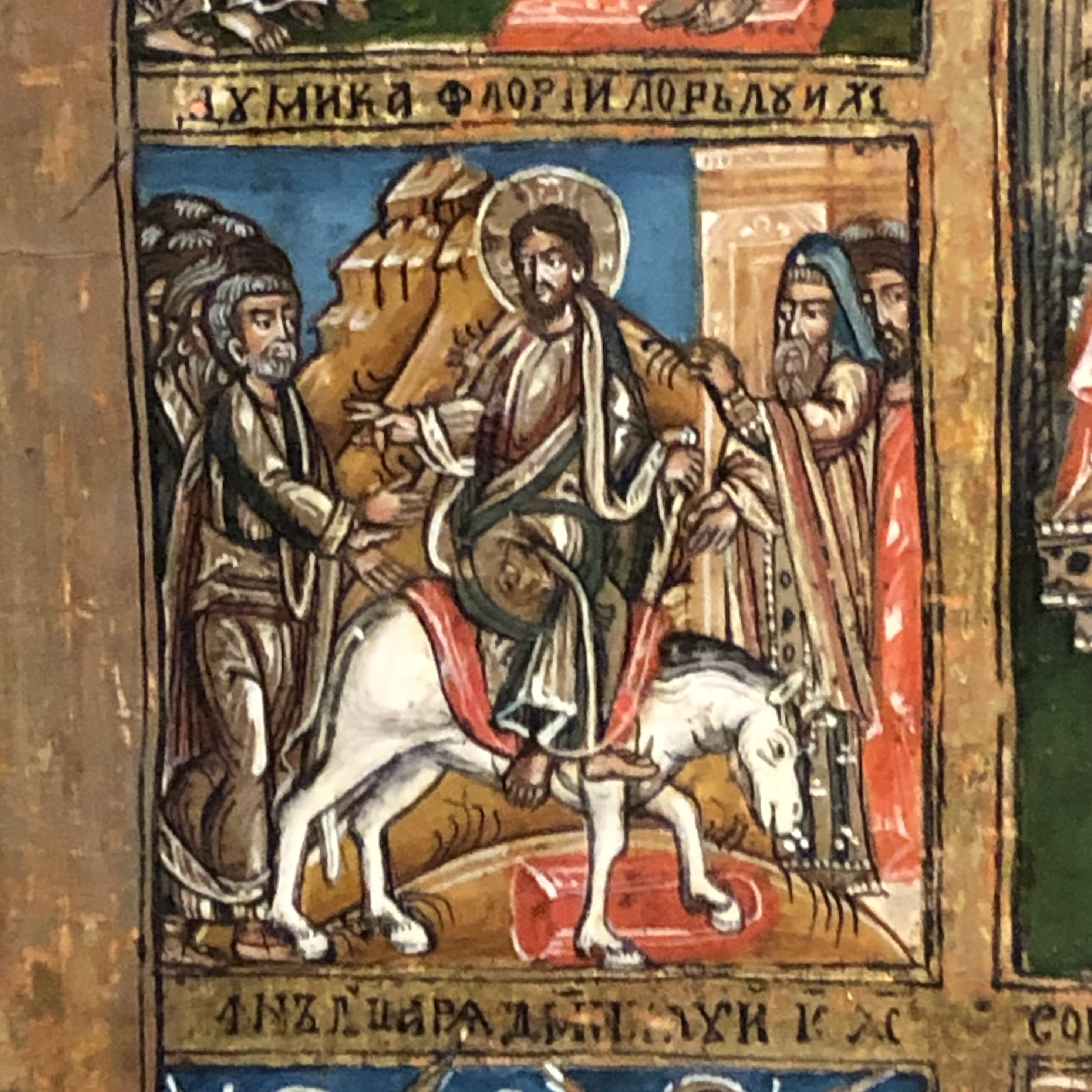
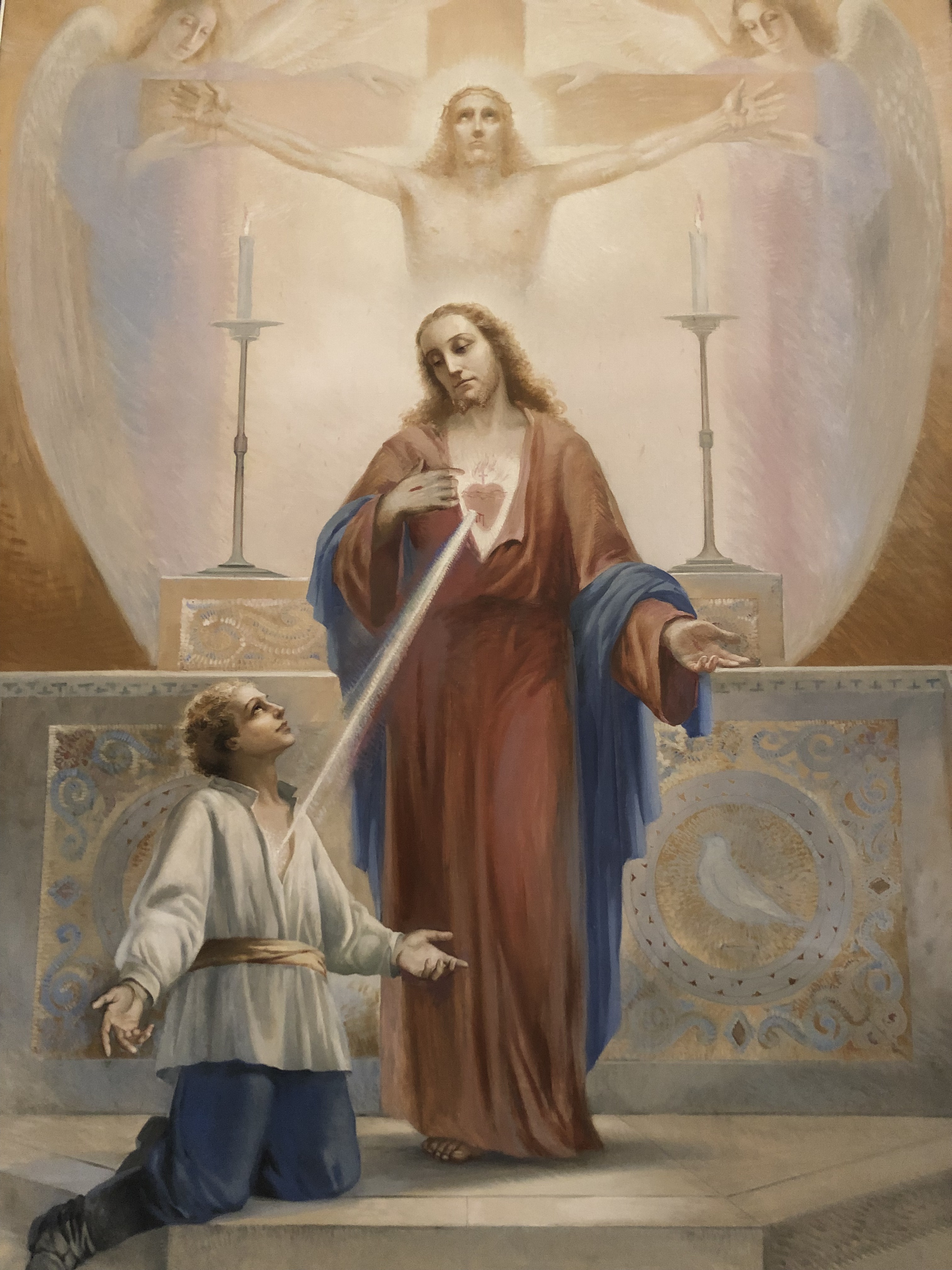
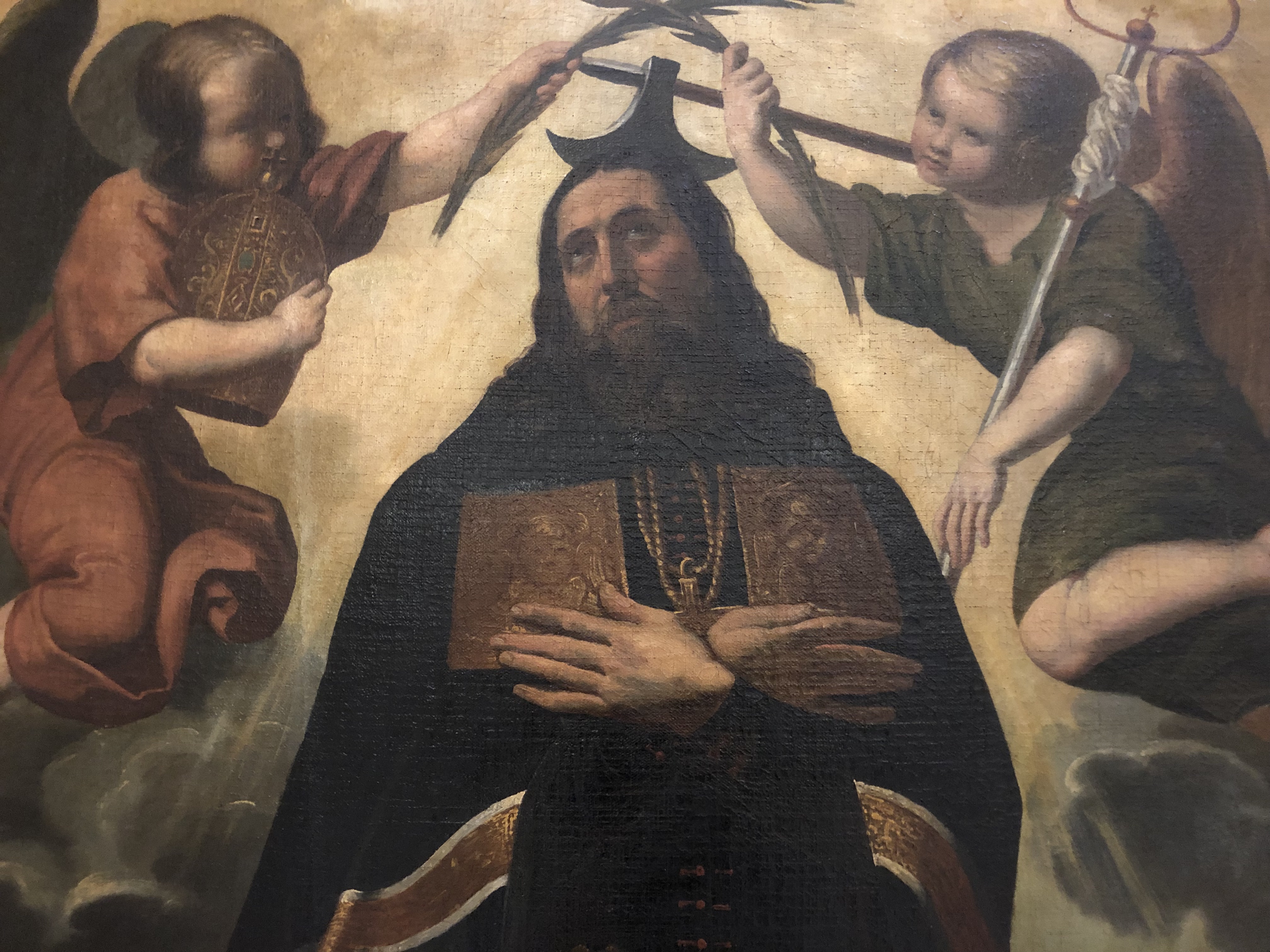
To celebrate the 400th anniversary of St. Josaphat’s martyrdom, the Gregorian University is sponsoring a conference on his life and legacy as well as an art show. I have to admit, I knew rather little about St. Josaphat before strolling through the display–though he is the patron of Milwaukee’s most beautiful church–and I have never seen so many paintings of the saint before. Here’s a sampling, showing all aspects of his life, from his calling to his monastic vocation, his ministry as bishop and his eventual martyrdom.

Soldier saints

San Giorgio in Velabro, Rome

I’ve noted before the prevalence of former soldiers among the saints of Rome, a fact especially evident in the first week of Rome’s station liturgy, when day two is celebrated at a church dedicated to St. George and St. Sebastian and day three at the site two other former soldiers, the brothers John and Paul, were martyred in 360.

The prominence of these soldier saints is especially striking while war rages in the Ukraine. Though the signs were all there ahead of time–this was not the first time Vladimir Putin invaded Ukraine–the attack and the resistance to it has seemed to jolt the West from a deep and dangerous torpor. A friend recently showed me a poll asking the people of various nations if they would be willing to fight for their country; less than half of Americans said yes–and that was high for the West. In his inaugural address, John F. Kennedy, pledged to the world, “Let every nation know, whether it wishes us well or ill, that we shall pay any price, bear any burden, meet any hardship, support any friend, oppose any foe, to assure the survival and the success of liberty.” Today, in the face of crisis, presidents compete to issue stimulus checks because, hey, free money. Something seems to have been lost.

Continue reading “Soldier saints”