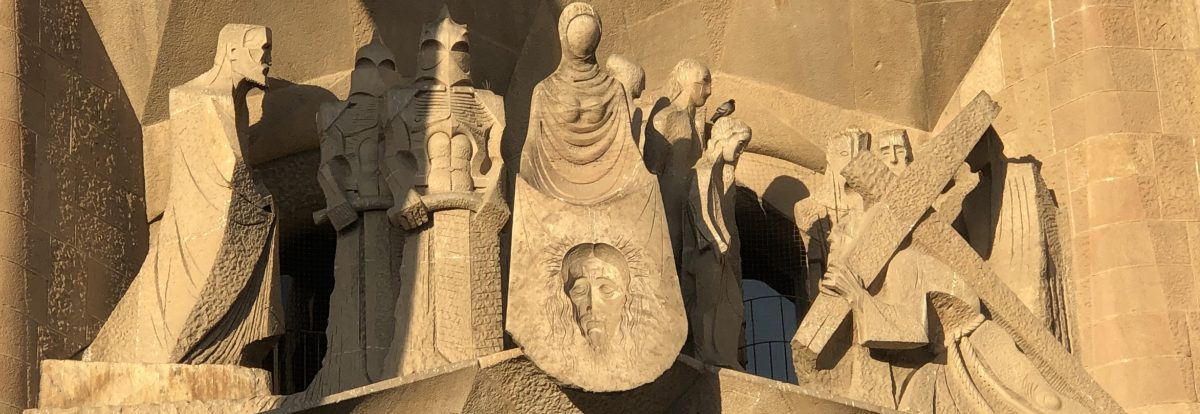
“Icons of Hope” in Rome

Last week I mentioned the Church of Sant’ Agnese in Agone, one of Rome’s architectural gems and a monument to the city’s martyrs.

The last time I visited Sant’Agnese, I found that the Church was hosting a special display for the Jubilee (until February 16) dedicated to the theme “Icons of Hope.” The display brings together a number of icons from the Vatican Museum.

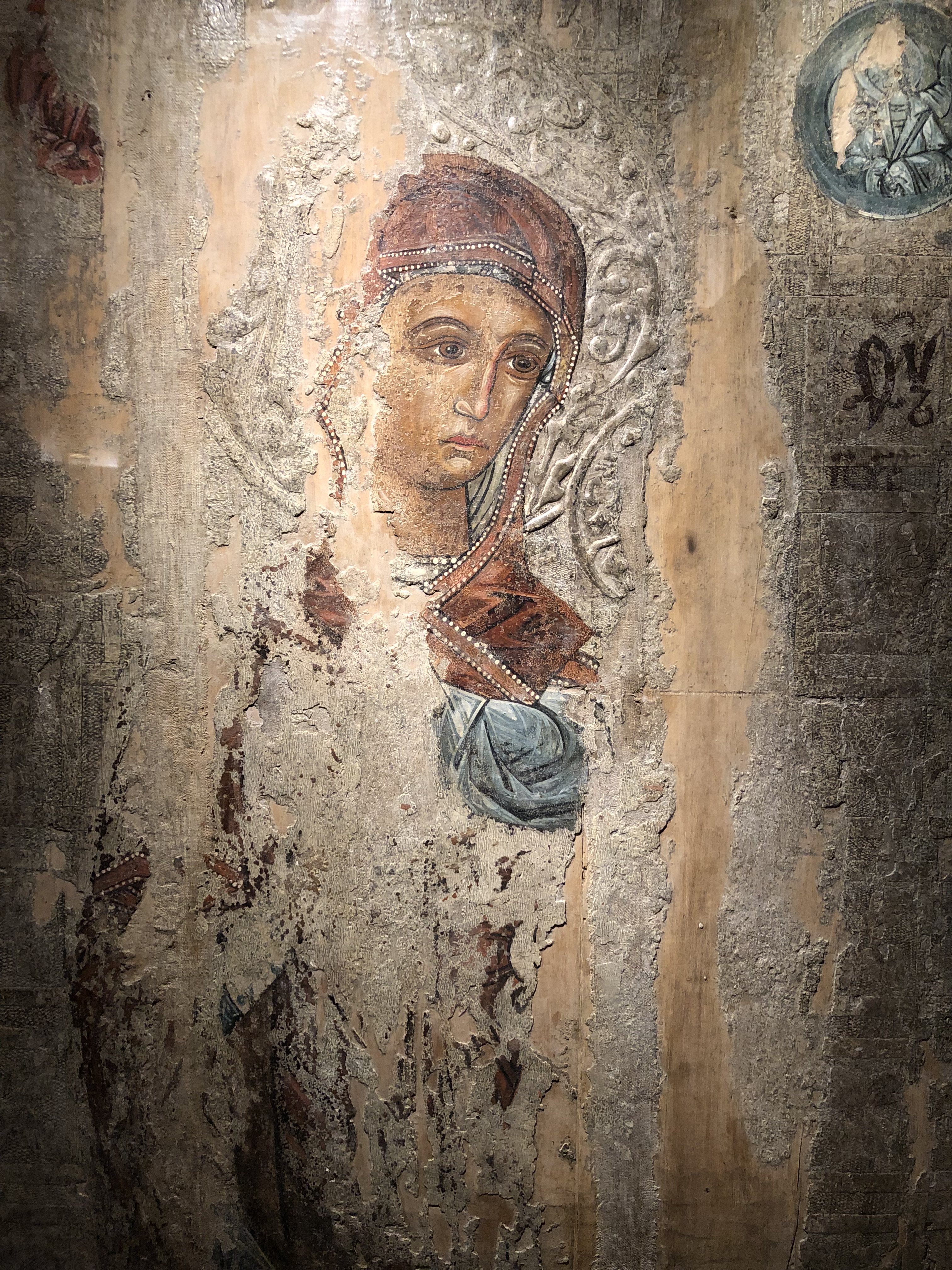
Virgin Hodegetria, Ukrainian, 17th-18th century

The most moving piece in the exhibition had to be the Ukrainian Virgin Hodegetria (17th/18th century). The engraved silver on a wood panel has been damaged over time, but the icon is all the more hauntingly beautiful. The Virgin’s face is still clearly visible, her eyes clear and sad, the expression that of someone who has known suffering but lost none of her dignity.

It is, of course, impossible to view the icon and not see in it the image of the suffering of the Ukrainian people as the Russian assault on their country every day grows more cruel and barbaric. Last week I wrote about the courage of the martyrs. Ukraine’s defense of its freedom and right to exist as a country has perhaps stung the conscience of the world because, in a self-indulgent age, the country’s display of genuine courage is bracing. And as George Weigel has pointed out, “Ukraine is fighting for all of us.”

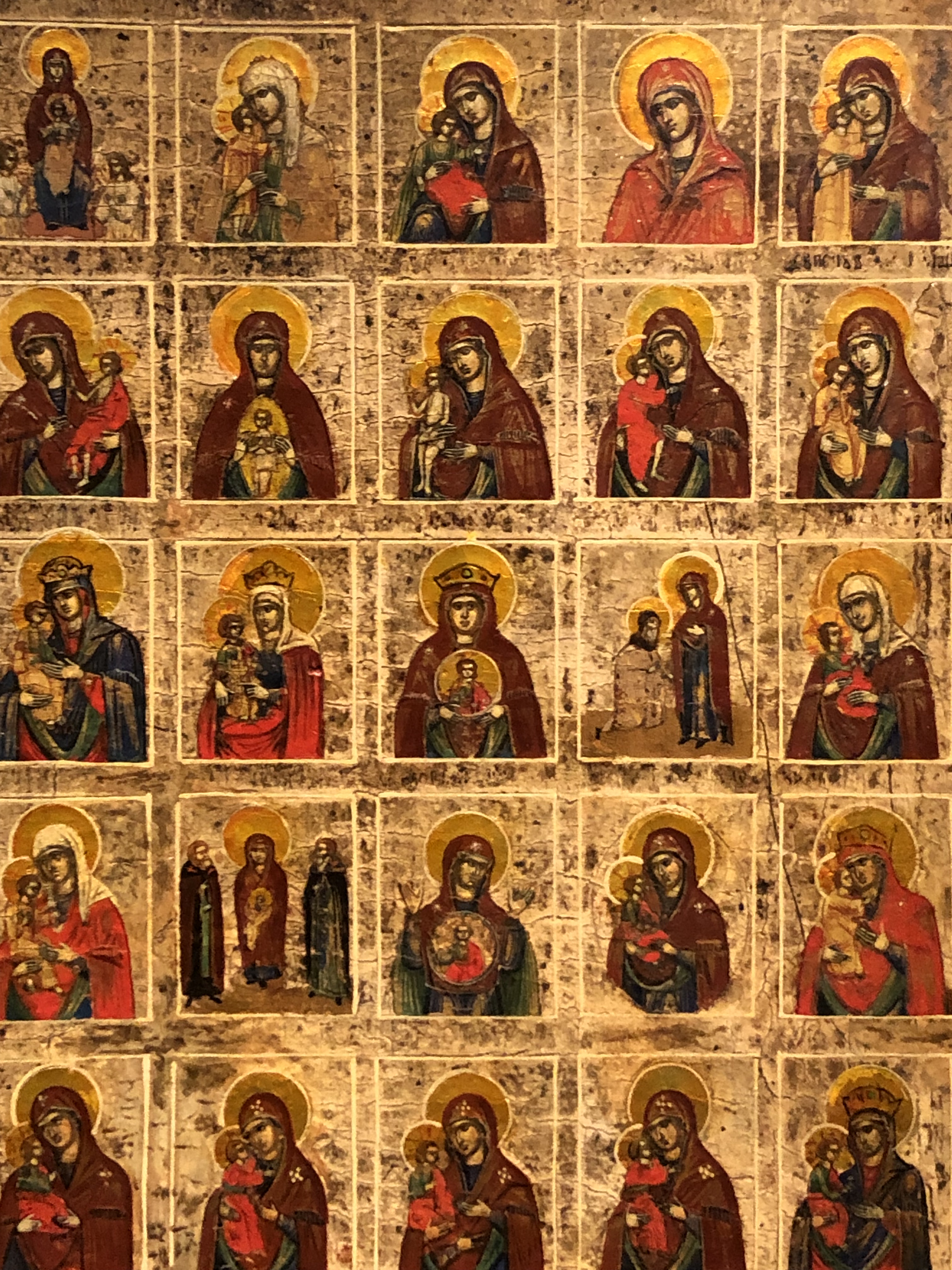
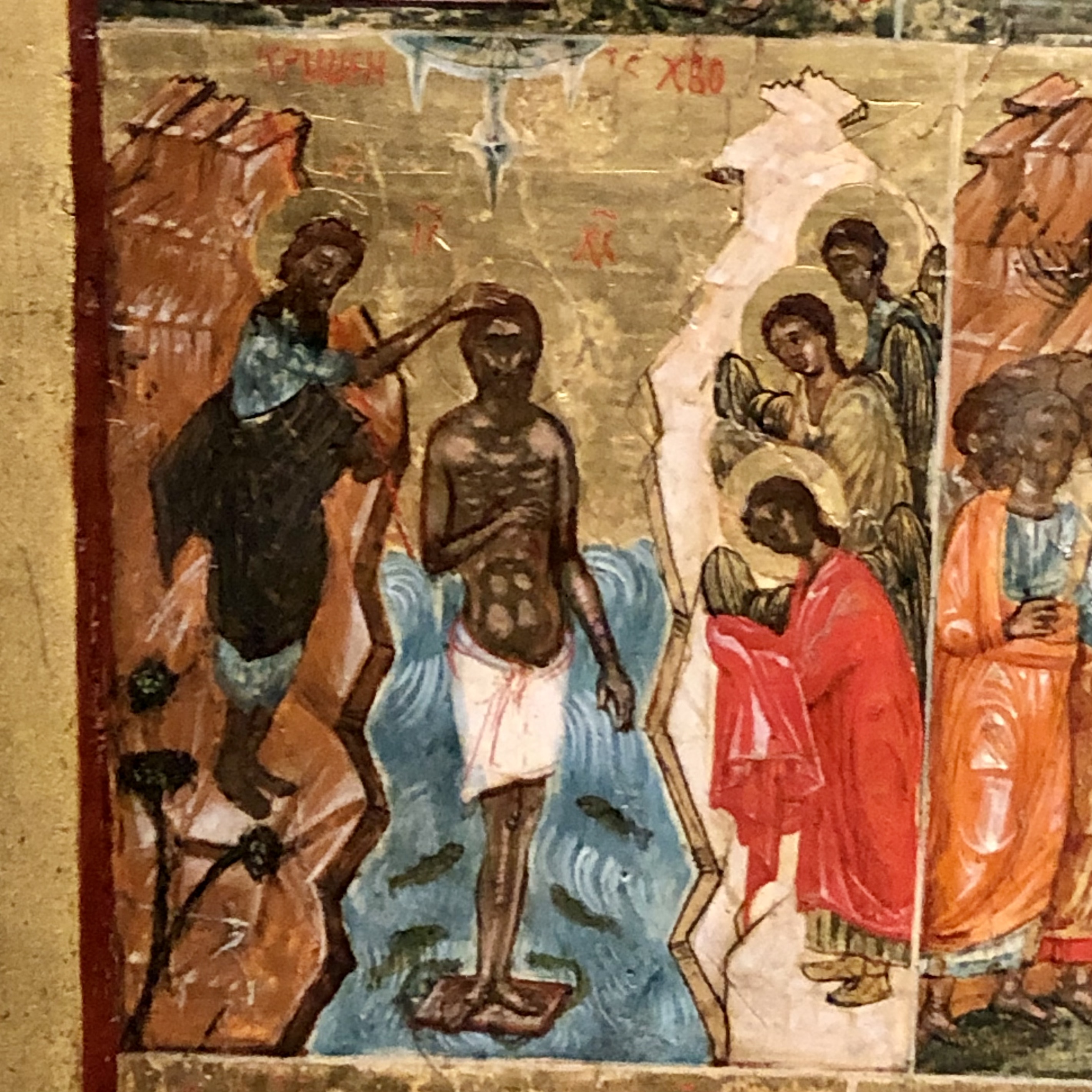
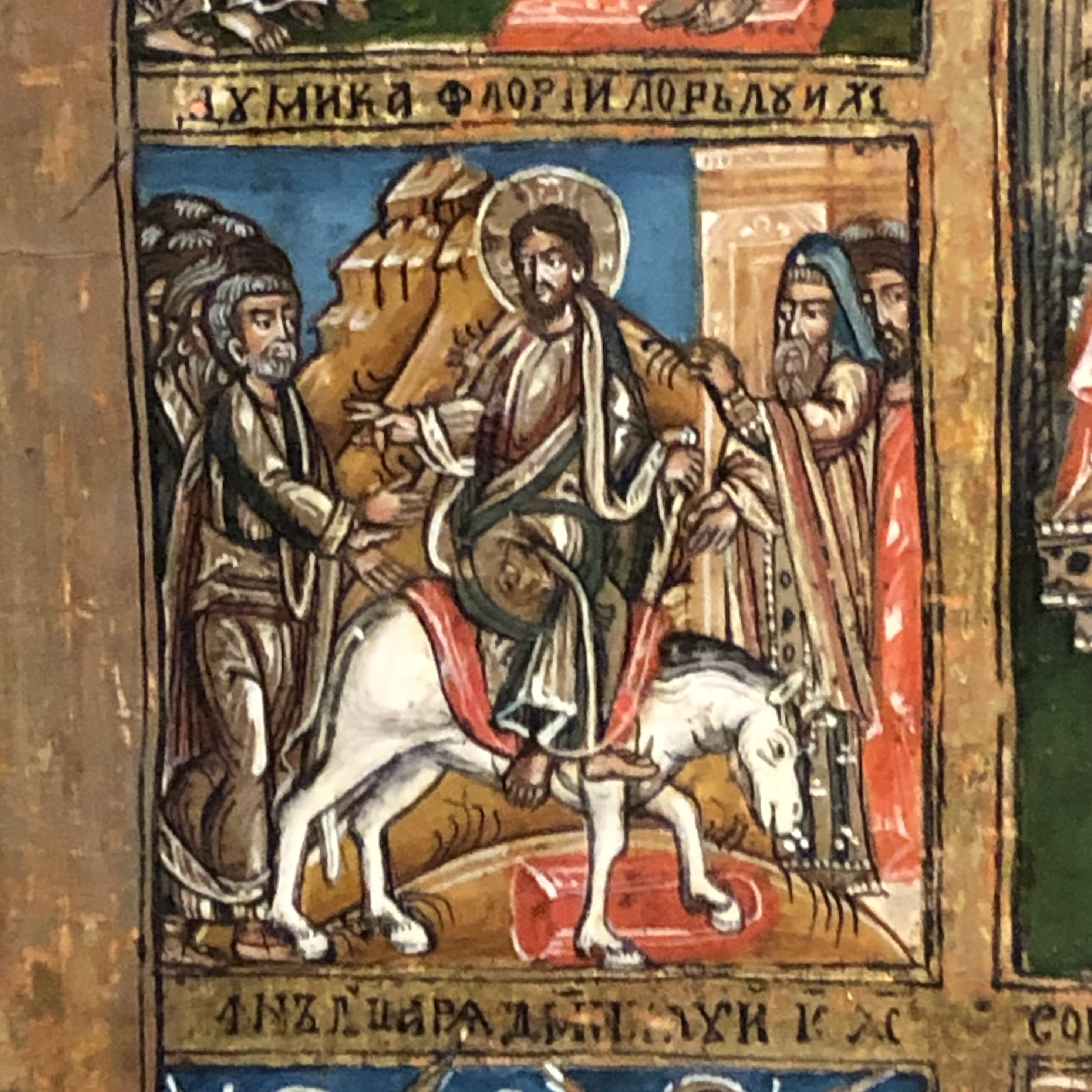
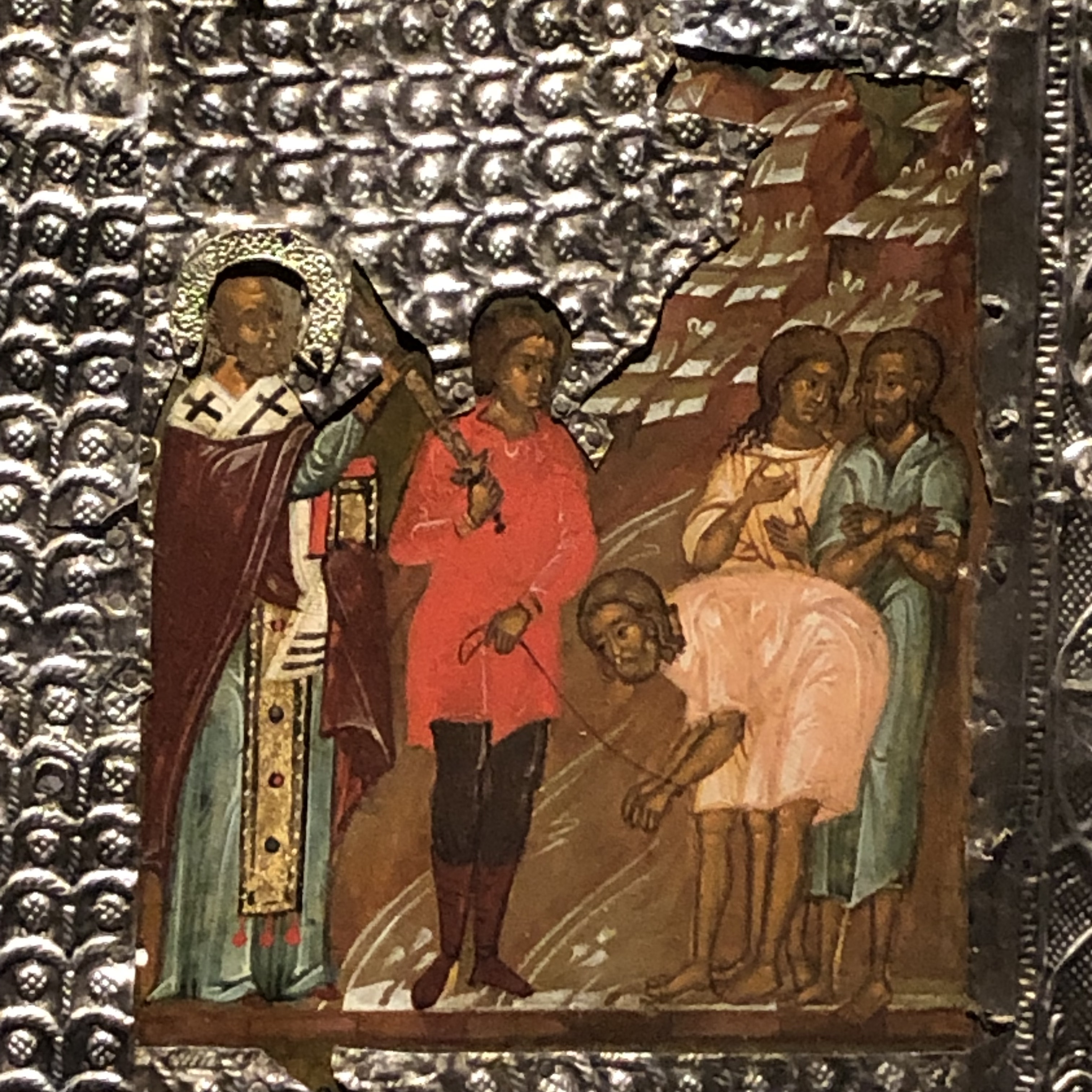
The display also contains icons from other eastern European countries–a sampling below.
The Church of Sant’Agnese in Agone

Sant’Agnese in Agone, Rome

This week’s liturgical calendar includes two prominent–and very different– Roman martyrs. The first, St. Sebastian, a third century soldier originally from Milan, was sentenced to death after converting to Christianity. Tied to a column, he was shot through with arrows but miraculously survived and was nursed back to health by a Roman matron named Irene. He went right back to preaching and, after warning the Emperor Diocletian to repent–a gutsy move if there ever was one–was beaten to death and thrown into Rome’s sewers.

No less courageous, St. Agnes sought to dedicate her life entirely to God while very young. This meant refusing the advances of several powerful suitors, who were enraged by the rejection. Agnes’s pagan father sided with the suitors. She was humiliated, even dragged naked through the streets of Rome, burnt at the stake and when that failed–as with the first attempt to kill St. Sebastian–eventually beheaded.

The courage of such martyrs–one a solider, the other a mere girl, barely a teenager–is fundamental, I think, to appreciating the full significance of Christian faith in eternal life. At least some of the ennui that one can perceive in the Church over the past several decades perhaps comes from deemphasizing the witness of the martyrs just when we need it most.

Continue reading “The Church of Sant’Agnese in Agone”

Soldier saints

San Giorgio in Velabro, Rome

I’ve noted before the prevalence of former soldiers among the saints of Rome, a fact especially evident in the first week of Rome’s station liturgy, when day two is celebrated at a church dedicated to St. George and St. Sebastian and day three at the site two other former soldiers, the brothers John and Paul, were martyred in 360.

The prominence of these soldier saints is especially striking while war rages in the Ukraine. Though the signs were all there ahead of time–this was not the first time Vladimir Putin invaded Ukraine–the attack and the resistance to it has seemed to jolt the West from a deep and dangerous torpor. A friend recently showed me a poll asking the people of various nations if they would be willing to fight for their country; less than half of Americans said yes–and that was high for the West. In his inaugural address, John F. Kennedy, pledged to the world, “Let every nation know, whether it wishes us well or ill, that we shall pay any price, bear any burden, meet any hardship, support any friend, oppose any foe, to assure the survival and the success of liberty.” Today, in the face of crisis, presidents compete to issue stimulus checks because, hey, free money. Something seems to have been lost.

Continue reading “Soldier saints”