Homily for the Second Sunday of Advent (C)
“Look to my coming,” Gandolf tells Aragorn in the second installment of the Lord of the Ringstrilogy, The Two Towers. “At dawn on the fifth day, look east.” Those familiar with the story, know that Gandolf’s words come at a particularly dramatic moment in the epic, when the last holdouts of Rohan—one of the two remaining kingdoms of men not to succumb to the forces of evil—have retreated to their mountain stronghold, Helms Deep, and the walls of the fortress have begun to crumble, its gates to give way, and its doors to crack under the onslaught of a massive army sent by the turncoat wizard Saruman, who, seduced by power, has joined the forces of darkness. And as Aragorn, the king in exile, prepares for one final charge with what knights remain, he remembers the words of the faithful wizard Gandolf, who had left five days before to seek aid. “At dawn on the fifth day, look east.”
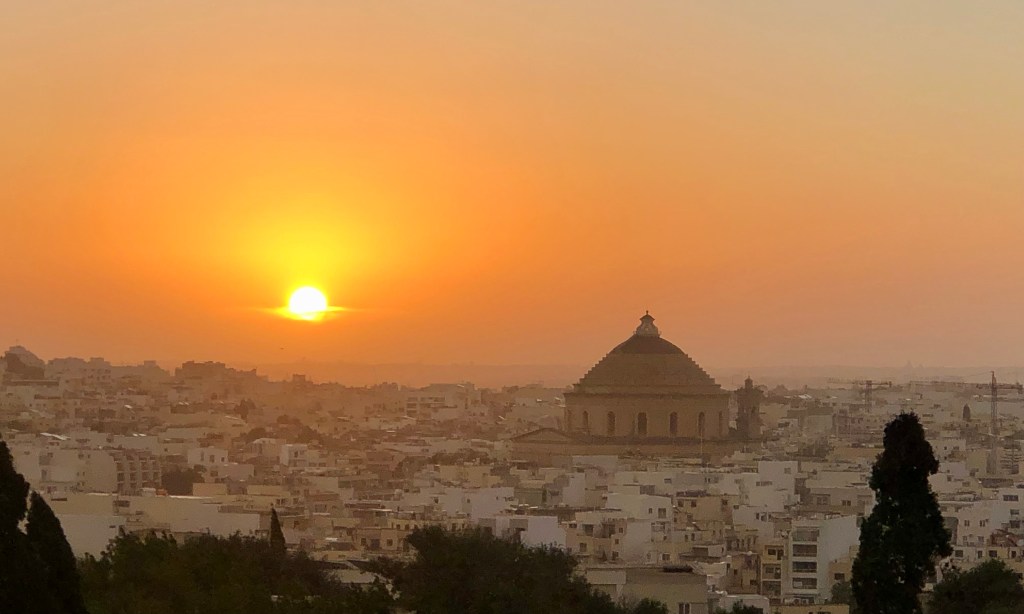
We read a similar instruction in the Book of Baruch, directed to the holy city, “Up, Jerusalem! Stand upon the heights; look to the east.” These words are echoed in the Advent hymn familiar to many of us, “People, Look East.” There is something primordial in this call, in the instinct to look in hope to the east. When I worked among the Lakota Sioux in South Dakota, I learned that in their traditional religion, east was the direction of prayer. I found some Lakota Christians very insistent on a Christian tradition—which I did not know about—of burying the dead facing east. The Christian tradition of prayer facing east goes back to the first centuries. St. Ambrose talks about catechumens, after their baptism, turning from the west to the east as a sign of the new orientation of their lives.
Continue reading “Look East! Homily for the Second Sunday of Advent” Tony Lusvardi, S.J.