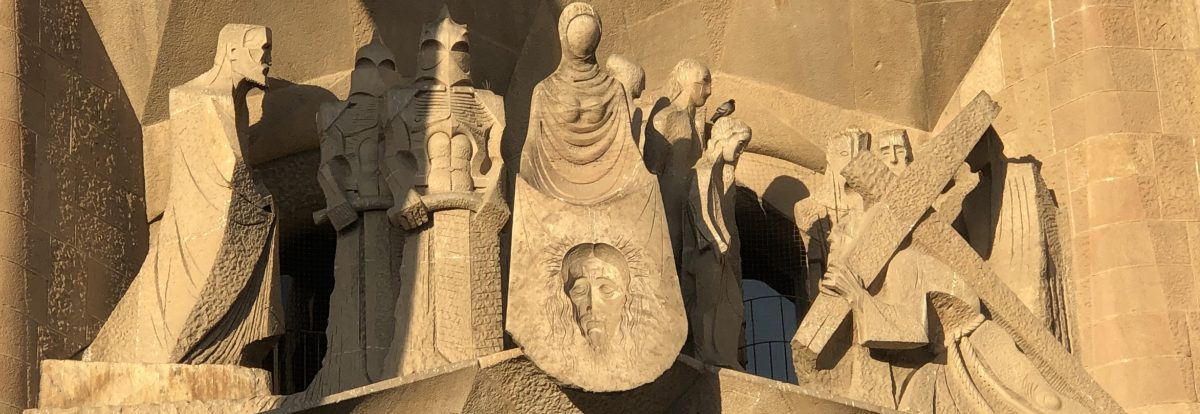
Throughout this month, I’ve been reposting the homilies I wrote for the Homiletic and Pastoral Review. You can check them all out on their site, as well as Friday’s Homily for the Sacred Heart. This feast seems especially joyful this year, coming so soon after the election of Pope Leo XIV.
Homily for the Solemnity of Saints Peter and Paul

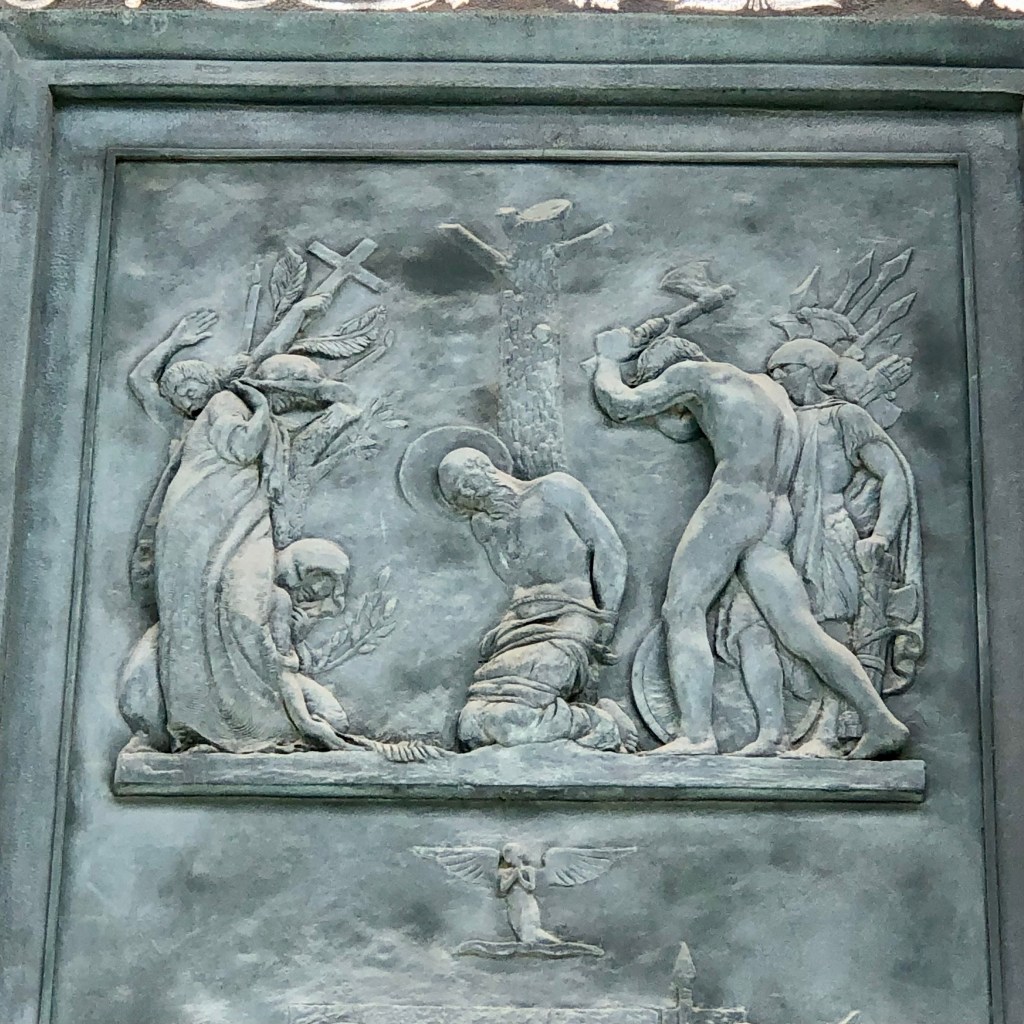
Peter and Paul were great men. It is common in preaching to hear about Peter’s failures—his weaknesses and false steps, which the Gospels make no attempt to hide. And we first meet Paul, of course, when he is persecuting the Church. Peter and Paul were both flawed men, but nonetheless they are great men.
In fact, one of the things that makes them both great is that they acknowledge their flaws. Practically the first words out of Simon Peter’s mouth in the Gospel of Luke are, “Depart from me, Lord, for I am a sinful man” (Lk 5:8). In one of his letters, Paul claims to boast in his weakness (2 Cor 12:9).
Yet, in the Acts of the Apostles, Peter raises the dead to life. Paul becomes the most remarkable missionary in history. The faithful of Jerusalem bring their sick into the streets just so that Peter’s shadow will fall upon them. And in today’s Gospel we hear those remarkable words from the mouth of the Lord himself, “You are Peter, and upon this rock I will build my Church, and gates of the netherworld shall not prevail against it.” The greatness of both Peter and Paul comes from Jesus.
The Lord does the building. He gives Simon the fisherman a new name and a new identity, and he reorients the life of Paul in every way on the road to Damascus. The greatness of these apostles comes not because they took a course in self-help or even because they refined some aspect of their personality. The theologian Hans Urs von Balthasar points out that, “Simon the fisherman could have explored every region of his ego prior to his encounter with Christ, but he would not have found ‘Peter’” (Prayer, 60). If Simon had taken a Meyers-Briggs test, the results most certainly would not have read “Prince of the Apostles.” Only encountering Jesus could transform him into the new man he became.
In the dramatic story of Peter’s escape from imprisonment in today’s first reading, the apostle does not hatch a clever plan to chisel through the wall, like an Escape from Alcatraz. Instead, he follows the promptings of the angel who appears to him, seeming almost dazed as he does so. In Paul’s letter to Timothy, the apostle speaks of a kind of self-emptying, of being “poured out like a libation.” God acts in Peter and Paul, and their greatness comes from the degree to which they are able to let go of themselves—their egos, their fears, their self-will—and cooperate with his plans for them. An article I read shortly after the election of the current successor of Peter, Pope Leo, described our new pope’s leadership style with the words John the Baptist used to talk about Christ: “I must decrease so that he may increase.”
Peter and Paul were unique in the role they were called to play in the foundation of the Church, but they did not keep their formula for greatness a secret. The Lord invites all of us to the same greatness, whatever the specifics of our mission here on earth may be. We are called to be saints, to let go of ourselves and let Jesus live in us.
Readings: Acts 12:1-11; 2 Tim 4:6-8, 17-18; Matt 16:13-19
June 29, 2025

 Tony Lusvardi, S.J.