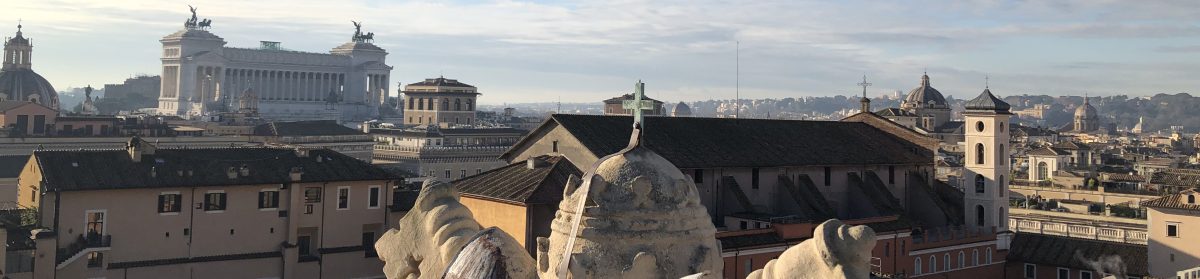
A couple of weeks ago, I wrote about the connection between the baroque style, the Jesuits, and the city of Rome. It’s hard to find a city that can outdo Rome in baroqueness, though Naples gives the Eternal City a run for its money. I took a day trip down to Naples in mid-March to meet up with my parents who were vacationing there and was reminded what a treasure trove of marvels that city is.
We got in to visit one of the sights I’ve been wanting to see for a long time, Giuseppe Sanmartino’s Veiled Christ (1753). I had seen pictures before of this virtuoso use of marble–carved as if a thin, almost translucent, shroud had been draped over the figure of the dead Christ. What makes the sculpture so moving, however–something I hadn’t appreciated until seeing it in person–is the liquid quality the shroud creates. The way it clings to the flesh below, with the wounds visible through it, and pools around the edge of the body almost makes you feel the life draining from the corpse. The rest of the chapel is chockfull of allegorical figures, though photography is prohibited inside, so you’ll just have to go to Naples to see for yourself!

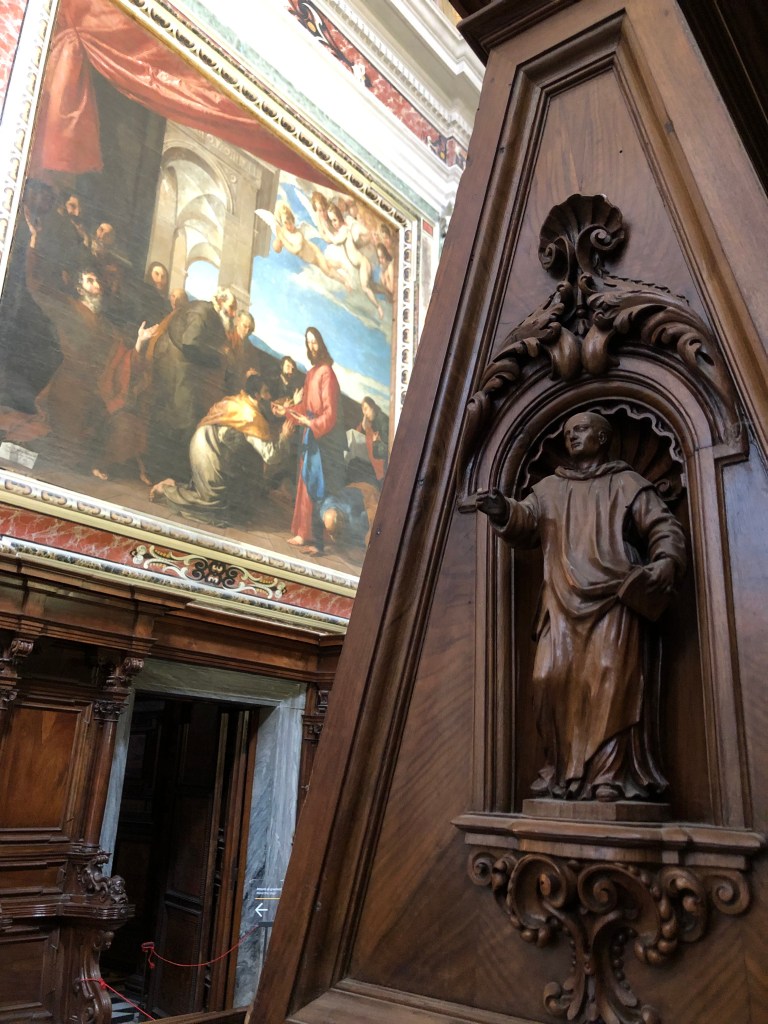
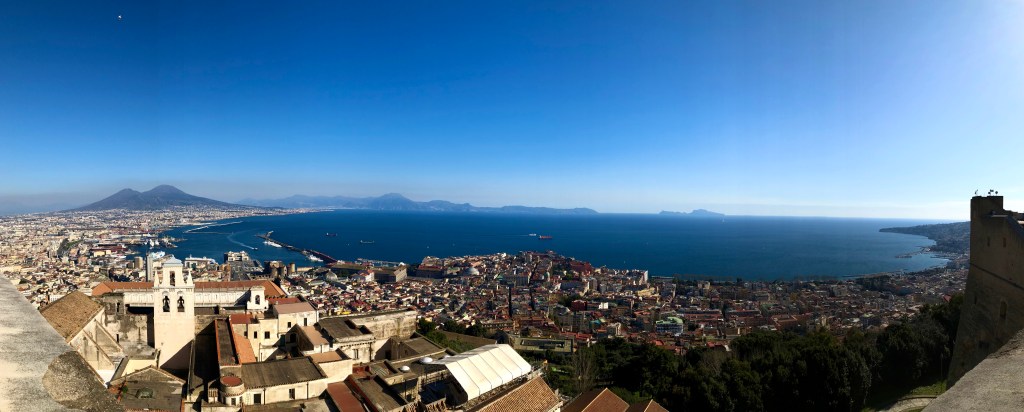
One of the visit’s surprises was to discover the Certosa di San Martino, a Carthusian Monastery, now a museum, tucked under imposing walls of the Castle of Sant’Elmo overlooking the city. We went up for the view from the Vomero hill and just happened into the Certosa, founded in 1368 but redone in extravagant baroque in 1623.
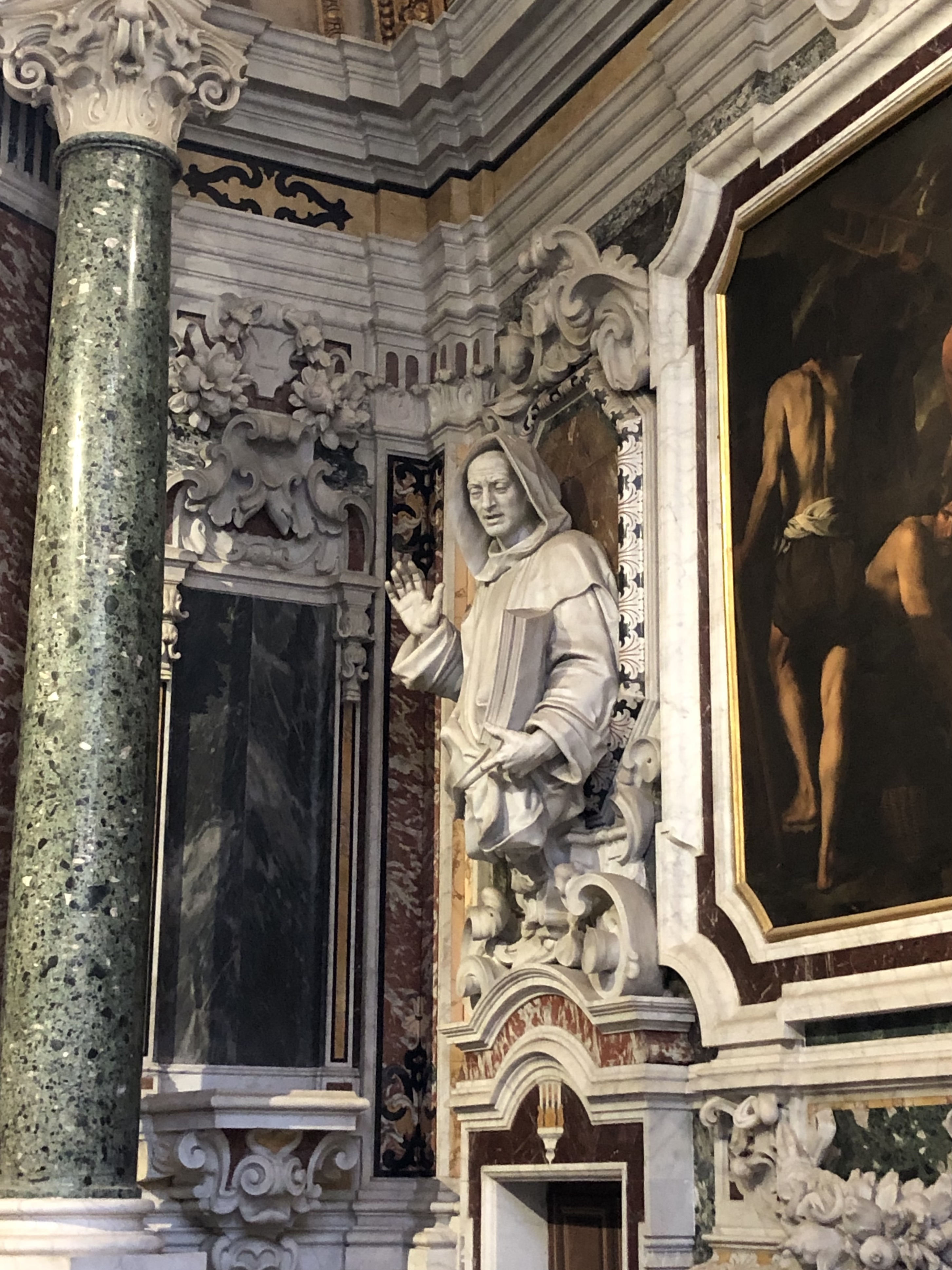
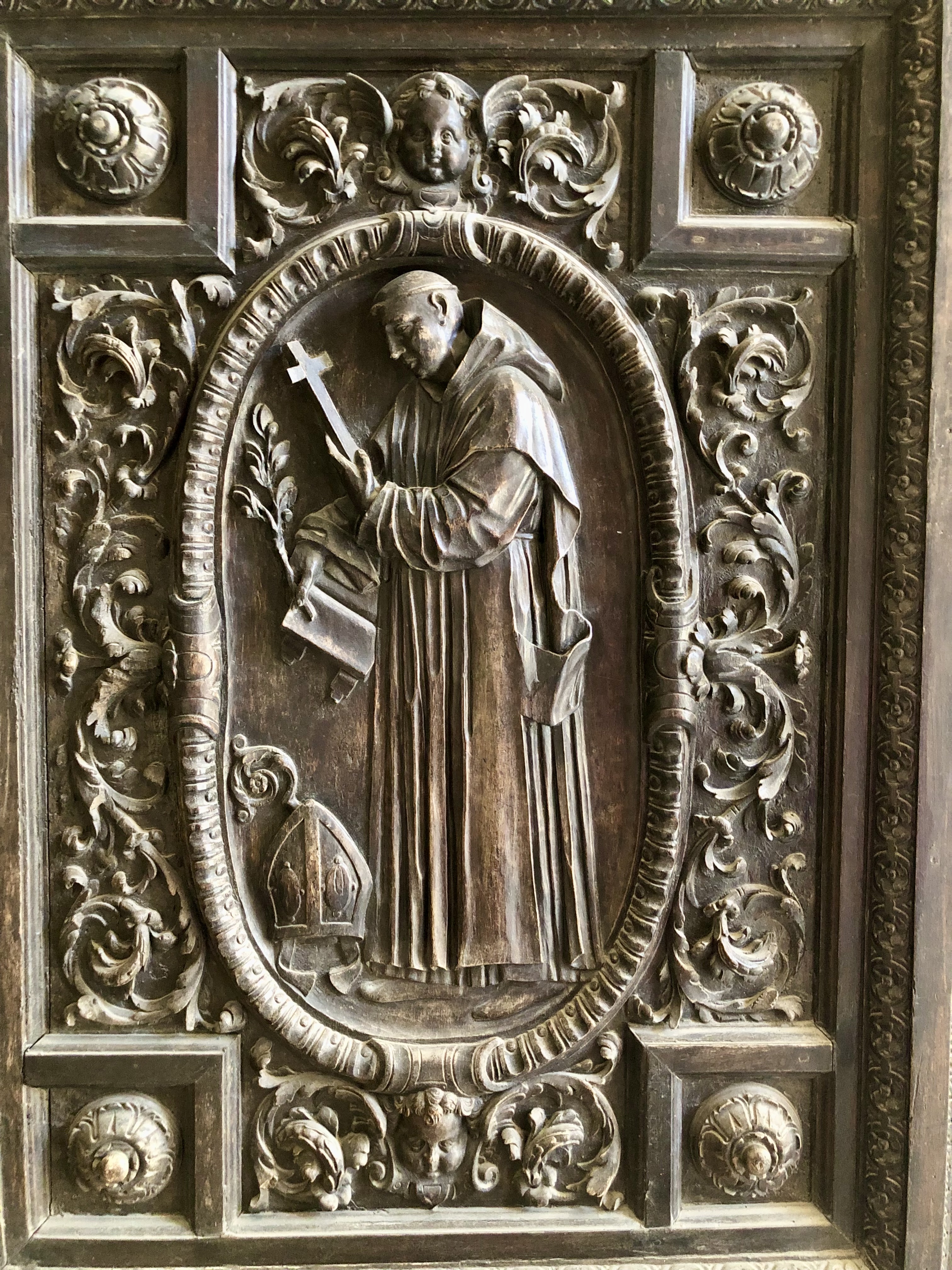
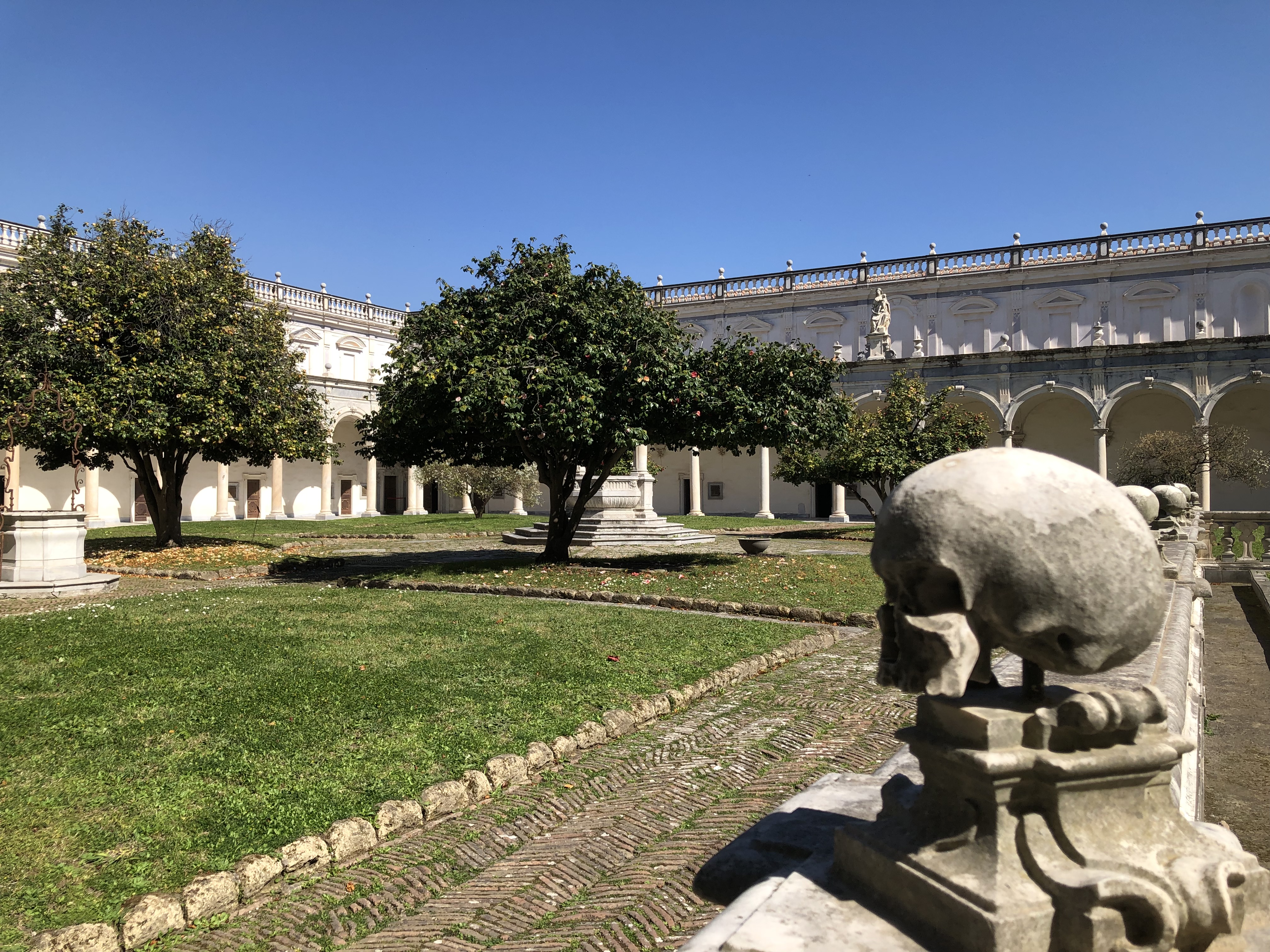
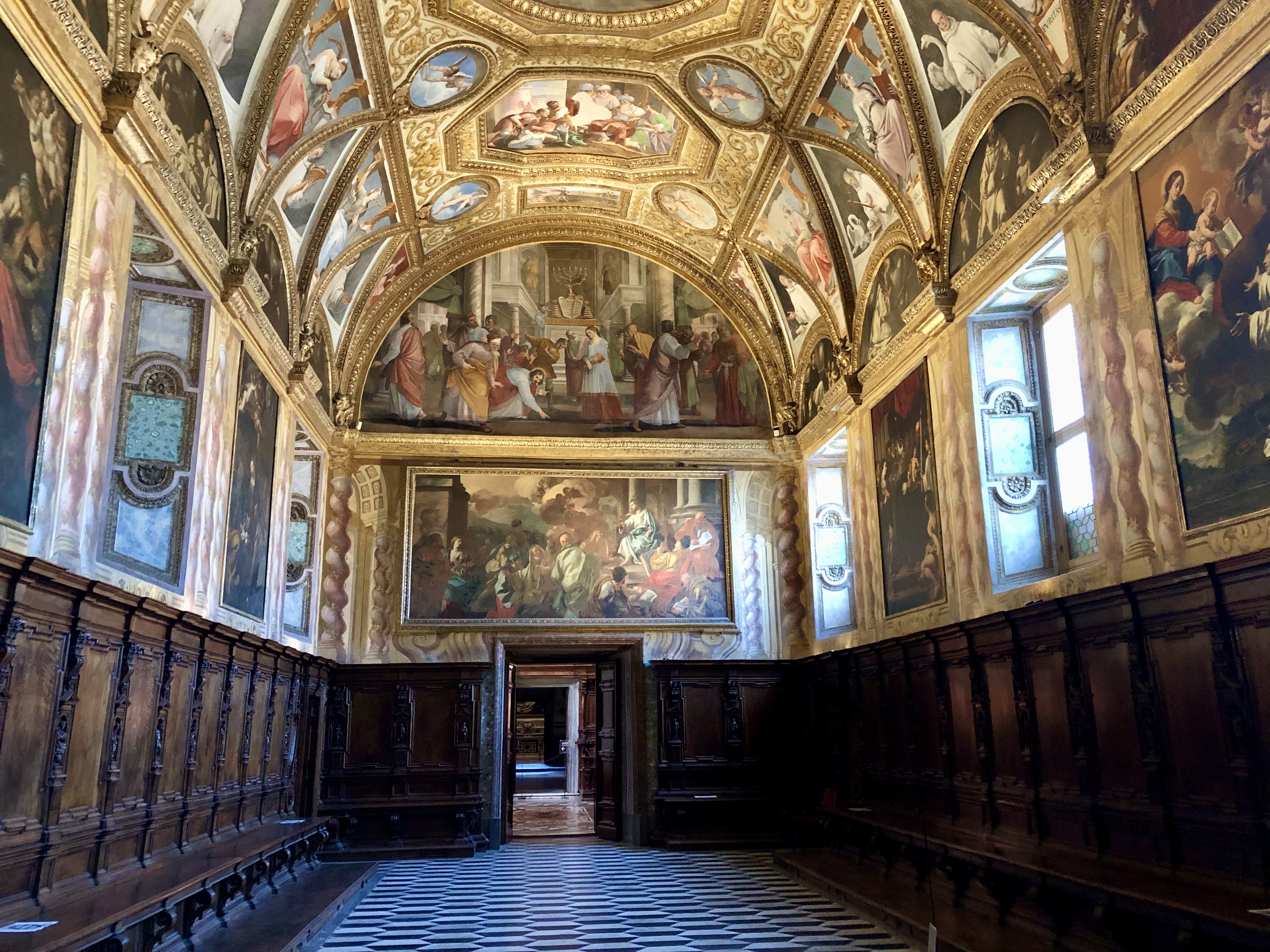
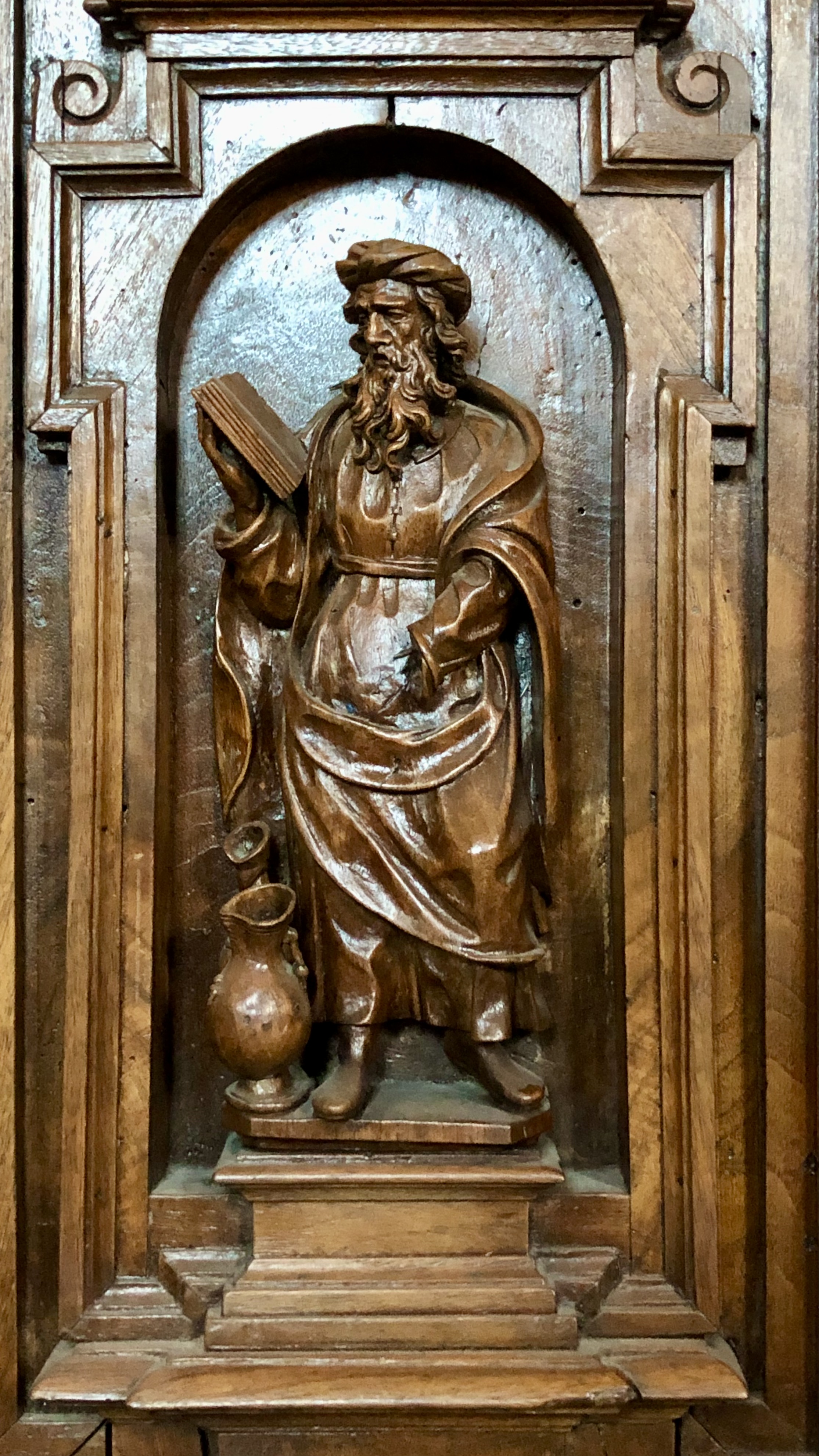
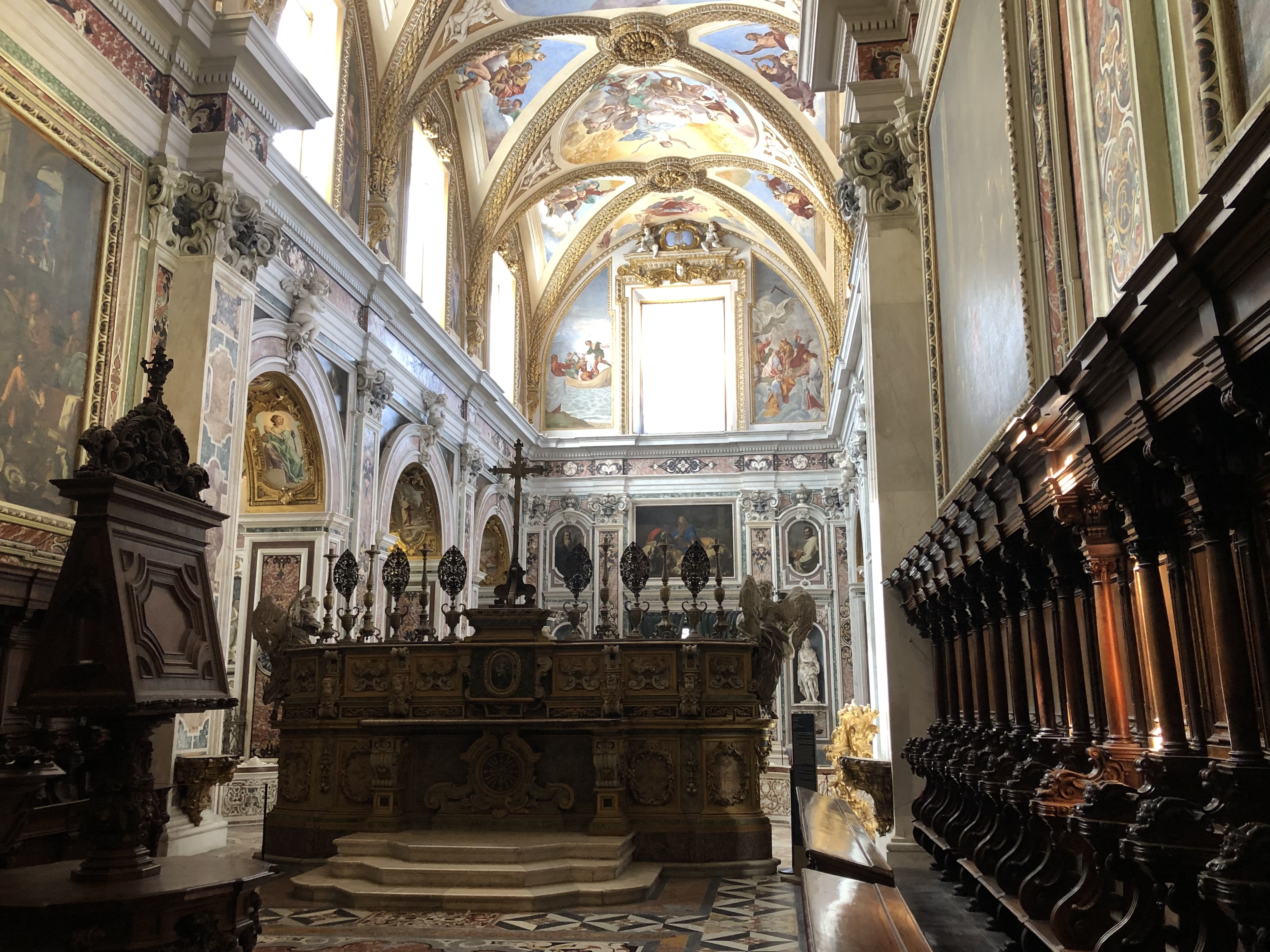
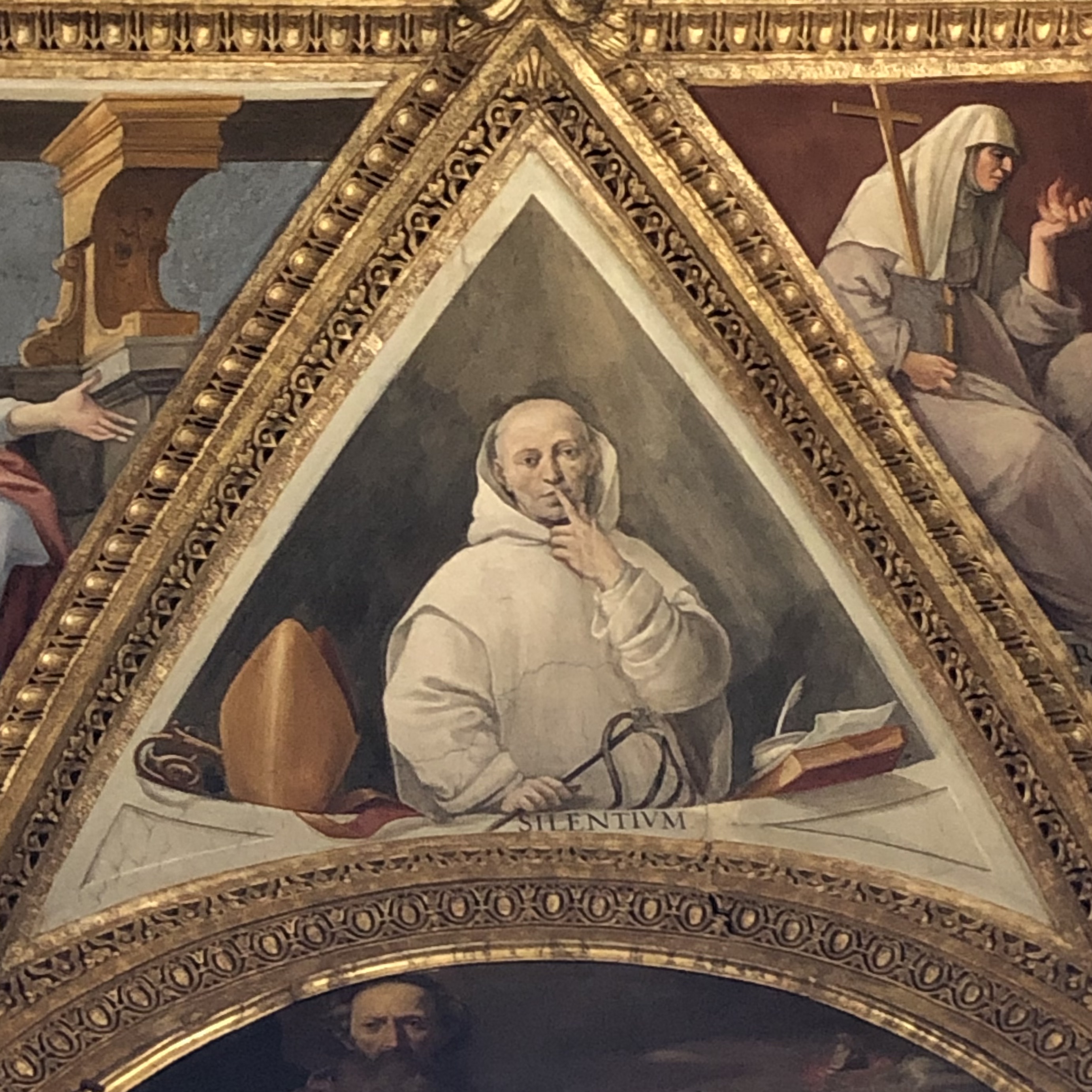
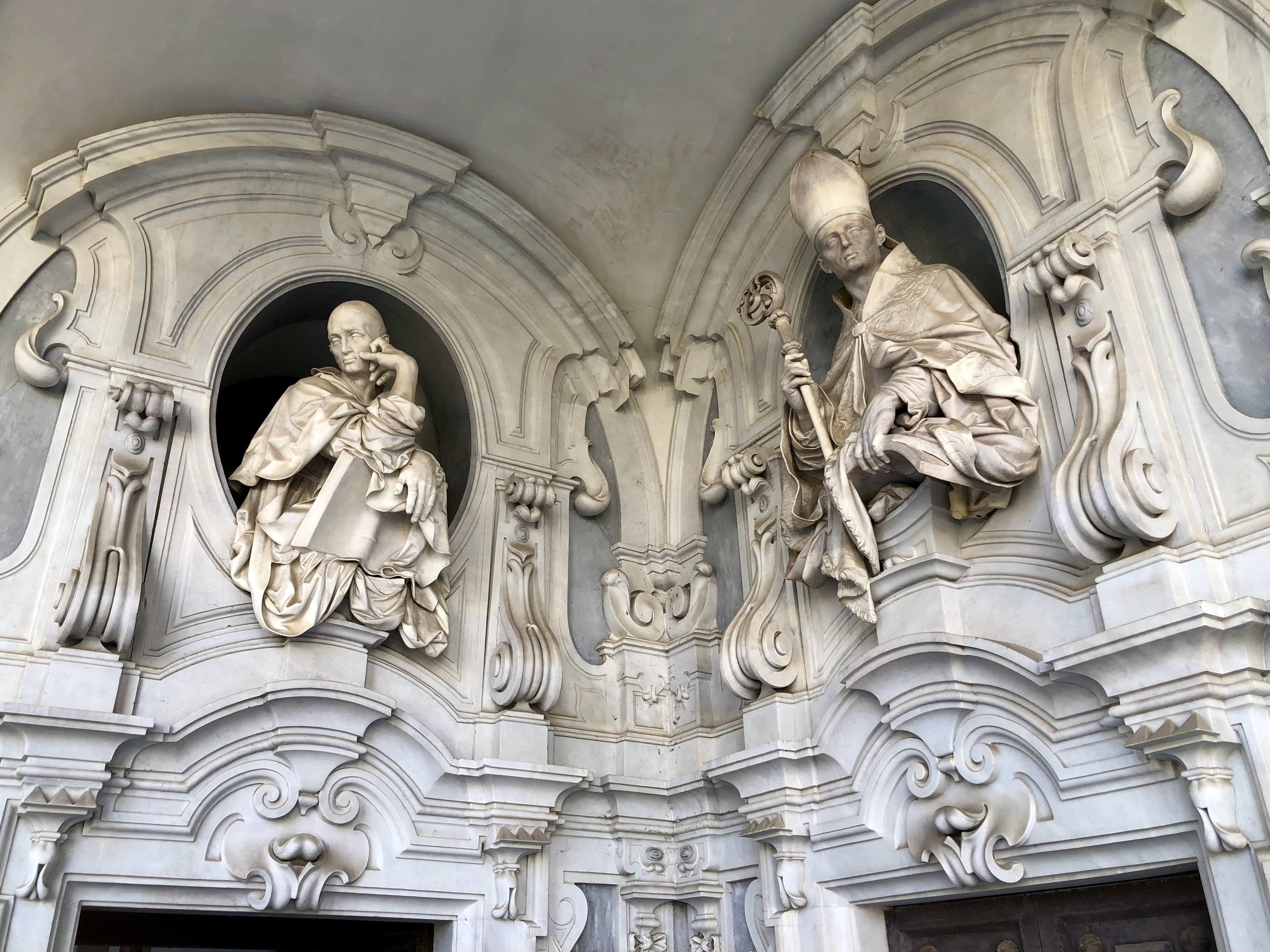
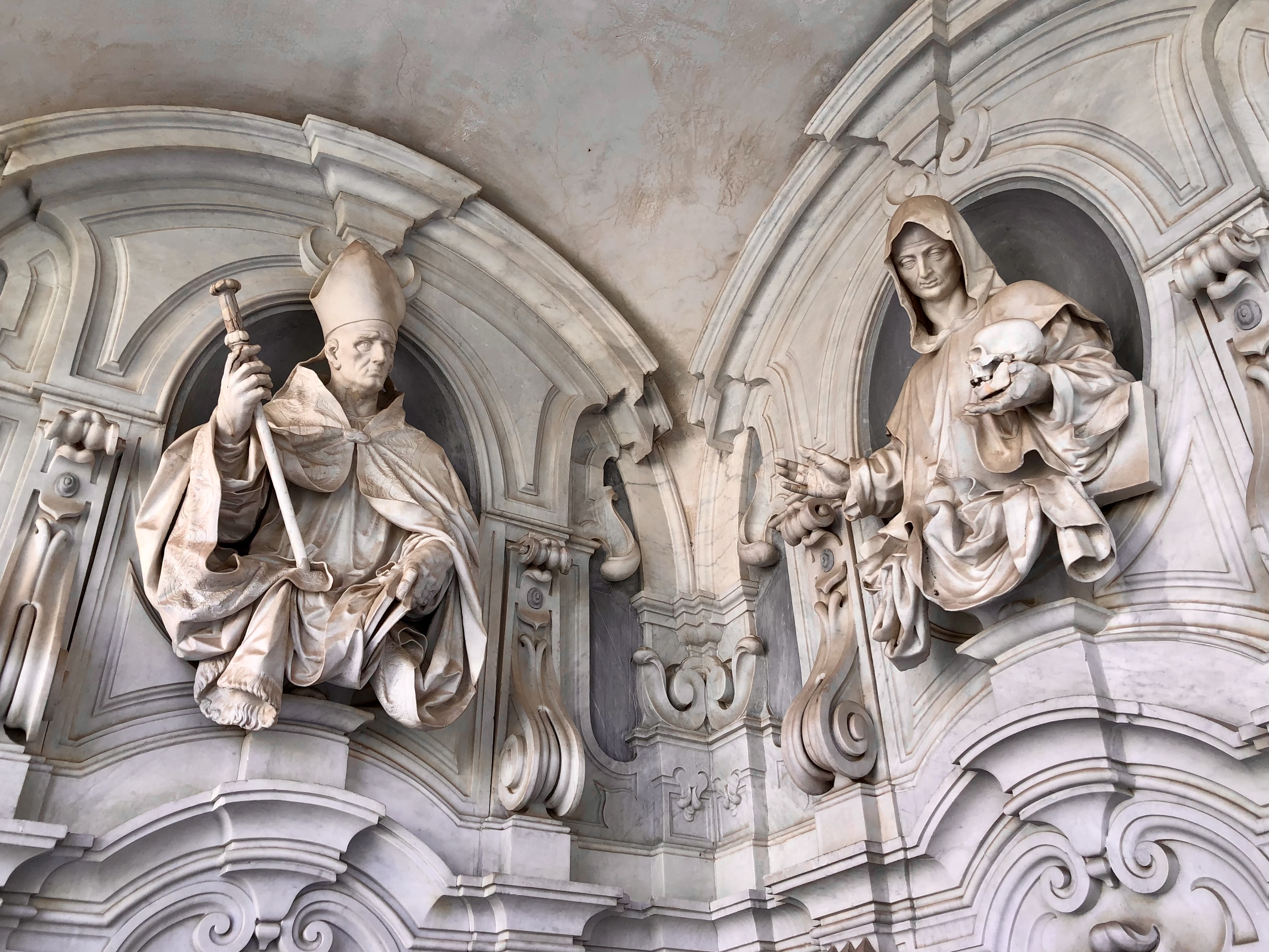
The Carthusians, founded by St. Bruno in 1084, live an extremely austere semi-hermetical life, each monk spending almost the entire day in his self-enclosed quarters. St. Ignatius had tremendous respect for St. Bruno and the Carthusians, and I remember watching the astonishing 2005 film Into Great Silence about the Carthusian monastery of Grande Chartreuse as a Jesuit novice.
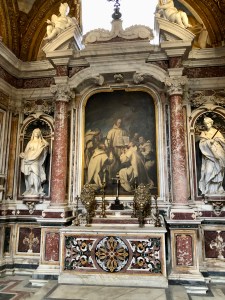
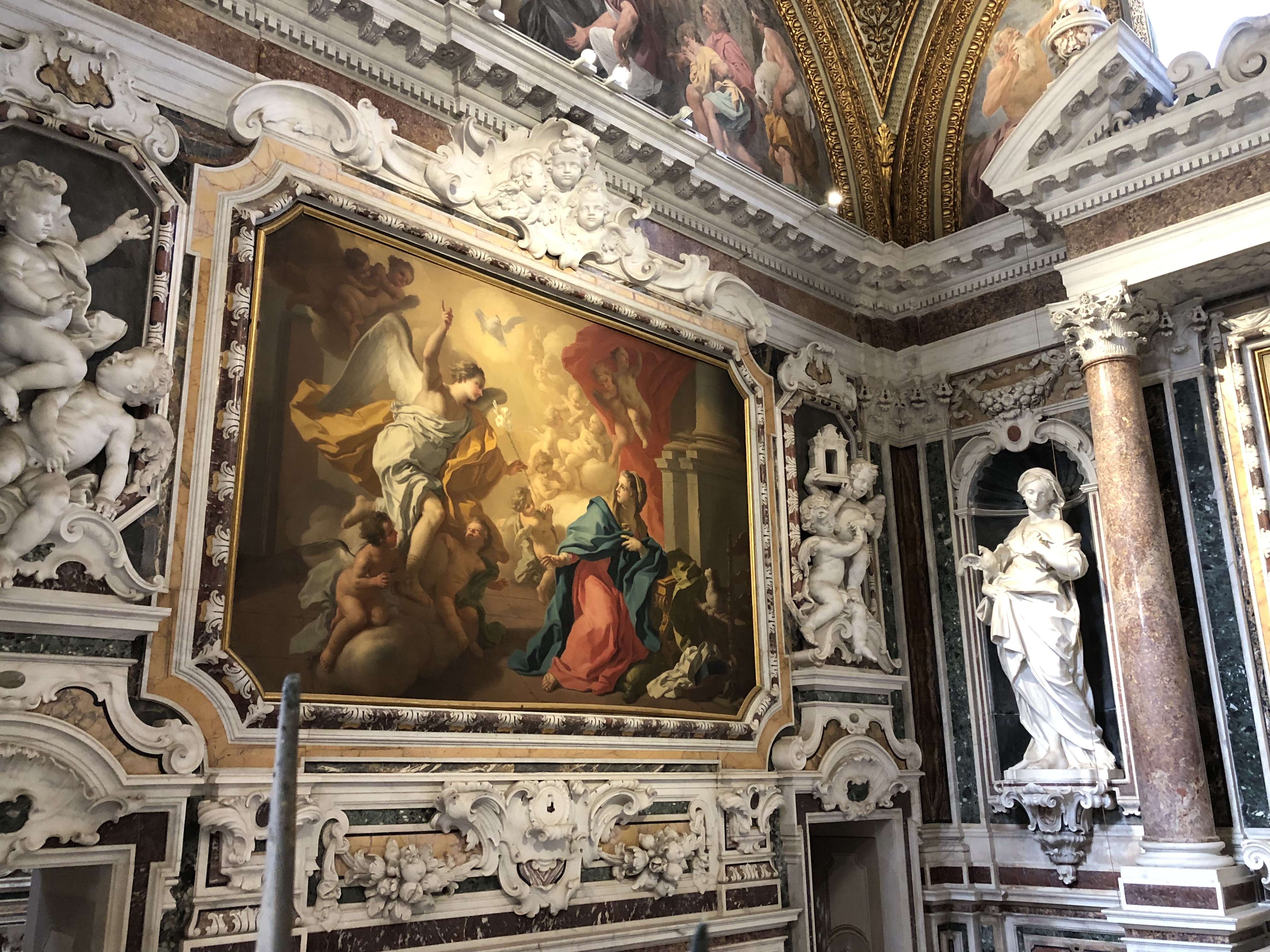
Though they spend most of their time in solitude, the common areas of Carthusian monasteries are sometimes noteworthy for their artistic and architectural grandeur, and San Martino certainly fits the bill. The art, of course, is imbued with monastic themes and Biblical images–a program for a lifetime of meditation. The main cloister is elegant in its simple design and noteworthy for the monastic cemetery, with the stone skulls atop its fencing providing an unmistakable memento mori. There’s something paradoxical about San Martino, the juxtaposition of the severity of the Carthusian life and the exuberance of the baroque style. But, of course, entering a Carthusian life and vocation means leaving one world behind in order to enter into another–a life of the spirit, which, while made possible by an extreme asceticism, promises depths and spiritual riches that even the greatest art can only hint at.

 Tony Lusvardi, S.J.
One thought on “The Certosa di San Martino and the Neapolitan baroque”