
After a couple of months in Western Australia and half a year Down Under, I am still amazed by the diversity of this island continent’s landscapes. This includes unparalleled bio-diversity–all the birds and marsupials and one-of-a-kind wonders, like the platypus, that look like something out of a Dr. Seuss book–as well as the geological curiosities.

On this, the driest of Earth’s continents, I’ve been especially fascinated by water. Most of Australia’s population (almost 90%) live within 30 miles of the coast, and some of the country’s greatest wonders–the Great Barrier Reef, for example–lie underwater. My own fascination with water comes in part from its sacramental usage. Water is the one physical element necessary for baptism and, thus, entry into Christianity.
Part of water’s fascination comes from its paradoxical properties, paradoxes on abundant display in the Australian landscape. Water is both a life-giver and, in the Flood, nearly a world-ender. In the Exodus narrative, it is both destructive (for the Egyptians) and saving (for the Israelites). In last Sunday’s second reading (Romans 6:3-4, 8-11), Paul speaks of baptism in the same paradoxical way–as participation in Christ’s death and rising to new life. The New Testament describes the first sacrament as both tomb and womb.
The power and beauty of symbolic language, such as that employed in the Catholic liturgy, is that it allows us to “say” things otherwise impossible to put into words. Symbols can express what is otherwise only paradox. In fact, the richness of Catholic liturgical symbols is such that we can never really get to the end of their meaning–they always have more to say.

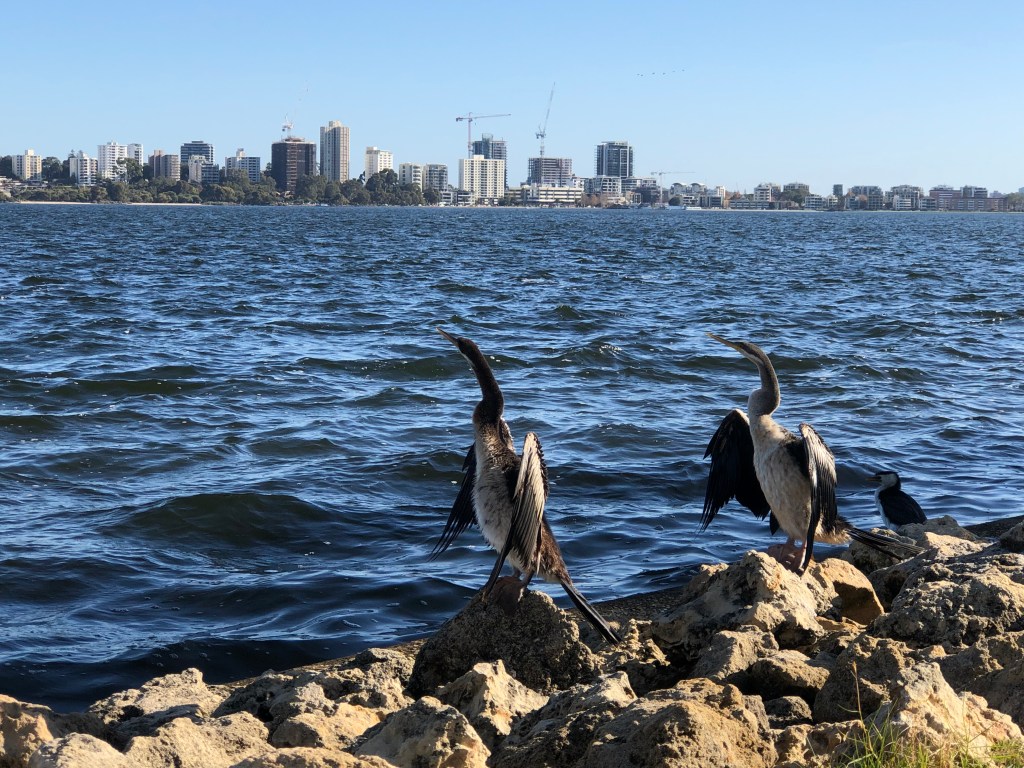
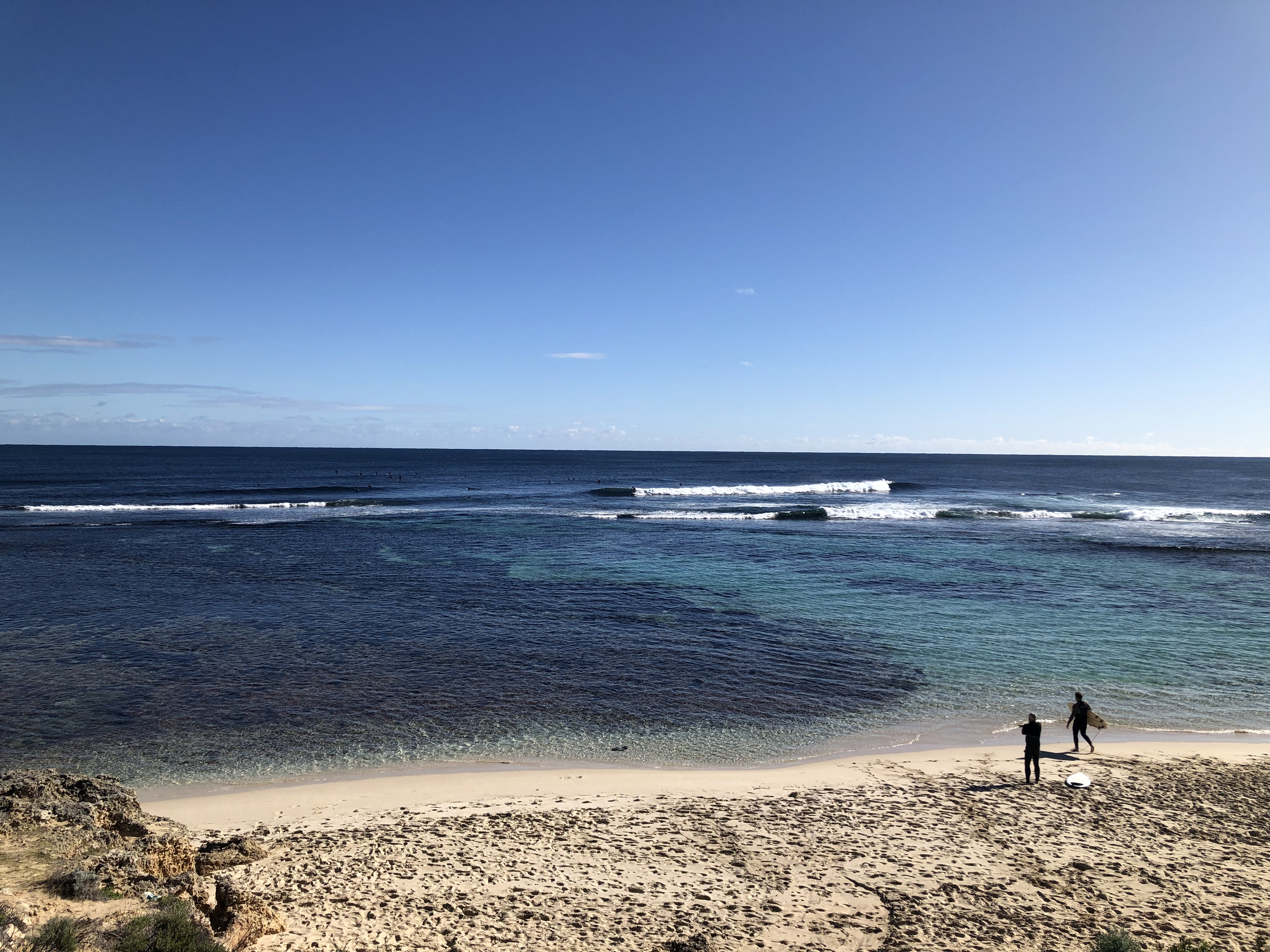
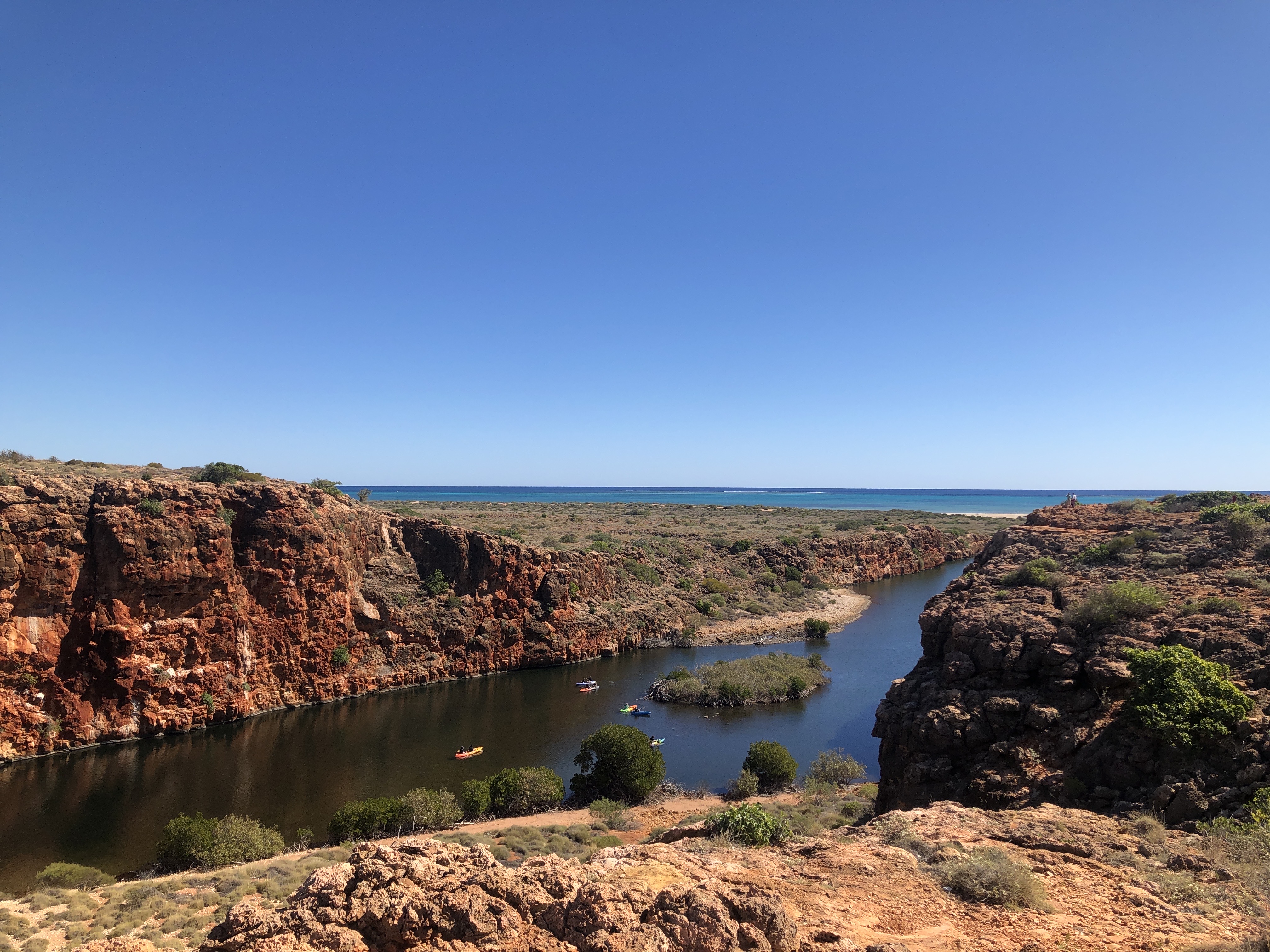
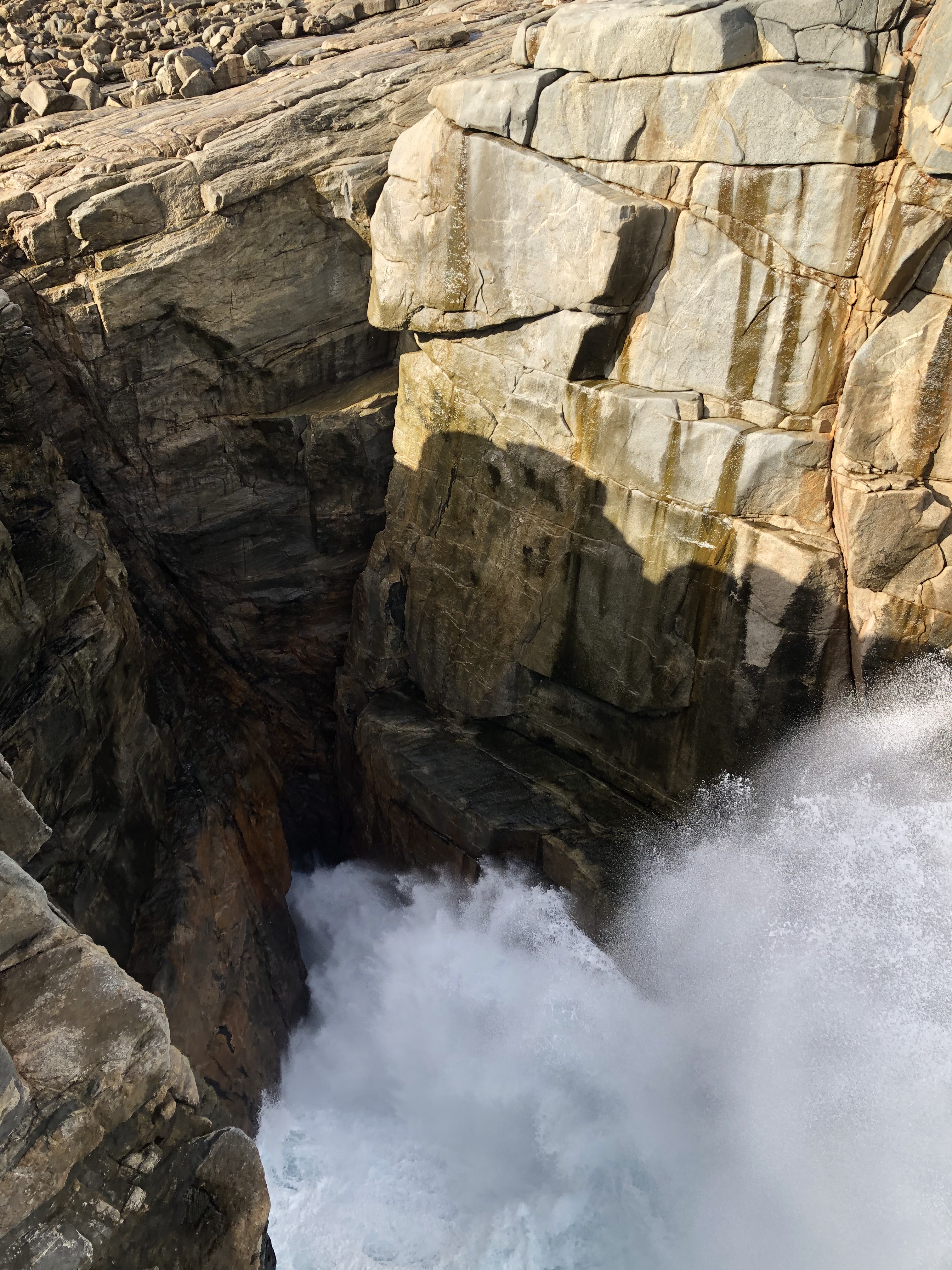
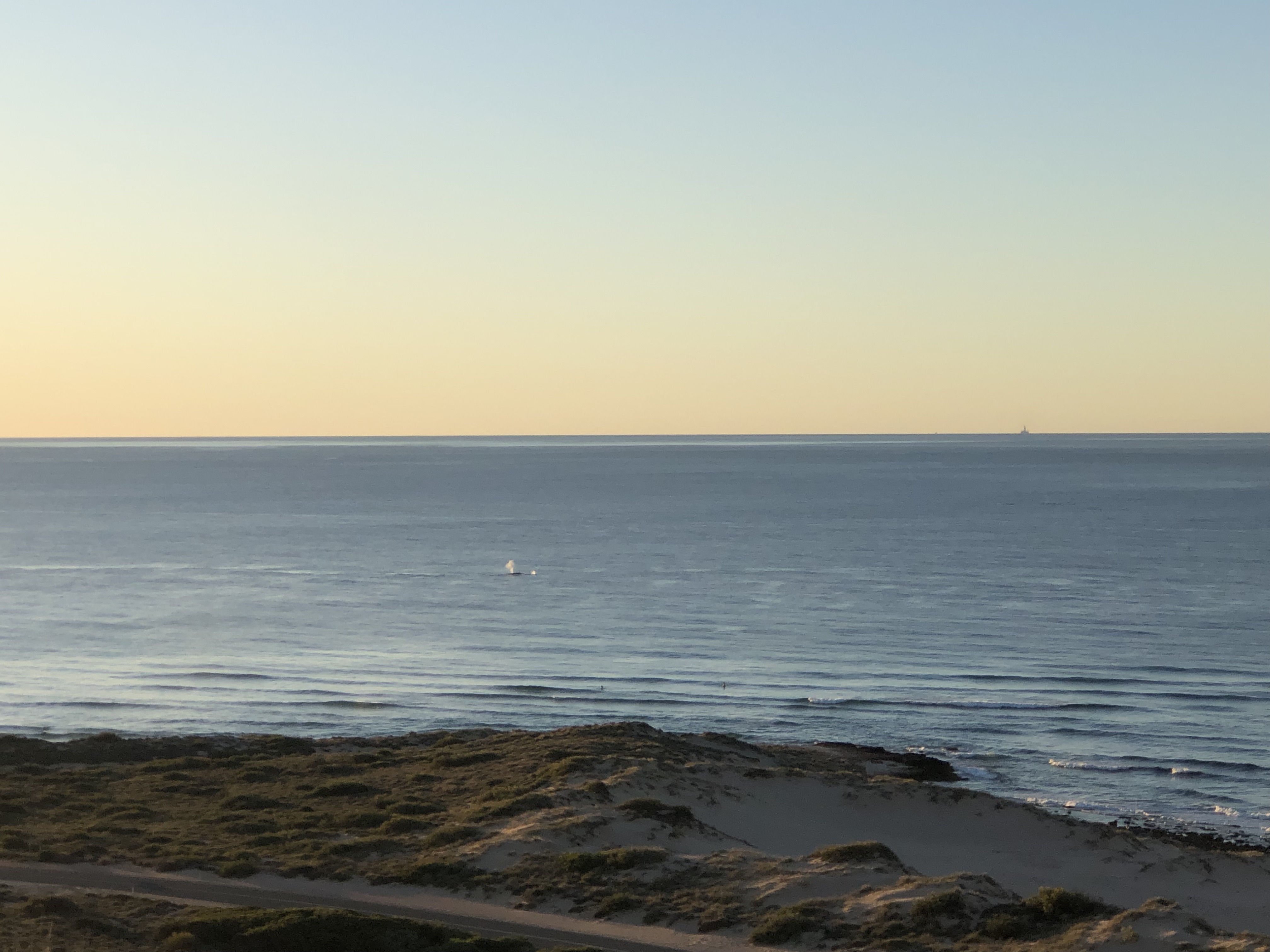
Water is a liturgical, biblical, and natural symbol. Whether it’s used in an Easter baptism or a funeral sprinkling; from the creation to the Red Sea to the streams flowing from the Temple in Ezekiel’s vision; we never quite get to the end of H2O’s religious meaning. Likewise, thinking of all the ways water both creates and destroys on our planet–slowly but inevitably wearing away the coastal rock to carve the “Twelve Apostles” along Australia’s southern coast or equally slowly and inevitably depositing crystals to create stalactite sculptures in Margaret River’s Jewel Cave. The deposits of long-vanished oceans are responsible for the strange limestone formations of Western Australia’s Pinnacles, now a desert. Last weekend, gazing over the dry scrubby land of Exmouth Peninsula to the ocean, I imagined the contrast with the swarming marine life of the coral reefs just below the surface. Not far off shore, whales jumped and flipped their tails, spouting water into the air.
I could go on, but perhaps it’s best to let the pictures speak for themselves…








 Tony Lusvardi, S.J.
One thought on “The waters of Australia”