Celebrating St. Kateri in South Dakota

July 14 is an important day for Native American Catholics: the feast day of St. Kateri Tekakwitha (1656-1680). St. Kateri’s life was characterized by courage and fidelity in the face of great suffering. She lost her parents to a smallpox epidemic as a girl, and the disease left her scarred for life and with damaged eyesight. At twenty, she converted to Catholicism and, as happens to many converts, suffered hostility for doing so. But she lived an exemplary life as a Christian, dedicating herself to caring for the sick and elderly, prayer, and devotion to the Eucharist.

In 2012, Kateri Tekakwitha, the “Lily of the Mohawks,” became the first canonized saint to hail from one of the Native tribes of North America. Her canonization by Pope Benedict XVI coincided with my time working on the Rosebud Indian Reservation in South Dakota, a deeply formative experience in my own life as a Jesuit. I knew many Lakota Catholics who had spent years praying for Kateri’s canonization, and it was a joy to be with them when the day finally came. I remember very well the beautiful Mass we celebrated in St. Charles Borromeo Church on St. Francis Mission — and the feast that followed.

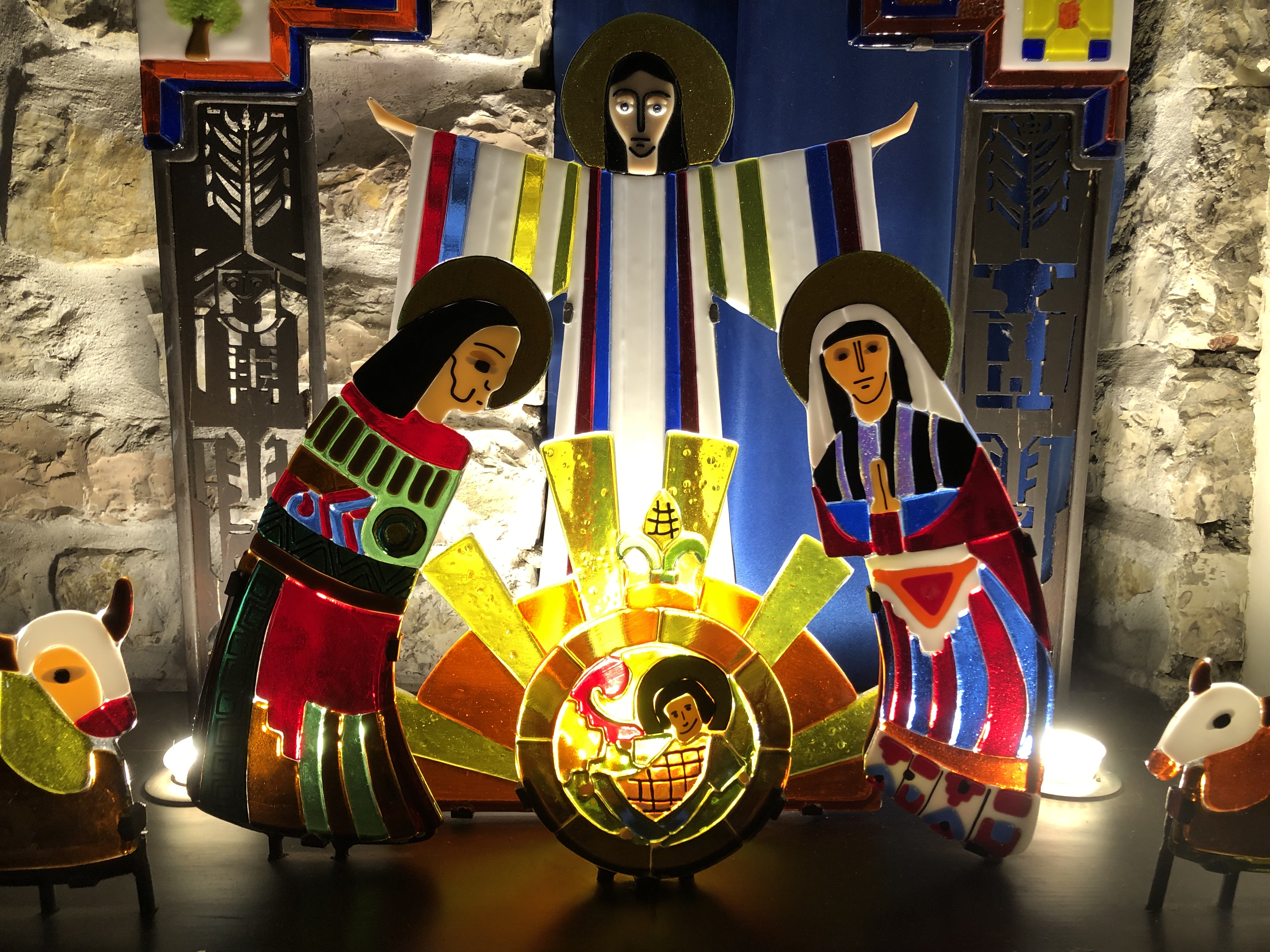
St. Charles Church was recently the subject of a news segment produced by South Dakota Public Broadcasting. It is a remarkably beautiful church–recognizable on the plains for its distinctive purple color. First-time visitors stepping inside often remark on how they never expected to find such a treasure on the prairie. Its combination of Lakota art with traditional church architecture is, in my opinion, a terrific example of successful inculturation.

I was delighted when I watched the SDPB segment to see it narrated by Deacon Ben Black Bear, an expert in Lakota language and culture and a man of deep faith and spiritual insight with whom I had the honor of working on Rosebud.

If you’re looking for a way to celebrate the memorial of this great and humble saint, spend a couple of minutes watching Deacon Ben describe St. Charles Borromeo Church here:

And if you’re anywhere between Murdo, South Dakota and Valentine, Nebraska, take a detour to check out this gem of a church in person!


If you haven’t already done so, consider subscribing to this blog:

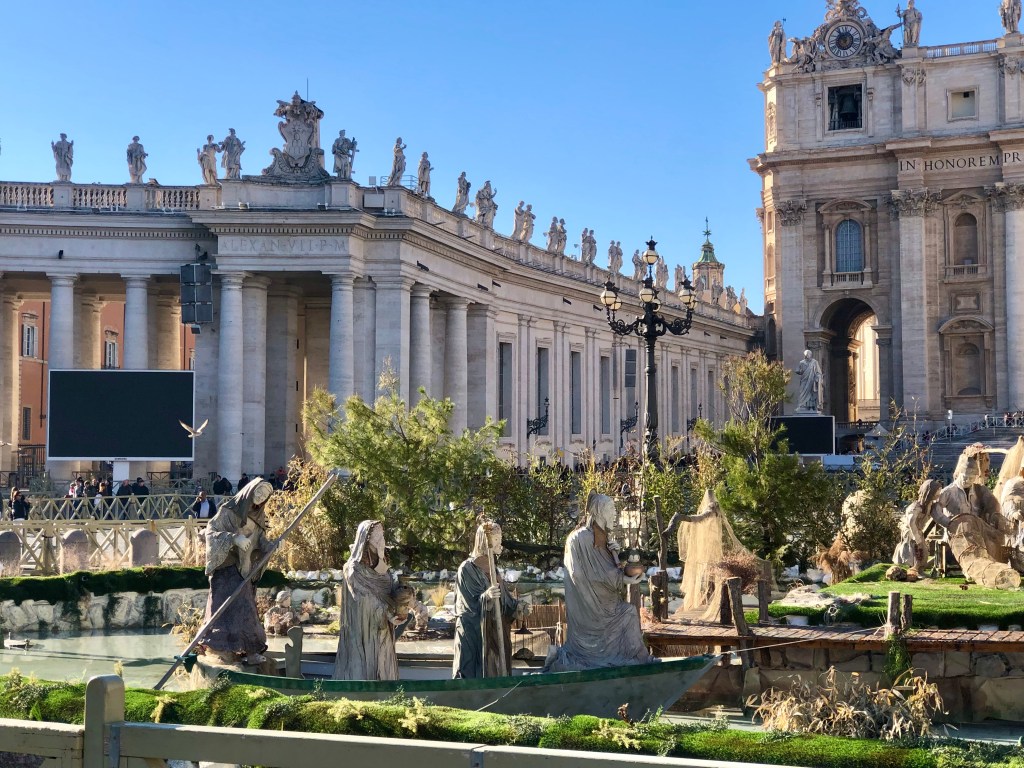
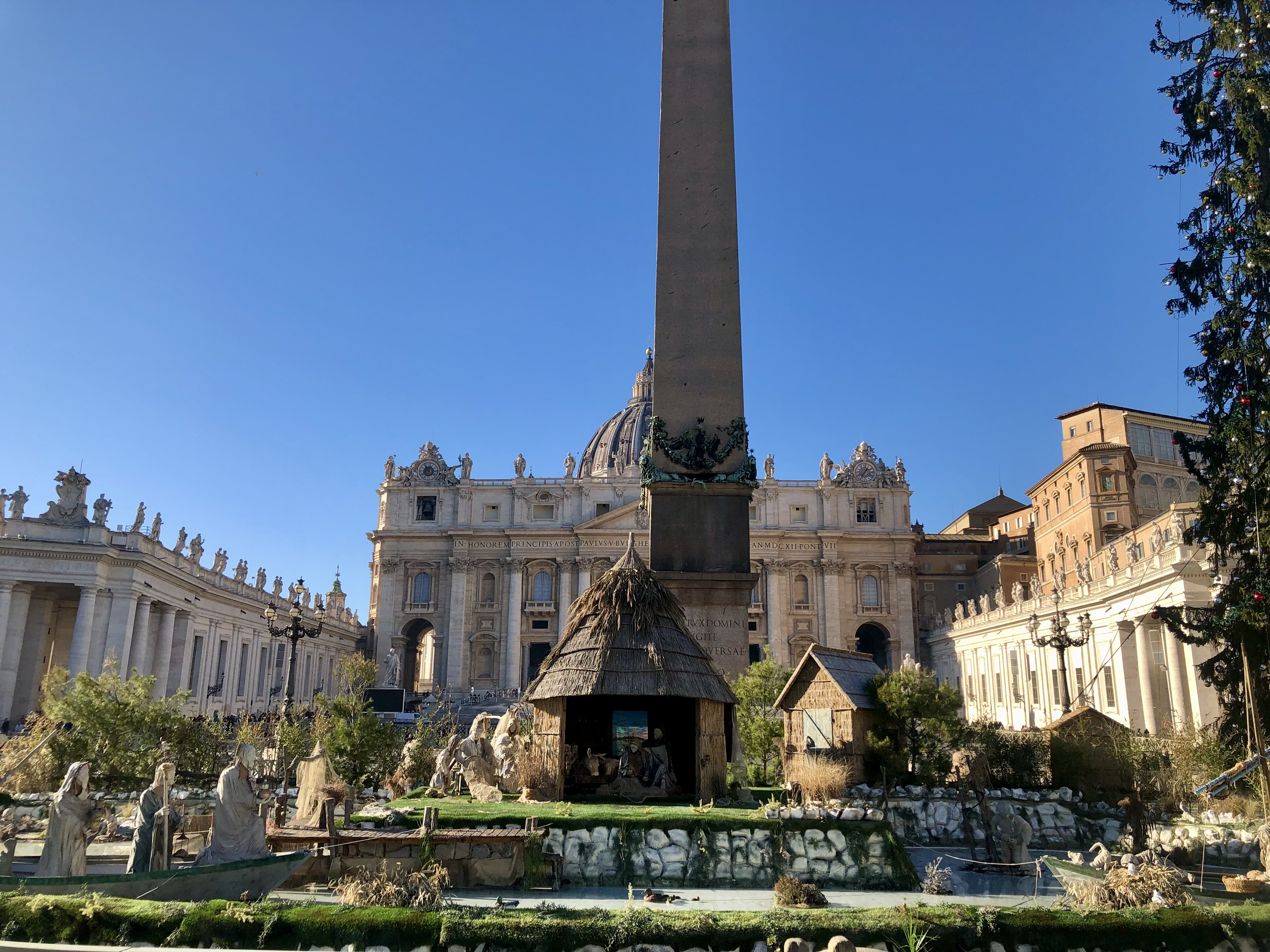
The Vatican Nativity Scene, 2024

Merry Christmas to all! I am spending Christmas at the church of the Santa Vergine degli Angeli in Maracalagonis, Sardinia, where I was fortunate to spend Holy Week earlier this year.

Before I left Rome, I was able to check out this year’s Nativity scene in St. Peter’s Square, always a source of discussion (and sometimes critique) among Romans. (For comparison, here are pictures of the Vatican Nativity scenes from the past two years: 2022 and 2023.) Last year was the 800th anniversary of this tradition, attributed to St. Francis–more about its origins in the town of Greccio here and here.

This year’s Vatican scene has a river theme, with the three kings making an aquatic landing in Bethlehem. As I noted last year, the point of such popular devotions, like Ignatian contemplation, is not to recreate history–or geography–but to help us find ourselves in the story. To that end, I found this year’s Nativity attractive and I especially liked the ducks in the foreground!

Wishing everyone many blessings and much happiness this Christmas!


Please consider subscribing to this blog for occasional updates:

More from Greccio

Chiesa di San Michele Arcangelo, Greccio

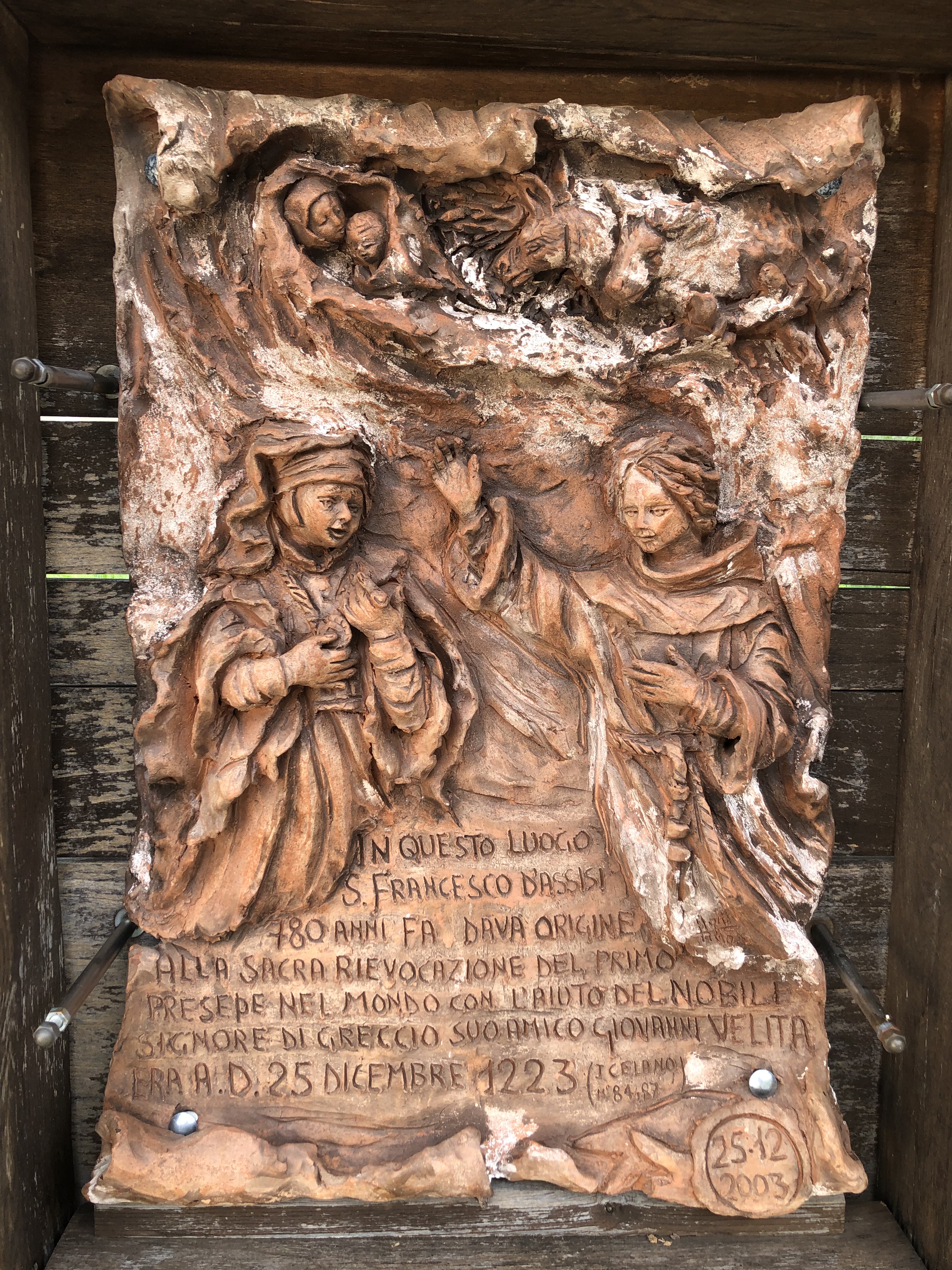
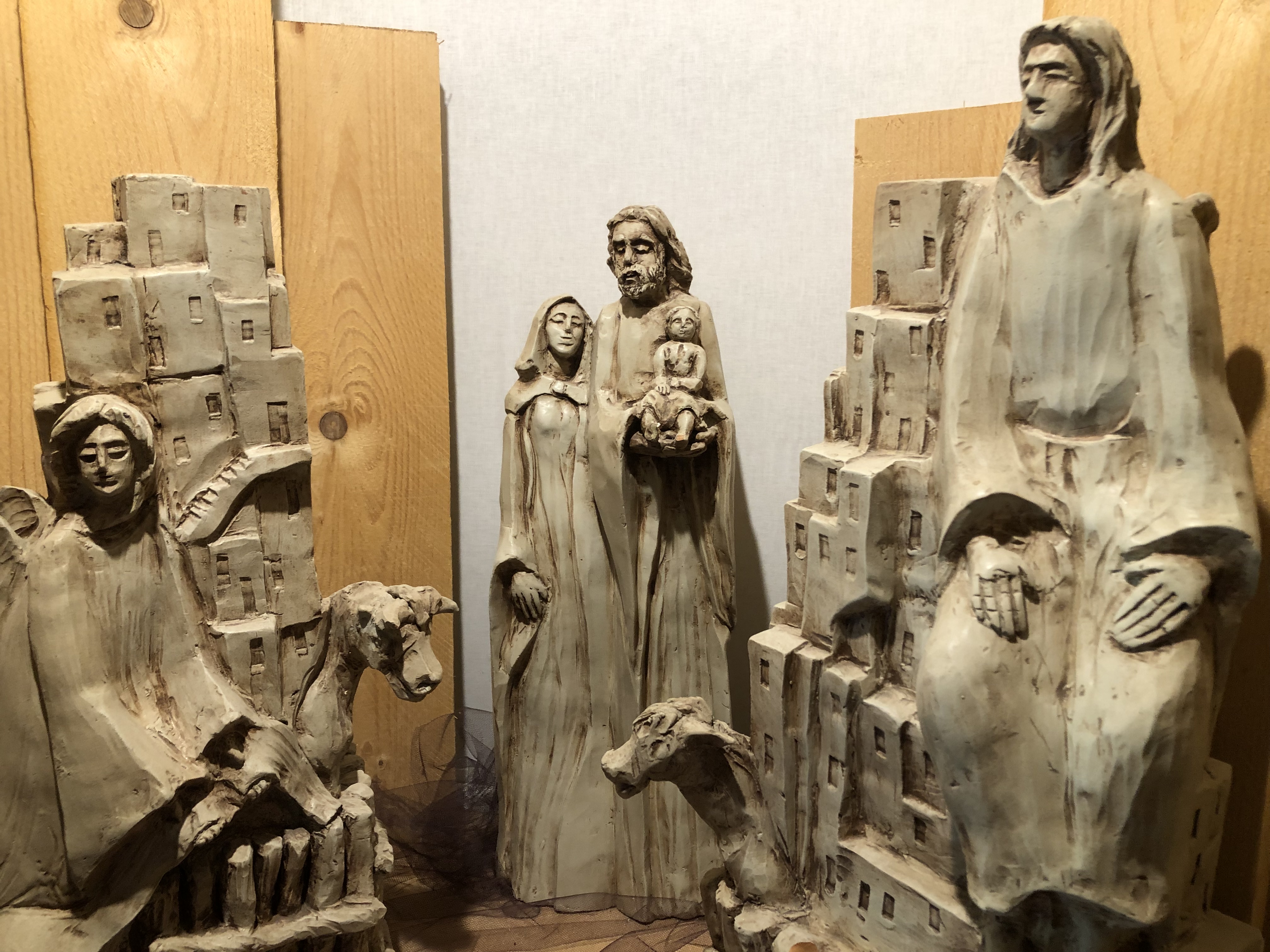
Last week, I mentioned my pilgrimage to Greccio, the little town on the edge of Lazio where St. Francis put up the first Nativity scene. I thought I’d share a few more pictures from the (grandly named) Museo Internazionale del Presepio and the Franciscan Sanctuary just outside of town, which was built around the Grotto of the Presepio. Last week I mentioned the series The Chosen and how it demonstrates the same instinct behind the Nativity scene–to use the imagination to draw closer to Jesus in the flesh.

It occurred to me that The Chosen‘s great success–against the odds, without Hollywood backing–shows that the Gospel story remains just as compelling as ever. The commercial success of Mel Gibson’s 2004 The Passion of the Christ showed the same thing. In fact, given the commercial success of such projects, it’s perhaps surprising that the entertainment industry doesn’t try to tap the religious market more often. Then again, Hollywood’s attempts to do religion tend to fall flat because they’re so patently inauthentic–remember Noah (2014)? You didn’t miss much. Martin Scorsese’s 2016 Silence was also a bit of a dud.

Despite these films’ massive budgets, the talent behind them, and slick special effects, they weren’t all that compelling. Perhaps the missing element was simply faith. I suppose it’s something like the difference between a foreigner speaking a language and a native speaker; no matter the foreigner’s wealth or education, he’ll never be as eloquent as a peasant speaking his native tongue. Faith has no substitutes.

The Nativity scene at 800

Santuario Francescano del Presepe, Greccio

A few weeks before Christmas in the year 1223, St. Francis told one of his brothers that he wished to celebrate the holiday in Greccio, a hamlet about halfway between Assisi and Rome. He added something more: that he wanted to see with his own eyes the baby born in Bethlehem and the crude stable where he lay.

The brother went on ahead and arranged everything as the saint had asked in a little grotto just outside the town, a scene now familiar to us–figures of Mary and Joseph, the shepherds, the ox and the ass. The sight drew men and women from around Greccio and delighted Francis, who served as a deacon at Mass that Christmas night. The tradition of the Christmas manger scene was born.

It’s a tradition that thrives all over the world, but especially in Italy. It’s also an example of what is known to theologians as “inculturation,” the way the Gospel enters into different cultures and finds ever-new expression in their traditions. The traditional Nativity scenes of Italy, especially Naples, often include dozens, even hundreds, of figures going about the tasks of daily life–shopkeepers, bakers, fruit vendors, beggars, musicians, servants, housewives, children, farmers, you name it. Dress and architecture in the scenes reflect the daily life of those who create them.

Continue reading “The Nativity scene at 800”