Lessons from Slovakia

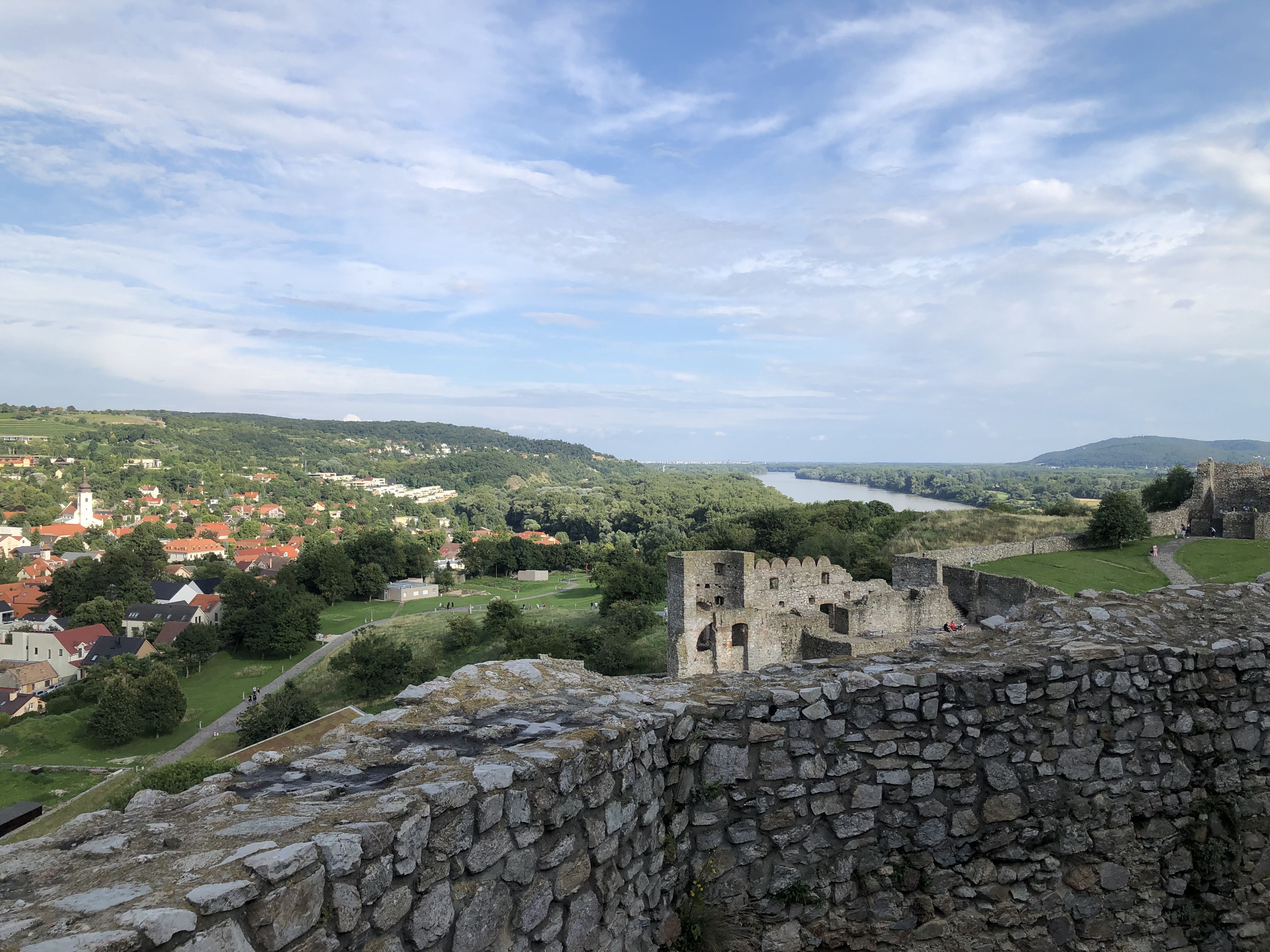
Spiš Castle, Slovakia

With classes starting up again this week at the Greg, I’ve been looking back with gratitude on a full summer. Among the highlights was a unexpected trip to Slovakia to accompany the Free Society Seminar organized by the Faith & Reason Institute and the Kolégium Antona Neuwirtha. It was a delight to meet a diverse group of curious and insightful young people from Slovakia, Poland, and the States, all of them committed in one way or another to serving their societies and the common good. The faculty was equally a joy to be with.

In addition to chaplain duties, I was able to lead a seminar on the theme of “civil religion,” taking an article I wrote for The Catholic Thing last year “Rites (and Wrongs) of Democracy” and Robert Bellah’s 1967 article “Civil Religion in America” as jumping off points. Another article I wrote about public apologies and how we deal with historical wrongs, “Confessing Other People’s Sins,” produced an even livelier discussion, enriched by the diverse eastern European perspectives.

Slovakia is a country of castles, idyllic landscapes, and beautiful churches, but one of the trips’s most haunting memories has to do with the legacy of communism. We visited the Victims of Communism Museum in Košice, which seeks to keep the history of that dark time alive. The geography of Slovakia also provided a vivid reminder of the desperation that system produced. The ancient and strategically placed Devín Castle overlooks the Danube, with Austria–and during the Cold War, freedom–just on the other side. Displays detail the brutal lengths to which the border guards went to prevent Czechoslovak citizens from escaping. Some tried to swim the Danube at the narrow point by Devín. Thousands were imprisoned for illegally trying to cross the Czechoslovak-Austria frontier, and 42 people lost their lives.

Continue reading “Lessons from Slovakia”

Appeal of the Catholic Bishops of Ukraine

Going through homilies from Lents past, I came upon this post, which happened to date from shortly after the Russian invasion of Ukraine three years ago. The Ukrainian resistance to that invasion, I noted, was something of a jolt to a West that had grown somnolent with self-indulgence, a reminder that some things are worth fighting for.

Just over a week ago, Archbishop Sviatoslav Shevhcuk issued a statement on behalf of Ukraine’s Greek Catholic bishops that should again jolt the conscience of a world gone loopy with self-absorption. “We have not become a people defined by war — we have become a people defined by sacrifice,” the bishops write. For the bishops and for their people, this war is not a card game or great television, not, as the Vice-President of the United States to his great shame recently suggested, a “propaganda tour.”

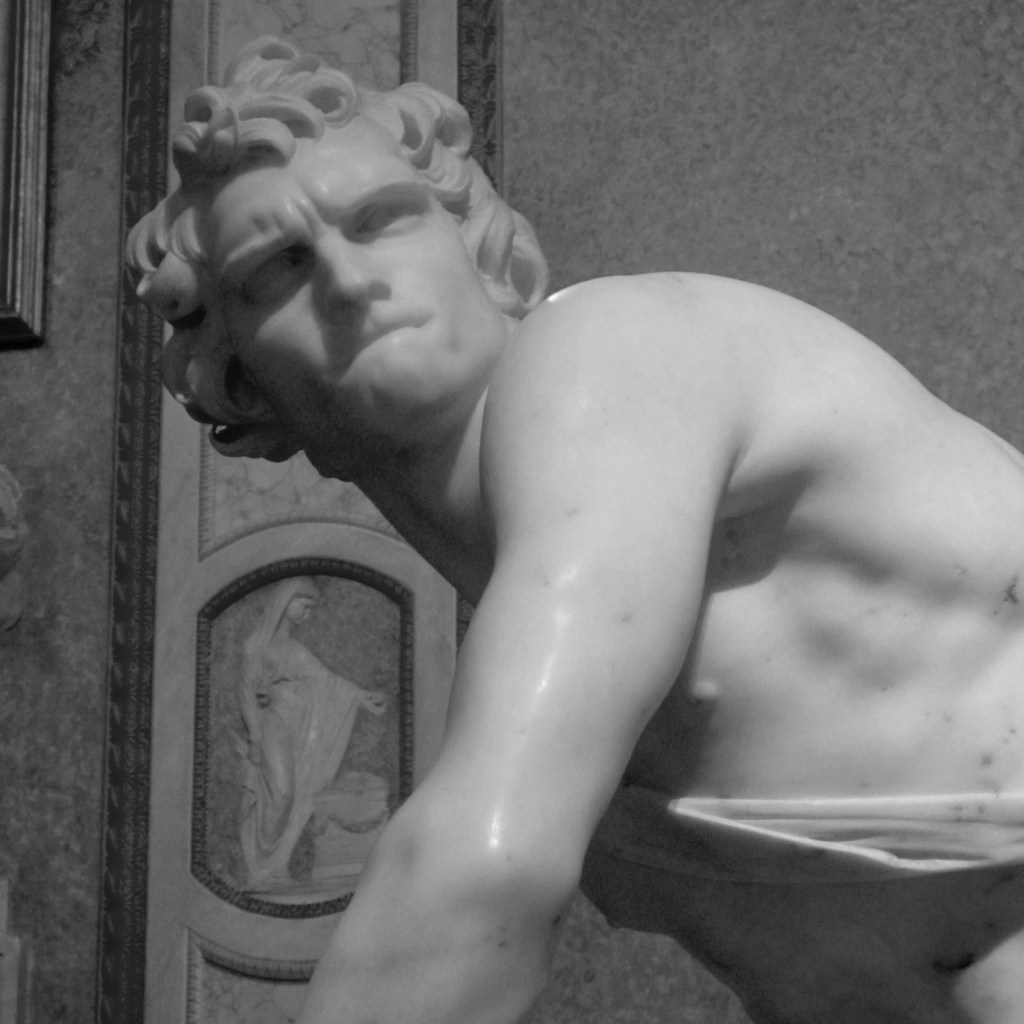
David, Gian Lorenzo Bernini

Noting the staggering trauma and destruction inflicted on their country, the bishops write: “But we have not come to terms with our losses—each one hurts. Every fallen defender, every innocent life lost remains in the memory of God and people. We remember and pray. We support and uphold. We stand and fight, ever mindful of the God-given dignity that no force on earth can take from us.”

It is obvious enough that the bishops want peace, but they also know that “peace” on Putin’s terms does not mean the end of killing Ukrainians, of kidnappings, or of brutality. The bishops know that Russian occupation will almost certainly include the persecution of Catholics; Archbishop Schevchuk was himself targeted for assassination by Russian invaders attacking Kyiv. No serious Christian should be taken in by Vladimir Putin’s pose as a defender of Christian values. His regime and its ideology are idolatrous.

Continue reading “Appeal of the Catholic Bishops of Ukraine”

Letting go of our anger–or hugging it tight: homily for the twenty-fourth Sunday of Ordinary Time

Homily for the 24th Sunday in Ordinary Time (A)

The giant saguaro, found in southern Arizona and northern Mexico, is the largest cactus in the world, growing up to forty feet tall.  Saguaros are covered in spines almost three inches long, spines almost as strong as steel needles, so sharp, in fact, that they have been known to puncture the skull of bighorn sheep that run into the cactus.  From this, two conclusions are clear.  First, sheep probably do deserve their dim reputation for intelligence, and, second, you really don’t want to hug a saguaro.  

Capitoline Museum, Rome

Now you may be thinking, “Thank you, Father Obvious, for that really helpful advice.”  Probably we don’t need to be told what a bad idea it is to hug a cactus.  And yet, in the Book of Sirach we read about people doing something that is potentially just as painful and damaging.  “Wrath and anger are hateful things,” Sirach says, “yet the sinner hugs them tight.”  And we have probably had the experience of tightly hugging our anger, of nurturing a grudge with more fertilizer than we give to our gardens.  The leaves and flowers fall off a grudge very quickly and leave us with nothing else but spikes.  

In last Sunday’s Gospel reading Jesus gave us some practical advice for dealing with conflict between Christians, and this Sunday we have readings on the related theme of forgiveness.  I think we can identify two levels of meaning when Jesus teaches about forgiveness.  The first is practical—how do I do it?  Part of the reason forgiveness is such a frequent theme in the Gospel, I suspect, is that it is often so hard to do.  Even if we get to the point of forsaking revenge, of no longer trying to hurt someone who has hurt us, even if we say the words “I forgive you,” the gnawing wound sometimes still remains.  We can remove the spike, but the sting is inside.  How do we let go?  

Continue reading “Letting go of our anger–or hugging it tight: homily for the twenty-fourth Sunday of Ordinary Time”

Not peace, but division: homily for the twentieth Sunday of Ordinary Time

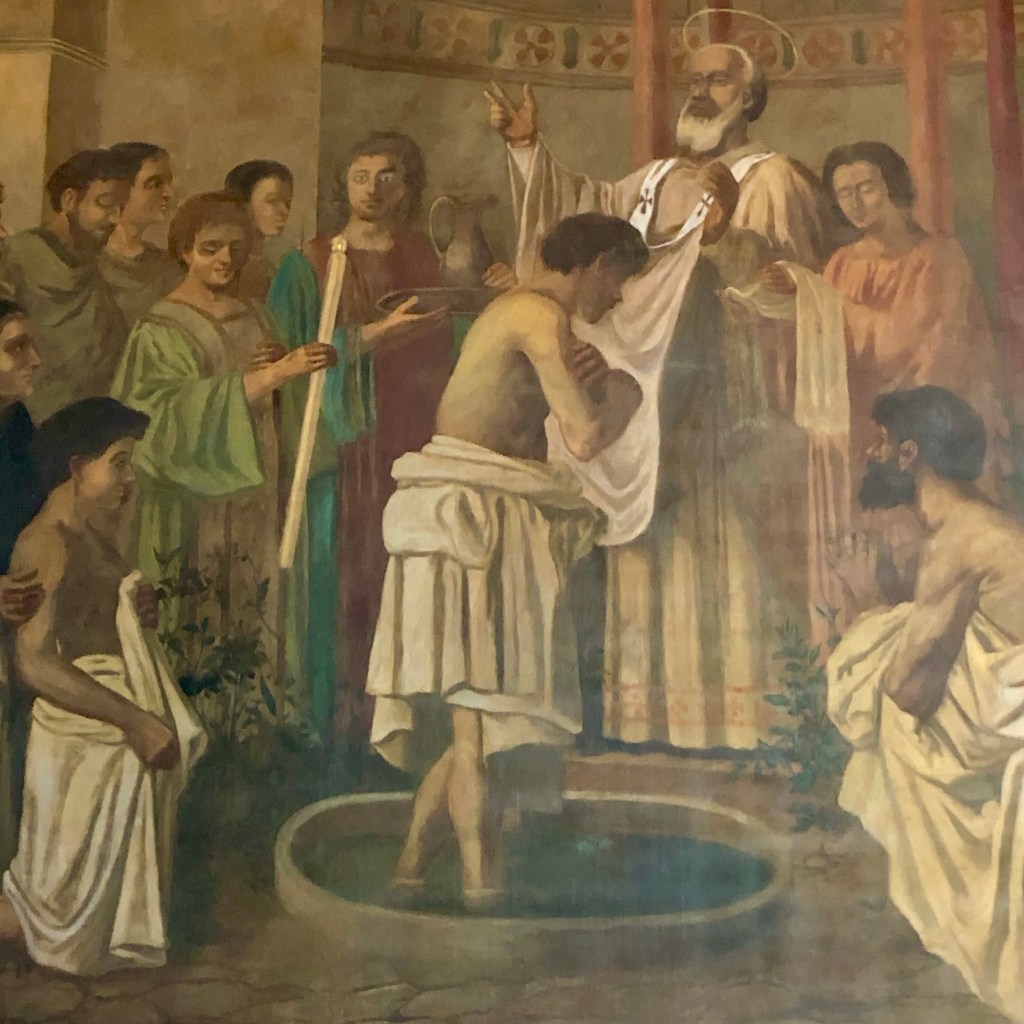
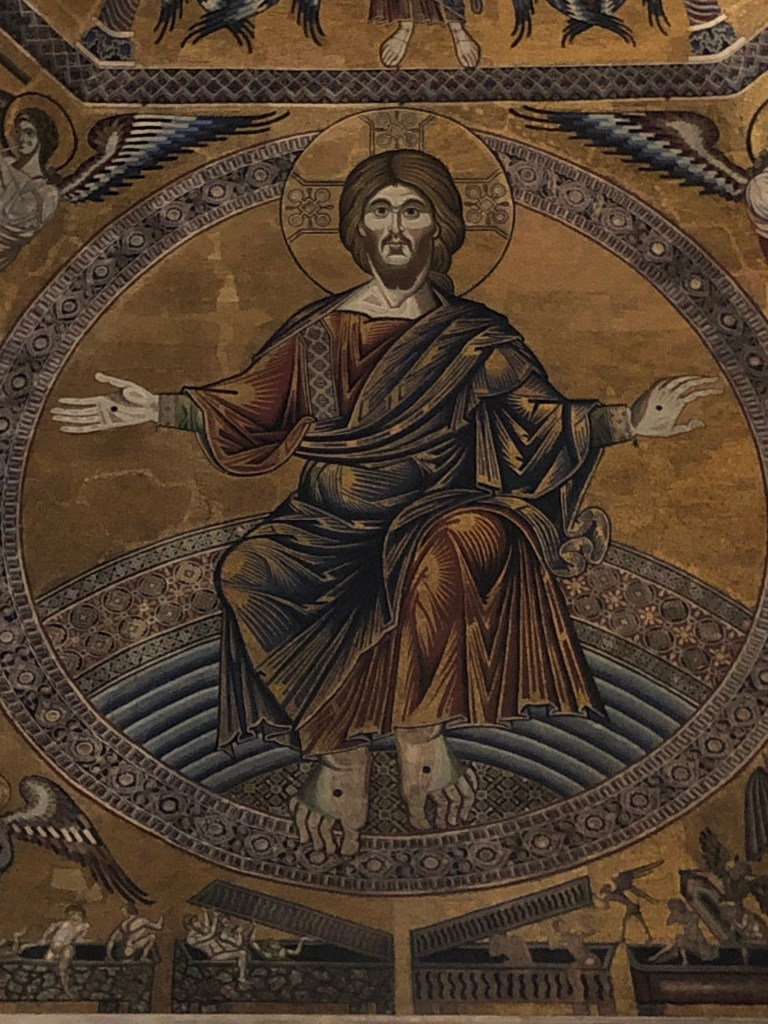
Baptistry, Florence

Homily for the 20th Sunday in Ordinary Time (C)

Politicians frequently claim to be uniters, not dividers.  If you wanted proof, therefore, that Jesus was not a politician, look no further than today’s Gospel: “Do you think that I have come to establish peace on the earth?  No, I tell you, but rather division.”

Political promises of unity, of course, come cheaply; sometimes they simply mean, “If you disagree with me, I’ll accuse you of being a divider.”  In today’s Gospel reading, however, Jesus makes a move never recommended by any political consultant: he preemptively accuses himself of bringing division.  Other than the desire to put centuries of future homilists in a very awkward position, why would Jesus do this?

Continue reading “Not peace, but division: homily for the twentieth Sunday of Ordinary Time”

Catholic self-help

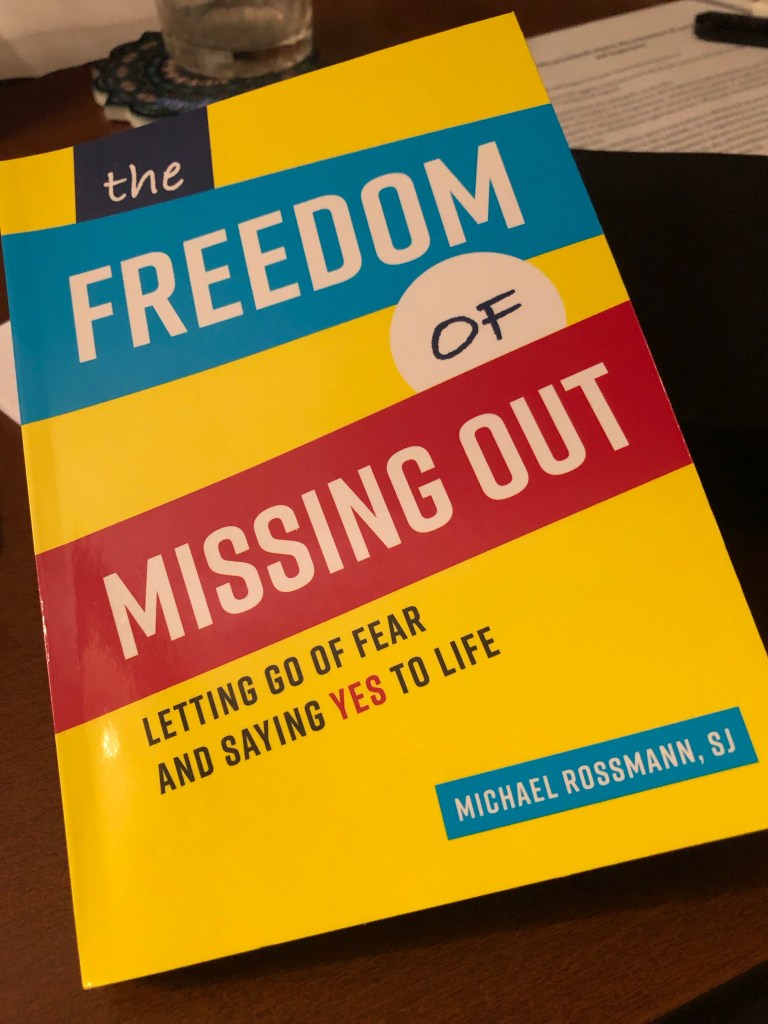
My friend and Jesuit classmate Fr. Michael Rossmann has just published a book, which upon its release held the status of Amazon’s #1 book in “self-help for Catholics”. Actually, I didn’t know there was such a category (and neither did Fr. Rossmann).

Inside the snappy cover, Fr. Rossmann makes a point I think is very important today — really saying yes to something or someone means saying no to other things. Never committing in order to keep one’s options open means refusing to choose the things that matter most.

The book is called The Freedom of Missing Out and continues the long Jesuit tradition of practical help for good decision-making that goes back to St. Ignatius’s rules for discernment. In fact, the influence of Ignatius is not far below the surface, though the book is illustrated with examples from all walks of life and lots of contemporary research. While Rossmann draws on the best of the Catholic tradition, his words about commitment and freedom will ring true to people of any religion.